
Branded (2012): Cast, Ratings, Box Office & Plot
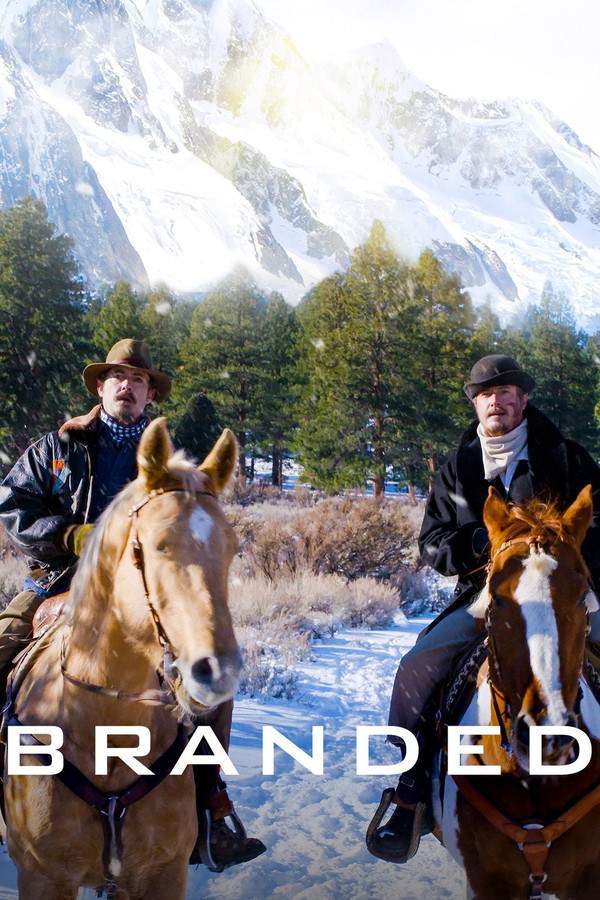
Branded is a 2012 action thriller directed by Aleksandr Dulerayn and Jamie Bradshaw, starring Max von Sydow, Jeffrey Tambor and Leelee Sobieski. It runs 1 hour 46 minutes and earned $4.2 million worldwide. Critics gave it 20 on Metacritic, and IMDb users rate it 4.6/10.
- Released
- Runtime
- 1h 46m (106 min)
- Directors
- Aleksandr Dulerayn and Jamie Bradshaw
- Original language
-
 English
 - Studio
- Roadside Attractions
- After the credits
- No No extra scene
What Is Branded About?
The premise of Branded without spoilers. The whole story is in the plot summary further down.
In a dystopian future, powerful corporations have subtly taken control of people's thoughts and desires. When one man begins to question this reality, his search for truth leads him into a dangerous conflict with the forces manipulating everything. As he delves deeper, the lines between what's real and what's manufactured become increasingly blurred, forcing him into a desperate fight to liberate himself and others from oppressive control.
Branded Themes & Keywords
· 50 tags- advertising agency
- fast food
- hamburger
- hallucination
- constellation
- sex in a car
- voice over narration
- moscow russia
- fat woman
- traffic
- kiss
- fake trailer
+38 more Show fewer
- conspiracy thriller
- conspiracy
- truth
- vision
- marketing
- knocked unconscious
- camera shot of a woman's bare feet
- logo
- riot
- advertizing ban
- kamov ka 50 black shark helicopter
- on the street reporter
- car bomb
- hit on the head with a baseball bat
- animation and live action
- pandemic
- virus
- woman shaving a man
- eating a hamburger
- red cow
- father meets son for the first time
- father learns he has a son
- eyes reflected in a car mirror
- sleeping in a car
- animal sacrifice
- bonfire
- burnt offering
- herd of cows
- dream within a dream
- thunderstorm
- heart attack
- fictional tv commercial
- newspaper headline
- police brutality
- protest
- cosmetic surgery
- punched in the face
- stuck in traffic
Branded Cast
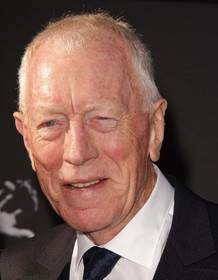
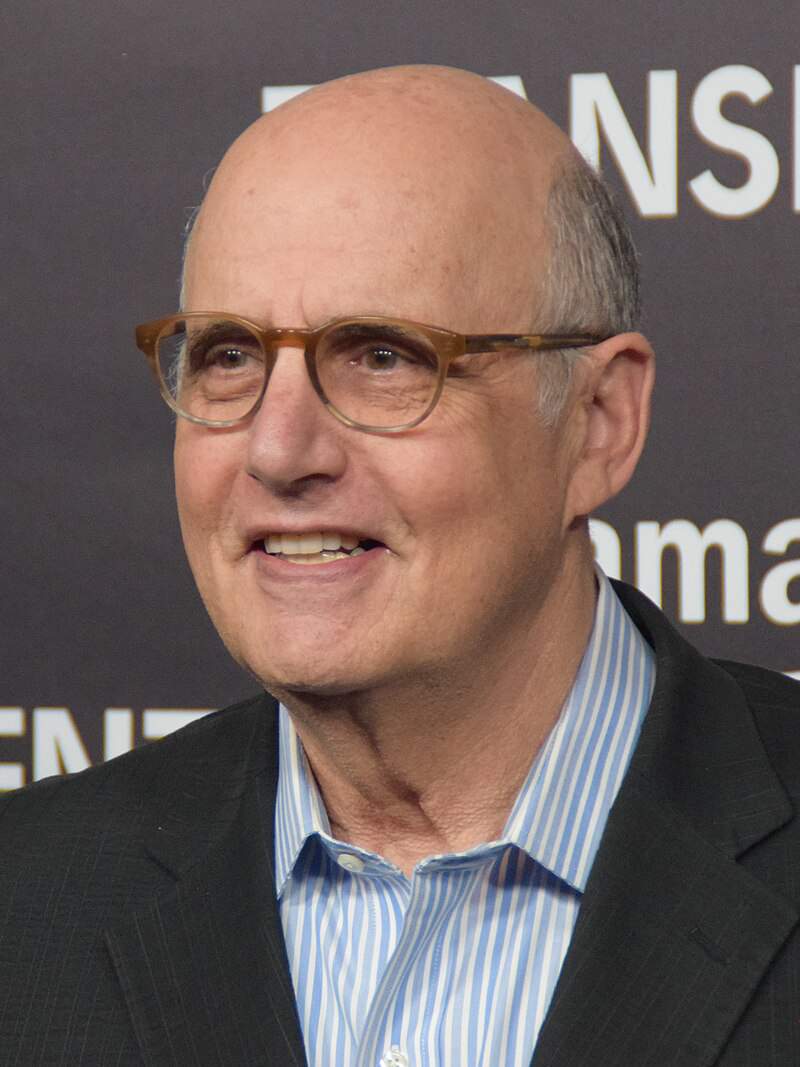
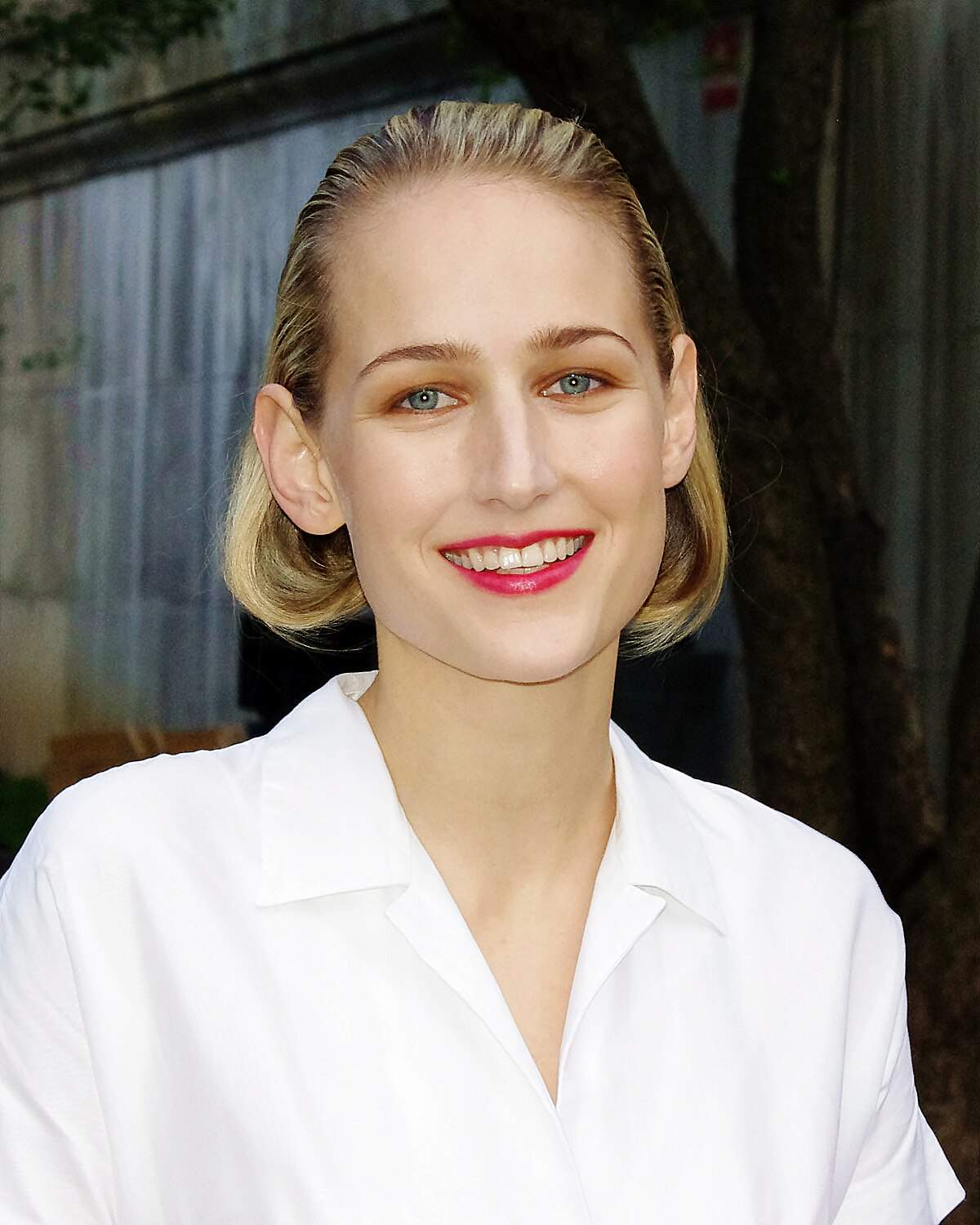
Max von Sydow leads the cast, with Jeffrey Tambor and Leelee Sobieski. Directed by Aleksandr Dulerayn and Jamie Bradshaw; 5 actors are credited in all.
- Co-director Aleksandr Dulerayn
- Co-director Jamie Bradshaw
Also Starring in Branded
· 1 moreBranded Reviews & Ratings
Critics gave Branded 20 on Metacritic, and IMDb users rate it 4.6/10.
-
 IMDb
IMDb 4.6 /10
See on IMDb -
 Metacritic
 20 Metascore
User score 4.0
See on Metacritic -
 TMDB
TMDB 48% User score
See on TMDB -
 Letterboxd
 2.3 /5
4 ratings
See on Letterboxd -
 Movie Insider
 2.8 /5
See on Movie Insider
Branded Plot Summary
What happens in Branded from start to finish, spoilers included, with a timeline of 14 key events. The opening is below; the full summary is a 5-minute read.
Spoilers ahead
In the early 1980s, under the shadowed skies of the Soviet Union, a young man named Misha Galkin encounters a strange omen: he stares up at the stars as they shift into a cow-shaped constellation that seems to watch him back, and moments later a bolt of lightning strikes him. A woman who tends to him afterward proclaims that his life will be “interesting,” a prophecy that threads through the years as he builds a remarkable talent for understanding people and selling ideas. This gift propels him into the world of marketing, where he emerges as a powerful strategist who navigates the delicate balance between persuasion and social consequence.
Full summary
The whole story of Branded, scene by scene
Branded Box Office
Branded grossed $4.2 million worldwide. $353,513 came from the US and Canada and $3.9 million (92%) from the rest of the world.
Worldwide gross
$4.2M
- US & Canada
- $353.5K
- International
- $3.9M
Branded Trailers & Videos
The trailer of Branded.
How Well Do You Know Branded?
10 questions about the story, each with a hint if you get stuck. Pick an answer to see whether you were right.
Question 1 of 10
- Question 1: not answered
- Question 2: not answered
- Question 3: not answered
- Question 4: not answered
- Question 5: not answered
- Question 6: not answered
- Question 7: not answered
- Question 8: not answered
- Question 9: not answered
- Question 10: not answered
Which American marketing executive is hired to spread Western brands in post‑Communist Russia?
Cars in Branded
31 cars on screen, including the 2003 Audi A8 D3 and the 2003 Land-Rover Range Rover Series III.
-
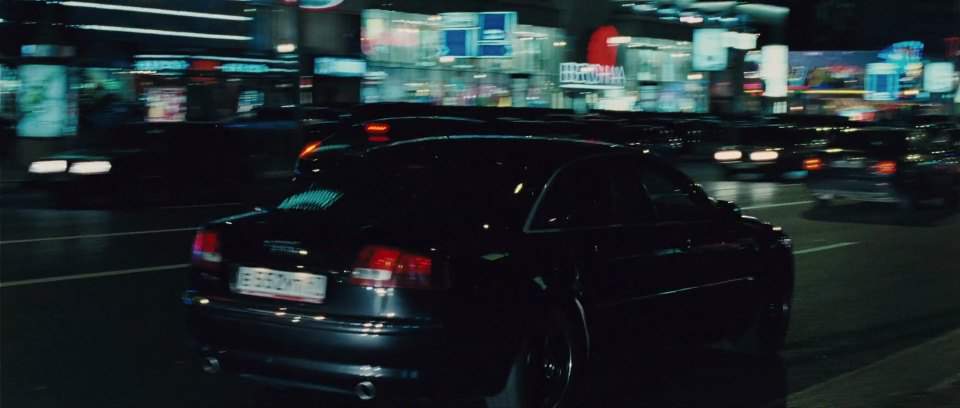 2003 Audi A8 D3 Important role
 -
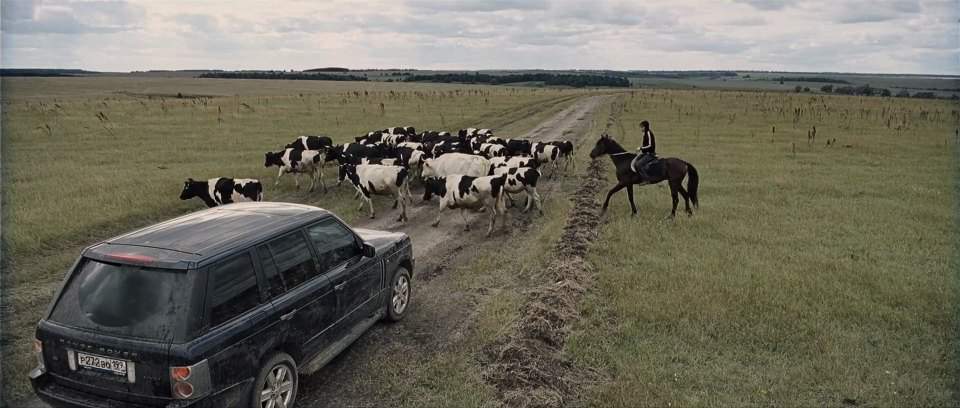 2003 Land-Rover Range Rover Series III Important role
 -
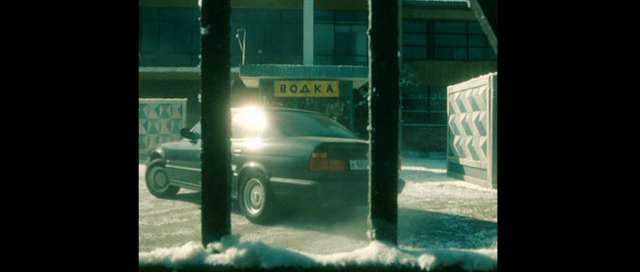 BMW 5 E34 Minor role
 -
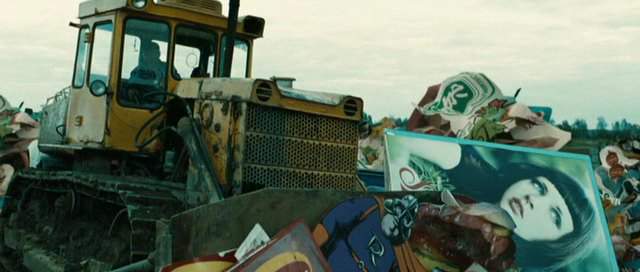 ChTZ T-170 Minor role
Branded Also Known As
15 alternative titles, including “Москва 2017” and “Código Oculto”.
- Also known as
-
- Москва 2017
- Código Oculto
- Marqué
- 브랜디드
- 莫斯科2017
- Il marchio di sangue
- Kaubamärgistatud
- A márkák háborúja
- ブランデッド
- Marcado
- Código oculto (Branded)
- ממותג
+3 more Show fewer
- Codigo Oculto
- Reklama
- ผ่าวิกฤตเอเลี่ยนแดกด่วน
Seen Branded?
Movies Like Branded
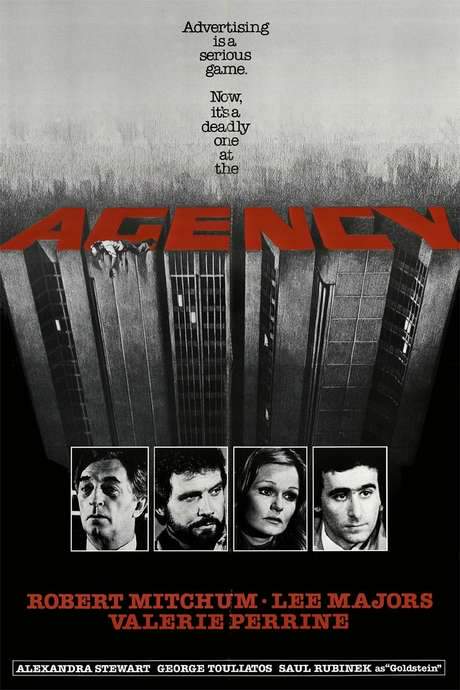
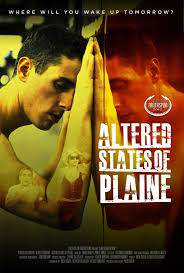
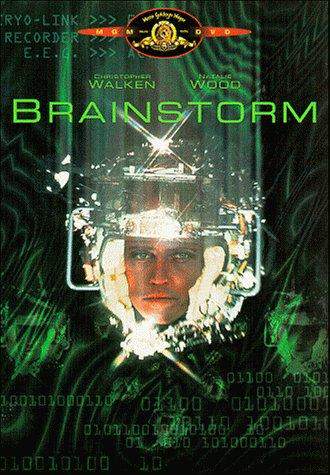
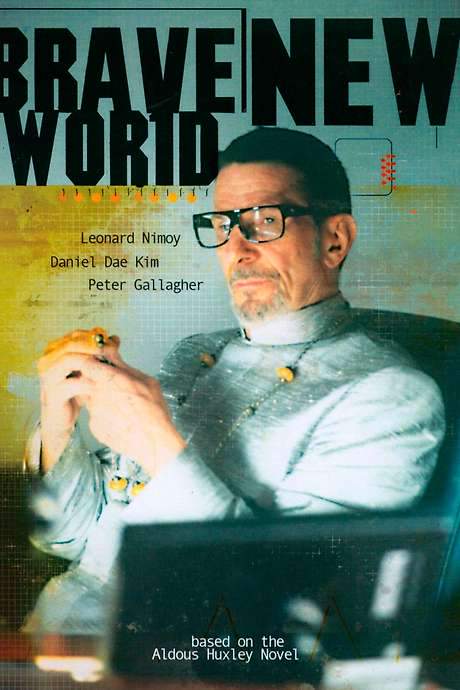
Films with a similar story, tone or audience, including Agency, Altered States of Plaine and Brainstorm.
Branded FAQ: Cast, Box Office & Runtime
Runtime, release date, director, cast, box office, ratings and post-credit scenes of Branded, each answered in a sentence.
How long is Branded?
Branded runs 1 hour 46 minutes (106 minutes).
When was Branded released?
Branded was released on September 7, 2012.
Who directed Branded?
Branded was directed by Aleksandr Dulerayn and Jamie Bradshaw.
More films by Aleksandr Dulerayn Who is in the cast of Branded?
Branded stars Max von Sydow, Jeffrey Tambor and Leelee Sobieski, among 5 credited actors.
How much did Branded make at the box office?
Branded grossed $4.2 million worldwide ($353,513 domestic, $3.9 million international).
How is Branded rated?
Branded has 4.6/10 on IMDb, 20 on Metacritic, 48% on TMDB and 2.3/5 on Letterboxd.
Does Branded have a post-credit scene?
No. Branded has no extra scene during or after the credits.
Coming soon to your phone
The Plot Explained Movie Summary App
From blockbusters to hidden gems: plot summaries, endings explained and timelines on your phone. Save your favorites and never miss a twist again.
Be the first to know when it launches. Your email stays private, always. Learn more about the app
