



Blood Feud Plot Summary
Read the complete plot summary and ending explained for Blood Feud (1983). From turning points to emotional moments, uncover what really happened and why it matters.
In the mid-1950s, a wealthy young Robert F. Kennedy is building a name in Washington, D.C., while his elder brother John F. Kennedy, a United States senator from Massachusetts, also rises on the national stage. Simultaneously, [Jimmy Hoffa], an intensely dedicated leader within the International Brotherhood of Teamsters, dreams of becoming a formidable force in the American labor movement. Hoffa makes an early move to ingratiate himself with Kennedy when they meet, but Kennedy is probing corruption in labor and harbors suspicions about Hoffa’s possible ties to organized crime.
Kennedy presses to secure a Senate committee that would investigate crime syndicates and their alleged links to union executives and pension funds, a promise he extracts from his brother. FBI director J. Edgar Hoover remains unwilling to acknowledge organized crime or even recognize its existence.
After JFK is elected president in 1960, Bobby is appointed to be his Attorney General. Hoffa, already feeling the pressure, grows more defiant. Longtime associates such as Edward Grady Partin and Randy Powers see how Hoffa’s bitter feud with Kennedy is affecting him, while Phil Wharton acts as Kennedy’s trusted ally. Hoffa presses ahead with his union power even as Kennedy pursues reform, and the public face-off intensifies in committee hearings, in the press, and in the courtroom, with attorney Edward Bennett Williams portraying Kennedy as a millionaire with little regard for “the working man.”
The assassination of JFK on November 22, 1963, is a horror to most Americans, but not to Hoffa, who behaves as if nothing matters beyond union business. The new president, Lyndon B. Johnson, surprises Hoffa by keeping Bobby Kennedy as his attorney general.
Hoffa’s paranoia grows. He becomes obsessed with finding informers within his organization and listening devices in his office. After one of his loyal allies, Partin, betrays him to federal authorities and testifies against him, Hoffa is convicted in 1964 of attempting to bribe a grand juror. He is later found guilty of misuse of a union pension fund. Appeals allow Hoffa to postpone incarceration for several years while Kennedy leaves LBJ’s administration to become a U.S. senator representing New York.
Hoffa alternately pleads for mercy and threatens vengeance. He begins his sentence behind bars in 1967. The personal animus between the two men ends with Bobby’s assassination in Los Angeles in 1968. Hoffa is granted an early release in 1971 after an arrangement with Richard Nixon results in a pardon, but he is unable to regain his Teamsters presidency upon being released. He disappears in 1975, never to be seen again.
Blood Feud Timeline
Follow the complete movie timeline of Blood Feud (1983) with every major event in chronological order. Great for understanding complex plots and story progression.
Bobby and JFK rise in Washington
In the mid-1950s, Robert F. Kennedy begins to make a name for himself in Washington, D.C., while his older brother John F. Kennedy emerges as a prominent U.S. senator from Massachusetts. Both brothers start to shape their early political reputations and influence. Their rising profiles set the stage for later power struggles in national politics.
Hoffa rises to power in the Teamsters
Jimmy Hoffa becomes a force within the International Brotherhood of Teamsters, dedicating himself to expanding union influence. His ambition places him on a collision course with political figures who want to curb corruption and ties to organized crime. The Teamsters' growing power becomes a central element of the era's labor politics.
First meeting: Hoffa tries to ingratiate himself
When Hoffa and Bobby Kennedy first meet, Hoffa attempts to ingratiate himself with the younger Kennedy. Bobby is already probing corruption in labor unions and wary of Hoffa's connections to organized crime. The suspicious dynamic foreshadows a long, tense rivalry between them.
Promise to join Senate committee on crime
Bobby Kennedy presses his brother to participate in a Senate committee investigating crime syndicates and their illegal ties to unions and pension funds. The pledge marks the start of a heated political feud with Hoffa. Tension builds as investigations loom over both men.
Hoover resists focusing on organized crime
FBI Director J. Edgar Hoover is reluctant to acknowledge organized crime as a serious problem, resisting demands to concentrate on syndicate networks. This skepticism strains Kennedy's anti-crime initiatives. The nation's stance on organized crime remains contested as events unfold.
Kennedy elected; Bobby becomes Attorney General
After JFK is elected President in 1960, he appoints Bobby Kennedy as Attorney General. Bobby steps into a pivotal role at the heart of federal anti-crime efforts. The appointment intensifies the clash with Hoffa as investigations heat up.
Hoffa's power grows; Teamsters presidency and tension
Hoffa's influence within the Teamsters grows as he rises to the presidency, wielding formidable power in the labor movement. He openly taunts Bobby Kennedy during hearings and in the press, challenging the younger brother's authority. The Kennedy–Hoffa feud drives much of the era's labor-politics friction.
Kennedy and Wharton pursue Hoffa; Hoffa acquitted
Kennedy, with his right-hand man Phil Wharton, pursues Hoffa through hearings and investigations that yield multiple acquittals. Hoffa mocks the scrutiny and asserts his dominance over labor and politics. The ongoing probes keep Hoffa in the public eye and intensify the animosity with the Kennedy family.
JFK assassination shocks the nation
The assassination of John F. Kennedy on November 22, 1963, horrifies many Americans. Hoffa acts as if nothing matters beyond union business, while Lyndon B. Johnson surprises and disappoints Hoffa by retaining Bobby Kennedy as Attorney General. The tragedy triggers a dramatic shift in the national political landscape.
LBJ becomes President; Bobby remains AG
Lyndon B. Johnson becomes President and retains Bobby Kennedy as Attorney General, signaling continuity in anti-crime efforts amid the new administration. Hoffa's paranoia about informers grows under Johnson's presidency. The power dynamics among Kennedy, Hoffa, and the administration remain tense.
Convictions hit Hoffa; begins prison term
Hoffa is convicted in 1964 of attempting to bribe a grand juror and later of misusing a union pension fund. Appeals delay incarceration for several years. He begins his prison sentence in 1967, marking a significant setback for his control over the Teamsters.
Bobby becomes U.S. Senator from New York
Bobby Kennedy leaves the Johnson administration to become a U.S. Senator representing New York, broadening his political platform beyond the Attorney General role. The shift redefines his influence in national politics and keeps him in the orbit of major national issues. Hoffa's power and the Kennedy–Hoffa feud continue to cast a long shadow over labor and crime investigations.
Robert F. Kennedy assassinated
Robert F. Kennedy is assassinated in Los Angeles in 1968, ending a volatile chapter of the Kennedy–Hoffa feud. Hoffa's personal animus with Kennedy intensifies as the political climate shifts. The tragedy reverberates through national politics and union power.
Hoffa's early release after Nixon deal
Hoffa receives an early release in 1971 following an arrangement with President Richard Nixon, though he cannot regain the Teamsters presidency after his release. He attempts to reassert influence, but the old power balance has shifted. The episode ends with unresolved questions about Hoffa's legacy.
Hoffa disappears
Hoffa mysteriously disappears in 1975, vanishing from public view and leaving a lasting and unresolved legacy. His absence marks the end of an era of overt Teamsters influence and fuels enduring speculation about organized crime ties. The mystery surrounding his fate remains a defining postscript to the era.
Blood Feud Characters
Explore all characters from Blood Feud (1983). Get detailed profiles with their roles, arcs, and key relationships explained.
Edward Grady Partin
Edward Grady Partin is a longtime ally of Hoffa who wields insider knowledge of the Teamsters and labor politics. He navigates the uneasy balance between loyalty and self-preservation as federal pressure mounts. Ultimately, Partin betrays Hoffa by testifying to authorities, turning from ally to pivotal witness. His arc illustrates how informants can alter the course of major investigations.
Randy Powers
Randy Powers is a longtime Hoffa associate who observes the feud and its consequences. He remains loyal as Hoffa's power grows, providing a steady presence within Hoffa's circle. His stance shows the tension between loyalty and the harsh realities of prosecutorial pressure. Powers embodies pragmatism in the Teamsters' volatile landscape.
Jimmy Hoffa
Hoffa is an ambitious Teamsters president whose power and paranoia expand as investigations probe his union's finances. He taunts Kennedy and resists accountability, flaunting influence in hearings and the press. Repeated legal setbacks reinforce his defiance, culminating in imprisonment and a perilous psuedo-ominous arc. The narrative paints Hoffa as a figure whose paranoia feeds his downfall.
Robert F. Kennedy
Robert Kennedy is the rising star who pursues corruption through Senate inquiries and later serves as Attorney General. He confronts Hoffa and powerful interests, driving aggressive investigations while facing political pushback. His relentless pursuit embodies idealism clashing with realpolitik during a turbulent era. Kennedy's arc heightens the conflict between justice and power.
Phil Wharton
Phil Wharton serves as Kennedy's trusted aide and right-hand man, coordinating investigations and guiding public presentation of the case. He supports the relentless pursuit of Hoffa, navigating legal strategy and political risk. His loyalty helps sustain the investigation through mounting pressure and public scrutiny.
Blood Feud Settings
Learn where and when Blood Feud (1983) takes place. Explore the film’s settings, era, and how they shape the narrative.
Time period
1950s–1970s
Spanning from the mid-1950s to the mid-1970s, the story traces a turbulent era in American politics, labor, and crime. It follows Kennedy's rise, Hoffa's peak, major investigations, and the era's infamous assassinations, shaping a nation in flux. The period is defined by media scrutiny, federal probes, and shifting political loyalties.
Location
Washington, D.C., Massachusetts, Los Angeles
Set in Washington, D.C., Massachusetts, and Los Angeles, the film unfolds across government offices, union halls, courtrooms, and newsrooms. These cities anchor the narrative at the crossroads of politics, labor power, and high-stakes investigations. The settings evoke a volatile era where ambition, legitimacy, and secrecy collide.
Blood Feud Themes
Discover the main themes in Blood Feud (1983). Analyze the deeper meanings, emotional layers, and social commentary behind the film.
⚖️
Power
Power drives both public office and union leadership, and the film shows how ambition can bend rules and threaten democratic norms. Characters maneuver for influence within political and labor hierarchies, risking exposure and downfall. The narrative exposes how power concentrates, corrodes trust, and invites moral compromise.
🕵️
Investigation
A relentless pursuit of crime and corruption propels the plot, pitting investigators against duplicity inside unions and government. Kennedy's probes clash with Hoffa's defenses, revealing tensions between law enforcement and political power. The theme highlights the costs, methods, and limitations of uncovering truth in a complicated era.
💔
Betrayal
Loyalty frays as alliances crack under pressure and fear of exposure. Partin's decision to testify against Hoffa crystallizes the fragility of trust within close networks. Hoffa's paranoia heightens vendetta, destabilizing those around him and intensifying the conflict.

Coming soon on iOS and Android
The Plot Explained Mobile App
From blockbusters to hidden gems — dive into movie stories anytime, anywhere. Save your favorites, discover plots faster, and never miss a twist again.
Sign up to be the first to know when we launch. Your email stays private — always.
Explore the mobile appBlood Feud Spoiler-Free Summary
Discover the spoiler-free summary of Blood Feud (1983). Get a concise overview without any spoilers.
In the restless swirl of mid‑century America, Washington, D.C. pulses with ambition, power, and the clamor of a nation reshaping itself. The corridors of the Senate, the bustling streets of New York’s labor houses, and the quiet offices of the Justice Department form a sprawling stage where public policy and private interests constantly intersect. A palpable tension hangs over the era, hinting at both the promise of progress and the shadows that linger behind glossy headlines.
Jimmy Hoffa enters this world as a charismatic and fiercely determined leader of the International Brotherhood of Teamsters. Driven by a vision of a stronger, more influential labor movement, he commands loyalty with a blend of grit and charm. His rise is matched by an unyielding belief that the union can become a pivotal force in American life, positioning him at the very heart of the country’s economic engine.
Robert F. Kennedy strides onto the same landscape as the newly appointed Attorney General, fresh from his brother’s presidential victory. Gifted with political savvy and a personal drive to root out corruption, he brings a reformist zeal that pits him against entrenched interests. His close relationship to the Presidency adds a layer of gravitas, while his own quest for justice makes him both a formidable ally and a relentless challenger.
The series unfurls as a meticulously crafted political drama, its tone a blend of gritty realism and measured elegance. Against a backdrop of televised hearings, back‑room negotiations, and the ever‑watchful press, the personal ambitions of these two titans collide, creating a prolonged contest that reverberates through the nation’s institutions. Their interplay—part rivalry, part uneasy respect—offers a window into a pivotal decade, inviting viewers to contemplate how power, principle, and personality shape history.
Movies with Similar Twists and Themes
Uncover films that echo the narrative beats, emotional arcs, or dramatic twists of the one you're exploring. These recommendations are handpicked based on story depth, thematic resonance, and spoiler-worthy moments — perfect for fans who crave more of the same intrigue.
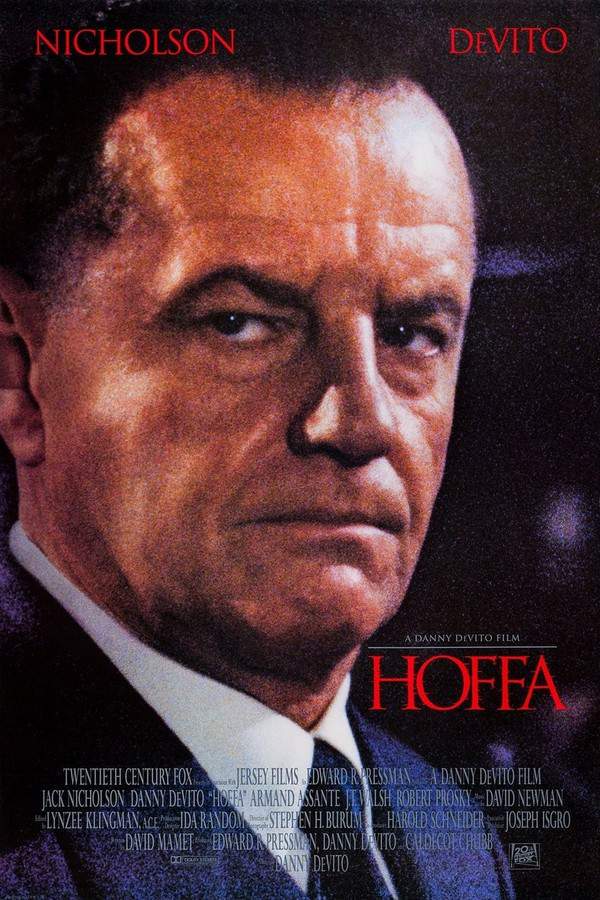
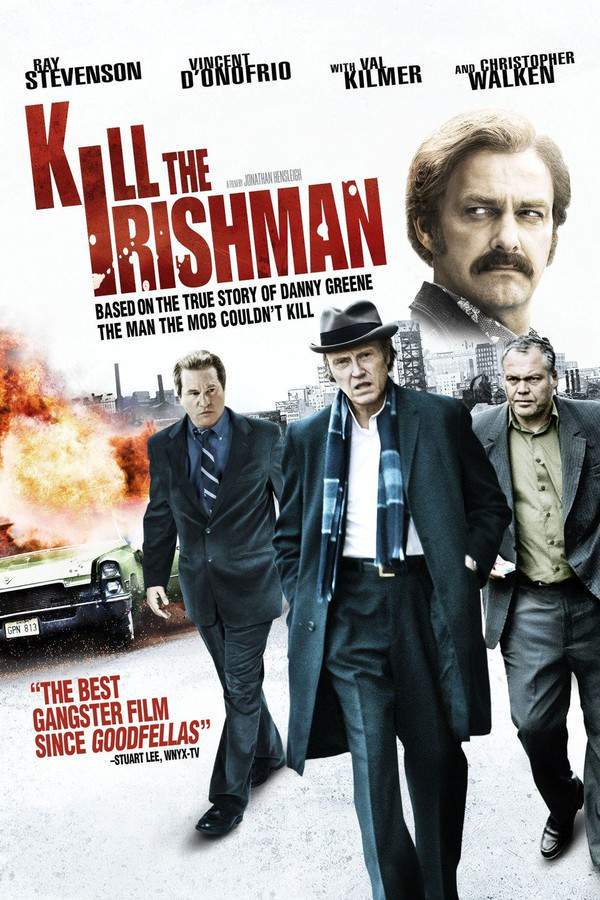

Featured on this page

What's After the Movie?
Not sure whether to stay after the credits? Find out!
Check out our other apps:

SAT Sphere
Build confidence for the Digital SAT.

Mori Atlas
Discover wild places worth protecting.

Luntero
Search smarter for a home in Amsterdam.

Plot Explained
Unravel movie endings and hidden clues.

Pokechamp
Dive into Pokémon data and battle logic.

Driving Theory
Get ready for your European theory test.

Movie Dust
Plan your next cinema trip with ease.

Musemap
Find art and culture as you travel.

Selkobase
Compare credentials before committing.

Local Manual
Turn an unfamiliar country into practical next steps.

Lernavi
Compare school systems before your next move.

GymRoam
Find a workout stop wherever your plans take you.
Explore Our Movie Platform
New Movie Releases (2026)
Famous Movie Actors
Top Film Production Studios
Movie Plot Summaries & Endings
Major Movie Awards & Winners
Best Concert Films & Music Documentaries
Movie Collections and Curated Lists
© 2026 What's After the Movie. All rights reserved.
Privacy Policy