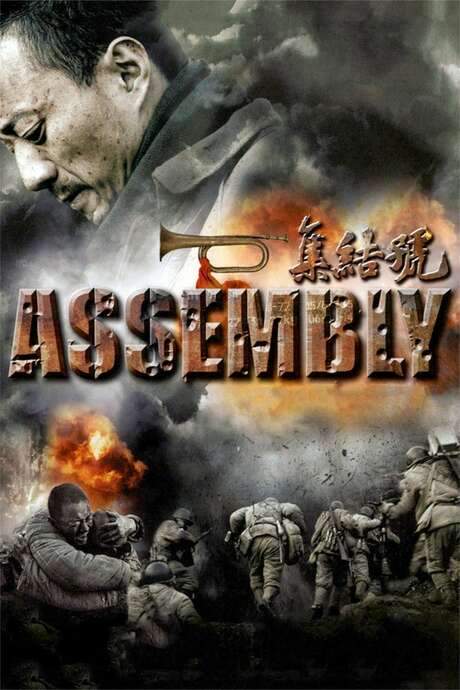
What Is Bethune: The Making of a Hero About?
The premise of Bethune: The Making of a Hero in 340 words, with nothing given away. The full story follows below.
In a China torn apart by conflict and upheaval, the film opens on a landscape where hospitals are makeshift, supplies are scarce, and the very notion of caring for the wounded feels revolutionary. The atmosphere is a blend of stark realism and sweeping idealism, letting the viewer feel the heat of battlefields and the quiet dedication of those who refuse to look away. Against this backdrop, a lone journalist drifts through the remnants of a ceremony, his curiosity sparking a journey that will uncover a story of compassion set amid turmoil.
Norman Bethune arrives as a fiercely principled physician whose commitment to free, accessible medicine drives him deeper into the war‑torn heart of the country. Trained in the West yet disillusioned by its shortcomings, he carries both an experimental spirit and a restless drive to prove that healing can be a weapon against oppression. His marriage to Frances Penny Bethune adds a personal layer of tension: a partnership strained by duty, divergent hopes, and the relentless pull of the front lines. Their dynamic hints at both deep affection and the sacrifices demanded by an unyielding mission.
The narrative is also flavored by the perspectives of those who orbit Bethune’s world. Chester Rice, a determined reporter, follows the doctor’s trail, seeking to understand the man behind the legend. Mao looms as the political tide that both empowers and challenges Bethune’s medical endeavors, while Veronica Dowd, a missionary caught in the crossfire, offers a glimpse of the moral complexities faced by outsiders trying to aid a people in crisis. These voices intertwine, suggesting alliances and conflicts that mirror the broader struggle for a more humane society.
With a tone that balances gritty war reportage and lyrical reverence for human resilience, the film paints a portrait of a doctor whose yearning for justice transcends borders. It invites the audience to contemplate the cost of idealism, the power of compassion in hostile terrain, and the lingering question of how far one can go when the fight for health becomes a fight for humanity itself.
What Happens in Bethune: The Making of a Hero?
The complete story of Bethune: The Making of a Hero, from the first scene to the last, in 696 words (about 3 minutes). Spoilers throughout.
Spoilers ahead
1939, a funeral for Norman Bethune [Donald Sutherland] in China frames the narrative as journalist Chester Rice [Colm Feore] reads about his death in Canada, prompting Rice to recount the extensive research he undertook to understand Bethune’s extraordinary life and mission.
In 1938, Bethune travels to Hankou amid the turmoil of the Second Sino-Japanese War, determined to join the Eighth Route Army. His arrival is hindered by a bombed train carrying his medical supplies, so he and his translator Mr. Tung [James Pax], along with salvaged resources, press on by boat and on foot toward the army’s headquarters in Yan’an. Along the way, Bethune witnesses military actions, including an execution carried out by the National Revolutionary Army, and he admires the work of the People’s Liberation Army as described in his journal.
Once in the field, Bethune uses Frances Penny Bethune [Helen Mirren]’s inheritance to establish a medical practice that offers free care to those who cannot pay. Their marriage, already strained, buckles further when Frances reveals she is pregnant and later seeks an abortion while Bethune believes a child could anchor their relationship. His refusal to terminate the pregnancy sets Frances on a path away from him.
Bethune’s journey intersects with Dowd’s mission; though Missionary Veronica Dowd refuses to move Bethune’s supplies through her area, fearing repercussions from the Japanese and potential deportation, the two share a kiss after a shared dinner, signaling a complex personal entanglement amid war.
Earlier still, Bethune’s medical career takes shape in Canada and beyond. In 1927, he is hospitalized at the Trudeau Sanatorium with tuberculosis and desires a pneumothorax procedure that could cure him, but doctors refuse, fearing it could kill him. He performs the operation on himself, miraculously recovering, and later writes to Frances to return, leading to a remarriage. Under the tutelage of Clifford Archibald [Geoffrey Chater], Bethune trains as a surgeon, and his path crosses with Marie-France Coudaire [Anouk Aimée], whose presence deepens his personal and professional life. The clashes over his high casualty rates and the ethics of care intensify as Archibald challenges his pragmatic approach.
Bethune’s arrival in Yan’an earns Mao’s formal appointment of him as medical adviser to the Eighth Route Army and head of all hospital and medical units. He treats victims of a Japanese air raid, even as local residents hesitate to donate blood for the wounded. The overcrowded hospital and its ragged conditions starkly reveal the dire need for systemic reform, and Bethune openly denounces the prevailing incompetence among his staff, pushing for immediate and practical improvements.
His efforts position him as a vocal advocate for socialized medicine during the Great Depression. A tense meeting with Rice at an art exhibit leads to a heated interview in which Bethune critiques communism and casts a critical eye on the Soviet medical system, even as he later returns from a tour of the Soviet Union praising its approach to healthcare.
Newsreels from the Spanish Civil War fuel Bethune’s anti-fascist stance, and he embarks on speaking tours to condemn fascism and Canadian inaction. He travels to Spain to aid the Republicans, with Rice now serving as his medical assistant and political commissar. Rice’s mounting concerns about Bethune’s treatment of women and his drinking habits culminate in Bethune’s dismissal from the Republican side. Back home, Frances divorces him so she can marry Alan Coleman [Ronald Pickup].
As the war intensifies, Bethune establishes a frontline medical training facility near the fighting, a bold initiative that is ultimately destroyed by Japanese forces. In a moment of peril, Bethune sustains a cut on his finger during surgery and develops sepsis, a chain of events that intensifies the mounting supply shortages and the perilous conditions around the wounded. Dowd, continuing her controversial mission, secretly smuggles in supplies, but her operation is also toppled by Japanese attacks.
Bethune’s life comes to a poignant close as illness and battle fatigue overwhelm him, and his work is honored posthumously by Mao [Zhang Keyao], who eulogizes his dedication and vision for medical care in wartime China. The film paints a portrait of a physician driven by a belief in accessible, humane medicine set against the fog of war and shifting political tides.
Bethune: The Making of a Hero Timeline: Every Key Event in Order
12 key events in the order they happen, from “1927: Self-administered pneumothorax and remission” to “Funeral and international remembrance”. 11 events name a place, across 10 locations.
- 1
1927: Self-administered pneumothorax and remission
Norman Bethune is hospitalized at the Trudeau Sanatorium after contracting tuberculosis. He pushes past medical caution and performs a pneumothorax on himself, triggering a dramatic recovery. This victory leads to a renewed relationship with Frances, and they remarry.
When:1927 Where:Trudeau Sanatorium, Quebec, Canada
- 2
Medical training and early personal ties
After his recovery, Bethune is mentored by Dr. Clifford Archibald, who trains him as a surgeon. He meets Marie-France Coudaire and the two form professional ties that will influence his career. Bethune and Archibald debate high casualty rates and his methods begin to clash with established practice.
When:Late 1920s Where:Canada
- 3
Forced relocation and mission to Yan'an
In 1938, Bethune travels to Hankou to join the Eighth Route Army during the Second Sino-Japanese War. The train carrying his medical supplies is bombed, forcing a perilous journey by boat and on foot toward the army's headquarters in Yan'an. He eventually continues on to Yan'an to begin his medical work with Chinese forces.
When:1938 Where:Hankou and Yan'an, China
- 4
Yan'an appointment and frontline care
Mao appoints Bethune as the medical advisor to the Eighth Route Army and head of all hospital units. He treats victims of a Japanese air raid and immediately confronts the hospital's administrative failures. His reformist zeal clashes with locals who are slow to donate blood and trust his methods.
When:1938-1939 Where:Yan'an, China
- 5
Hospital reform and leadership clashes
Bethune dismisses the head doctor and berates the staff for incompetent care under siege conditions. He pushes for better operating procedures and more organized medical response despite resource shortages. The harsh environment exposes the limits of medical care in wartime Yan'an.
When:1938-1939 Where:Yan'an, China
- 6
Advocacy for socialized medicine
During the Great Depression, Bethune champions socialized medicine and criticizes the existing medical system. He engages in a public exchange with journalist Chester Rice, arguing against certain communist and Soviet models, and later returns from the Soviet Union praising its health system.
When:1930s Where:China and the Soviet Union
- 7
Spanish Civil War engagement
Bethune studies the Spanish Civil War via newsreels and begins a tour condemning fascism. He travels to Spain to aid Republicans, with Rice acting as his medical assistant. Rice becomes a political commissar and reports Bethune for disrespect toward women and drinking, leading to his dismissal from Spain.
When:1937-1938 Where:Spain
- 8
Frances divorces and new marriage
Back in North America and Europe, Frances divorces Bethune so she can marry Alan Coleman. The breakup marks personal turbulence that coincides with Bethune's continued international medical work.
When:Late 1930s
- 9
Frontline medical facility and its destruction
Bethune organizes a medical training facility near the frontline to train relief workers. The facility is destroyed by the Japanese, underscoring the brutal conditions of war. Dowd begins smuggling in supplies in response to the siege.
When:1939-1940 Where:Frontline, China
- 10
Injury, sepsis, and intensified conflict
During a procedure, Bethune cuts his finger and develops sepsis, highlighting the ever-present dangers of frontline medicine. Veronica Dowd continues smuggling supplies as Japanese forces press their advantage.
When:1939-1940 Where:Yan'an/Frontline China
- 11
Bethune's death and Mao's eulogy
Bethune dies while serving on the frontline medical project, and Mao Zedong eulogizes him as a symbol of humanitarian dedication amid war. His death cements his legacy within both Chinese resistance and international medical history.
When:1939 Where:China
- 12
Funeral and international remembrance
Chester Rice reads about Bethune's death in Canada and recounts his research for the Labour Gazette, highlighting how his life bridged Canadian, Chinese, and Soviet spheres. The funeral procession in China memorializes his contributions to war medicine and international solidarity.
When:1939 Where:Canada and China
Who Are the Main Characters in Bethune: The Making of a Hero?
10 characters, among them Norman Bethune (Donald Sutherland), Frances Penny Bethune (Helen Mirren) and Chester Rice (Colm Feore): who each one is and the part they play in the story. Every profile links to the actor’s page.
-
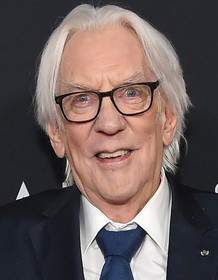
Norman Bethune (Donald Sutherland)
Played by Donald Sutherland
A physician who travels to wartime China to aid the Eighth Route Army. He treats the wounded with salvaged supplies and provides free care to those unable to pay. His unwavering commitment to medicine often clashes with personal relationships and the realities of war, and he dies serving at the front.
- 💉 Medical
- 🕊️ Sacrifice
- 🌍 War-time Ethics
-
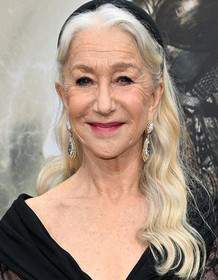
Frances Penny Bethune (Helen Mirren)
Played by Helen Mirren
Bethune's wife whose inheritance funds his practice. Their marriage is strained by illness, ambition, and distance; she becomes pregnant but contemplates abortion, leading to a separation and eventual divorce as circumstances change.
- 💑 Relationship
- 💔 Divorce
- 🍼 Pregnancy
-
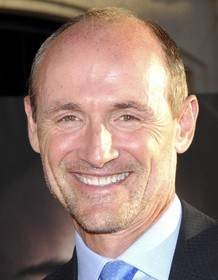
Chester Rice (Colm Feore)
Played by Colm Feore
A Canadian journalist who documents Bethune's work and challenges his perspectives. He encounters Bethune at an art exhibit, interviews him, and later becomes entangled in political feedback as he critiques ideologies and medical systems.
- 🗞️ Journalism
- 🗣️ Debate
- 🎭 Politics
- VD
Veronica Dowd (Helen Shaver)
Played by Helen Shaver
A missionary who initially resists Bethune transporting supplies through her area, fearing repercussions. She later shares a brief romantic moment with him and becomes involved in the broader supply efforts that aid his mission.
- 🤝 Aid
- 💘 Romance
- 🧭 Missionary
- AC
Alan Coleman (Ronald Pickup)
Played by Ronald Pickup
Frances's later husband after her separation from Bethune. His presence marks a turning point in Frances's personal life as the marriage dynamics shift away from Norman.
- 💔 Divorce
- 💑 New Marriage
-
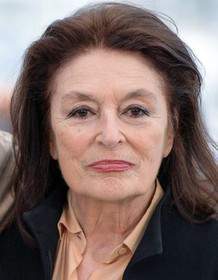
Marie-France Coudaire (Anouk Aimée)
Played by Anouk Aimée
Bethune's encounter with Marie-France Coudaire during his travels; she represents another personal connection that intersects with his life and work in China.
- 💞 Love Interest
- 🌍 Cultural Link
- CA
Clifford Archibald (Geoffrey Chater)
Played by Geoffrey Chater
A mentor who trains Bethune to become a surgeon and debates the high casualty rates Bethune faces. He helps shape Bethune's medical practice and leadership.
- 🎓 Mentorship
- 🧭 Guidance
- MT
Mr. Tung (James Pax)
Played by James Pax
Bethune's translator who facilitates communication with local forces and assists in coordinating medical efforts during their arduous journey.
- 🗣️ Translation
- 🤝 Assistance
- NM
Nurse Mackenzie (Sophie Faucher)
Played by Sophie Faucher
A nurse in Bethune's medical unit who supports frontline care and shares in the challenges of delivering medical service under wartime conditions.
- 🏥 Medical Staff
- 💪 Support
- MZ
Mao Zedong (Zhang Keyao)
Played by Zhang Keyao
Mao appoints Bethune as medical advisor to the Eighth Route Army and later eulogizes him, marking the significance of Bethune's work within Chinese leadership.
- 🧭 Leadership
- 🕊️ History
Where and When Is Bethune: The Making of a Hero Set?
Bethune: The Making of a Hero is set in Hankou, Yan'an and China (1927-1939). Here is why the time and place matter to the story.
When
1927-1939
The timeline begins with Bethune's tuberculosis hospitalization in 1927 and spans through his 1938-1939 mission in China, ending with his death in 1939. It covers the Great Depression era and the global political backdrop that frames his medical and political views. The story culminates in his funeral and Mao Zedong's eulogy.
Where
Hankou, Yan'an, China
The film shifts between Hankou and Yan'an in wartime China during the Second Sino-Japanese War. It highlights medical work conducted in front-line and under-resourced conditions. The settings underscore the human cost of conflict and the effort to bring care to the wounded.
- 🗺️ War-torn China
- 📅 1930s
- 🏥 Battlefield medical care
What Are the Themes of Bethune: The Making of a Hero?
4 ideas the story keeps returning to, among them Medical Heroism, War Ethics and Love & Sacrifice.
-
01
Medical Heroism
Bethune dedicates himself to delivering free medical care to those in need, even when supplies are scarce. The narrative follows his improvisation with salvaged materials to treat the wounded on the front lines. It portrays the personal cost of such selfless service and the perseverance required to heal amid chaos.
-
02
War Ethics
The film places Bethune's humanitarian ideals against the brutal realities of war, including executions and the strain of political pressures. It shows his criticisms of systemic shortcomings, from the Soviet medical system to wartime leadership. The tension between duty and political circumstance drives key moments in the story.
-
03
Love & Sacrifice
Frances Penny Bethune's troubled marriage to Norman unfolds amid their personal and professional strains. The pregnancy and the decision about an abortion become points of conflict, contributing to their eventual separation. The romance and familial sacrifices intersect with his commitment to medicine.
-
04
Socialized Medicine
Bethune is portrayed as an advocate for broader access to medical care during the Great Depression. He builds or guides medical training efforts and pushes for reforms that would improve care for the poor. The theme ties medical practice to social and political ideals he espouses.
What Kind of Film Is Bethune: The Making of a Hero?
Melancholic in tone, with variable pacing and a complex story, going by the plot summary.
- Tone
- Melancholic
- Pacing
- Variable
- Story
- Complex
- Intensity
- High
- Ending
- Bittersweet
A sprawling, melancholic biographical drama that follows a stubbornly idealistic doctor's turbulent life through war zones and political upheaval, creating a heavy yet compelling portrait of sacrifice and fractured relationships.
- sombre
- driven
- ideological
- war-torn
- tense
- tragic
- war medicine
- political idealism
- personal sacrifice
- strained marriage
Content notes: war violence, execution, medical trauma, abortion, terminal illness.
Quiz
How well do you remember Bethune: The Making of a Hero? Test yourself on the story.