What Is Animal Farm About?
The premise of Animal Farm in 247 words, with nothing given away. The full story follows below.
In a secluded English countryside, a modest farm becomes the unlikely stage for a grand experiment in freedom. When the human caretaker, Mr. Jones, drifts into complacency, the resident animals are stirred by a charismatic vision that promises a world without masters. The setting is both bucolic and charged, its rolling fields and weathered barns echoing with the quiet hopes of creatures that have long endured labor under a single rule.
At the heart of this awakening stands the venerable boar Old Major, whose impassioned speech plants the seed of rebellion, inviting every creature—from the sturdy horse Boxer to the watchful border collie Jessie—to imagine a future governed by equality. As the idea spreads, a council of outspoken pigs begins to shape the emerging doctrine, each bringing a distinct temperament: the idealistic planner Snowball, the shrewd strategist Napoleon, and the silver‑tongued propagandist Squealer. Their differing approaches hint at an inevitable clash of philosophies, setting the tone for a narrative that balances earnest optimism with the undercurrents of ambition.
The film’s atmosphere blends farmyard realism with allegorical grandeur, using the animals’ simple lives to explore complex themes of governance, loyalty, and the fragile nature of utopian dreams. Light‑hearted moments of camaraderie are interwoven with a growing sense of tension as the community grapples with the responsibilities of self‑rule. Through vivid world‑building and nuanced character dynamics, the story invites viewers to contemplate how the purest aspirations can be both a source of hope and a catalyst for unforeseen challenges.
What Happens in Animal Farm?
The complete story of Animal Farm, from the first scene to the last, in 1,072 words (about 5 minutes). Spoilers throughout. Names in the text link to 5 cast member pages.
Spoilers ahead
Mr. Jones, Pete Postlethwaite, the owner of Manor Farm, invites the Pilkingtons to a gathering to talk about his debts, setting the stage for a quiet yet pivotal gathering of the animals. In the barn, Old Major, Peter Ustinov the revered Middle White boar, shares a radical vision: humanity is the true enemy, and a united revolution could lead to a future of equality and prosperity for every animal. He teaches them a stirring song, “Beasts of the World,” a moment that stirs hope and courage among the livestock. But the celebration is cut short when Jones, drawn by the noise, investigates and tragically shoots Major, a brutal reminder of how fragile life can be in a world dominated by humans.
Jones heads into town for a drink, leaving the animals unfed. When he returns, Boxer, Manor Farm’s sturdy shire horse, helps the animals break into the food shed, a bold act that kindles a spark of rebellion. The power dynamic shifts quickly as the animals force Jones, his wife, and the local men off the farm and into town. With Jones gone, a new order begins to take shape. Snowball, a large White boar, rises to leadership and renames the property Animal Farm, signaling a rejection of the old regime. The Seven Commandments of Animalism are drafted, initially meant to guide all animals toward harmony and mutual aid.
Jessie, a border collie, becomes a key maternal figure on the farm as she gives birth to puppies, signaling the growth of a new generation under the animal-led rule. Julia Ormond brings Jessie to life, and her presence marks the intimate, personal side of life on the reforming farm. Two other intelligent voices quickly join the leadership circle: Napoleon, a shrewd Berkshire boar, and Squealer, a nimble Tamworth boar, who convene a discreet gathering to consolidate power. Pincher, a rottweiler, swears loyalty to them and plays a crucial role in training the newborn canine guards. As the new regime takes hold, the pigs begin to hoard essentials—apples and milk—carefully keeping these resources for themselves, a quiet departure from the egalitarian promises that sparked the initial rebellion.
To safeguard their revolution and keep rivalries at bay, the pigs intensify their control and project a sense of inevitability about the farm’s future. The neighboring farmer Pilkington, a figure who embodies the outside world’s temptations and threats, leads an invasion into Animal Farm with villagers, testing the animals’ resolve. Snowball anticipates this danger and orchestrates a formidable defense, and the invaders retreat in confusion. Some on the outside begin to question whether cooperation with the animals might be possible down the line, underscoring the complexity of rebellion in an ever-shifting power landscape.
Snowball proposes a windmill project designed to improve living conditions for all animals by providing electricity and cooling the burden of hard labor. But Napoleon, Patrick Stewart from behind the scenes, opposes Snowball and orders the grown puppies—raised under his direct supervision—to drive Snowball from the farm. The windmill becomes a symbol of competing visions for the farm’s future, and Napoleon asserts that the pigs will decide the farm’s course, reshaping the original egalitarian ideals into a hierarchy that favors the pigs’ needs.
As the windmill project gathers momentum, Pilkington learns that some of the animals can speak English and barter with them, hinting at a broader, more interconnected world beyond the fences. Jessie reveals that the pigs have been living in the farmhouse and sleeping in beds, a breach of the original commandments—an early sign that the leadership is bending the rules to suit its own preferences. Napoleon and Squealer, Ian Holm the quick-witted propaganda architect, quietly alter the sleeping-in-beds commandment to cover the pigs’ behavior, a small, yet telling concession to power.
Nightly, the regime tightens its grip. At the Red Lion Inn, Pilkington mocks Napoleon’s inexperience, exploiting the power imbalance by trading cheap farm equipment for influence. Inside Animal Farm, Napolean further reframes control: food shortages justify eggs for the market as a necessity, and when the hens resist, Napoleon imposes a cruel decree, punishable by death for defiance. Squealer’s propaganda machine churns, making the new rules seem like the only viable path forward, even as the alcohol and killing commandments are quietly renamed to emphasize restraint rather than excess.
The windmill’s construction continues, but tragedy interrupts the progress when Boxer, the loyal horse, is seriously injured. When the time comes to transport him away, Jessie and Benjamin perceive that the van is headed to the glue factory, a grim fate that underscores the farm’s terrifying transformation from liberation to manipulation. Napoleon secures a cold victory by selling Boxer to the glue factory, a stark betrayal of the very ideals that sparked the rebellion. The film captures a chilling moment as Pilkington and the pigs share a quiet triumph, with Pilkington’s sympathy for the animals giving way to a cynical grin as the deal is sealed.
That night, Jessie observes Napoleon and Pilkington dining together in the farmhouse, a symbolic pairing that highlights the blurred lines between oppressor and ally. Napoleon’s leadership becomes increasingly indistinguishable from the oppressive forces of Jones and Pilkington, and Jessie can only watch as the two seem to fuse into a single political persona. The aging creatures realize that the final commandment—“All animals are equal”—has been reshaped to read: “but some animals are more equal than others.” The revelation leaves Jessie, Benjamin, Muriel, and other animals deeply unsettled as they recognize the betrayal that has taken place within their ranks.
With the decades passing, the regime’s tyranny continues, and the remaining animals eventually flee or fade from the farm’s memory. When outsiders reclaim the land years later, the state of the farm appears ruined, and Napoleon and Squealer appear to have fallen under the very rule they once claimed to overthrow. Yet a few animals endure, including Jessie’s puppies who now recognize her as their mother. A new family purchases the farm, and the survivors vow to teach the next generation to avoid the same mistakes that led to Jones’s downfall and Napoleon’s rise.
In the end, the tale of Animal Farm remains a stark reminder of how power can deform ideals and how easily a revolution can become a repetition of the very oppression it sought to end. The animals’ long journey—from hopeful collective action to a rigid, self-serving hierarchy—serves as a cautionary chronicle about leadership, loyalty, and the delicate balance between equality and control.
Animal Farm Timeline: Every Key Event in Order
15 key events in the order they happen, from “Old Major's speech and the call for Animalism” to “Years later: the farm’s legacy and a new beginning”. 15 events name a place, across 5 locations.
- 1
Old Major's speech and the call for Animalism
Old Major the Middle White boar gathers the animals in the barn and explains that humans are their oppressors and that they could overthrow them through revolution. He envisions a future of equality and prosperity for all animals. He also teaches them a song, 'Beasts of the World', to unite them in their cause.
Where:Barn (Manor Farm)
- 2
Jones shoots Old Major during the gathering
While the animals sing, Jones investigates the noise and accidentally shoots and kills Old Major with a shotgun. The act shocks the animals and foreshadows the coming struggle for control. The barn becomes a grave marker for the old order.
Where:Manor Farm – Barn
- 3
Jones goes to town and the animals revolt
Jones goes into town for a drink, leaving the animals unfed. Upon returning, Boxer helps break into the food shed, and the noise wakes Jones. The animals chase him, his wife, and the men out of the farm and into town.
Where:Manor Farm
- 4
Snowball takes control and renames the Farm
Snowball emerges as leader and renames the farm 'Animal Farm'. He and the other pigs begin to establish an Animalist system and set the Seven Commandments to guide the new society. The meeting marks a shift toward self-rule for the animals.
Where:Animal Farm
- 5
Puppies born and taken for training
Jessie gives birth to puppies, which Napoleon and Squealer secretly take to train as loyal enforcers. The pups grow under the dogs' discipline, increasing the pigs' power over the other animals. This secret program foreshadows the regime's militarized rule.
Where:Animal Farm
- 6
Pigs hoard apples and milk
The pigs secretly begin hoarding apples and milk, claiming they need them to preserve their health for leadership. The other animals notice growing privilege and growing suspicion about the disparity. The hoarding fuels resentment and demonstrates the inequality forming under the Revolution.
Where:Animal Farm
- 7
Pilkington invades; Snowball's windmill plan; counterattack
Pilkington leads an invasion of Animal Farm and the animals prepare to defend their newly won territory. Snowball has plotted a windmill project to improve the animals' lives, and the farm's defense leads to a fierce counter-attack; the men retreat back to town. Pilkington, impressed by the animals' resolve, considers collaborating with them rather than fighting.
Where:Animal Farm
- 8
Snowball ousted; windmill project continues under Napoleon
Snowball's windmill plan becomes central to the farm's future prosperity. Napoleon uses his influence to drive Snowball out of the farm with the help of the trained dogs. After Snowball's expulsion, the pigs declare that they will decide the farm's future and begin building the windmill themselves.
Where:Animal Farm
- 9
Commandments altered; privileges for pigs revealed
Napoleon and Squealer secretly revise the Seven Commandments to justify privileges for the pigs. The sleeping-in-beds rule is watered down, and the farmhouse privileges are normalized for the leadership. Jessie discovers pigs living in the farmhouse and sleeping in beds, revealing the altered commandments to the others.
Where:Animal Farm
- 10
Pilkington's Red Lion Inn encounter
At the Red Lion Inn, Pilkington mocks Napoleon's default strategies and jokes about buying him cheap farm equipment. The encounter reveals the ongoing manipulation of human relationships and how leaders are exploited by outsiders. The moment underscores the distance between the ruling pigs and the workers.
Where:The Red Lion Inn
Show the other 5 events of Animal Farm Hide the last 5 events
- 11
Hen eggs requisition and death penalties
During a food shortage, Napoleon orders the hens to surrender their eggs to the market. The hens resist, and Napoleon decrees that disobedience will be punished by death. The regime's brutality deepens as propaganda follows to justify the terror.
Where:Animal Farm
- 12
Boxer injured and sold to the glue factory
Boxer sustains a serious injury while the animals rebuild the windmill, symbolizing the cost of the regime's ambitions. When the time comes to retire him, Napoleon sells Boxer to the glue factory, betraying his lifelong loyalty. The act reveals the depth of the pigs' corruption.
Where:Animal Farm
- 13
Farm name restored to Manor Farm
Napoleon orders the farm's name to be changed back to Manor Farm, signaling a full reversal of the revolution's original ideals. The animals notice the growing resemblance between their rulers and the humans they overthrew. The line between oppressors and leaders has blurred.
Where:Manor Farm
- 14
Final commandment corrupted: 'Some are more equal'
The final commandment is rewritten to read that 'All animals are equal, but some are more equal than others.' The pigs flaunt their privileges while the other animals realize the leaders mirror the very humans they toppled. A sense of betrayal and cynicism settles over the farm.
Where:Animal Farm
- 15
Years later: the farm’s legacy and a new beginning
Years after Napoleon's tyranny ends, the escaped animals return to survey the farm's ruins and see the signs of the old regime's collapse. They find Napoleon and Squealer dead, leaving a few survivors, including Jessie's puppies who recognize her as their mother. A new family purchases the farm, and Jessie vows to help them avoid Jones and Napoleon's mistakes.
Where:Manor Farm
Who Are the Main Characters in Animal Farm?
13 characters, among them Snowball (voice), Napoleon (voice) and Squealer (voice): who each one is and the part they play in the story. Every profile links to the actor’s page.
-
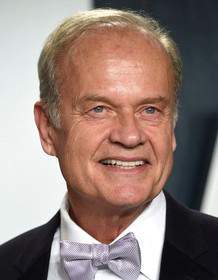
Snowball (voice)
Played by Kelsey Grammer
Ambitious, articulate boar who leads after Major's death and champions the windmill and education for the animals. He is a strategic thinker who inspires revolutionary ideals but is ultimately driven out by Napoleon's scheming.
- 🐷 Revolutionary
- 🧭 Leadership
- 🎯 Ambition
-
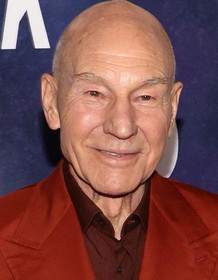
Napoleon (voice)
Played by Patrick Stewart
Power-hungry boar who uses fear and propaganda to seize control. He quietly rewrites laws, commands the dogs, and gradually elevates his own status while the others bear the burden.
- 🐷 Dictator
- 🗣️ Propaganda
- 🧭 Control
-
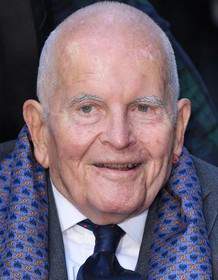
Squealer (voice)
Played by Ian Holm
Propagandist pig who spreads manipulated statistics and rewrites the farm's history to justify the pigs' privileges. He smooths over contradictions and silences dissent with a silver tongue.
- 🗣️ Propaganda
- 🧠 Manipulation
- 📜 Rhetoric
-
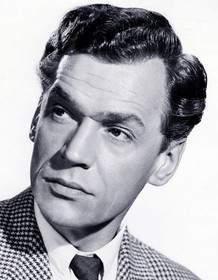
Boxer (voice)
Played by Paul Scofield
Stalwart, strong, and loyal workhorse who embodies the revolution's ethos. He accepts hard labor and the windmill's promise, trusting the leadership, until his fate reveals the regime's betrayal.
- 🐎 Labor
- 💪 Strength
- 🧭 Loyalty
-
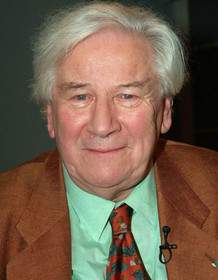
Old Major (voice)
Played by Peter Ustinov
Wise elder boar whose speech inspires the rebellion and outlines Animalism. His ideas seed the revolution and endure in the animals' songs and slogans before he dies.
- 🐷 Visionary
- 📜 Philosophy
- 🗺️ Ideals
-
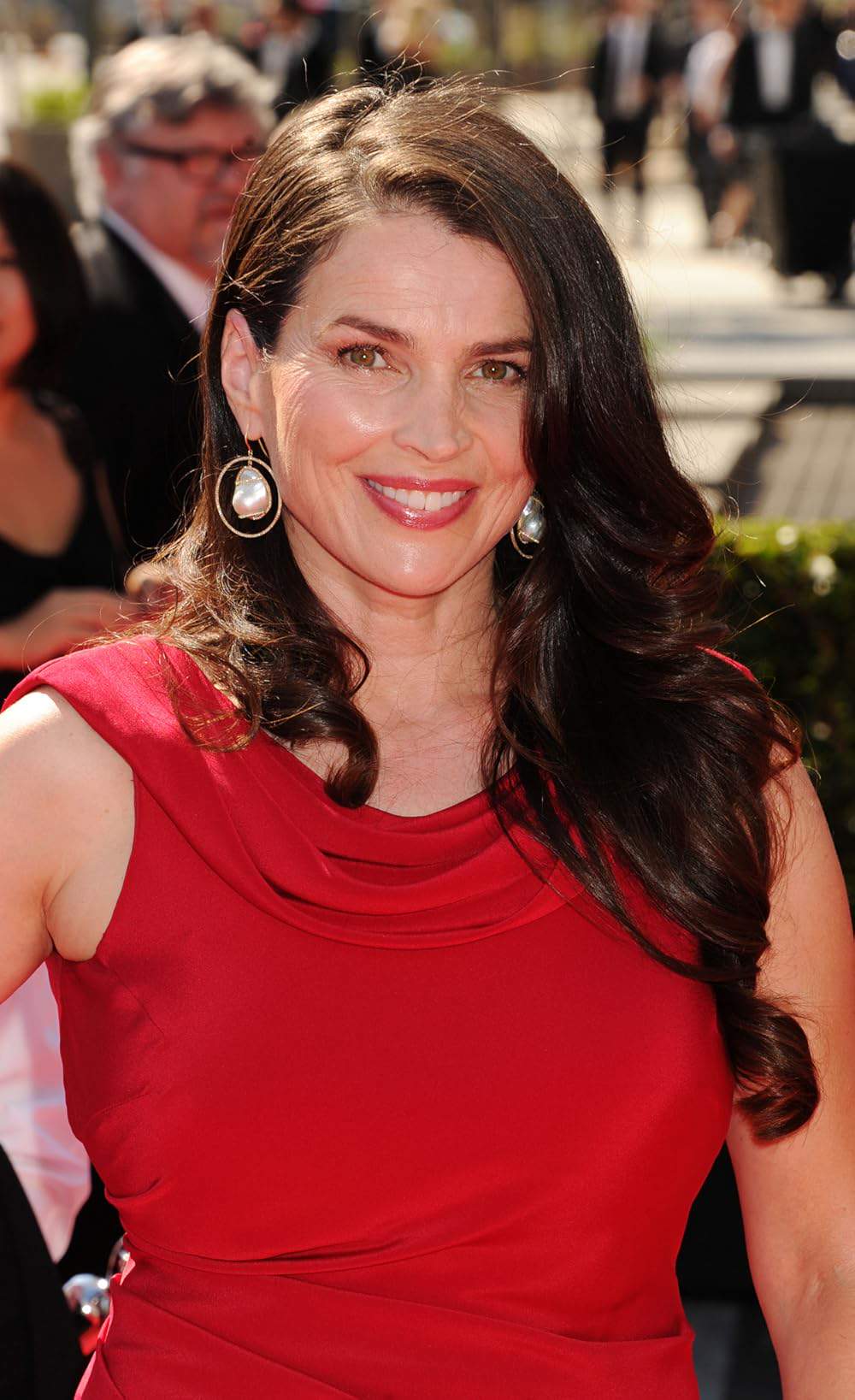
Jessie (voice)
Played by Julia Ormond
Border collie who births the puppies; motherly and vigilant. She watches the pigs' corruption with wary eyes and acts as a voice of concern for the younger animals.
- 🐶 Protective
- 🐾 Maternal
- 🗨️ Skeptic
- M(
Mollie (voice)
Played by Julia Louis-Dreyfus
Mare who values ribbons and sugar; she prioritizes personal comfort over revolutionary ideals. Her arc shows how some animals resist collective change in favor of self-interest.
- 🐴 Vanity
- 🎀 Comfort
- 🧭 Self-interest
-
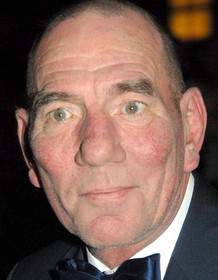
Benjamin (voice)
Played by Pete Postlethwaite
Wise donkey and skeptic who views events with quiet cynicism. He provides a counterpoint to the rising regime, noting the absurdities of the leaders.
- 🗨️ Skepticism
- 🧠 Insight
- 🕊️ Pragmatism
-
Farmer Jones
Played by Pete Postlethwaite
Original owner who neglects the animals; his absence triggers the revolt and the subsequent cycle of power on the farm.
- ⚒️ Neglect
- 🗺️ Catalyst
- 🛑 Oppression
- P
Pilkington
Played by Alan Stanford
Neighboring farmer who interacts with the pigs at a distance; his opportunism and distant diplomacy mirror the external political world beyond the farm.
- 🌍 Diplomacy
- 🗺️ Trade
- 🤝 Opportunism
- MJ
Mrs. Jones
Played by Caroline Gray
Original owner's wife who is largely absent; her neglect underscores the animals' desire for self-rule and autonomy.
- 👩🌾 Neglect
- 🏚️ Absence
- 🛡️ Fear
- M/
Moses / Pincher
Played by Charles Dale
Moses the raven who speaks of a paradise beyond the farm and Pincher the dog who guards the pigs, serving as tools of the regime's control and rumor-spreading.
- 🕊️ Religion
- 🐕 Loyalty
- 🗣️ Rumor
- D
Dennis
Played by Jimmy Keogh
Minor character credited in the cast; not central to the main events described in the summary.
- 👦 Minor
- 🧭 Supporting role
Where and When Is Animal Farm Set?
Animal Farm is set in Manor Farm and Animal Farm. Here is why the place matters to the story.
Where
Manor Farm, Animal Farm
Manor Farm sits in the English countryside and becomes Animal Farm after the animals' uprising. The farm serves as a microcosm for power, where the animals seek equality but power-hungry leaders bend the rules. Its barns, windmill, and fields anchor the story’s shifts in control. The setting is a closed environment where human and animal relationships drive the plot.
- 🌾 Rural setting
- 🏚️ Allegorical farm
- 🗺️ English countryside
What Are the Themes of Animal Farm?
4 ideas the story keeps returning to, among them Power, Propaganda and Control.
-
01
Power
Power corrupts quickly on Animal Farm as Napoleon consolidates control after expelling Snowball. The pigs rewrite the commandments to justify privilege and ensure obedience from other animals. They use fear, intimidation, and selective punishment to silence dissent. The farm becomes a mirror of a tyrannical regime where everyone is theoretically equal, but a few rule with impunity.
-
02
Propaganda
Propaganda shapes the animals' perception of reality as Squealer spreads manipulated statistics and rewrites the farm's history to justify the pigs' privileges. The slogan about equality evolves into a hierarchy that favors the pigs. Language is bent to justify trade with humans and other privileges, while factual memory is eroded. Lies become accepted truths because the animals lack a counter-narrative.
-
03
Control
Control is maintained through political theater, rules, and a coercive police state in the form of the dogs. The windmill becomes both a symbol of progress and a demand for labor, used to harvest obedience. Rituals and the constant revision of commandments enforce the new order. The leaders manipulate law to hide exploitation behind a veneer of collective good.
-
04
Betrayal
Friendships and loyalty are betrayed as those in power silence rivals and crush dissent. Snowball is exiled, and Boxer is sold to the glue factory, revealing the cost of idealism. The alliance with neighboring farmers shifts as Napoleon pursues self-interest. The once-shared dream becomes a tool of oppression as trust erodes.
What Kind of Film Is Animal Farm?
Dark in tone, with steady pacing and a moderate story, going by the plot summary.
- Tone
- Dark
- Pacing
- Steady
- Story
- Moderate
- Intensity
- Medium
- Ending
- Bleak
A somber and cautionary political allegory that steadily charts a hopeful revolution's grim descent into oppressive tyranny, leaving a lasting feeling of cynical reflection on the corrupting nature of power.
- oppressive
- cautionary
- somber
- cynical
- betrayal
- political
- political corruption
- revolution
- power dynamics
- propaganda
Content notes: animal death, political execution, betrayal, psychological manipulation, death of a major character.
Quiz
How well do you remember Animal Farm? Test yourself on the story.