What Is Animal Farm About?
The premise of Animal Farm in 265 words, with nothing given away. The full story follows below.
When financial collapse forces Farmer Jones to lose his property, the animals of Manor Farm find themselves facing an uncertain and terrifying fate. Confronted with the prospect of losing everything they have ever known, a thoughtful sow named Snowball recognizes that their survival depends on taking drastic action. What begins as a desperate bid for existence transforms into something far more ambitious — a full-scale rebellion that drives out their human oppressors and establishes a revolutionary new society.
Renamed Animal Farm, their newfound home operates under a carefully crafted code of laws designed to prevent the animals from repeating the mistakes of their former masters. The promise of equality and shared prosperity fills the air as creatures who once lived in servitude discover the thrill of self-determination. Yet establishing autonomy proves far more complex than simply raising a flag, and the animals must quickly learn skills they were never taught while navigating the practical realities of their bold experiment.
As the farm takes shape, philosophical divisions begin to surface among its leaders. Napoleon, a pig whose vision for Animal Farm diverges sharply from Snowball’s idealistic approach, represents a growing tension at the heart of their revolution. The animals find themselves caught between competing dreams for their future, forced to question whether their hard-won freedom can withstand the pressures of leadership, external threats, and the seductive allure of power itself. In a world where the oppressed have become the architects of their own destiny, the greatest challenge may lie not in defeating their enemies — but in remaining true to the ideals that sparked their rebellion.
What Happens in Animal Farm?
The complete story of Animal Farm, from the first scene to the last, in 667 words (about 3 minutes). Spoilers throughout. Names in the text link to 6 cast member pages.
Spoilers ahead
Manor Farm is repossessed after Farmer Jones falls behind on his mortgage, and the bank plans to sell the property to Pilkington Industries. The ruthless Frieda Pilkington, Glenn Close, aims to slaughter the livestock, turning what begins as rumors of a vacation into a grim reality for the animals. A sow named Snowball, Laverne Cox, quickly sees through the deception and rallies the animals to stand up against their human oppressors. Their defiant stand becomes a full-blown rebellion, and they drive out the human owners, renaming the farm “Animal Farm.”
With Snowball at the helm, the animals institute an autonomous government and draft a code of laws intended to keep them from slipping into the very habits they despise in humans. The new order is hopeful at first, a promise of equality and stewardship that reflects their best intentions. The farm becomes a living experiment in self-rule, where the animals learn to manage chores, trade, and decision-making in a collective effort to protect their own interests.
Yet internal tensions begin to surface as power shifts. Napoleon, Seth Rogen, emerges as a rival to Snowball’s vision. He objects to Snowball’s plan to build a watermill, arguing that it distracts the group from practical needs. Napoleon works to sway the others, portraying Snowball as a hindrance to freedom, and gradually pushes Snowball out of a leadership role. The bank’s demand for a $1,000 monthly loan payment adds pressure, testing the farm’s ability to sustain itself without human support. The animals improvise by running a market, using the revenue to shop at Pilkington’s mall, a move that complicates their ideals and foreshadows the creeping influence of outside interests.
Pilkington’s aid and the pigs’ manipulation blur the lines between ally and adversary. The pig faction, led by Napoleon and aided by his flunkey Squealer, Kieran Culkin, begins distorting the rules of their own revolution to grant favors to the pigs and even some humans. They rewrite memories and retell history to justify their growing privilege, convincing many animals that their origins were misremembered and that the new system is about mutual benefit rather than betrayal.
Time wears on, and life on Animal Farm grows harsher for most of the animals while Napoleon and the pigs enjoy a more comfortable, even luxurious, lifestyle. The once-idealistic dream darkens as the leadership becomes increasingly indistinguishable from the humans they overthrew. Snowball’s former protégé, Lucky, Gaten Matarazzo, begins to question the regime, especially as Puff leaves the farm under bleak conditions. Lucky’s doubts deepen when Napoleon hints at selling off non-pig residents, an idea that sickens many of the loyal animals.
The spark of rebellion is rekindled when the donkey Benjamin’s weathered wisdom inspires a plan to confront Napoleon during a public address to Pilkington’s company. A catastrophic dam break threatens the entire farm, flooding the fields and trapping the animals on a water tower. In the ensuing confrontation, Napoleon is confronted by Lucky, and the struggle ends with Napoleon drowning as he is overwhelmed by the flood’s force and the collapsing tower. With the tyrant gone, the animals look toward the stars, uncertain yet momentarily hopeful about whatever future might lie ahead for Animal Farm.
Benjamin, the elderly donkey who has long observed the rise and fall of revolutions, remains a quiet witness to the changes around him, offering quiet commentary as the animals navigate a world that is less ideal than they once imagined. Kathleen Turner lends Benjamin a patient, enduring presence that underscores the toll of leadership and memory on a community trying to survive.
In the end, the exhale of relief is tempered by the losses suffered, and the survivors—led by a mix of fear, resilience, and stubborn hope—look up to the night sky and wonder what comes next for a place that has tried so hard to be free, yet has learned that freedom is a continuous work in progress. Inside Animal Farm, the story remains a quiet meditation on power, loyalty, and the delicate balance between equality and control.
Animal Farm Timeline: Every Key Event in Order
13 key events in the order they happen, from “Manor Farm repossessed and sold to Pilkington Industries” to “Dam breaks; flood; final downfall; Napoleon drowns”. 13 events name a place, across 8 locations.
- 1
Manor Farm repossessed and sold to Pilkington Industries
The bank repossesses Manor Farm after Farmer Jones fails to keep up mortgage payments. The farm is put up for sale and the new buyer is Pilkington Industries, led by the ruthless Frieda Pilkington who intends to slaughter the livestock. The animals realize their futures may be bleak under human ownership.
When:Day of repossession Where:Manor Farm
- 2
Animals mistaken as vacation to a laughterhouse
As they are driven away, the animals initially believe they are being taken on a vacation to a laughterhouse. Snowball quickly discerns their true fate and urges action. The mood shifts from hope to fear as reality sinks in.
When:Immediately after capture Where:Manor Farm outskirts
- 3
Snowball advocates rebellion and freedom
Snowball volunteers to lead the animals in resisting their human captors. The animals gather in the barn to discuss a plan for self-rule and organize a surprise move against their owners. Snowball's charisma helps rally the others to the cause.
When:Soon after initial realization Where:Barn
- 4
Animals overthrow humans and rename to Animal Farm
The animals drive the humans off the farm and seize control. They rename the property Animal Farm and declare a new, self-governed order based on equality. A code of laws is drafted to prevent the animals from becoming like the humans they overthrew.
When:Night of uprising Where:Animal Farm
- 5
Snowball implements a code of laws
Under Snowball's leadership, the animals establish a basic government and draft a code of laws. The laws are meant to codify equality and forbid the tyranny they experienced from humans. The administration struggles with practicalities but is hopeful about self-rule.
When:Following rebellion Where:Animal Farm
- 6
Napoleon ousts Snowball and takes control
Napoleon opposes Snowball’s plan to build a watermill, arguing that it will hamper the animals' freedom. In a swift power play, Napoleon forces Snowball into exile and takes control of Animal Farm. The pigs begin to consolidate power and slowly rewrite the governance.
When:Soon after rebellion Where:Animal Farm
- 7
Bank demands $1,000 monthly payment
The bank requires Animal Farm to pay $1,000 per month, a condition meant to ensure the farm's failure. The animals initially fear they cannot meet the obligation. They brainstorm alternatives to raise the funds.
When:After Snowball's exile Where:Farm Office / Bank
- 8
Animals raise funds through a market and shop at Pilkington's mall
To cover the loan, the animals organize a local market that generates revenue for the farm. They accumulate funds by selling produce and other goods, using the profits to buy things at Pilkington's mall in the human world. The scheme blurs the line between solidarity and complicity with human prosperity.
When:Shortly after funding plan Where:Market and Pilkington's mall
- 9
Pilkington allies with Napoleon; Squealer rewrites rules
Pilkington, eager to own the farm, forms an alliance with Napoleon and the pigs, granting them free goods. Squealer helps twist memories and laws to favor the pigs and humans alike. The remaining animals begin to accept a new, unequal order.
When:After alliance Where:Animal Farm
- 10
Life on the farm grows miserable while pigs enjoy affluence
The other animals suffer under increasingly harsh conditions as the pigs enjoy luxuries and act more like humans. Food and labor are skewed toward the pig faction, and the code of equality is eroded. The appearance of freedom gives way to a quiet, pervasive oppression.
When:Ongoing after alliance Where:Animal Farm
Show the other 3 events of Animal Farm Hide the last 3 events
- 11
Lucky questions the regime; Puff leaves; plan to sell non-pigs disclosed
Lucky, Snowball's protégé, begins doubting the regime after Puff's departure raises concerns. Napoleon explains his plan to sell all animals that are not pigs, intensifying fear and control. Benjamin the donkey quietly nudges resistance and doubt.
When:Mid-late stage Where:Animal Farm
- 12
Lucky and others plan to ridicule Napoleon
Motivated by anger, Lucky and the other animals devise a plan to ridicule Napoleon as he speaks to Pilkington's company. They aim to expose the regime's hypocrisy and shake its grip on the workers. The act signals a final, desperate bid for rebellion.
When:Late-stage Where:Pilkington's company address
- 13
Dam breaks; flood; final downfall; Napoleon drowns
A dam gives way and floods the farm, forcing the animals onto the water tower. Napoleon confronts Lucky but is overwhelmed and drowns, ending his rule. With the tyrant gone, the animals look up at the stars and wonder about their uncertain but hopeful future.
When:Climax Where:Water tower / Farm
Who Are the Main Characters in Animal Farm?
12 characters, among them Old Major (Andy Serkis), Mr. Jones (Andy Serkis) and Snowball (Laverne Cox): who each one is and the part they play in the story. Every profile links to the actor’s page.
-
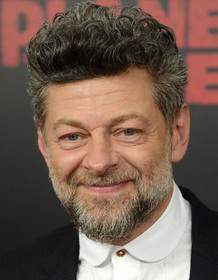
Old Major (Andy Serkis)
Played by Andy Serkis
A visionary elder who inspires the animals with revolutionary ideals and a call for equality. His speeches plant the seeds of rebellion, though his death leaves a leadership vacuum. He is remembered as the spark that begins the transformation of Manor Farm into Animal Farm.
- 🧠 Visionary
- 🐷 Leader
- 🕊️ Inspiration
-
Mr. Jones (Andy Serkis)
Played by Andy Serkis
The negligent owner of Manor Farm whose mismanagement triggers the uprising. His ouster marks the animals’ first major victory and the moment when they attempt to run the farm without human rule. His absence exposes the fragility of power and the temptation of a harsher regime.
- 🏚️ Oppressor
- ⚖️ Failure of governance
- 🧭 Outcast
-
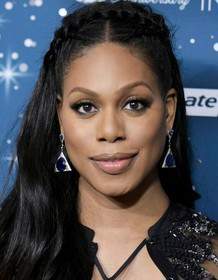
Snowball (Laverne Cox)
Played by Laverne Cox
A pig with clear strategic brilliance and a passion for reform. Snowball leads the revolt and champions the windmill project as a symbol of progress. He becomes a rival to Napoleon, facing exiling under manipulation and political infighting.
- 🔥 Idealist
- 🎯 Strategist
- 🧭 Visionary
-
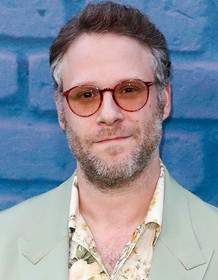
Napoleon (Seth Rogen)
Played by Seth Rogen
The cunning and power-hungry pig who consolidates control after Snowball’s expulsion. He manipulates the other animals, leverages Squealer’s propaganda, and allies with human interests to advance his own dominance. His rule marks a return to tyranny under a different guise.
- 👑 Tyrant
- 🗣️ Propagandist
- 🧭 Strategist
-
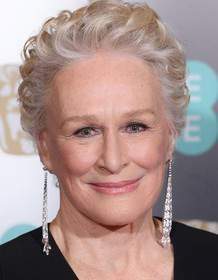
Frieda Pilkington (Glenn Close)
Played by Glenn Close
The ruthless owner of Pilkington Industries who intends to slaughter the livestock. She becomes a powerful human ally to Napoleon, supplying resources and shaping the farm’s economic ties. Her presence highlights the blurring lines between human and animal governance.
- 💰 Ruthless
- 🧭 Strategist
- 🏢 Corporate
- SA
Snowball’s ally Puff / Tammy (Iman Vellani)
Played by Iman Vellani
A member of the new order who participates in the early days of governance and later faces the consequences of the regime’s shifting power dynamics. Puff’s fate underscores the precarious position of dissent within the system.
- 🗣️ Messenger
- 🧭 Curious
-
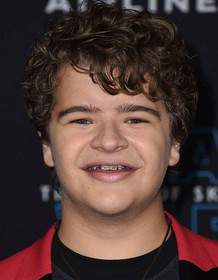
Lucky (Gaten Matarazzo)
Played by Gaten Matarazzo
An elderly donkey who becomes disillusioned with the regime. He questions Napoleon’s plans and aligns with Benjamin in seeking a more honest future. His journey reflects the struggle between loyalty and critical thinking within a manipulated society.
- ⚖️ Doubtful idealist
- 🧭 Questioning
- 🐴 Donkey
-
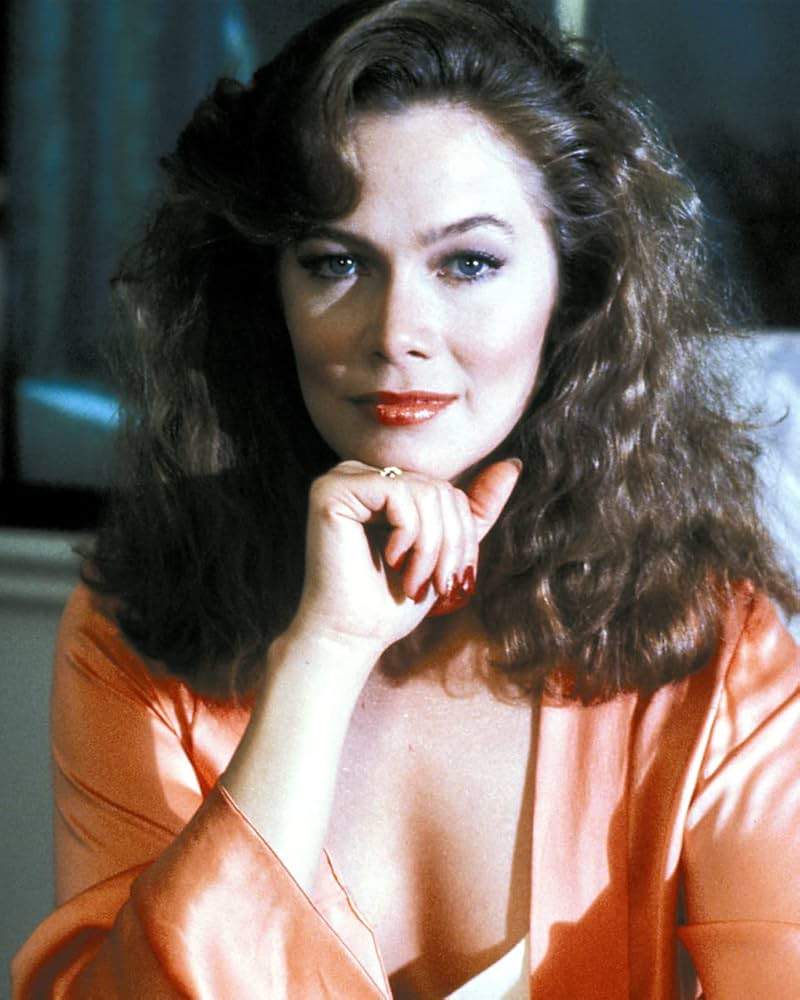
Benjamin (Kathleen Turner)
Played by Kathleen Turner
An elderly donkey who remains wise and skeptical amid the regime’s propaganda. He serves as a quiet counterweight to the more outspoken animals, reminding others of past inequalities and the danger of repeating them. His calm presence inspires others to think critically.
- 🧠 Wise
- 🐴 Donkey
- 🕯️ Veteran
-
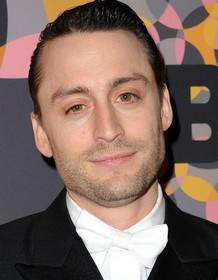
Squealer (Kieran Culkin)
Played by Kieran Culkin
Napoleon’s persuasive mouthpiece who distorts facts to justify the pigs’ privileges. He champions the shifting laws and reshapes memories to maintain control. His rhetoric is central to the regime’s ability to manipulate the other animals.
- 🗣️ Propagandist
- 🧠 Tactician
- 🐷 Pig
-
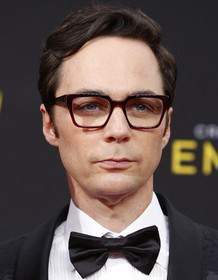
Carl (Jim Parsons)
Played by Jim Parsons
A member of the animal community whose role underscores the everyday concerns of farm life under a changing order. He contributes to the dialogue about governance and the evolving social rules.
- 🧠 Thinker
- 🐾 Animal resident
-
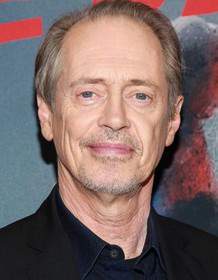
Mr. Whymper (Steve Buscemi)
Played by Steve Buscemi
The outside human intermediary who negotiates with the farm on its behalf. He symbolizes the ongoing connection between Animal Farm and the outside world, complicating the animals’ attempts at complete autonomy.
- 🤝 Intermediary
- 🗣️ Negotiator
-
Benjamin (Old Major’s Rooster) (Andy Serkis)
Played by Andy Serkis
A rooster present during the early revolutionary period who mirrors the farm's mixed fortunes and foreshadows the cyclical nature of power. His presence marks the capstone of the community’s attempt to build a lasting order.
- 🕊️ Messenger
- 🐓 Rooster
Where and When Is Animal Farm Set?
Animal Farm is set in Animal Farm (Manor Farm). Here is why the place matters to the story.
When
The events unfold in a period of upheaval and social experimentation on a farm. The uprising gives way to a struggle for power as leadership shifts from Snowball to Napoleon. The story uses the farm as a compact stage for revolutionary idealism, propaganda, and corruption.
Where
Animal Farm (Manor Farm)
A rural farm formerly known as Manor Farm, repossessed by a bank and renamed Animal Farm. The farm becomes a microcosm for revolutionary ideals and subsequent power struggles among the animals. It features a governing code, a windmill project, and the shifting alliances between animals and humans as control consolidates.
- 🏡 Farm setting
- 🌾 Rural environment
- 🐷 Animal governance
What Are the Themes of Animal Farm?
3 ideas the story keeps returning to, among them Uprising, Propaganda and Corruption.
-
01
Uprising
Snowball spearheads the initial rebellion, turning a desperate farm into a hopeful experiment in self-governance. The animals rally around plans for a windmill and a code of laws designed to prevent exploitation. The early success gives way to internal conflict as competing visions for the future emerge.
-
02
Propaganda
Squealer becomes a mouthpiece for the ruling faction, distorting the law and memory to maintain power. The narrative shows how language and messaging can bend reality, making the animals doubt their own recollections. This manipulation helps justify the pigs’ privileges and the return of hierarchy.
-
03
Corruption
Napoleon and the pigs drift into a life of affluence, aligning with Pilkington Industries and enjoying perks while others suffer. The alliance with human interests blurs the line between ally and oppressor, revealing how power consolidates through wealth and privilege. The farm’s governance devolves into a mirror of the humans they overthrew.
What Kind of Film Is Animal Farm?
Dark in tone, with steady pacing and a moderate story, going by the plot summary.
- Tone
- Dark
- Pacing
- Steady
- Story
- Moderate
- Intensity
- Medium
- Ending
- Ambiguous
A dark and oppressive political allegory that follows a hopeful animal rebellion devolving into a corrupt authoritarian regime, creating a tense and melancholic atmosphere with a cautiously ambiguous ending.
- oppressive
- rebellious
- hopeful
- anxious
- satirical
- melancholic
- political allegory
- revolution
- power corruption
- class struggle
Content notes: murder, animal slaughter, oppressive regimes.
Quiz
How well do you remember Animal Farm? Test yourself on the story.