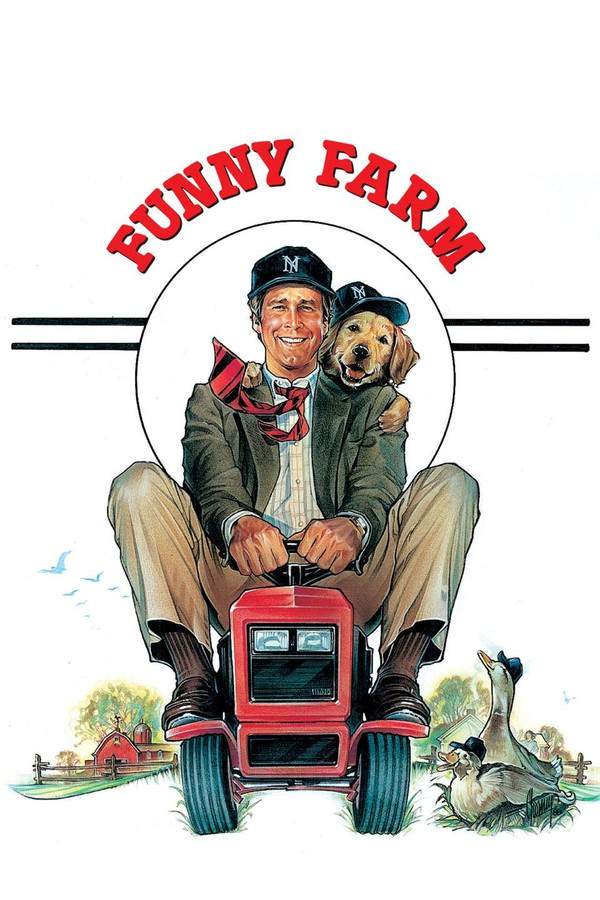
Funny Farm 1988

Directed by
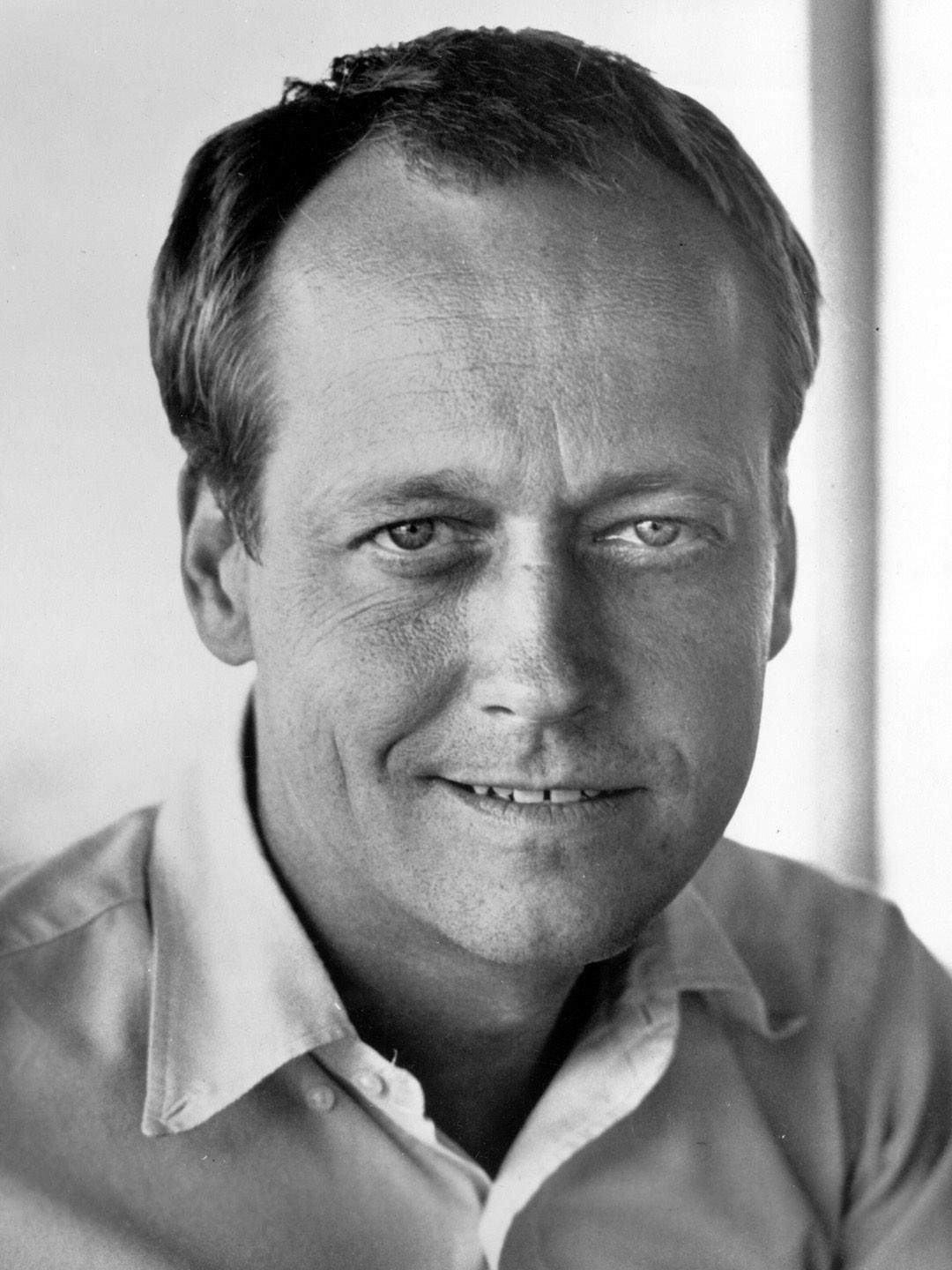
George Roy Hill

Where to Watch Funny Farm
See current US streaming, rental, and purchase options for Funny Farm (1988) via JustWatch.

Kanopy
HD
Plex
HD
Plex Channel
HD
Tubi TV
SD
YouTube Free
HD
Amazon Video
HD
Apple TV Store
HD
Fandango At Home
HD
Google Play Movies
SD
YouTube
SD Streaming availability powered by 
Funny Farm Plot Summary
Read the complete plot summary and ending explained for Funny Farm (1988). From turning points to emotional moments, uncover what really happened and why it matters.
In this story set in the quiet charm of Redbud, Vermont, Andy Farmer is a New York City sports writer who leaves the bustle of the city to live with his wife, Elizabeth, so he can focus on writing a novel. The couple’s move quickly reveals more about the town than they bargained for: they struggle to gel with the locals, and a string of oddities gnaws at their already-fragile relationship, including the startling fate of Claude Musselman, a man long dead who still appears to burden the couple with exorbitant funeral bills for land that they did not own when he was buried.
As they settle in, marital tensions rise against a backdrop of Redbud’s quirks. Elizabeth writes her own children’s books, while Andy remains unsure about his manuscript and how the town will react to it. The trouble intensifies when their publisher, Michael Sinclair, arrives in person after letters about a looming deadline go unanswered. To avoid returning the advance, Andy makes a risky choice: he takes one of Elizabeth’s manuscripts and presents it as his own work. The ruse backfires in a painful way when Elizabeth receives a call from Sinclair praising “his” children’s book, and she confronts Andy with anger and betrayal.
The dispute pushes the couple toward divorce, and they decide to sell their home. In a bid to move the process along, the Farmers offer Redbud a substantial incentive: a $15,000 donation to the town and $50 cash to each resident who helps create a favorable impression for prospective buyers. The residents rally to transform Redbud into a perfect Norman Rockwell-esque town, sparkling with an idealized warmth and neighborly charm. This bold gesture catches the attention of Bud and Betsy Culbertson, two potential buyers who tour the town and seem ready to make an offer. Yet Andy has a change of heart, realizing that he genuinely enjoys the small-town way of life and decides not to sell the house.
With the decision to stay in Redbud, the couple’s optics shift—and the locals’ mood darkens. They are furious that the promised money was tied to a sale that never happened, and Mayor Barclay remarks that the Farmers should not be held responsible for the missing payout. In a conciliatory move that helps defuse the growing tension, Andy chooses to personally reimburse every resident the $50, reasserting his standing in the community and signaling a new, cooperative path forward.
As the film draws to a close, Andy embraces a new role in the town’s life: he becomes the sportswriter for the Redbud newspaper, embedding himself more deeply in local stories and affairs. Elizabeth, meanwhile, is pregnant with their first child and has channeled her talent into writing still more children’s stories. The final note suggests a renewed partnership between the couple and a deeper sense of belonging to Redbud, where appearances may be crafted, but friendship, family, and a shared life feel more real than any facade.
- This tale blends humor with small-town eccentricities, exploring how people react when they try to shape a community to fit their dreams, and how a couple can rediscover what truly matters when they decide to stay and invest in the life they’ve chosen together.
Funny Farm Timeline
Follow the complete movie timeline of Funny Farm (1988) with every major event in chronological order. Great for understanding complex plots and story progression.
Move to Redbud
Andy and Elizabeth relocate from New York City to Redbud, Vermont so Andy can work on his novel. They expect a fresh start, but the small-town quirks soon reveal themselves. The move marks the beginning of their tense relationship with the locals.
The Musselman funeral bill
The couple discovers an outrageous funeral bill for Claude Musselman, a man buried years before on their land. The bill embodies Redbud’s odd obsession with tradition and the past. It foreshadows the friction they’ll face as outsiders.
Creative tensions emerge
Marital strain grows as Elizabeth critiques Andy's manuscript while secretly drafting her own children's books. Andy becomes defensive, torn between his own novel and his wife's ambitions. The couple's creative differences hint at deeper conflicts to come.
Publisher visits
Michael Sinclair, the publisher, travels to Redbud to assess Andy's manuscript in person after weeks of unanswered deadline notices. The visit adds pressure on Andy to deliver a successful work. Elizabeth fears the scrutiny may expose their marital discord.
The deception begins
To avoid returning the advance, Andy steals Elizabeth's manuscript and passes it off as his own. He hopes a publication success will quiet the critics and the publisher. The deception jeopardizes trust between him and Elizabeth.
Elizabeth's anger and departure
Elizabeth receives praise for 'his children's book' from Sinclair and realizes Andy has stolen her work. Enraged, she leaves him, severing their collaboration and their relationship. The incident crystallizes the rift between them.
Divorce and selling plan
Andy and Elizabeth decide to divorce and put their house on the market to move on separately. They hatch a plan to sway the town by offering generosity rather than facing the truth. The scheme reveals how far they’re willing to go for a quick sale.
Donating to Redbud
To entice buyers, the Farmers offer the town a $15,000 donation to Redbud and $50 cash to each resident who helps create a Norman Rockwell‑style image of the town. The generosity aims to pressure acceptance of the future sale. Residents begin participating in the makeover, hoping for a windfall.
Town makeover and buyer interest
Redbud is transformed into a perfect Norman Rockwell-style town, dazzling Bud and Betsy Culbertson, a pair of prospective buyers. They make an offer to purchase the house, impressed by the town’s charm. Andy, however, declines to sell, realizing he genuinely enjoys small-town life.
Reconciliation decision
Andy and Elizabeth decide to stay together in Redbud, much to the chagrin of locals who had counted on their departure for a payday. The couple’s commitment signals a shift in the town’s dynamic and a new sense of belonging for them. The locals react with mixed feelings.
Mayor's stance
Mayor Barclay declines to hold the Farmers financially responsible for the unrecovered $15,000 since the sale never occurred. The decision frames the incident as misfortune rather than malice. This stance allows the Farmers to begin repairing their standing in town.
Paying back the town
Andy pays every resident their $50, restoring trust and easing resentment. The gesture helps improve his standing among the townspeople. The community starts to see him as a neighbor invested in Redbud’s future.
New career and family beginning
The film ends with Andy taking a job as a sportswriter for the Redbud newspaper. This marks a shift from chasing a novel to embracing local storytelling. Elizabeth continues to write children’s stories as their life in Redbud deepens.
Elizabeth's pregnancy
Elizabeth is pregnant with their first child, symbolizing a fresh start for both the couple and the town. Their life in Redbud now centers on family, community, and shared ambitions. The final image offers a hopeful note for their future.
Funny Farm Characters
Explore all characters from Funny Farm (1988). Get detailed profiles with their roles, arcs, and key relationships explained.
Andy Farmer
A New York City sports writer who relocates to Redbud to write a novel. He is ambitious and charismatic, but willing to bend the truth when needed, as he briefly passes off Elizabeth’s manuscript as his own. Over time, he develops an appreciation for small-town life and chooses to stay and contribute to the community.
Elizabeth Farmer
Andy’s wife, a writer of children’s books who challenges Andy’s manuscript and later confronts his deception. She is creative and outspoken, and she grows into her role as a mother while reevaluating life in Redbud.
Bud Culbertson
A prospective buyer who, with Betsy, influences Redbud’s makeover to resemble a Norman Rockwell town in order to attract investment. He symbolizes the town’s appetite for a polished image over authentic quirks.
Betsy Culbertson
Bud’s partner in evaluating Redbud as a desirable purchase. Her responses help drive the town’s orchestrated transformation and the farmers’ decision-making chaos.
Mayor Barclay
The town’s mayor who mediates between the residents and the Farmers, embodying leadership in a place where appearances and integrity are continually tested.
Funny Farm Settings
Learn where and when Funny Farm (1988) takes place. Explore the film’s settings, era, and how they shape the narrative.
Location
New York City, Redbud, Vermont
Andy Farmer moves from the hustle of New York City to the seemingly charming town of Redbud, Vermont. Redbud is portrayed as a quaint, Norman Rockwell-style community where appearances matter and locals lean into a personalized, if quirky, neighborly vibe. The setting serves as a backdrop for the clash between urban ambition and rural sentiment, highlighting the town’s performative charm.
Funny Farm Themes
Discover the main themes in Funny Farm (1988). Analyze the deeper meanings, emotional layers, and social commentary behind the film.
🏡
Facade Reality
The town of Redbud is staged as the perfect postcard, with residents eager to present a flawless image to attract new buyers. The plot shows how appearances can be manufactured and kept intact at the expense of authenticity. This theme examines the tension between charm and truth as the Farmers curate Redbud's image.
💑
Marital Strain
Andy and Elizabeth’s marriage is strained by ambition, deception, and competing creative impulses. Andy’s act of passing off Elizabeth’s manuscript as his own exposes fragile loyalties and forces the couple to confront trust and integrity. The conflict pushes them toward separation before they reconsider their partnership and future together.
🤝
Community Redemption
The Farmers’ donation and the town’s efforts to impress prospective buyers trigger a cycle of generosity and expectation. Andy’s choice to honor his pledge and compensate the residents helps mend rifts and restore trust, illustrating how personal actions can heal a community. The ending suggests that genuine commitment to a place can turn a superficial makeover into lasting belonging.

Coming soon on iOS and Android
The Plot Explained Mobile App
From blockbusters to hidden gems — dive into movie stories anytime, anywhere. Save your favorites, discover plots faster, and never miss a twist again.
Sign up to be the first to know when we launch. Your email stays private — always.
Explore the mobile appFunny Farm Spoiler-Free Summary
Discover the spoiler-free summary of Funny Farm (1988). Get a concise overview without any spoilers.
In the rolling hills of Redbud, Vermont, a city‑bred sportswriter trades Manhattan’s clamor for the promise of fresh air and fertile soil. Andy Farmer arrives with his wife, Elizabeth, hoping the quiet of a family farm will untangle the knots in his unfinished novel and give his marriage a chance to breathe. Their idealized vision of pastoral bliss—late‑night writing by lantern light, evenings spent together on a porch, and the simple rhythm of planting and harvest—sets the stage for a story that balances ambition with the yearning for a slower, more grounded life.
Redbud itself feels like a character, a small New England town where neighbors are as colorful as the autumn foliage. The community’s quirks surface in gentle, off‑beat encounters that blend affection with mild exasperation: retirees who treat gossip as sport, locals who keep traditions alive with a wink, and a rhythm of daily chores that seem both soothing and relentless. This backdrop injects a warm, comedic tone, inviting the audience to smile at the charming absurdities of rural living while recognizing the subtle pressures that accompany any tight‑knit community.
Against this picturesque yet unpredictable setting, Andy wrestles with a fading creative spark and the weight of an unfinished manuscript, while Elizabeth pursues her own writing dreams. Their partnership is tested by the demands of farm work, the pull of new social expectations, and the quiet desperation that sometimes follows when inspiration runs thin. Together they navigate the delicate balance between adapting to a life they never imagined and holding onto the shared vision that first drew them to Redbud, hinting at both the humor and heart that will guide their journey forward.
Featured on this page

What's After the Movie?
Not sure whether to stay after the credits? Find out!
Check out our other apps:

SAT Sphere
Build confidence for the Digital SAT.

Mori Atlas
Discover wild places worth protecting.

Luntero
Search smarter for a home in Amsterdam.

Plot Explained
Unravel movie endings and hidden clues.

Pokechamp
Dive into Pokémon data and battle logic.

Driving Theory
Get ready for your European theory test.

Movie Dust
Plan your next cinema trip with ease.

Musemap
Find art and culture as you travel.

Selkobase
Compare credentials before committing.

Local Manual
Turn an unfamiliar country into practical next steps.

Lernavi
Compare school systems before your next move.

GymRoam
Find a workout stop wherever your plans take you.
Explore Our Movie Platform
New Movie Releases (2026)
Famous Movie Actors
Top Film Production Studios
Movie Plot Summaries & Endings
Major Movie Awards & Winners
Best Concert Films & Music Documentaries
Movie Collections and Curated Lists
© 2026 What's After the Movie. All rights reserved.
Privacy Policy