Animal Farm 1999


Four legs good, two legs bad. The farm animals overthrow their human owner, hoping to govern themselves and build a society of equality. As the pigs seize power, they rewrite the commandments, justify harsher measures and even sacrifice their own offspring, revealing how the revolution spirals into the very corruption it once opposed.


Does Animal Farm have end credit scenes?
No!
Animal Farm does not have end credit scenes. You can leave when the credits roll.
Meet the Full Cast and Actors of Animal Farm
Explore the complete cast of Animal Farm, including both lead and supporting actors. Learn who plays each character, discover their past roles and achievements, and find out what makes this ensemble cast stand out in the world of film and television.
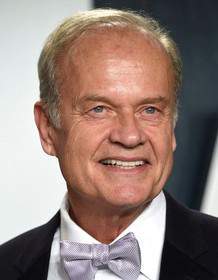
Kelsey Grammer
Snowball (voice)
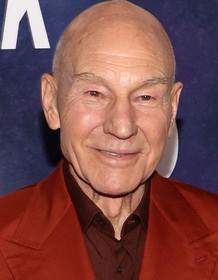
Patrick Stewart
Napoleon (voice)

Ian Holm
Squealer (voice)
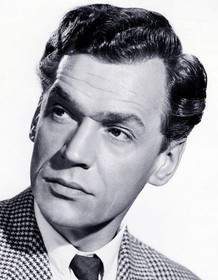
Paul Scofield
Boxer (voice)
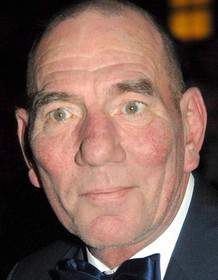
Pete Postlethwaite
Benjamin (voice) / Farmer Jones (voice)
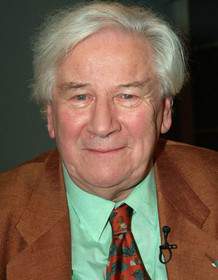
Peter Ustinov
Old Major (voice)
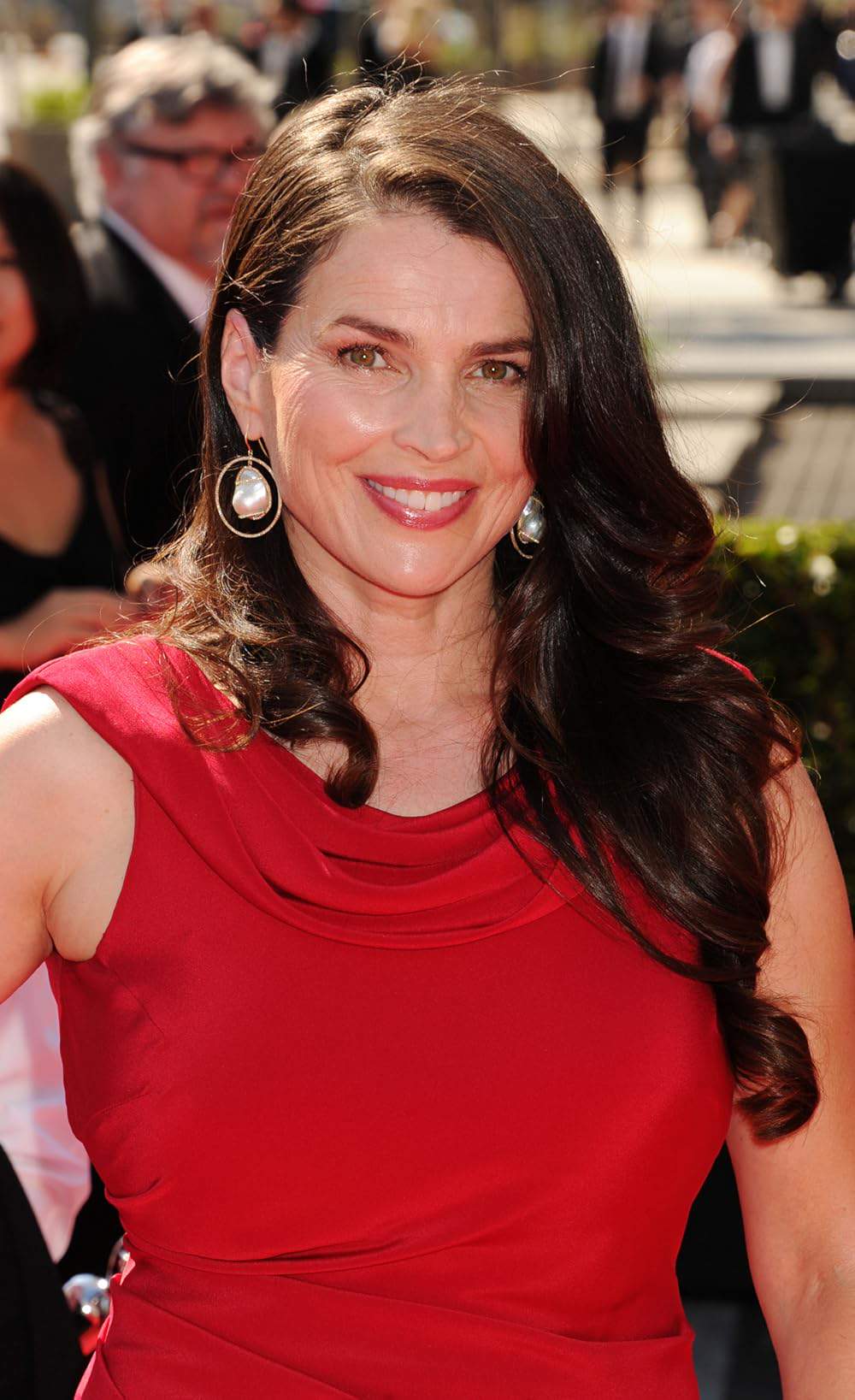
Julia Ormond
Jessie (voice)

Charles Dale
Moses/Pincher (voice)
Julia Louis-Dreyfus
Mollie (voice)
Alan Stanford
Farmer Pilkington
Caroline Gray
Mrs. Jones
Jimmy Keogh
Dennis
Gail Fitzpatrick
Mrs. Pilkington
External Links and Streaming Options
Discover where to watch Animal Farm online, including streaming platforms, rental options, and official sources. Compare reviews, ratings, and in-depth movie information across sites like IMDb, TMDb, Wikipedia or Rotten Tomatoes.







Take the Ultimate Animal Farm Movie Quiz
Challenge your knowledge of Animal Farm with this fun and interactive movie quiz. Test yourself on key plot points, iconic characters, hidden details, and memorable moments to see how well you really know the film.
Animal Farm (1999) Quiz: Test your knowledge of the 1999 film adaptation of George Orwell's Animal Farm, covering characters, plot events, and themes.
Which animal gives the initial speech that inspires the rebellion?
Full Plot Summary and Ending Explained for Animal Farm
Read the complete plot summary of Animal Farm, including all major events, twists, and the full ending explained in detail. Explore key characters, themes, hidden meanings, and everything you need to understand the story from beginning to end.
Mr. Jones, Pete Postlethwaite, the owner of Manor Farm, invites the Pilkingtons to a gathering to talk about his debts, setting the stage for a quiet yet pivotal gathering of the animals. In the barn, Old Major, Peter Ustinov the revered Middle White boar, shares a radical vision: humanity is the true enemy, and a united revolution could lead to a future of equality and prosperity for every animal. He teaches them a stirring song, “Beasts of the World,” a moment that stirs hope and courage among the livestock. But the celebration is cut short when Jones, drawn by the noise, investigates and tragically shoots Major, a brutal reminder of how fragile life can be in a world dominated by humans.
Jones heads into town for a drink, leaving the animals unfed. When he returns, Boxer, Manor Farm’s sturdy shire horse, helps the animals break into the food shed, a bold act that kindles a spark of rebellion. The power dynamic shifts quickly as the animals force Jones, his wife, and the local men off the farm and into town. With Jones gone, a new order begins to take shape. Snowball, a large White boar, rises to leadership and renames the property Animal Farm, signaling a rejection of the old regime. The Seven Commandments of Animalism are drafted, initially meant to guide all animals toward harmony and mutual aid.
Jessie, a border collie, becomes a key maternal figure on the farm as she gives birth to puppies, signaling the growth of a new generation under the animal-led rule. Julia Ormond brings Jessie to life, and her presence marks the intimate, personal side of life on the reforming farm. Two other intelligent voices quickly join the leadership circle: Napoleon, a shrewd Berkshire boar, and Squealer, a nimble Tamworth boar, who convene a discreet gathering to consolidate power. Pincher, a rottweiler, swears loyalty to them and plays a crucial role in training the newborn canine guards. As the new regime takes hold, the pigs begin to hoard essentials—apples and milk—carefully keeping these resources for themselves, a quiet departure from the egalitarian promises that sparked the initial rebellion.
To safeguard their revolution and keep rivalries at bay, the pigs intensify their control and project a sense of inevitability about the farm’s future. The neighboring farmer Pilkington, a figure who embodies the outside world’s temptations and threats, leads an invasion into Animal Farm with villagers, testing the animals’ resolve. Snowball anticipates this danger and orchestrates a formidable defense, and the invaders retreat in confusion. Some on the outside begin to question whether cooperation with the animals might be possible down the line, underscoring the complexity of rebellion in an ever-shifting power landscape.
Snowball proposes a windmill project designed to improve living conditions for all animals by providing electricity and cooling the burden of hard labor. But Napoleon, Patrick Stewart from behind the scenes, opposes Snowball and orders the grown puppies—raised under his direct supervision—to drive Snowball from the farm. The windmill becomes a symbol of competing visions for the farm’s future, and Napoleon asserts that the pigs will decide the farm’s course, reshaping the original egalitarian ideals into a hierarchy that favors the pigs’ needs.
As the windmill project gathers momentum, Pilkington learns that some of the animals can speak English and barter with them, hinting at a broader, more interconnected world beyond the fences. Jessie reveals that the pigs have been living in the farmhouse and sleeping in beds, a breach of the original commandments—an early sign that the leadership is bending the rules to suit its own preferences. Napoleon and Squealer, Ian Holm the quick-witted propaganda architect, quietly alter the sleeping-in-beds commandment to cover the pigs’ behavior, a small, yet telling concession to power.
Nightly, the regime tightens its grip. At the Red Lion Inn, Pilkington mocks Napoleon’s inexperience, exploiting the power imbalance by trading cheap farm equipment for influence. Inside Animal Farm, Napolean further reframes control: food shortages justify eggs for the market as a necessity, and when the hens resist, Napoleon imposes a cruel decree, punishable by death for defiance. Squealer’s propaganda machine churns, making the new rules seem like the only viable path forward, even as the alcohol and killing commandments are quietly renamed to emphasize restraint rather than excess.
The windmill’s construction continues, but tragedy interrupts the progress when Boxer, the loyal horse, is seriously injured. When the time comes to transport him away, Jessie and Benjamin perceive that the van is headed to the glue factory, a grim fate that underscores the farm’s terrifying transformation from liberation to manipulation. Napoleon secures a cold victory by selling Boxer to the glue factory, a stark betrayal of the very ideals that sparked the rebellion. The film captures a chilling moment as Pilkington and the pigs share a quiet triumph, with Pilkington’s sympathy for the animals giving way to a cynical grin as the deal is sealed.
That night, Jessie observes Napoleon and Pilkington dining together in the farmhouse, a symbolic pairing that highlights the blurred lines between oppressor and ally. Napoleon’s leadership becomes increasingly indistinguishable from the oppressive forces of Jones and Pilkington, and Jessie can only watch as the two seem to fuse into a single political persona. The aging creatures realize that the final commandment—“All animals are equal”—has been reshaped to read: “but some animals are more equal than others.” The revelation leaves Jessie, Benjamin, Muriel, and other animals deeply unsettled as they recognize the betrayal that has taken place within their ranks.
With the decades passing, the regime’s tyranny continues, and the remaining animals eventually flee or fade from the farm’s memory. When outsiders reclaim the land years later, the state of the farm appears ruined, and Napoleon and Squealer appear to have fallen under the very rule they once claimed to overthrow. Yet a few animals endure, including Jessie’s puppies who now recognize her as their mother. A new family purchases the farm, and the survivors vow to teach the next generation to avoid the same mistakes that led to Jones’s downfall and Napoleon’s rise.
In the end, the tale of Animal Farm remains a stark reminder of how power can deform ideals and how easily a revolution can become a repetition of the very oppression it sought to end. The animals’ long journey—from hopeful collective action to a rigid, self-serving hierarchy—serves as a cautionary chronicle about leadership, loyalty, and the delicate balance between equality and control.

Coming soon on iOS and Android
The Plot Explained Mobile App
From blockbusters to hidden gems — dive into movie stories anytime, anywhere. Save your favorites, discover plots faster, and never miss a twist again.
Sign up to be the first to know when we launch. Your email stays private — always.
Explore the mobile appWatch Trailers, Clips & Behind-the-Scenes for Animal Farm
Watch official trailers, exclusive clips, cast interviews, and behind-the-scenes footage from Animal Farm. Dive deeper into the making of the film, its standout moments, and key production insights.
Cars Featured in Animal Farm
Explore all cars featured in Animal Farm, including their makes, models, scenes they appear in, and their significance to the plot. A must-read for car enthusiasts and movie buffs alike.
Animal Farm Themes and Keywords
Discover the central themes, ideas, and keywords that define the movie’s story, tone, and message. Analyze the film’s deeper meanings, genre influences, and recurring concepts.

Unlock the World of Movies with Our Comprehensive Wiki
Dive into our Movie Wiki for in-depth film encyclopedia entries, including cast biographies, production trivia, plot synopses, behind-the-scenes facts, and thematic analyses. Whether you’re researching iconic directors, exploring genre histories, or discovering hidden easter eggs, our expertly curated movie database has everything you need to fuel your cinematic passion.

Similar Movies To Animal Farm You Should Know About
Browse a curated list of movies similar in genre, tone, characters, or story structure. Discover new titles like the one you're watching, perfect for fans of related plots, vibes, or cinematic styles.






Quick Links: Summary, Cast, Ratings, More

What's After the Movie?
Not sure whether to stay after the credits? Find out!
Check out our other apps:

SAT Sphere
Build confidence for the Digital SAT.

Mori Atlas
Discover wild places worth protecting.

Luntero
Search smarter for a home in Amsterdam.

Plot Explained
Unravel movie endings and hidden clues.

Pokechamp
Dive into Pokémon data and battle logic.

Driving Theory
Get ready for your European theory test.

Movie Dust
Plan your next cinema trip with ease.

Musemap
Find art and culture as you travel.

Selkobase
Compare credentials before committing.

Local Manual
Turn an unfamiliar country into practical next steps.

Lernavi
Compare school systems before your next move.

GymRoam
Find a workout stop wherever your plans take you.
Explore Our Movie Platform
New Movie Releases (2026)
Famous Movie Actors
Top Film Production Studios
Movie Plot Summaries & Endings
Major Movie Awards & Winners
Best Concert Films & Music Documentaries
Movie Collections and Curated Lists
© 2026 What's After the Movie. All rights reserved.
Privacy Policy