What Is An Ideal Husband About?
The premise of An Ideal Husband in 323 words, with nothing given away. The full story follows below.
London in the late‑Victorian era teems with glittering salons, glittering ambitions, and an ever‑present tension between public virtue and private desire. The city’s marble façades and bustling parliamentary halls become a stage where reputation is both currency and armor, and where a single misstep can reverberate through society’s tightly knit circles. The film’s tone blends genteel wit with an undercurrent of moral unease, inviting the audience to linger over whispered conversations and the polished surfaces that hide deeper currents.
At the heart of this world stands Sir Robert Chiltern, a rising government minister celebrated for his unblemished honesty and sharp political acumen. His marriage to Gertrude Chiltern is built on her exacting standards of moral perfection; she reveres ideals that leave little room for human frailty. Mabel Chiltern, Sir Robert’s younger sister, observes the swirling social dance with a warm, slightly sardonic eye, while Arthur Goring drifts through their circle as a charming, unattached bachelor whose breezy confidence masks a keen understanding of human weakness. Into this finely balanced tableau arrives Mrs. Laura Cheveley, a strikingly determined woman returning from the continent with a bold scheme that promises power and profit, and whose own ambitions will test the limits of every relationship she touches.
The central conflict is set in motion when a lucrative financial venture threatens to expose the fragile seam between Sir Robert’s celebrated future and a concealed chapter of his past. Mrs. Cheveley wields the leverage of a looming scandal, hinting that the very act of condemning the scheme could unleash a secret that would shatter the idealized image Sir Robert and his wife cling to. As the stakes rise, the film probes whether a “perfect” husband can ever truly escape the shadow of his history, and whether a wife bound by uncompromising ideals can endure the inevitable imperfections of love. The mood remains taut, balancing sophisticated society with the quiet dread that even the most polished façades may conceal.
What Happens in An Ideal Husband?
The complete story of An Ideal Husband, from the first scene to the last, in 769 words (about 3 minutes). Spoilers throughout. Names in the text link to 6 cast member pages.
Spoilers ahead
London, 1895 sets the stage for a social drama where public virtue and private secrets collide. Mrs. Laura Cheveley, Paulette Goddard, has just returned from Vienna with a bold plan to procure power for herself and to challenge a man famed for his unassailable integrity. Sir Robert Chiltern, Hugh Williams, is a government minister celebrated for his honesty, while his wife, Gertrude Chiltern, Diana Wynyard, clings to strict moral codes and distrusts anything that smells of deceit. Sir Robert’s younger sister, Mabel Chiltern, Glynis Johns, watches the courtship of society with a mix of warmth and wry observation. Arthur Goring, Michael Wilding, an unmarried and free-spirited bachelor, moves through their circle with charm and a tantalizing nonchalance, while the elder statesman, the Earl of Caversham, C. Aubrey Smith, eyes the upcoming marriage prospects for his son. The stage is set for a confrontation that will test loyalty, love, and the very idea of a flawless public image.
At a lavish party hosted by the Chilterns, Mrs. Cheveley tries to coerce Sir Robert into backing a government-financed canal scheme she claims will benefit Britain. She wields incriminating letters from years past that reveal how he amassed his fortune through knowledge of the canal’s funding, a past he once used to rise to power. He initially resists the pressure, but the fear of scandal nudges him toward a compromised stance. Before the party ends, Mrs. Cheveley confides in Lady Chiltern, a former schoolmate, that Sir Robert will support the canal bill—an announcement that would shock the woman’s husband into contradicting his own ideals. As the guests depart, Arthur and Mabel notice a brooch that seems oddly out of place. Goring, who once lent that very brooch to someone he trusted, keeps it in case it is ever claimed, a quiet reminder of past indiscretions and the fragile line between memory and motive. In a tense moment, Sir Robert, pressed by his wife about his sudden shift, writes a letter to Mrs. Cheveley declaring he will oppose the bill, a decision that will soon be tested to its limit.
The following morning, Sir Robert reveals the extent of Mrs. Cheveley’s blackmail attempt to Arthur. Arthur urges him to confess the truth to his wife, arguing that the exposure of any past indiscretion could shatter her faith in him—even if it wrecks his public standing. Sir Robert refuses to reveal his own secrets and instead plots a counter-strategy by trying to manipulate Mrs. Cheveley. Arthur, who once had been engaged to her, doubts the plan and fears the consequences of reopening old wounds. Mrs. Cheveley arrives searching for the lost brooch, and Lady Chiltern informs her that Sir Robert will speak against the canal scheme that night. In retaliation, Mrs. Cheveley hints at exposing how Sir Robert once earned his fortune. The confrontation ends with Sir Robert ordering Mrs. Cheveley to leave, and Gertrude’s disillusionment deepens as she recognizes that no one, not even her husband, can live up to the ideal she once imagined.
That night, Lady Chiltern writes an unsigned note to Arthur, seeking his assistance, a gesture that will complicate the moral maze. Arthur tells Mrs. Cheveley that he has her brooch and that she stole it from a society woman, and he even removes the incriminating brooch when she hands him the letter she used to blackmail Sir Robert. Yet she seizes Lady Chiltern’s unsigned note as she leaves, intending to use it to persuade Sir Robert that his wife is involved with Arthur. Lady Chiltern, meanwhile, speaks of the power of forgiveness, acknowledging that love and trust can still endure even when truth exposes flaws.
In the House of Commons, Mrs. Cheveley watches from the women’s gallery as Sir Robert publicly denounces the canal scheme. The next day, Lord Caversham presses his son once more to marry and settle into a conventional life. Arthur, true to his nature, proposes to Mabel, offering a path toward happiness that defies the era’s rigid expectations. Lady Chiltern arrives with the unsigned note and Arthur’s account of Mrs. Cheveley’s plot, and she hands the note to Sir Robert, who reads it as proof of his wife’s steadfast love and willingness to forgive. This exchange reshapes the couple’s futures: Sir Robert is offered a high Cabinet position by Lord Caversham, and Arthur urges Lady Chiltern to allow her husband to remain in public life, recognizing that their bond can survive even the sting of temptation and betrayal. Mrs. Cheveley departs, her schemes having failed to disrupt the Chilterns’ union, leaving behind a nuanced meditation on virtue, forgiveness, and the complexities of high society.
An Ideal Husband Timeline: Every Key Event in Order
12 key events in the order they happen, from “Mrs. Cheveley returns to London with secrets” to “Resolution: forgiveness and public life”. 12 events name a place, across 7 locations.
- 1
Mrs. Cheveley returns to London with secrets
Mrs. Laura Cheveley returns to Britain and arrives in London with a cache of incriminating letters. Those letters threaten to ruin Sir Robert Chiltern and could derail his career. She intends to use this leverage to push through a canal financing bill she favors.
When:Pre-party Where:London
- 2
The Chilterns' party and Cheveley's ultimatum
A lavish party at the Chilterns' home becomes the scene of Cheveley's blackmail attempt. Sir Robert initially refuses but yields to protect his reputation and position. The atmosphere tenses as the power dynamics between truth and ambition come to the fore.
When:Evening Where:Chilterns' home, London
- 3
Cheveley exposes the canal pledge to Lady Chiltern
Before the party ends, Cheveley tells Lady Chiltern that Sir Robert will back the canal scheme. She uses this to insinuate his moral complicity and to undermine his image. Lady Chiltern begins to sense that her husband may have a hidden past worth questioning.
When:Evening Where:Chilterns' residence, London
- 4
The lost brooch and Goring's secret
At the close of the party, Arthur and Mabel notice a brooch that does not belong to anyone present. Goring reveals he once gave that brooch to someone and has kept it, hoping it will be retrieved. The brooch becomes a potential instrument in Cheveley's blackmail scheme.
When:Evening Where:Chilterns' party, London
- 5
Sir Robert pledges to oppose the canal bill
Sir Robert writes a letter to Cheveley stating that he will speak against the canal bill. The decision marks a pledge to oppose the scheme publicly. He hopes to preserve his reputation, though he has not yet revealed the truth to his wife.
When:Following the party Where:Chilterns' residence, London
- 6
Morning confrontation and a plan to manipulate Cheveley
The next morning, Sir Robert confesses the blackmail attempt to Arthur and seeks his counsel. Arthur urges telling Lady Chiltern the truth, even if it ruins her faith in him. Sir Robert refuses to reveal the past and decides to try to blackmail Cheveley instead.
When:Morning Where:Chilterns' residence, London
- 7
Arthur's doubts about the scheme
Arthur, once Cheveley's fiancé, doubts that a blackmail plan can work against her. He worries the scheme may backfire and harm more people than it helps. Despite his doubts, he remains entangled in the ensuing drama.
When:Day Where:Various, London
- 8
Cheveley presses the brooch matter and Lady Chiltern's stance
Cheveley returns to press about the brooch and to pressure further. Lady Chiltern declares that she has despised Cheveley's dishonesty since their school days. Sir Robert confirms he will speak against the canal bill that night in Parliament.
When:Evening Where:Chilterns' residence and Parliament, London
- 9
Sir Robert denounces the canal scheme in Parliament
That night Cheveley watches from the women's gallery as Sir Robert denounces the canal scheme. His public stance reinforces his moral stance, while Cheveley's plan to destroy the marriage falters. The moment tests both the couple and Cheveley's control over events.
When:Night Where:House of Commons, London
- 10
The next day and a proposal
The following day Lord Caversham urges Sir Robert to marry, and Arthur proposes to Mabel. The social pressure of London life frames the intersecting personal and political decisions. The romance provides a counterpoint to the political tension.
When:Next day Where:London
- 11
Unsigned note, brooch, and Cheveley's maneuvers
Lady Chiltern writes an unsigned note to Arthur asking for help. Arthur reveals he has Cheveley's brooch and knows she stole it. Cheveley offers to trade the note for the letter she uses to blackmail Sir Robert, planning to manipulate him further; Arthur also retrieves the incriminating brooch when Cheveley hands over the note.
When:Evening Where:London
- 12
Resolution: forgiveness and public life
In the end, Sir Robert forgives his wife's humanity and chooses public life. The unsigned note exposes Cheveley's scheme, and Arthur's interference helps preserve the marriage. Lord Caversham offers a cabinet position, and Cheveley leaves London defeated as the couple finds peace through forgiveness.
When:Finale Where:London
Who Are the Main Characters in An Ideal Husband?
6 characters, among them Laura Cheveley (Paulette Goddard), Sir Robert Chiltern (Hugh Williams) and Lady Gertrude Chiltern (Diana Wynyard): who each one is and the part they play in the story. Every profile links to the actor’s page.
-

Laura Cheveley (Paulette Goddard)
Played by Paulette Goddard
A calculating socialite who has just returned from Vienna and wields incriminating letters to force Sir Robert into supporting a controversial canal financing bill. She thrives on manipulation, using others' reputations as currency for her own aims. Her scheme hinges on exploiting past indiscretions to gain political leverage.
- 🗝️ Schemer
- 🎭 Drama
- 💼 Socialite
- SR
Sir Robert Chiltern (Hugh Williams)
Played by Hugh Williams
A government minister known for his public honesty, whose fortune once stemmed from his knowledge of the Suez Canal financing. He wrestles with the pressure of past actions resurfacing under blackmail and the temptation to protect his reputation at any cost. His arc centers on balancing private past with public duty and choosing between truth and prestige.
- 🗝️ Integrity
- 🏛️ Politics
- 🎭 Drama
- LG
Lady Gertrude Chiltern (Diana Wynyard)
Played by Diana Wynyard
Sir Robert's wife, who disapproves of immorality and dishonesty and embodies the moral compass of the story. She confronts her husband with the consequences of his past and ultimately embraces forgiveness as a path to rebuilding trust. Her stance illustrates how moral standards influence personal relationships and public life.
- 💖 Morality
- 🕊️ Trust
- 👒 Society
- MC
Mabel Chiltern (Glynis Johns)
Played by Glynis Johns
Sir Robert's younger sister, open to love and supportive of Arthur. She becomes a focal point for a hopeful future, accepting a proposal and symbolizing a more hopeful stride in the face of social scrutiny.
- 💞 Romance
- 👒 Society
- 👫 Family
- AG
Arthur Goring (Michael Wilding)
Played by Michael Wilding
An unmarried, unconventional young man who challenges the rigid norms of his circle. He acts as a voice of reason to Sir Robert, encourages truth, and ultimately proposes to Mabel, helping to restore balance between love and duty.
- 💬 Wit
- 🎭 Drama
- 🕯️ Charm
-
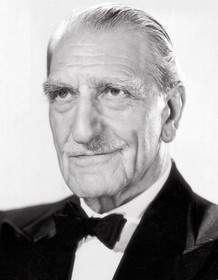
Earl of Caversham (C. Aubrey Smith)
Played by C. Aubrey Smith
Arthur's father, eager to see his son marry and settle down. He pushes for traditional alliances and is a catalyst for family and political decisions, including encouraging the couple to pursue secure, respectable futures and supporting Sir Robert's public life.
- 👔 Tradition
- 🕊️ Guidance
- 🏛️ Society
Where and When Is An Ideal Husband Set?
An Ideal Husband is set in London (1895). Here is why the time and place matter to the story.
When
1895
The story unfolds in the late Victorian era, a time of strict social codes and public accountability. The year 1895 places proceedings within a political milieu where reputation can determine career and status. Characters navigate a world where wit, money, and morality are publicly displayed.
Where
London
London serves as the lavish backdrop for aristocratic life and political intrigue. The action moves between grand townhouses and the corridors of Parliament, setting the stage for social maneuvering and reputation battles. Set in 1895, the city embodies the era's public spectacle and private scrutiny.
- 🏙️ City
- 🕰️ Victorian Era
What Are the Themes of An Ideal Husband?
3 ideas the story keeps returning to, among them Reputation, Forgiveness and Hypocrisy.
-
01
Reputation
Public image governs choices in aristocratic society, and a single past action can undermine a career. The letters and blackmail threaten to expose hidden truths and force a re-evaluation of integrity. Characters must weigh honesty against the convenience of preserving their standing.
-
02
Forgiveness
Forgiveness emerges as a path to personal happiness and political stability. Lady Chiltern's sense of trust is tested by her husband's secret; ultimately, forgiveness allows a renewal of love and public life. The narrative suggests mercy can redeem both private faults and public reputations.
-
03
Hypocrisy
Society wears masks of virtue while private actions contradict those pretensions. The Canal financing scheme exposes the gap between public morality and private gain. The drama examines whether appearances should override truth and whether people can live with the consequences.
What Kind of Film Is An Ideal Husband?
Tense in tone, with steady pacing and a moderate story, going by the plot summary.
- Tone
- Tense
- Pacing
- Steady
- Story
- Moderate
- Intensity
- Medium
- Ending
- Happy
A steady-paced, tense social drama set in Victorian London high society, where the threat of blackmail creates an anxious atmosphere that ultimately resolves into a hopeful meditation on forgiveness and love.
- anxious
- high stakes
- melancholic
- relieved
- reflective
- sophisticated
- political blackmail
- marital crisis
- high society
- moral compromise
Content notes: blackmail.
Quiz
How well do you remember An Ideal Husband? Test yourself on the story.