

What Is A Special Day About?
The premise of A Special Day in 346 words, with nothing given away. The full story follows below.
In the sweltering heat of Rome, 4 May 1938 is a day that crackles with political spectacle. The city is awash in banners and marching bands, the air heavy with the presence of fascist pageantry as foreign dignitaries arrive for a historic meeting. Yet behind the grand avenues, the everyday lives of the populace pulse in quieter, more intimate spaces, where the weight of ideology presses against the walls of ordinary apartments.
Antonietta Taberi is a devoted housewife whose world revolves around the rhythms of domesticity—cooking, cleaning, and caring for a brood of children while her husband drifts among the crowds of the parade. Her days are marked by routine and a gentle yearning for something beyond the confines of her home, a longing that she masks with the soft steadiness of her daily chores. The walls of her flat, however, hold a view into a Rome that is both beautiful and oppressive, a place where personal hopes are constantly measured against the expectations of a regime.
Across the courtyard lives Gabriale, a former radio broadcaster whose voice once filled the airwaves. Now, he lives in quiet exile within his own building, his livelihood stripped away because of his sexuality and alleged dissent. He moves through his days with a quiet resilience, his thoughts marked by the constant threat of surveillance and the ever‑present need to conceal his true self. The juxtaposition of his public silencing and his private search for connection creates a palpable tension that mirrors the broader climate of fear.
When the two neighbors cross paths, the contrast between Antonietta’s orderly domestic world and Gabriale’s hidden turmoil sparks an unexpected intimacy. Their conversations, made against the backdrop of a city caught in a grand historical moment, hint at a deepening bond that offers both a refuge and a mirror for their own hidden strengths. The film lingers on the subtle exchanges, the lingering glances, and the quiet defiance that blossoms in the shadows of a fascist era, inviting viewers to witness how personal resilience can flicker, even in the most controlled of societies.
What Happens in A Special Day?
The complete story of A Special Day, from the first scene to the last, in 377 words (about 2 minutes). Spoilers throughout. Names in the text link to 3 cast member pages.
Spoilers ahead
On 4 May 1938, the day Hitler visits Mussolini in Rome, Antonietta Taberi, a naïve, sentimental and overworked homemaker, stays home doing her usual domestic tasks, while her fascist husband, Emanuele Taberi, and their six spoiled children take to the streets to follow a parade. The building is empty, except for the caretaker Pauletta and a neighbor across the complex, a charming man named Gabriele. He is a radio broadcaster who has been dismissed from his job and is about to be deported to Sardinia because of his homosexuality and alleged anti-fascist stance.
After the family’s myna escapes from their apartment and flies outside Gabriele’s window, Antonietta shows up at his door, asking to be let in to reach the bird. Gabriele has been interrupted from attempting suicide, but helps rescue the myna by offering it food, and is amused by the episode. Antonietta is surprised by his demeanor and, unaware of his sexual orientation, flirts and dances the rumba with him.
Despite their differences, they warm to each other. Pauletta warns Antonietta that Gabriele is an anti-fascist, which Antonietta finds despicable. Gabriele eventually opens up, confessing he was fired because he is a homosexual. Antonietta confides in him about her troubles with her arrogant and unfaithful husband, who, she says, has shown a preference for an educated woman.
Throughout their interaction and conversation, each realizes that the other is oppressed by social and governmental conditioning and comes to form a new impression of the other than the one they first drew from one another. As a result, they have sex, but for different reasons. Gabriele explains that this changes nothing, as does Antonietta. (However, later, when her son reminds his mother of all the newspaper clippings she will have from the parade for her album collection, Antonietta’s face reveals a look of slight indifference.) Soon after their intimate encounter, Antonietta’s family comes back home, and Gabriele is arrested.
At the end, Antonietta sits near the window and starts reading The Three Musketeers that Gabriele has given her. She watches as her lover leaves the complex, escorted by fascist policemen, before turning off the light and retiring to bed: Her husband is waiting there for her to beget their seventh child, whom he wants to name Adolfo.
A Special Day Timeline: Every Key Event in Order
14 key events in the order they happen, from “Hitler's Rome visit sets the day's mood” to “A hostile homecoming”. 14 events name a place, across 14 locations.
- 1
Hitler's Rome visit sets the day's mood
On 4 May 1938, the day Hitler visits Mussolini in Rome, Antonietta, a naïve and overworked homemaker, stays home while her fascist husband Emanuele and their six children join a parade. The building is mostly empty except for the caretaker Pauletta and their neighbor Gabriele, a radio broadcaster who has been dismissed and is about to be deported for his sexuality and alleged anti-fascist stance. The mood blends public spectacle with private tension under a repressive regime.
When:4 May 1938 Where:Rome, apartment building
- 2
A myna escape and an unlikely meeting
Antonietta goes to Gabriele's door to retrieve the escaping myna bird that flew toward his window. Gabriele has just been interrupted from attempting suicide, yet he helps rescue the bird by offering it food. He is amused by the interruption and the chance encounter, finding a spark in this moment.
When:4 May 1938 Where:Gabriele's building, near his window
- 3
Flirtation at the doorway
Antonietta flirts and dances a rumba with Gabriele, unaware of his sexual orientation. The playful moment reveals a warmer, gentler side beneath their initial reserve. The encounter hints at a growing connection between them.
When:4 May 1938 Where:Gabriele's doorway/window
- 4
Mutual warmth amid oppression
Despite their differences, they warm to each other. They realize both are oppressed by social and governmental conditioning, and they start to see the other in a more nuanced light.
When:4 May 1938 Where:Gabriele's apartment / building corridor
- 5
Pauletta's warning
Pauletta warns Antonietta that Gabriele is anti-fascist, a label that instantly colors Antonietta's view of him. Antonietta initially finds this stance despicable, clinging to the stricter norms of her time. The warning foreshadows the danger their bond faces.
When:4 May 1938 Where:Corridor of Gabriele's building
- 6
Confessions of oppression
Gabriele confesses that he was fired for his sexuality and anti-fascist beliefs, and Antonietta confides that her husband is arrogant and unfaithful, preferring educated women. The two open up about their private humiliations and powerlessness under the regime. Their dialogue deepens their connection.
When:4 May 1938 Where:Gabriele's apartment / Antonietta's home
- 7
Awakening to a new view
During their interaction, both realize they have been oppressed by social conditioning. They begin to form a new impression of each other, moving beyond the first judgments they made. The moment signals a shift in how they see themselves within their world.
When:4 May 1938 Where:Various spaces around the building
- 8
Intimate moment
They have sex, but both acknowledge it changes nothing about their lives. The intimacy emerges from shared vulnerability rather than from romance or rebellion. It becomes a charged moment that underscores their mutual disillusionment with the regime.
When:4 May 1938 Where:Gabriele's apartment
- 9
News clippings and indifference
Later, when their son reminds Antonietta of the newspaper clippings she will collect from the parade, she shows a look of slight indifference. The moment hints that the upcoming pageantry no longer holds the same meaning for her. It marks a shift toward a more private, conflicted stance.
When:4 May 1938 Where:Antonietta's home
- 10
Return home and the arrest
Soon after their intimate encounter, Antonietta's family returns home and Gabriele is arrested. The abrupt change underscores the regime's reach and the price of dissent. The couple's moment of privacy is abruptly crushed by political enforcement.
When:4 May 1938 Where:Building / neighborhood
Show the other 4 events of A Special Day Hide the last 4 events
- 11
Gabriele taken away by the regime
Gabriele is escorted by fascist policemen as he is led from the complex. The personal cost of his anti-fascist stance becomes tangible as he is removed from the community. The arrest signifies the end of their secret connection.
When:4 May 1938 Where:Outside the building; escorted away
- 12
A book and a memory
Antonietta sits by the window and reads a book that Gabriele has given her, The Three Musketeers. The act keeps a memory of their bond alive even as her lover is gone. It hints at a future where she might revisit this forbidden connection only in memory.
When:Evening of 4 May 1938 Where:Antonietta's apartment
- 13
Lover departs; night falls
She watches as her lover leaves the complex, escorted by fascist policemen, a stark image of the price of defying the regime. He disappears into the night as the building's lights flicker. The scene closes with her turning off the light and returning to bed.
When:Night of 4 May 1938 Where:Building entrance / complex
- 14
A hostile homecoming
Back inside, her husband waits for their seventh child, whom he wants to name Adolfo. The home remains under patriarchal control, and the future seems to promise more of the same. Antonietta retreats to sleep, carrying the weight of a forbidden love and a repressed world.
When:Night of 4 May 1938 Where:Antonietta's bedroom
Who Are the Main Characters in A Special Day?
11 characters, among them Gabriele (Marcello Mastroianni), Antonietta Taberi (Sophia Loren) and Emanuele Taberi (John Vernon): who each one is and the part they play in the story. Every profile links to the actor’s page.
-

Gabriele (Marcello Mastroianni)
Played by Marcello Mastroianni
A radio broadcaster who has been dismissed for his homosexuality and alleged anti-fascist stance. He is sensitive and compassionate, often witty, and carries the burden of being marginalized under a repressive regime. His connection with Antonietta reveals his longing for freedom and critique of the state, culminating in his arrest after their encounter.
- 🎙️ Radio broadcaster
- 🏳️🌈 LGBTQ
- 🗳️ Anti-fascist
-

Antonietta Taberi (Sophia Loren)
Played by Sophia Loren
A naïve, sentimental homemaker overwhelmed by her husband and the household. On this day she steps beyond her role and flirts with Gabriele, revealing a craving for personal meaning beyond domestic drudgery. Her encounter challenges the regime’s expectations of women and hints at a broader awakening, though she ultimately returns to the norms of her life.
- 🏠 Homemaker
- 🧭 Personal awakening
-

Emanuele Taberi (John Vernon)
Played by John Vernon
Antonietta’s fascist husband; a pompous, self-assured man who follows the parade and prioritizes status and appearances. He is unfaithful and dismissive, representing male authority and the regime’s values. His interactions with Antonietta illuminate gender power dynamics under fascism.
- 👔 Patriarch
- 🗳️ Fascist supporter
- P(
Pauletta (Françoise Berd)
Played by Françoise Berd
The building’s caretaker who serves as a practical observer and warning voice. She cautions Antonietta that Gabriele is anti-fascist and at risk of deportation, highlighting the perils of stepping outside approved social roles.
- 🧹 Concierge
- 🗨️ Gossiper
- UT
Umberto Taberi (Vittorio Guerrieri)
Played by Vittorio Guerrieri
One of the six Taberi children; part of the family’s domestic world. His presence reflects the era’s mix of family life and public spectacle, as the children accompany or witness the parade and household dynamics.
- 👶 Child
- 🕊️ Privileged youth
- ML
Maria Luisa Taberi (Alessandra Mussolini)
Played by Alessandra Mussolini
A member of the Taberi family whose presence underlines the generation gap and the house’s social status. While not central to the plot, she represents the younger generation within a fascist household.
- 👧 Youth
- 🏡 Family member
- RT
Romana Taberi (Patrizia Basso)
Played by Patrizia Basso
Another member of the Taberi family who participates in the day’s routine and parade-watching, illustrating how the regime shapes even private family life.
- 👩 Family member
- 🗣️ Social observer
- GC
Galeazzo Ciano (Self, archive footage)
Played by Galeazzo Ciano
A historical figure appearing via archive footage, indicating the film’s setting within real-world fascist leadership and propaganda.
- 🎭 Historical figure
- 🗺️ Archive footage
-
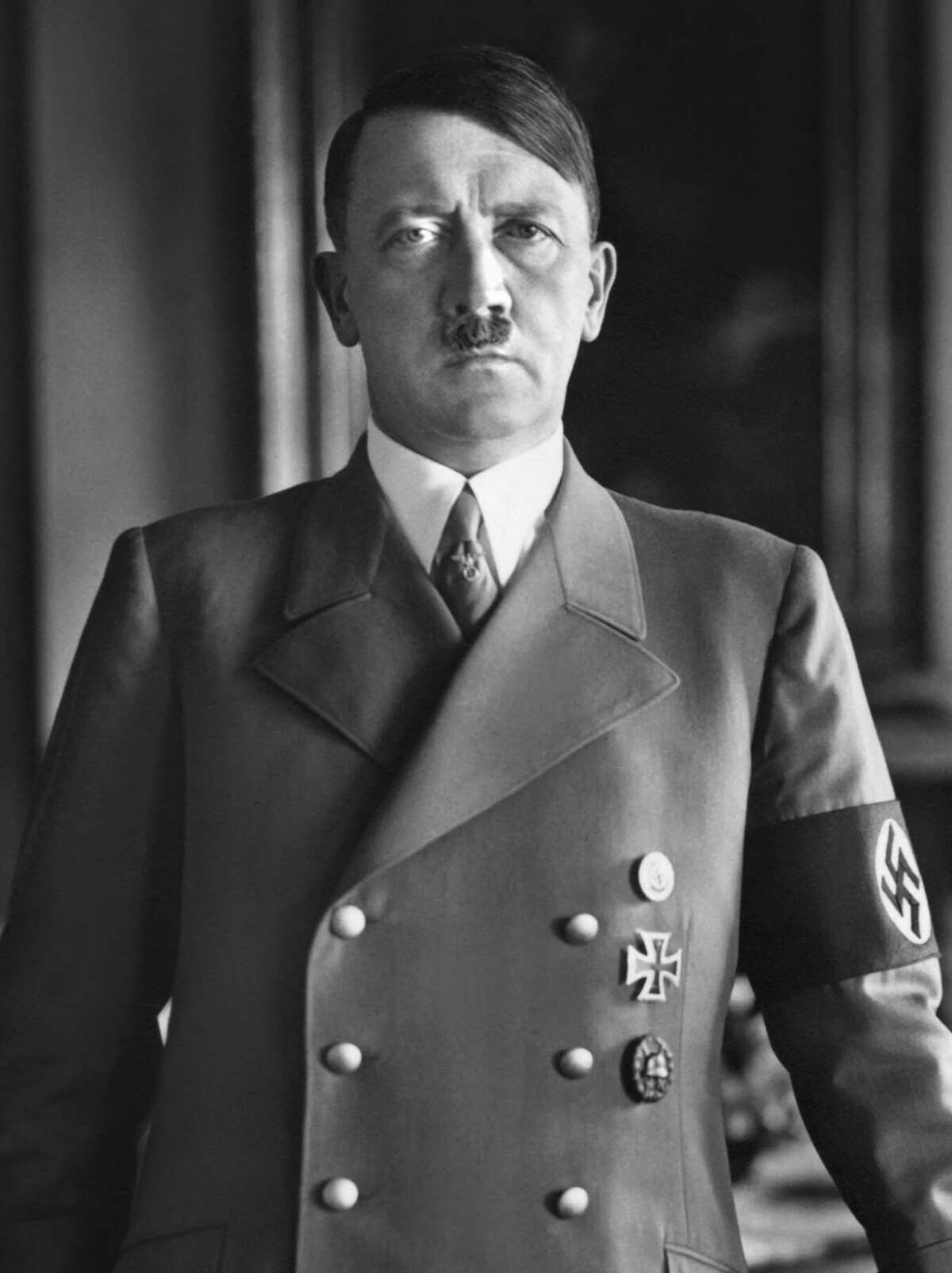
Adolf Hitler (Self, archive footage)
Played by Adolf Hitler
Historical archive presence that situates the Rome visit within the broader context of Nazi-Fascist power, though not a character driving the plot.
- 🎭 Historical figure
- 🗺️ Archive footage
- BM
Benito Mussolini (Self, archive footage)
Played by Benito Mussolini
The Italian dictator whose real-world visit frames the day’s events and the regime’s atmosphere of control and ceremony.
- 🎭 Historical figure
- 🗺️ Archive footage
- KV
King Victor Emmanuel III (Self, archive footage)
Played by King Victor Emmanuel III of Italy
A historical symbol of the regime whose presence via archive footage reminds viewers of the monarchy’s role in fascist Italy’s display of power.
- 🎭 Historical figure
- 🗺️ Archive footage
Where and When Is A Special Day Set?
A Special Day is set in Rome and Italy (4 May 1938). Here is why the time and place matter to the story.
When
4 May 1938
Set on a single day in spring 1938 fascist Rome, the narrative sits amid a climate of propaganda and social control. The era is marked by rigid gender roles, censorship, and a cult of personality around Mussolini. The day’s events reveal how ordinary people navigate oppression while clinging to personal yearnings.
Where
Rome, Italy
The film unfolds within a middle-class apartment building in Rome, juxtaposing a cramped domestic sphere with the city’s fascist public spectacle. The urban setting mirrors how politics infiltrates everyday life and personal relationships. The backdrop of a parade and looming regime creates tension between private desires and public duties.
- 🗺️ Rome
- 🏛️ Italy
What Are the Themes of A Special Day?
3 ideas the story keeps returning to, among them Forbidden love, Fascist control and Dual identity.
-
01
Forbidden love
Two strangers find a fragile connection across social boundaries: a housewife and a dismissed radio broadcaster who is anti-fascist and marginalized. Their encounter tests the regime’s moral codes and the couple’s own loyalties. The romance becomes a quiet act of resistance against surveillance and propriety. Yet it remains fragile, foreshadowing consequences under a regime that prizes conformity.
-
02
Fascist control
Public ceremonies, surveillance, and family duties press the characters toward conformity. The parade and the regime’s rhetoric enforce gender norms and moral policing. Antonietta’s personal longing clashes with Emanuele’s patriarchy and the state's expectations. Gabriele’s arrest later that day underscores the reach of repressive power and punishment for dissent.
-
03
Dual identity
Private desires clash with the roles imposed by home and nation. The relationship between Antonietta and Gabriele exposes inner truths that outward appearances mask. The film suggests identity is shaped by both intimate longing and social pressure. The ending emphasizes a fragile balance between personal awakening and social constraint.
What Kind of Film Is A Special Day?
Melancholic in tone, with slow pacing and a moderate story, going by the plot summary.
- Tone
- Melancholic
- Pacing
- Slow
- Story
- Moderate
- Intensity
- Medium
- Ending
- Bittersweet
A melancholic and intimate character study set against an oppressive political backdrop, where a day of solitude allows two lonely souls to form a brief, tender connection before being pulled back into their grim realities.
- melancholic
- oppressive
- lonely
- intimate
- reflective
- tense
- fascist italy
- unhappy marriage
- political persecution
- forbidden connection
Content notes: attempted suicide, political persecution, unhappy marriage.


