
A Majority of One 1961

Directed by
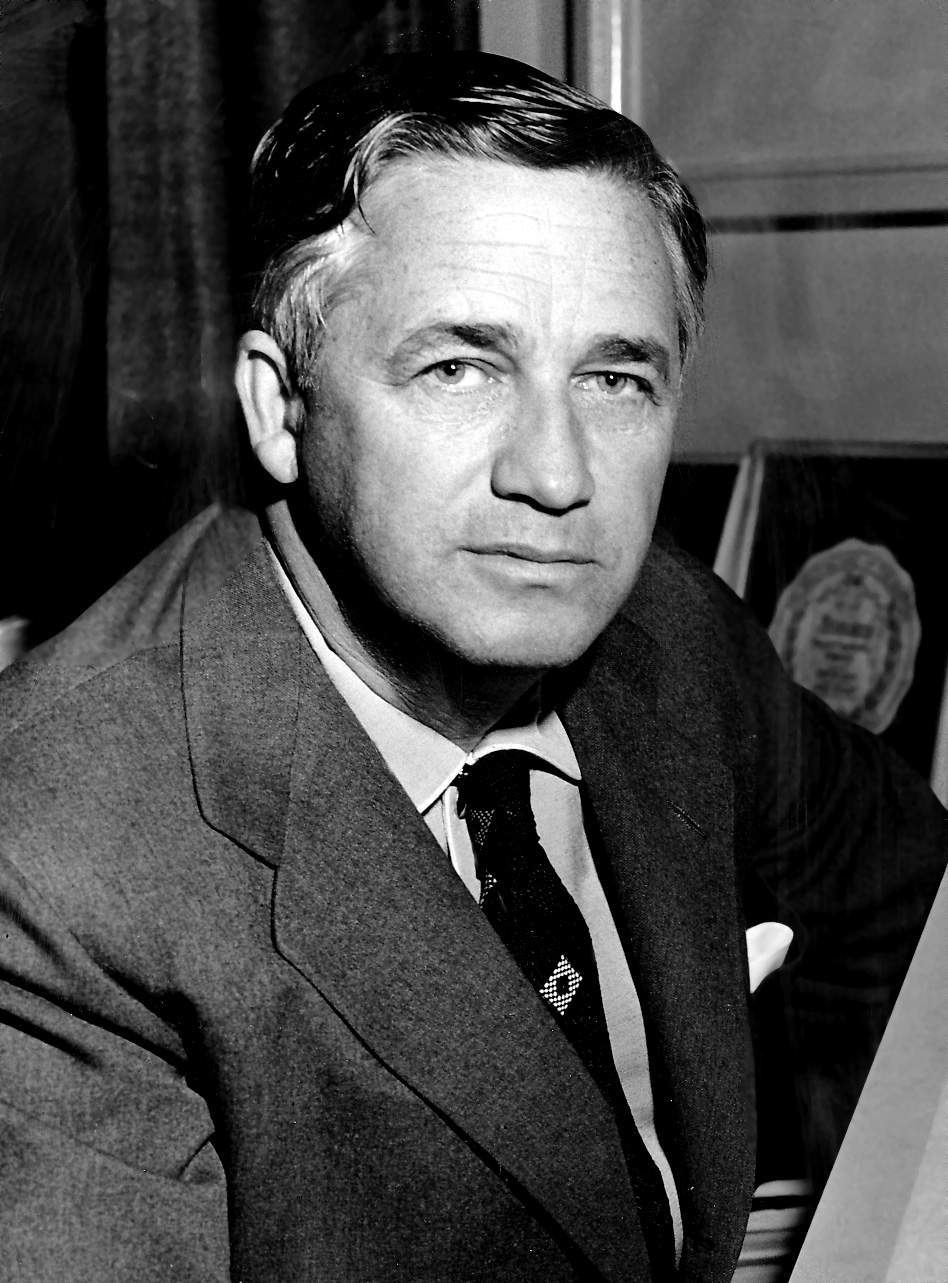
Mervyn LeRoy
Made by

Warner Bros. Pictures
Where to Watch A Majority of One
See current US streaming, rental, and purchase options for A Majority of One (1961) via JustWatch.

Streaming availability powered by 
A Majority of One Plot Summary
Read the complete plot summary and ending explained for A Majority of One (1961). From turning points to emotional moments, uncover what really happened and why it matters.
Bertha Jacoby, Rosalind Russell, a widow from Brooklyn, agrees to leave her familiar urban life after her daughter Alice Black, Madlyn Rhue, urges her to move to Tokyo so she can be near Alice and her husband Jerry Black, Ray Danton, who are stationed at the American embassy there. The plan is presented as a practical step for family unity, yet Bertha’s past wounds run deep—she has never fully recovered from the pain of her son’s death in World War II, a memory that haunts the idea of starting anew in a distant country. Alice and Jerry, who picture themselves as liberal and open-minded, still show a sharply polite arrogance toward Essie Rubin, Mae Questel, Bertha’s friend who worries that their Brooklyn neighborhood is being reshaped by ethnic minorities. Essie’s concerns are brushed aside by the couple, highlighting a friction between progressive self-image and unspoken biases.
On the voyage to Tokyo, Bertha encounters Koichi Asano, Alec Guinness, an affable and influential Japanese Buddhist businessman who is central to Jerry’s diplomatic circle. His courtesy contrasts with Bertha’s cool reserve as they navigate the chasm of mutual suspicions. Asano speaks honestly about loss, revealing that he, too, has carried grief: a son whose ship was destroyed by a dive bomber and a daughter who worked as a nurse in Hiroshima. His openness invites Bertha to see beyond her wounds, suggesting that shared sorrow can bridge cultural divides.
A quiet shift unfolds as Bertha and Asano receive one another with growing warmth, each finding in the other a kindred loneliness born of recent bereavement. They form an easy companionship, and Bertha’s guarded posture begins to soften—an evolution noticed by those around them. At a party, their dancing together signals a new closeness, though Jerry suspects a risk to his diplomatic mission, and Alice warns Bertha to avoid becoming entangled with someone who could sway her husband’s work and judgment. Asano senses Bertha’s renewed interest and offers thoughtful gestures, including gifts and social invitations, and he asks permission to court her with the gravity such a relationship deserves.
Bertha’s children weigh in with their concerns, opposing the idea of an interracial union and reproaching Essie’s earlier prejudices as they voice discomfort about the possibility of their mother forming a bond with a Japanese man. Bertha challenges the hypocrisy she sees, reminding them that prejudice is a two-edged blade and that judging others often reflects unresolved fear. The conversation leaves room for cautious optimism rather than certainty, and Bertha and Asano agree to proceed slowly, keeping their connection alive across the miles and through the realities of travel and diplomacy.
Time in New York follows, and a reunion reveals that enough moments have passed for them to consider a future together more openly. Asano accepts a post at the United Nations, signaling a path that could bring them closer in a world where cross-cultural partnerships are increasingly possible. The film paints a measured portrait of loneliness, resilience, and the slow work of healing, illustrating how two people might choose to navigate grief, prejudice, and the pull of companionship across national lines.
A Majority of One Timeline
Follow the complete movie timeline of A Majority of One (1961) with every major event in chronological order. Great for understanding complex plots and story progression.
Bertha agrees to move from Brooklyn to Tokyo
Widow Bertha Jacoby agrees, at her daughter's urging, to move from Brooklyn to Tokyo to be closer to Alice and Jerry, who are stationed at the American embassy. The move stirs tension with Essie, who worries about neighborhood changes and prejudice. Bertha also harbors resentment toward the Japanese for her son's death, which complicates the relocation.
Bertha meets Koichi Asano aboard the voyage
On the ship to Tokyo, Bertha encounters Koichi Asano, a gracious Japanese Buddhist businessman who is central to Jerry's mission. He asks whether he has offended her or whether she resents the Japanese, and he remains affable even as Bertha stays guarded.
Asano shares losses; Bertha opens up
Asano reveals his losses: a son whose ship was destroyed by a dive bomber and a daughter who worked as a nurse in Hiroshima. Bertha admits her resentment about her son's death, revealing the depth of pain that shapes her views. The two bond over shared grief, beginning to bridge their differences.
Bertha and Asano's bond grows during a party
Bertha starts returning Asano's politeness and tentative warmth. They dance at a party, and their connection deepens while her reticence slowly loosens. Jerry notices and disapproves, signaling future trouble.
Diplomatic friction arises from cultural missteps
The American diplomats neglect to learn Japanese language or customs, and Jerry's culturally awkward gestures insult Asano. The missteps derail negotiations and Asano walks away, citing the incident to the ambassador. The rift foreshadows ongoing problems in their relationship.
Bertha visits Asano's home; he courts her
To reconcile, Bertha visits Asano's home, where he showers her with lavish gifts and hospitality. He asks permission to formally court her by taking her to social events. Bertha agrees to consider the courtship, acknowledging many serious factors.
Daughter and son-in-law oppose interracial romance
When Bertha tells Alice and Jerry about the courtship, they object to the idea of an interracial marriage. Bertha confronts their hypocrisy, pointing out their criticisms of Essie's prejudice. The family remains uneasy about the potential match.
Bertha pauses the courtship; too soon?
Asano asks to court her more formally, but Bertha declares it is too soon. They acknowledge loneliness and the need to move carefully, agreeing to continue seeing each other during his frequent trips. The tension between affection and caution deepens.
Bertha contemplates returning to New York
Bertha resolves that she might return to New York, yet she and Asano agree to keep seeing each other on his travels. They balance distance with their ongoing feelings and the possibility of a bigger future. The arrangement keeps hope alive while geography complicates matters.
Reunion in New York; UN post offers a future
Sometime later in New York, Bertha and Asano reconnect. They decide enough time has passed to explore a future together, as Asano has accepted a post at the United Nations. The development opens a path for a transpacific relationship.
A Majority of One Characters
Explore all characters from A Majority of One (1961). Get detailed profiles with their roles, arcs, and key relationships explained.
Bertha Jacoby (Rosalind Russell)
An American widow from Brooklyn who harbors resentment toward the Japanese for wartime losses. She is wary and socially sharp, yet capable of warmth when she connects with Koichi Asano. Her arc centers on confronting prejudice and choosing between fear and the possibility of a new bond.
Koichi Asano (Alec Guinness)
A affable Japanese Buddhist businessman who is important to Jerry's diplomatic mission. He has suffered personal losses: a son killed when his ship was destroyed by a dive bomber and a daughter who died in Hiroshima. He treats Bertha with graciousness and seeks a cautious courtship.
Alice Black (Madlyn Rhue)
Bertha's daughter, who arranges the move to Tokyo and is portrayed as liberal yet condescending toward Essie. She and her husband Jerry raise concerns about interracial relationships and social prejudice while appearing self-righteous.
Jerry Black (Ray Danton)
Alice's husband and a diplomat who presides over the diplomatic mission. He sometimes misreads cultural cues and insults Asano, creating tension in negotiations. His actions reflect the clash between official duty and personal bias.
Essie Rubin (Mae Questel)
Bertha's friend who voices concerns about ethnic minorities; she faces condescension from Alice's circle and challenges Bertha to confront prejudice. Essie represents a counterpoint to the liberal veneer of the others and underscores social tensions.
Captain Norcross (Alan Mowbray)
A shipboard figure involved in coordinating Bertha's voyage and early interactions with Asano's circle. He embodies the formal, bureaucratic side of cross-cultural travel and diplomacy.
A Majority of One Settings
Learn where and when A Majority of One (1961) takes place. Explore the film’s settings, era, and how they shape the narrative.
Time period
Post-World War II era (late 1940s–early 1950s)
The story unfolds in the years after World War II, when memory of the war and Hiroshima shapes attitudes toward Japan. Loss and trauma haunt Bertha and Koichi as they navigate romance and family pressure. The narrative moves from a wartime context on a ship to peacetime diplomacy at embassies and the United Nations.
Location
Brooklyn, New York, Tokyo, Japan, New York (United Nations)
The action spans Bertha's Brooklyn home, a voyage to Tokyo, and later diplomatic hubs in Tokyo and New York. The settings juxtapose bustling city life with intimate moments at social gatherings and private homes. These places frame the clash between wartime memories, prejudice, and the hope for cross-cultural connection.
A Majority of One Themes
Discover the main themes in A Majority of One (1961). Analyze the deeper meanings, emotional layers, and social commentary behind the film.
❤️
Interracial Love
Bertha's tentative romance with Koichi Asano challenges the era's racial boundaries and social expectations. The couple's courtship becomes a test of family loyalty, cultural pride, and personal healing after wartime losses. The story uses their relationship to explore hypocrisy in liberal attitudes toward race. The connection grows through mutual vulnerability, even as external pressures threaten to tear them apart.
🕊️
Memory and Loss
Both Bertha and Asano carry the weight of loved ones who died in the war—the son Bertha mourns and a daughter who died in Hiroshima. Their shared grief becomes the glue that allows a fragile trust to form, even as past traumas complicate present choices. The memory of battle and destruction colors their perceptions of reconciliation and risk.
🗺️
Diplomacy and Clashes
Jerry and the American diplomats often fail to learn Japanese language and customs, leading to misunderstandings and missteps that threaten negotiations. The lack of cultural literacy highlights how personal bias can derail diplomatic work. Reconciliation in the story requires empathy, patience, and a willingness to listen across cultural divides.
👵
Aging and Loneliness
Bertha's loneliness and longing for companionship drive her toward a cautious romance, even as family expectations and prejudice pull her in opposite directions. The narrative uses her evolving relationship with Asano to explore how aging individuals seek connection after loss. The journey toward possible happiness becomes a test of courage and self-definition.

Coming soon on iOS and Android
The Plot Explained Mobile App
From blockbusters to hidden gems — dive into movie stories anytime, anywhere. Save your favorites, discover plots faster, and never miss a twist again.
Sign up to be the first to know when we launch. Your email stays private — always.
Explore the mobile appA Majority of One Spoiler-Free Summary
Discover the spoiler-free summary of A Majority of One (1961). Get a concise overview without any spoilers.
In a warm, gently comic adaptation of a beloved stage play, the story follows an unlikely romance that blossoms across continents. A widowed Brooklyn matriarch journeys far from the familiar streets of New York to the bustling, orderly world of post‑war Tokyo, where she meets a Japanese businessman who has also lost his partner. Their connection offers a soft, hopeful exploration of love that must bridge language, tradition, and the lingering shadows of personal loss.
Bertha Jacoby is a strong‑willed but deeply grieving mother who is urged by her daughter Alice Black and son‑in‑law Jerry Black to relocate for family unity. Though her heart is still marked by the tragedy of her own son’s death in World War II, Bertha’s cautious optimism begins to shift when she encounters Koichi Asano, a cultured Buddhist entrepreneur who moves within the diplomatic circles surrounding the American embassy. Their first meetings are marked by polite curiosity, each sensing a shared loneliness beneath the veneer of propriety. The story also introduces Essie Rubin, a longtime friend who reflects the subtle cultural tensions simmering in the Brooklyn enclave they leave behind.
The film’s tone is both tender and quietly witty, painting a world where polite conversation hides deeper anxieties. Tokyo’s sleek urban landscape contrasts with the close‑knit, immigrant‑rich neighborhoods of Brooklyn, creating a backdrop that feels both foreign and familiar. Within this milieu, moments of humor arise from the characters’ attempts to navigate etiquette, while a gentle melancholy underscores their yearning for connection and redemption.
At its heart, the narrative focuses on two people who, despite the weight of their histories and the expectations of those around them, discover that kindness and forgiveness can bridge even the widest cultural chasms. Their growing bond hints at the transformative power of empathy, inviting viewers to wonder how love might flourish when both parties choose to look beyond prejudice and embrace the possibility of a shared future.
Movies with Similar Twists and Themes
Uncover films that echo the narrative beats, emotional arcs, or dramatic twists of the one you're exploring. These recommendations are handpicked based on story depth, thematic resonance, and spoiler-worthy moments — perfect for fans who crave more of the same intrigue.





Featured on this page

What's After the Movie?
Not sure whether to stay after the credits? Find out!
Check out our other apps:

SAT Sphere
Build confidence for the Digital SAT.

Mori Atlas
Discover wild places worth protecting.

Luntero
Search smarter for a home in Amsterdam.

Plot Explained
Unravel movie endings and hidden clues.

Pokechamp
Dive into Pokémon data and battle logic.

Driving Theory
Get ready for your European theory test.

Movie Dust
Plan your next cinema trip with ease.

Musemap
Find art and culture as you travel.

Selkobase
Compare credentials before committing.

Local Manual
Turn an unfamiliar country into practical next steps.

Lernavi
Compare school systems before your next move.

GymRoam
Find a workout stop wherever your plans take you.
Explore Our Movie Platform
New Movie Releases (2026)
Famous Movie Actors
Top Film Production Studios
Movie Plot Summaries & Endings
Major Movie Awards & Winners
Best Concert Films & Music Documentaries
Movie Collections and Curated Lists
© 2026 What's After the Movie. All rights reserved.
Privacy Policy