A Majority of One 1961


A vibrant screen adaptation of the beloved stage hit, it follows a gentle romance between a Japanese widower businessman and a Brooklyn widow. As they fall for each other, both must confront cultural differences and past sorrows, rediscovering tolerance, kindness and forgiveness before they can embrace a happy future.

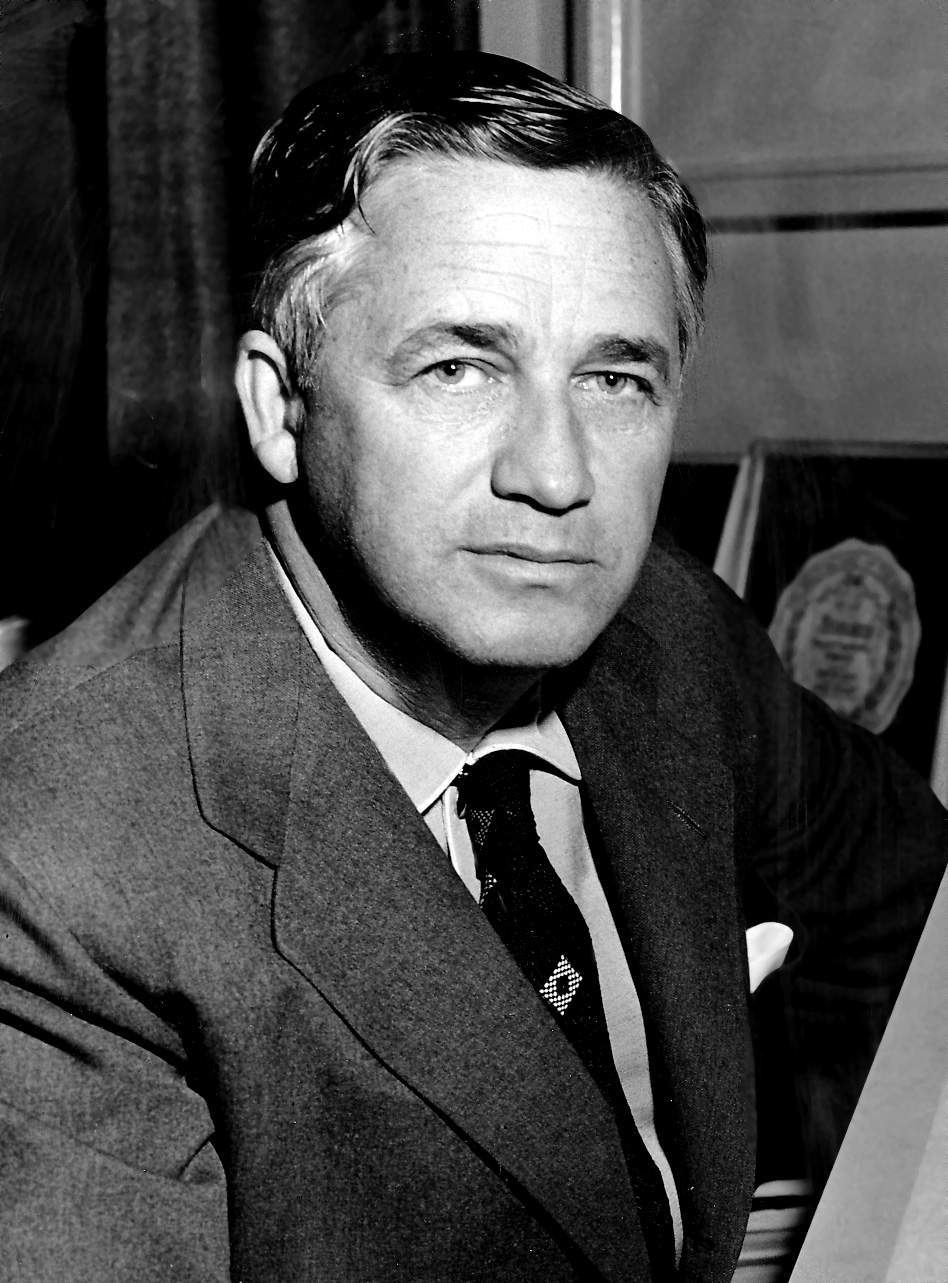

Does A Majority of One have end credit scenes?
No!
A Majority of One does not have end credit scenes. You can leave when the credits roll.
Where to Watch A Majority of One
See current US streaming, rental, and purchase options for A Majority of One (1961) via JustWatch.

Streaming availability powered by 
Meet the Full Cast and Actors of A Majority of One
Explore the complete cast of A Majority of One, including both lead and supporting actors. Learn who plays each character, discover their past roles and achievements, and find out what makes this ensemble cast stand out in the world of film and television.

Alec Guinness
Koichi Asano

Alan Mowbray
Captain Norcross
Yuki Shimoda
Mr. Asano's Secretary
Madlyn Rhue
Alice Black
Mae Questel
Essie Rubin
Rosalind Russell
Bertha Jacoby
Gary Vinson
Mr. McMillan
Frank Wilcox
Noah Putnam
Harriet E. MacGibbon
Lily Putnam
Sharon Hugueny
Bride
Francis De Sales
American Embassy Representative
Marc Marno
Eddie
External Links and Streaming Options
Discover where to watch A Majority of One online, including streaming platforms, rental options, and official sources. Compare reviews, ratings, and in-depth movie information across sites like IMDb, TMDb, Wikipedia or Letterboxd.





Take the Ultimate A Majority of One Movie Quiz
Challenge your knowledge of A Majority of One with this fun and interactive movie quiz. Test yourself on key plot points, iconic characters, hidden details, and memorable moments to see how well you really know the film.
A Majority of One (1961) Quiz: Test your knowledge of the 1961 film *A Majority of One*, its characters, themes, and plot details.
Who plays the role of Bertha Jacoby, the widowed mother from Brooklyn?
Full Plot Summary and Ending Explained for A Majority of One
Read the complete plot summary of A Majority of One, including all major events, twists, and the full ending explained in detail. Explore key characters, themes, hidden meanings, and everything you need to understand the story from beginning to end.
Bertha Jacoby, Rosalind Russell, a widow from Brooklyn, agrees to leave her familiar urban life after her daughter Alice Black, Madlyn Rhue, urges her to move to Tokyo so she can be near Alice and her husband Jerry Black, Ray Danton, who are stationed at the American embassy there. The plan is presented as a practical step for family unity, yet Bertha’s past wounds run deep—she has never fully recovered from the pain of her son’s death in World War II, a memory that haunts the idea of starting anew in a distant country. Alice and Jerry, who picture themselves as liberal and open-minded, still show a sharply polite arrogance toward Essie Rubin, Mae Questel, Bertha’s friend who worries that their Brooklyn neighborhood is being reshaped by ethnic minorities. Essie’s concerns are brushed aside by the couple, highlighting a friction between progressive self-image and unspoken biases.
On the voyage to Tokyo, Bertha encounters Koichi Asano, Alec Guinness, an affable and influential Japanese Buddhist businessman who is central to Jerry’s diplomatic circle. His courtesy contrasts with Bertha’s cool reserve as they navigate the chasm of mutual suspicions. Asano speaks honestly about loss, revealing that he, too, has carried grief: a son whose ship was destroyed by a dive bomber and a daughter who worked as a nurse in Hiroshima. His openness invites Bertha to see beyond her wounds, suggesting that shared sorrow can bridge cultural divides.
A quiet shift unfolds as Bertha and Asano receive one another with growing warmth, each finding in the other a kindred loneliness born of recent bereavement. They form an easy companionship, and Bertha’s guarded posture begins to soften—an evolution noticed by those around them. At a party, their dancing together signals a new closeness, though Jerry suspects a risk to his diplomatic mission, and Alice warns Bertha to avoid becoming entangled with someone who could sway her husband’s work and judgment. Asano senses Bertha’s renewed interest and offers thoughtful gestures, including gifts and social invitations, and he asks permission to court her with the gravity such a relationship deserves.
Bertha’s children weigh in with their concerns, opposing the idea of an interracial union and reproaching Essie’s earlier prejudices as they voice discomfort about the possibility of their mother forming a bond with a Japanese man. Bertha challenges the hypocrisy she sees, reminding them that prejudice is a two-edged blade and that judging others often reflects unresolved fear. The conversation leaves room for cautious optimism rather than certainty, and Bertha and Asano agree to proceed slowly, keeping their connection alive across the miles and through the realities of travel and diplomacy.
Time in New York follows, and a reunion reveals that enough moments have passed for them to consider a future together more openly. Asano accepts a post at the United Nations, signaling a path that could bring them closer in a world where cross-cultural partnerships are increasingly possible. The film paints a measured portrait of loneliness, resilience, and the slow work of healing, illustrating how two people might choose to navigate grief, prejudice, and the pull of companionship across national lines.

Coming soon on iOS and Android
The Plot Explained Mobile App
From blockbusters to hidden gems — dive into movie stories anytime, anywhere. Save your favorites, discover plots faster, and never miss a twist again.
Sign up to be the first to know when we launch. Your email stays private — always.
Explore the mobile appDiscover Film Music Concerts Near You – Live Orchestras Performing Iconic Movie Soundtracks
Immerse yourself in the magic of cinema with live orchestral performances of your favorite film scores. From sweeping Hollywood blockbusters and animated classics to epic fantasy soundtracks, our curated listings connect you to upcoming film music events worldwide.
Explore concert film screenings paired with full orchestra concerts, read detailed event information, and secure your tickets for unforgettable evenings celebrating legendary composers like John Williams, Hans Zimmer, and more.


Cars Featured in A Majority of One
Explore all cars featured in A Majority of One, including their makes, models, scenes they appear in, and their significance to the plot. A must-read for car enthusiasts and movie buffs alike.
A Majority of One Themes and Keywords
Discover the central themes, ideas, and keywords that define the movie’s story, tone, and message. Analyze the film’s deeper meanings, genre influences, and recurring concepts.
A Majority of One Other Names and Titles
Explore the various alternative titles, translations, and other names used for A Majority of One across different regions and languages. Understand how the film is marketed and recognized worldwide.
Similar Movies To A Majority of One You Should Know About
Browse a curated list of movies similar in genre, tone, characters, or story structure. Discover new titles like the one you're watching, perfect for fans of related plots, vibes, or cinematic styles.






Quick Links: Summary, Cast, Ratings, More

What's After the Movie?
Not sure whether to stay after the credits? Find out!
Check out our other apps:

SAT Sphere
Build confidence for the Digital SAT.

Mori Atlas
Discover wild places worth protecting.

Luntero
Search smarter for a home in Amsterdam.

Plot Explained
Unravel movie endings and hidden clues.

Pokechamp
Dive into Pokémon data and battle logic.

Driving Theory
Get ready for your European theory test.

Movie Dust
Plan your next cinema trip with ease.

Musemap
Find art and culture as you travel.

Selkobase
Compare credentials before committing.

Local Manual
Turn an unfamiliar country into practical next steps.

Lernavi
Compare school systems before your next move.

GymRoam
Find a workout stop wherever your plans take you.
Explore Our Movie Platform
New Movie Releases (2026)
Famous Movie Actors
Top Film Production Studios
Movie Plot Summaries & Endings
Major Movie Awards & Winners
Best Concert Films & Music Documentaries
Movie Collections and Curated Lists
© 2026 What's After the Movie. All rights reserved.
Privacy Policy