
The Wedding Banquet 1993

Directed by
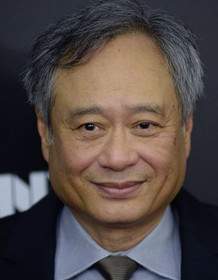
Ang Lee
Made by

Ang Lee Productions
Where to Watch The Wedding Banquet
See current US streaming, rental, and purchase options for The Wedding Banquet (1993) via JustWatch.


Streaming availability powered by 
The Wedding Banquet Plot Summary
Read the complete plot summary and ending explained for The Wedding Banquet (1993). From turning points to emotional moments, uncover what really happened and why it matters.
Gao Wai-Tung [Winston Chao] is a gay Taiwanese immigrant living in Manhattan with his partner [Mitchell Lichtenstein]. He has not come out to his traditional-minded parents back in Taiwan, who are eagerly hoping to see him marry and start a family to carry on the family line. To buy time, Wai-Tung and [Mitchell Lichtenstein] concoct a series of impossible demands for a dating service—demands that include an opera singer who must be 5’9”, hold two PhDs, and speak five languages. To their surprise, the service does locate a 5’8” Chinese woman who meets all but one qualification, possessing only one PhD. She is gracious and understanding when Wai-Tung explains his dilemma, and she is also hiding a relationship with a white man from her own family.
At Simon’s insistence, Wai-Tung considers marrying one of his tenants, Wei-Wei [May Chin], a penniless artist from mainland China who needs a green card. Besides helping Wei-Wei, the couple hope this arrangement will placate Wai-Tung’s parents. To smooth things over, Simon is described as Wai-Tung’s landlord, and the couple hastily remove gay imagery from the home while replacing it with Mandarin calligraphy to suit their parents’ expectations. Mr. and Mrs. Gao arrive bearing gifts and US$30,000 to fund an extravagant wedding, assuming Wai-Tung has a wealthy fiancée. Wai-Tung dares not tell them the truth, partly because his father suffers from the aftereffects of a recent stroke, and partly for the sake of appearances.
The next day, Wai-Tung announces plans to marry Wei-Wei, with the ceremony to be conducted by a Justice of the Peace [Michael Gaston]. To his parents’ eyes, this will be a perfectly respectable arrangement, but the disappointment in his mother’s face during the courthouse ceremony weighs heavily on Wai-Tung. To redeem the situation, he accepts an offer of a grand wedding banquet from Mr. Gao’s former batman, now a restaurant and reception hall owner, and the family preparations spiral into a lavish celebration. After the banquet, a boisterous crowd of relatives and friends bursts into the bridal suite for an after-party and they insist that the newlyweds prove their bond by getting into bed together, naked, before they will leave. The revelry leads to Wei-Wei’s unexpected pregnancy, and Simon’s distress at the turn of events triggers a heated dispute that threatens the couple’s fragile balance and Wei-Wei’s safety.
Mr. Gao endures another stroke, and in a moment of anger after the fight, Wai-Tung finally tells his mother the truth. She is shocked and begs him not to reveal it to his father, but Mr. Gao—clever and perceptive—has already seen more than he lets on. He speaks softly with Simon, acknowledging the hidden reality of their relationship and treating Simon as part of the family, even offering him a hongbao as a formal, if reluctant, recognition. He asks Simon to keep quiet about the arrangement, arguing that without the sham marriage, there would be no grandchild to carry on the family line. Wei-Wei, navigating the moral maze of love, pregnancy, and loyalty, decides to keep the baby and asks Simon to remain with Wai-Tung and to be a father figure as well.
As the Gaos prepare to depart, Mr. Gao warmly shakes Simon’s hand, signaling a rare, hopeful accord across a world of misunderstanding. Mrs. Gao offers Wei-Wei a fond farewell, and the group boards their plane with a sense of fragile, newly formed family ties that defy conventional expectations. In the quiet moments after the departure, the ensemble must figure out how to redefine love, duty, and belonging in a landscape that has long treated their identities as secrets to be kept rather than truths to be celebrated.
The Wedding Banquet Timeline
Follow the complete movie timeline of The Wedding Banquet (1993) with every major event in chronological order. Great for understanding complex plots and story progression.
Wai-Tung and Simon's life in Manhattan
Wai-Tung and his partner Simon live openly as a couple in Manhattan, but Wai-Tung has not come out to his traditional parents in Taiwan. They navigate a future where family expectations loom while keeping their relationship private. The tension between desire for freedom and cultural duty threads through their daily life.
Parents hire a dating service
Mr. and Mrs. Gao hire a dating service back in Taiwan to find a suitable fiancé for their son. The couple tries to stall by inventing ridiculous requirements that seem impossible to meet. The agency begins a search that will pull Wai-Tung into a deception about his life.
The service finds an almost perfect fiancée
The service locates a woman who is nearly perfect in many regards, though she has only one PhD instead of two. She is gracious and understands their predicament, while concealing her own secret relationship with a white man. Wai-Tung and Simon reluctantly commit to the plan and prepare to present her to his parents.
Simon trains Wei-Wei and hides their life
Simon explains Wai-Tung's habits and lifestyle to Wei-Wei so the pair can pretend a conventional marriage. They strip the apartment of gay imagery and replace it with Mandarin calligraphy to convey a respectable, traditional home. The deception is designed to placate Wai-Tung's parents and secure the sham.
Gao parents arrive with gifts and cash
Mr. and Mrs. Gao arrive to visit their son, bringing gifts and US$30,000 to fund an extravagant wedding. They believe Wai-Tung is engaged to a wealthy fiancée and begin to plan a grand celebration. The lie expands as the family prepares to meet the ‘fiancée’.
Announcement of a JP wedding
The day after the Gaos arrive, Wai-Tung announces that he and Wei-Wei plan to marry before a Justice of the Peace. The news sets expectations high and puts pressure on everyone to maintain the deception. His mother experiences a quiet heartbreak at the idea of a small courthouse ceremony.
Courthouse wedding and mother's heartbreak
Wai-Tung and Wei-Wei proceed with a courthouse wedding, but the arrangement exposes Wei-Wei's lower social status and provokes heartbreak in Wai-Tung's mother. The family tries to hide their disappointment while continuing the lie for the sake of family harmony. This moment tests Wai-Tung's loyalty to both partners.
Lavish banquet to salvage honor
To salvage the situation, Wai-Tung accepts an extravagant wedding banquet offered by Mr. Gao's former batman, who now runs a restaurant and reception hall. The event is designed to impress relatives and seal the sham marriage. The guests arrive with frenetic energy, heightening the pressure to perform the perfect family image.
After-party and the pregnancy
An after-party in the bridal suite devolves into demands that the couple consummate their marriage, and Wei-Wei becomes pregnant. The unexpected turn complicates the ruse and triggers a crisis for the trio. The moment marks a turning point in their relationships.
Simon's anger and the fraying bond
Simon is furious when the pregnancy and deception are revealed, and the tension among Wai-Tung, Wei-Wei, and Simon mounts. The strain threatens to break the fragile arrangement and tests each partner's commitment. The fallout changes the dynamics of their unconventional family.
Mr. Gao's second stroke and confession
Mr. Gao suffers another stroke, and in anger after the fight Wai-Tung confesses the truth to his mother. She is shocked and pleads with him to keep the truth from Wai-Tung's father. Meanwhile, Mr. Gao senses more of the truth and begins to treat Simon as family.
Gao's acknowledgment and hongbao
Mr. Gao reveals that he knows about Wai-Tung and Simon's relationship and considers Simon his son. He hands Simon a hongbao and asks him to keep the truth secret so that the family can still have a grandchild. The gesture deepens the bond between the three and cements a nontraditional family.
Wei-Wei decides to keep the baby
On the way to an abortion appointment, Wei-Wei decides to keep the baby and asks Simon to stay with Wai-Tung as the baby's father too. Their decision reframes their commitments and softens the earlier hostility. The trio contemplates a redefined family beyond the wedding ruse.
Airport farewell and new beginnings
At the airport, Mr. Gao warmly accepts Simon and shakes his hand as the Gaos depart. Mrs. Gao bids Wei-Wei farewell, and the unconventional new family is left to figure out their future together, free from the illusion of a traditional marriage.
The Wedding Banquet Characters
Explore all characters from The Wedding Banquet (1993). Get detailed profiles with their roles, arcs, and key relationships explained.
Wai-Tung Gao (Winston Chao)
A gay Taiwanese immigrant in Manhattan who hides his relationship with Simon to appease traditional parents. He orchestrates a fake marriage to Wei-Wei, juggling love, duty, and the fear of rejection. His choices reveal a conflict between personal happiness and family obligation, along with a willingness to sacrifice for others.
Simon (Mitchell Lichtenstein)
Wai-Tung's partner, who becomes entangled in the lie of the marriage. He is emotionally protective, sometimes blunt, and grapples with the toll the deceit takes on their relationship. His loyalty is tested as the truth surfaces and the meaning of family evolves.
Wei-Wei (May Chin)
A penniless artist from mainland China who agrees to a sham engagement for a green card. She navigates precarious social and economic pressures, and her pregnancy shifts the dynamics of the trio. Her resilience and pragmatic kindness help propel the central conflict toward resolution.
Mr. Gao (Lung Sihung)
Wai-Tung's father, a retired army officer who has recently suffered a stroke. He is perceptive and compassionate, recognizing the love between Wai-Tung and Simon and offering a quiet acceptance that challenges traditional expectations.
Mrs. Gao (Gua Ah-leh)
Wai-Tung's mother, deeply traditional and concerned with appearances and family honor. She wrestles with the secret and the upcoming visit from her son’s life that defies convention, but she also shows warmth and care beneath her rigid exterior.
Justice of the Peace (Michael Gaston)
The official who performs the courthouse wedding, inadvertently symbolizing the formalities that mask deeper truths. His role underscores the legal veneer of the sham marriage and its consequences for all involved.
Baby (Mason Lee)
The unborn child who becomes a powerful symbol of a newly formed, non-traditional family. The pregnancy acts as a catalyst for honesty and acceptance among the central characters.
The Wedding Banquet Settings
Learn where and when The Wedding Banquet (1993) takes place. Explore the film’s settings, era, and how they shape the narrative.
Time period
early 1990s
The film is anchored in the early 1990s, a period of bustling urban life in New York and evolving attitudes toward sexuality and immigration. The era’s social mores influence how characters navigate coming out, marriage, and family expectations. The presence of a traditional, stroke-afflicted father and a modern, cosmopolitan city creates a clash of old and new values. The timeframe supports the film’s blend of humor, drama, and cultural negotiation.
Location
Manhattan, New York, Taiwan, Mainland China
The story unfolds primarily in Manhattan, depicting the dense urban life of a Taiwanese immigrant couple and their social circle. It also traverses back to Taiwan where traditional expectations and family duties loom large. Wei-Wei's mainland China background adds another cultural layer, highlighting differing social norms. The setting serves as a backdrop for comedies of disguise and reconciliation across cultures.
The Wedding Banquet Themes
Discover the main themes in The Wedding Banquet (1993). Analyze the deeper meanings, emotional layers, and social commentary behind the film.
🏳️🌈
Identity
Identity is tested as Wai-Tung and Simon conceal their relationship from family and society. The film tracks the emotional cost of hiding one’s true self to preserve relationships and social standing. It also explores what happens when personal happiness collides with cultural and familial expectations. The resolution questions whether authenticity can survive under the weight of appearances.
👪
Family
Family loyalties drive the plot, forcing characters to choose between tradition and love. The parents’ desire for a proper marriage clashes with the couple’s reality, prompting a complex redefinition of kinship. The narrative shows how family bonds can adapt through honesty, sacrifice, and unexpected acts of acceptance. It highlights the idea that family can extend beyond biological ties.
🌐
Culture clash
The film juxtaposes Taiwanese tradition with American urban life, revealing misunderstandings and negotiations across cultures. The wedding banquet becomes a symbolic arena where appearances are maintained while truth brews beneath the surface. Language, class, and gender norms are navigated as characters seek harmony. Immigration themes underscore how identity is negotiated within two different worlds.
🔍
Secrets
A staged marriage hinges on deception, driving humor and conflict throughout the story. Truths emerge gradually, forcing characters to confront consequences of living a lie. The narrative treats honesty as a courageous act that can redefine family dynamics. The eventual revelations reshape how love and duty are balanced.

Coming soon on iOS and Android
The Plot Explained Mobile App
From blockbusters to hidden gems — dive into movie stories anytime, anywhere. Save your favorites, discover plots faster, and never miss a twist again.
Sign up to be the first to know when we launch. Your email stays private — always.
Explore the mobile appThe Wedding Banquet Spoiler-Free Summary
Discover the spoiler-free summary of The Wedding Banquet (1993). Get a concise overview without any spoilers.
In bustling Manhattan, Wai‑Tung lives a comfortable, modern life with his partner Mitchell, both settled into a world of art, music, and quiet intimacy. Yet across the ocean, his traditional Taiwanese parents cling to the expectations of generations past, dreaming of a son who will marry, produce heirs, and honor the family line. Their impending visit brings a polite pressure that collides with Wai‑Tung’s carefully constructed reality, setting the stage for a delicate balancing act between filial duty and personal truth.
When the looming wedding becomes an unavoidable point of tension, Wai‑Tung’s attention turns to Wei‑Wei, a bright‑eyed artist from mainland China who faces her own immigration hurdles. Her need for a green card and her willingness to help preserve the family façade intertwine their fates, creating a partnership that is as pragmatic as it is fraught with cultural nuance. The prospect of a marriage of convenience offers a temporary solution, but it also summons a cascade of expectations, from opulent banquet halls to lovingly arranged rituals that echo the couple’s ancestral roots.
The film swirls with lively humor and heartfelt observation, painting a portrait of a multicultural family gathering under one roof. The bustling cityscape becomes a backdrop for intimate conversations about identity, tradition, and the ever‑shifting definition of “home.” As Mr. Gao and Mrs. Gao arrive with generous gifts and a hopeful vision of the future, the household transforms into a stage where language, customs, and generational hopes play out in equal measure.
Through bright colors, bustling kitchens, and a soundtrack that blends Eastern melodies with Western beats, the story explores the comedy and chaos that arise when love, obligation, and authenticity intersect. It invites the audience to wonder how far one will go to keep peace with family while staying true to the self, all set against the vibrant tapestry of a New York that never ceases to surprise.
Movies with Similar Twists and Themes
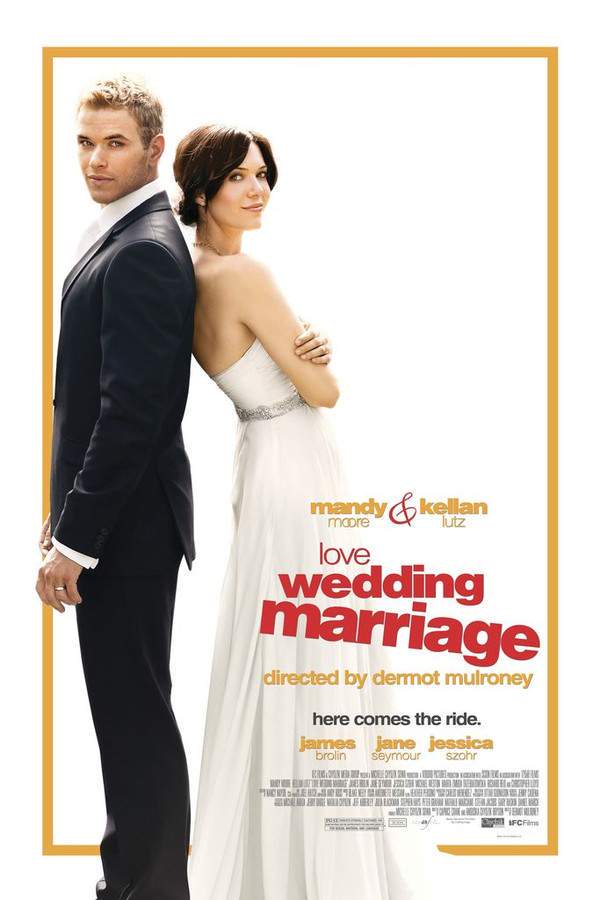
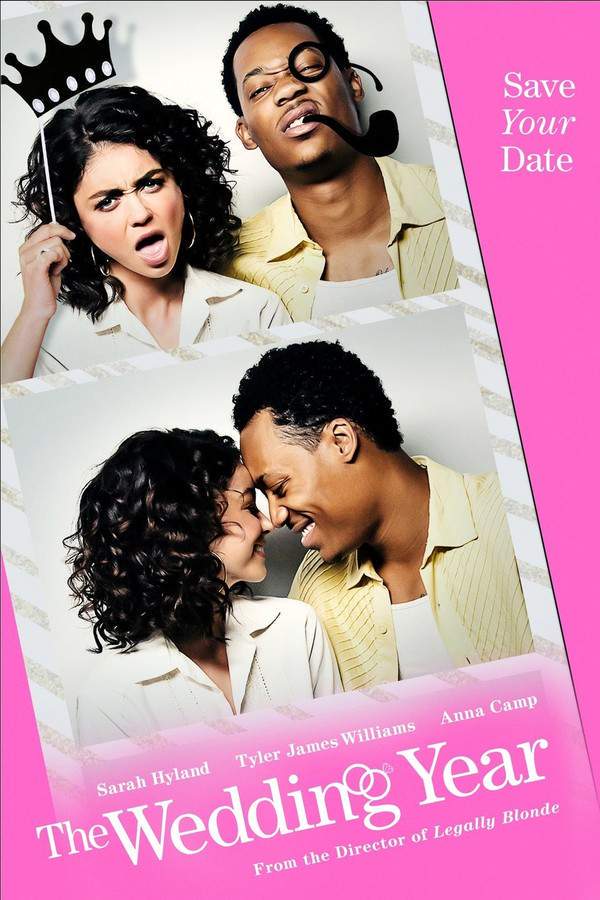
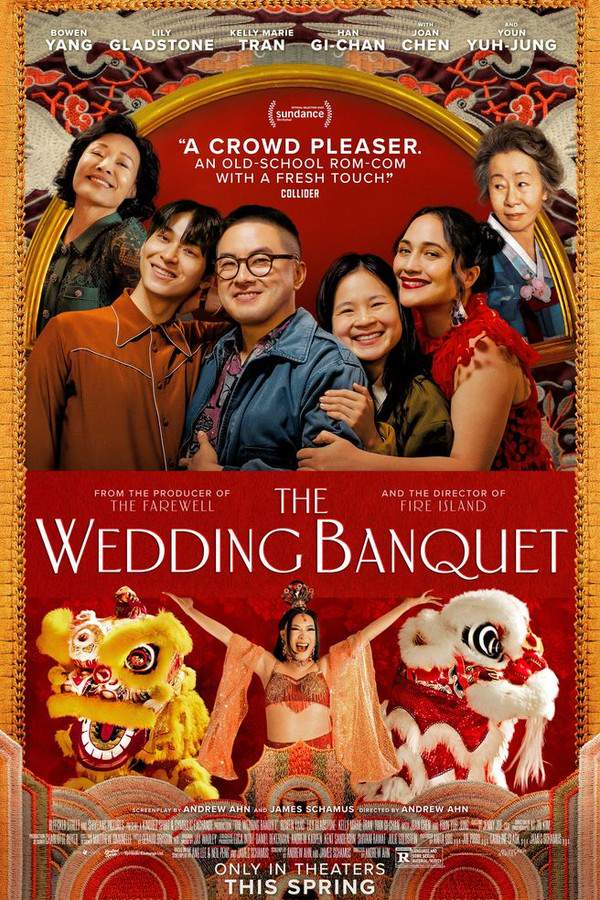
Uncover films that echo the narrative beats, emotional arcs, or dramatic twists of the one you're exploring. These recommendations are handpicked based on story depth, thematic resonance, and spoiler-worthy moments — perfect for fans who crave more of the same intrigue.



Featured on this page

What's After the Movie?
Not sure whether to stay after the credits? Find out!
Check out our other apps:

SAT Sphere
Build confidence for the Digital SAT.

Mori Atlas
Discover wild places worth protecting.

Luntero
Search smarter for a home in Amsterdam.

Plot Explained
Unravel movie endings and hidden clues.

Pokechamp
Dive into Pokémon data and battle logic.

Driving Theory
Get ready for your European theory test.

Movie Dust
Plan your next cinema trip with ease.

Musemap
Find art and culture as you travel.

Selkobase
Compare credentials before committing.

Local Manual
Turn an unfamiliar country into practical next steps.

Lernavi
Compare school systems before your next move.

GymRoam
Find a workout stop wherever your plans take you.
Explore Our Movie Platform
New Movie Releases (2026)
Famous Movie Actors
Top Film Production Studios
Movie Plot Summaries & Endings
Major Movie Awards & Winners
Best Concert Films & Music Documentaries
Movie Collections and Curated Lists
© 2026 What's After the Movie. All rights reserved.
Privacy Policy