What Is Drive My Car About?
The premise of Drive My Car in 345 words, with nothing given away. The full story and the ending follow below.
In the quiet aftermath of a personal tragedy, Yusuke Kafuku—a stage actor and director renowned for his emotional honesty— settles in the port city of Hiroshima. The film opens against a landscape where the remnants of history mingle with the rhythm of daily life, creating a contemplative backdrop that feels both intimate and expansive. Yusuke’s decision to retreat from Tokyo’s bustling theater scene and take on a new production of Chekhov’s Uncle Vanya signals a turn toward introspection, allowing the audience to sense the weight of unspoken memories that linger beneath his calm exterior.
The rehearsal space becomes a micro‑cosm of cultural convergence, populated by actors who speak different languages and bring distinct artistic sensibilities to the classic Russian play. This eclectic ensemble highlights the film’s reverent yet modern take on theatre, where the act of translating performance across borders mirrors Yusuke’s own attempt to translate his grief into creation. The tone is measured and lyrical, punctuated by quiet moments of listening—whether to a line of dialogue or the distant hum of traffic—suggesting that the true drama unfolds as much within the characters’ inner worlds as on the stage.
Misaki Watari enters the story as Yusuke’s reserved chauffeur, a young woman whose quiet competence on the road hints at a depth she seldom reveals. Their interactions are largely contained within the confines of the car, a moving sanctuary where brief glances and shared silences forge an unexpected intimacy. Misaki’s own mysteries remain subtly hinted at, offering a gentle counterpoint to Yusuke’s overt search for closure, and inviting viewers to wonder about the roads each of them travels—both literal and emotional.
Through its measured pacing and restrained aesthetic, the film cultivates an atmosphere of lingering melancholy tempered by moments of understated hope. It invites the audience to sit with the process of mourning, the discipline of artistic collaboration, and the slow, steady journey toward understanding, all while never rushing to resolve the questions it poses. The story remains a quiet meditation on loss, memory, and the ways ordinary encounters can become the quiet catalysts for healing.
What Happens in Drive My Car?
The complete story of Drive My Car, from the first scene to the last, in 798 words (about 3 minutes). Spoilers throughout. Names in the text link to 8 cast member pages.
Spoilers ahead
The cinematic odyssey unfolds with Yusuke Kafuku (Hidetoshi Nishijima), a versatile stage director and actor, who shares a heartwarming moment with his wife, Oto (Reika Kirishima). Wrapped in the glow of their love, Oto ignites her creative passions by introducing Yusuke to her brilliant play concept, filling their world with aspirations of artistic collaboration and familial bliss.
As the curtain falls on rehearsals for their upcoming show, “Waiting For Godot,” Oto brings Yusuke face-to-face with Koji Takatsuki (Masaki Okada), a devoted admirer of his theatrical prowess. This serendipitous meeting becomes the catalyst for a cascade of emotional upheavals that follow.
Yusuke’s journey takes a disconcerting turn when his flight to perform in a new play gets unexpectedly canceled, creating an unsettling void in his life. When he returns home, he is confronted by a painful reality: Oto has been unfaithful. Instead of addressing this betrayal directly, he isolates himself, choosing to maintain the façade of travel through video calls while wading through the complexities of their tangled relationship.
As the narrative unfolds, Yusuke and Oto consult a physician, only to receive a sobering medical diagnosis: Yusuke is facing glaucoma. Although medication provides some relief, the shadow of mortality looms overhead. Compounding their sorrow is the unbearable loss of their daughter, leading the couple to seek comfort within each other, even as grief intertwines with their love.
Devastation strikes when Oto suddenly passes away, leaving Yusuke heartbroken and adrift. His emotional unraveling peaks during a performance of “Uncle Vanya,” which serves as a cathartic outlet for his pent-up feelings.
Two years later, Yusuke finds himself in Hiroshima, preparing to direct a staging of “Uncle Vanya” with a diverse group of actors from various linguistic backgrounds. Initially hesitant about working with a young driver, Misaki Watari (Tôko Miura), he grows to appreciate her remarkable driving skills. As they collaborate on this new endeavor, Yusuke begins to heal, finding solace in the act of creation.
In the casting phase, Yusuke assembles an eclectic team, highlighted by Janice Chang (Sonia Yuan) and Lee Yoo-na (Yoo-rim Park), who bridges the gap between spoken and sign language. He also makes the notable decision to cast Koji despite the age disparity for the role of Vanya. Their dynamic gains depth with the addition of Roy Lucelo (Perry Dizon), alongside fellow actors like Kaoru Komagata, Ryu Jeong-eui, Takashi Kimura, and Yumi Eto.
As rehearsals progress, Koji’s character begins to resonate more personally, igniting a candid conversation over drinks in which he questions Yusuke about Oto and his experiences post-infidelity. Yusuke underscores that intimacy encompasses more than physical connections, a sentiment that strikes a deep chord considering Koji’s own struggles and professional stagnation.
Meanwhile, Misaki later treats Yusuke and producer Kon Yoon-Su (Dae-Young Jin) to a lovely dinner at Kon’s home, where they discuss the play’s nuances, with Kon’s wife sharing her insights into Yusuke’s artistic journey.
As the production gears up, Koji and Janice arrive late to rehearsals, prompting an apology from Koji to Yusuke. This incident barely disrupts the group’s fervent dedication to their shared passion for theater.
On another note, a detour with Misaki leads Yusuke to recall her past experiences, including her time driving garbage trucks. They reflect on their personal losses, sharing stories that deepen their connection.
The culmination of their efforts emerges in an emotional outdoor performance of the play. In the aftermath, Koji expresses anxiety about his role, prompting another bar visit where deep conversations unfold. Yusuke is left unsettled when he encounters a photographer, which ultimately leads him back to Misaki.
During their journey home, Koji shares a tale that Oto once narrated in intimate moments, revealing complex feelings about their intertwined pasts. However, a violent twist occurs when law enforcement arrives, apprehending Koji for his involvement in a tragic incident with a photographer, leading Yusuke to consider stepping into the vacant role of Vanya amidst the turmoil.
With Misaki driving through the winding roads, Yusuke finds himself caught in deep reflections about regret and longing. Misaki’s turmoil surrounding her mother’s death is mirrored by Yusuke’s lingering turmoil over Oto’s betrayal, each one yearning for closure that they never had.
Their emotional journey leads them to the haunting remnants of Misaki’s childhood home, a location fraught with painful memories. Overwhelmed by grief, Yusuke embraces Misaki as they find solace in each other amidst their shared heartbreak.
As “Uncle Vanya” opens, Yusuke steps into the titular role with remarkable skill, delivering a poignant performance that resonates with the audience, leaving them in rapturous applause.
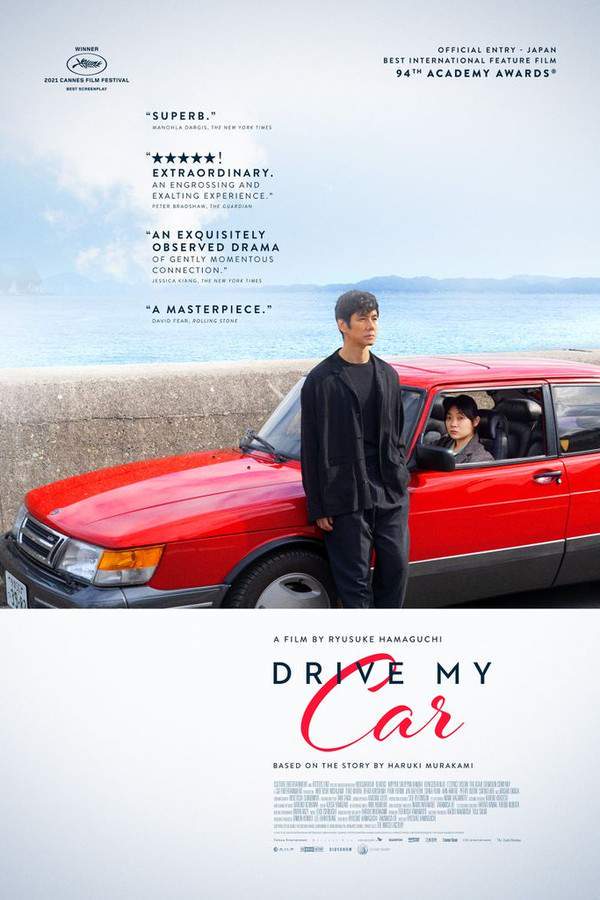
In the weeks that follow, Misaki transitions to Korea, driving her iconic red Saab, a symbol of her profound experiences alongside Yusuke. With a new chapter ahead, she is now accompanied by a loyal canine companion, reflecting on the enduring journey of healing that lies ahead.
Drive My Car Timeline: Every Key Event in Order
15 key events in the order they happen, from “Yusuke and Oto's Love” to “Misaki's Transition”. 2 events name a place, across 2 locations.
- 1
Yusuke and Oto's Love
The film opens with Yusuke Kafuku, a talented stage director, sharing a warm moment with his wife Oto. This moment highlights their deep love and aspirations for a collaborative artistic life together as they discuss a new play concept that excites them both.
- 2
Meeting Koji Takatsuki
During rehearsals for 'Waiting For Godot', Oto introduces Yusuke to Koji Takatsuki, an admirer of his work. This seemingly innocent meeting sets off a chain of emotional turbulence in Yusuke's life that will profoundly impact his and Oto's relationship.
- 3
Flight Cancellation
Yusuke's life takes an unexpected twist when his flight for a new play is abruptly canceled. This event leaves him feeling unsettled and creates an unsettling void, foreshadowing the challenges he is about to face.
- 4
Confronting Betrayal
Upon returning home, Yusuke confronts the painful truth that Oto has been unfaithful to him. Instead of confronting her directly, he chooses isolation, creating a facade of normalcy through video calls that reflect the disconnection in their relationship.
- 5
Medical Diagnosis
Yusuke and Oto seek medical advice only to receive a shocking diagnosis: Yusuke is experiencing glaucoma. While medications help, this news brings the reality of their mortality into focus, and the couple grapples with the compounded grief of their daughter's loss.
- 6
Oto's Sudden Passing
In a devastating turn of events, Oto unexpectedly passes away, leaving Yusuke devastated and emotionally lost. This loss triggers a deep emotional unraveling, culminating in his cathartic performance during a production of 'Uncle Vanya'.
- 7
New Beginnings in Hiroshima
Two years after Oto's death, Yusuke travels to Hiroshima to direct a new version of 'Uncle Vanya'. There, he begins to work with a diverse cast of actors, marking the start of his journey toward healing through creation.
When:Two years later Where:Hiroshima
- 8
Collaboration with Misaki
Initially hesitant about his young driver Misaki, Yusuke soon comes to appreciate her remarkable skills. Their professional relationship begins to blossom as they work together on the upcoming production, fostering a deepening connection.
- 9
Casting Decisions
As Yusuke assembles his team, he chooses a diverse cast, including Janice and Lee, to bridge communication gaps in performance. Despite the age difference, he decides to cast Koji in the role of Vanya, adding a layer of complexity to the dynamic.
- 10
Conversations Over Drinks
During a casual drink, Koji opens up to Yusuke about Oto and the aftermath of the affair. Their discussion unveils layers of intimacy and mutual struggles, highlighting the intricate nature of human connections beyond mere physicality.
Show the other 5 events of Drive My Car Hide the last 5 events
- 11
A Shared Dinner
Misaki hosts Yusuke and producer Kon Yoon-Su for dinner, where they engage in meaningful discussions about the play's nuances. This dinner becomes a moment of reflection on Yusuke’s artistic journey and inspires collaborative insight.
Where:Kon's home
- 12
Late Rehearsals
In a moment of camaraderie, Koji and Janice arrive late to rehearsal, forcing Koji to apologize to Yusuke. This incident, though minor, serves to reinforce the cast’s commitment to their shared passion for theater.
- 13
Past Reflections
A detour with Misaki leads Yusuke to discuss her previous experiences, including working as a garbage truck driver. This conversation opens up deep reflections about personal losses, fostering a bond based on shared vulnerabilities.
- 14
An Outdoor Performance
The culmination of their efforts manifests in an emotionally charged outdoor performance of 'Uncle Vanya'. The experience resonates fiercely with the audience, marking a pivotal moment of expression for Yusuke.
- 15
Misaki's Transition
In the weeks following the performance, Misaki prepares to leave for Korea, driving her beloved red Saab. This new chapter in her life reflects the transformative journey she shared with Yusuke, symbolizing healing and moving forward.
Who Are the Main Characters in Drive My Car?
4 characters, among them Yûsuke Kafuku (Hidetoshi Nishijima), Oto Kafuku (Reika Kirishima) and Koji Takatsuki (Masaki Okada): who each one is and the part they play in the story. Every profile links to the actor’s page.
-
Yûsuke Kafuku (Hidetoshi Nishijima)
Played by Hidetoshi Nishijima
Yûsuke Kafuku is a deeply introspective stage director grappling with profound personal losses. His character exhibits emotional depth as he navigates the aftermath of betrayal and the grief of losing his wife and daughter. Yûsuke represents the struggle to find solace in the arts while reconciling past heartaches.
- 🎭 Director
- 💔 Grief
- 🎬 Arts
-

Oto Kafuku (Reika Kirishima)
Played by Reika Kirishima
Oto Kafuku is portrayed as a passionate and inspiring partner who ignites creative sparks in Yûsuke's life. Despite her untimely death, her presence continues to influence Yûsuke's journey. Oto's character encapsulates the complexities of love and the struggles of maintaining fidelity.
- ❤️ Love
- 🎭 Passion
- 💔 Betrayal
-

Koji Takatsuki (Masaki Okada)
Played by Masaki Okada
Koji is a young, talented actor whose admiration for Yûsuke leads to intense conversations about love and intimacy. He is depicted as vulnerable, grappling with his own challenges in the theater and personal life. Koji's journey reflects the search for meaning and connection post-betrayal.
- 🎭 Actor
- 🤔 Self-Discovery
- 💔 Vulnerability
- MW
Misaki Watari (Tôko Miura)
Played by Tôko Miura
Misaki is a skilled driver and emerging actress who becomes an important collaborator for Yûsuke. Her backstory of personal loss adds layers to her character, as she finds comfort and connection with Yûsuke. Misaki symbolizes resilience and the shared experience of healing through art.
- 🚗 Driver
- 🎭 Actress
- 💔 Resilience
Where and When Is Drive My Car Set?
Drive My Car is set in Hiroshima (Present Day). Here is why the time and place matter to the story.
When
Present Day
The narrative unfolds in contemporary times, reflecting modern societal issues such as loss, infidelity, and artistic expression. Characters navigate through personal grief and seek creative outlets in a fast-paced world. This time period shines a light on the nuances of human relationships and the healing power of art amidst struggles.
Where
Hiroshima
Hiroshima is a vibrant city known for its rich history and resilience, particularly in the wake of the atomic bombing during World War II. Today, it is a hub of cultural and artistic expression, making it a fitting backdrop for stage productions and creative endeavors. The city's unique blend of tradition and modernity is palpable, providing an inspiring environment for storytelling.
- 🏙️ City
- 🎭 Theater
What Are the Themes of Drive My Car?
3 ideas the story keeps returning to, among them Loss, Art & Healing and Betrayal.
-
01
Loss
The theme of loss is central to the story, manifested in the death of Yusuke's wife, Oto, and their daughter's tragic passing. Yusuke's journey is marked by his attempts to cope with these losses while facing personal and professional challenges. The exploration of grief showcases how deeply it can affect interpersonal connections and creative expressions.
-
02
Art & Healing
Art serves as both a refuge and a healing mechanism for the characters, particularly Yusuke. The process of directing 'Uncle Vanya' becomes a pathway for Yusuke to confront his emotions, transforming pain into creative expression. This theme emphasizes the importance of artistic collaboration as a tool for understanding and dealing with one's internal battles.
-
03
Betrayal
Betrayal is a pivotal theme in the film, primarily illustrated through Yusuke's experience with Oto's infidelity. This betrayal affects his emotional state and informs his relationships with others. It highlights the complexities of love and trust within intimate partnerships, as well as the long-lasting impact of such experiences.
How Does Drive My Car End?
The last act of Drive My Car and what it means, in 253 words. The ending lands as bittersweet. Big spoilers: read the plot summary first if you have not seen it.
The final act, in full
In the final moments of “Drive My Car,” the focus is on the red Saab 900, a car that symbolizes more than just transportation—it represents the emotional and psychological journey of the characters. Yusuke’s deep connection to the car reflects his introspective nature and his unconscious desire to confront the feelings he has long avoided, especially regarding his wife Oto and his own grief. After losing her suddenly, Yusuke was cut off from fully experiencing his emotions, playing a role to hide his pain and mask his vulnerability. His glaucoma and the blind spot it caused mirrored his inability to see clearly inside himself, as well as his relationships, especially with Oto.
In the ending, Misaki takes control of the car, driving it forward—literally and metaphorically—signifying her own acceptance of her pain and her step toward emotional independence. She no longer depends on Yusuke or the past; instead, she charts her own path, owning her experiences and wounds. While life is still filled with suffering, she understands that it’s part of living, and she must keep moving forward until she reaches peace. The act of her driving the car—an object deeply tied to Yusuke’s memories—says that she is stepping into a future where she can face her truths openly. The film ends on a note of quiet resilience, emphasizing that healing is a gradual process, and despite the pain, life must continue. The red Saab thus becomes a symbol of their shared story of loss, acceptance, and the fragile hope of eventual peace.
What Kind of Film Is Drive My Car?
Melancholic in tone, with slow pacing and a complex story, going by the plot summary.
- Tone
- Melancholic
- Pacing
- Slow
- Story
- Complex
- Intensity
- Medium
- Ending
- Bittersweet
A slow-paced, deeply melancholic drama that explores profound grief and the quiet process of healing through shared silence and artistic creation, offering a cathartic but emotionally heavy viewing experience.
- melancholic
- quiet
- reflective
- lonely
- cathartic
- atmospheric
- grief and loss
- infidelity
- artistic process
- theater
Content notes: death of spouse, infidelity, sudden death.
Quiz
How well do you remember Drive My Car? Test yourself on the story.
Where to Watch Drive My Car
Rent or buy it from Amazon Video and Apple TV Store. US availability and prices from JustWatch.



Streaming availability in the US, powered by