
Morgan Stewart’s Coming Home 1987

Directed by

Paul Aaron
Made by

Kings Road Entertainment
Morgan Stewart’s Coming Home Plot Summary
Read the complete plot summary and ending explained for Morgan Stewart’s Coming Home (1987). From turning points to emotional moments, uncover what really happened and why it matters.
Morgan Sewart [Jon Cryer] is the son of a Republican senator from Virginia who has spent most of his life away at boarding school. He copes with the quiet ache of missing Thanksgiving with his parents, brushing it off with a wry smile, until a big prank with three friends lands him in trouble with the Headmaster. As luck would have it, a phone call from his mother nudges him toward home, and he returns just as the holiday chaos threatens to swallow the family whole.
Morgan is brought home to help with his father’s bid for re-election, a campaign that is built on the idea of a united family more than on any single platform. The campaign is steered by Jay Le Soto [Paul Gleason], the manager whose sharp edges and relentless drive push the family to confront what “together” really means. Nancy Stewart [Lynn Redgrave], Morgan’s mother, hopes he will adopt a more conservative stance, while Senator Tom Stewart [Nicholas Pryor], his father, is more permissive and curious about the boy’s growing independence. The dynamic between mother and son grows tense as Morgan tries to find a place within a public life that feels increasingly at odds with his private self. To prove he can contribute to the household and the campaign, Morgan takes on chores—even sweeping and waxing floors—showing a budding sense of responsibility that challenges the familiar parental lines.
A spark of rebellion and romance lights when Morgan attends a book signing by his horror-film idol, George A. Romero, and meets Emily [Viveka Davis], a fellow fan who shares his love for the macabre and the offbeat charm of cinema. Their bond quickly becomes a bridge between a boy who wants to belong and a girl who understands what it means to be seen. The couple’s early happiness is tempered by consequences: Morgan borrows his father’s car for a date, Emily’s younger brother calls the police, and Morgan finds himself grounded, a setback that tests their trust and patience.
The plot thickens as Morgan discovers his mother has placed cameras in his room, a private breach that makes him feel exposed and misunderstood. He begins to see that his father and he might have more in common than he realized, even as his mother’s scrutiny and the campaign’s pressures strain every attempt at family harmony. The tension erupts when Emily learns that Morgan lied about his family’s circumstances, and Morgan, pushed to the brink, faces the threat of military school, a pressure amplified by Jay’s insistence on discipline and order.
In a moment of audacious escape, Morgan uses a chainsaw signed by Tobe Hooper—the kind of bold gesture that marks a turning point for him and for the fragile trust between him and Emily. After a difficult confession, Emily forgives him, and the two decide to put their lives more openly on the line together. They also uncover a surprising treasure in Morgan’s late aunt’s coin collection—kept in a safety deposit box—that Morgan had previously acquired by a cheeky act of pickpocketing Jay to get a key. The collection, as it turns out, is more than a sentimental keepsake: it hides evidence of embezzlement within the campaign funds, a secret that may change the course of the family’s future.
Jay learns of the discovery and attempts to intervene, but his efforts fail in the face of Morgan’s resolve and the mounting truth. The campaign’s fortunes tilt as the truth comes to light, and the senator’s bid for re-election gains momentum on the strength of a family that has chosen honesty over convenience. The aftermath of these revelations reshapes everyone involved: Senator Stewart is re-elected, and the family begins to redefine what it means to live together in public and private life.
Behind the scenes, the household shifts in unexpected ways. Nancy, who had clung to a more traditional diet and lifestyle, finds a new balance as she reevaluates personal choices, while Jay faces legal consequences for the misappropriation he’s been implicated in. The household staff also experiences changes: Ivan [Savely Kramarov], the loyal butler, emerges with a surprising new role in real estate, reshaping his life and leaving his wife Francheska behind for a younger lark. Francheska later returns to Russia, seeking a fresh start while staying connected with Morgan in a way that reinforces the film’s recurring theme: family ties endure, even when the people within them diverge and reform. Emily’s arc closes with acceptance from Morgan’s parents, who come to value the couple’s bond and the honesty that Mikael—sorry, Morgan—has finally embraced.
The movie layers humor with warmth, painting a portrait of a family navigating politics, pride, and the messy, imperfect reality of togetherness. It asks viewers to consider what it truly means to belong—to a family, to a political cause, and to a partner—while never losing sight of the everyday rituals that keep people connected: shared meals, honest conversations, and the small acts of love that happen in the quiet spaces between big moments. The result is a story that remains true to its characters while expanding the world of Morgan, Nancy, Tom, Emily, and Jay into a broader tapestry of loyalty, ambition, and the stubborn, stubborn resilience of family.
- Nancy Stewart [Lynn Redgrave]
- Jay Le Soto [Paul Gleason]
- Morgan Sewart [Jon Cryer]
- Tom Stewart [Nicholas Pryor]
- Emily [Viveka Davis]
- General Fenton [Andrew Duncan]
- Emily’s Father [Joseph Bova]
- Emily’s Mother [Barbara C. Lewis]
- Emily’s Grandmother [Nina Hansen]
- Mr. Whitewood [Bill Conn]
- Mrs. Whitewood [Dorothy Shields]
- Heather Whitewood [Tammy Amerson]
- Ivan [Savely Kramarov]
Morgan Stewart’s Coming Home Timeline
Follow the complete movie timeline of Morgan Stewart’s Coming Home (1987) with every major event in chronological order. Great for understanding complex plots and story progression.
Prank at the boarding school
Morgan and three friends pull a major prank that disrupts the boarding school's routines. The Headmaster catches them, resulting in disciplinary action that threatens their upcoming holidays. This incident triggers Morgan's return home for Thanksgiving.
Told to go home for Thanksgiving
Morgan is told by the school that he will go home for Thanksgiving to spend time with his family. He doesn't seem fazed, despite missing the usual school life. The call foreshadows his impending involvement in his family's political world.
Return home to help with the campaign
Morgan is brought home to help with his father's re-election campaign. He finds family life is split between tradition and the new demands of politics. He starts to realize the value of being together as a family.
Family dynamics: mother vs father
Morgan's mother expects him to stay conservative while his father is more open-minded. The clash reveals tensions about Morgan's growing independence. The political backdrop becomes a canvas for their personal conflict.
Morgan starts doing chores to bring the family together
Morgan decides to contribute by doing chores around the house, like waxing floors, in an effort to keep the family connected. He tries to bridge generations and political divides through small acts. This marks a shift from rebellion to responsibility.
Book signing and meeting Emily
Morgan attends a book signing for his horror idol George A. Romero and meets Emily, a fellow horror fan. They strike up a connection and begin a relationship. The romance adds personal stakes to his family obligations.
Borrowed car date leads to grounding
Morgan borrows his father's car for a date with Emily. Emily's little brother calls the police when they are out, leading to Morgan's grounding. The incident underscores the consequences of balancing romance and responsibility.
Mother installs cameras in his room
Morgan discovers that his mother has placed cameras in his room, a chilling sign of parental surveillance. He becomes aware of the lack of trust and the tightening control over his life. The breach fuels his frustration and feelings of betrayal.
Morgan and father find common ground
Morgan learns he and his father share common values and concerns. This realization complicates the parent-child dynamics, as he recognizes support he could have from his dad. Yet the mother remains a gatekeeper, intensifying the tension.
Emily learns about the parental lie
Emily finds out that Morgan lied about his parents and the family dynamics he described. Trust fractures in their budding romance as she questions his honesty. Morgan realizes the depth of the hurt his deception caused.
Threat of military school
In a heated moment, Morgan loses his temper and faces a threat of military school from Jay, the campaign manager. The escalation underscores the ruthless side of the political world he is entering. Morgan's anger becomes a turning point.
Escape with the chainsaw
Morgan escapes by using a chainsaw signed by The Texas Chain Saw Massacre's Tobe Hooper, a macabre symbol of his desperation. He seizes a moment of desperate rebellion against confinement. The stunt pushes the plot toward the climactic confrontation.
Confession and coin collection reveal
Morgan confesses the truth to Emily, who forgives him and they decide to open Morgan's late aunt's coin collection. This act rekindles trust between them and links personal redemption to a tangible symbol of family heritage. The coin collection also hints at a deeper family history.
Jay's embezzlement exposed
Morgan and Emily discover Jay has been embezzling campaign funds, and the safety deposit box that contains the coin collection holds incriminating evidence. They confront Jay as the truth comes to light. Jay's plan to stop Morgan fails in the face of this evidence.
Election night and family reconciliation
Senator Stewart is re-elected, finalizing the political arc. Jay serves prison time following the embezzlement exposure. The family restores its bond—Morgan and Emily are accepted by his parents, and Morgan finally feels at home with his repaired family.
Morgan Stewart’s Coming Home Characters
Explore all characters from Morgan Stewart’s Coming Home (1987). Get detailed profiles with their roles, arcs, and key relationships explained.
Morgan Stewart (Jon Cryer)
A privileged, conflicted teenager who tests the bounds of family and authority. His prankish start gives way to a deeper desire for acceptance and honesty, and his relationship with Emily anchors his personal growth. Throughout the movie he shifts from seeking mischief to embracing responsibility, even when it puts him at odds with his mother and campaign duties.
Nancy Stewart (Lynn Redgrave)
Morgan's mother; controlling and principled, she pushes for conservatism and public image. She surveils Morgan with cameras and caretakes the family's reputation, often clashing with Morgan's desires. Her strength masks vulnerability and a willingness to adapt as the family evolves.
Tom Stewart (Nicholas Pryor)
Morgan's father, more open to Morgan's growth, he shares common ground with his son and tries to balance ambition with understanding. He supports Morgan's development and the family’s unity, bridging gaps between generations.
Jay Le Soto (Paul Gleason)
Campaign manager who exerts control and orchestrates the campaign's optics; he is willing to bend rules to protect his interests. His embezzlement reveals the corruption beneath political appearances, and his attempts to silence Morgan heighten the conflict.
Emily (Viveka Davis)
A fellow horror-film fan and Morgan's love interest who offers a window into a different world beyond politics. She admires his passion, forgives his missteps, and becomes a catalyst for Morgan's honesty and growth.
Ivan (Savely Kramarov)
The loyal mansion butler who witnesses the family’s trials and ultimately re-emerges as a savvy businessman, leaving his wife for a younger woman. His steady presence contrasts with the chaos around the campaign and highlight the changing fortunes of the household.
Morgan Stewart’s Coming Home Settings
Learn where and when Morgan Stewart’s Coming Home (1987) takes place. Explore the film’s settings, era, and how they shape the narrative.
Time period
1980s
The events unfold in the 1980s, a period characterized by televised politics and strong public personas. Campaigns relied on family narratives and image as much as policy, shaping the choices available to Morgan and his parents. The era’s cultural norms amplify the tension between personal rebellion and public duty, driving the drama forward.
Location
Virginia, United States
The story is anchored in a Virginia home and its surrounding political milieu, where a senator’s family life collides with the campaign trail. The house serves as the center of private drama and public image, reflecting how politics infiltrates everyday life. This setting provides the backdrop for Morgan’s coming-of-age and the family dynamic at the heart of the film.
Morgan Stewart’s Coming Home Themes
Discover the main themes in Morgan Stewart’s Coming Home (1987). Analyze the deeper meanings, emotional layers, and social commentary behind the film.
👪
Family
The Stewart family is the emotional core, with expectations and loyalties tested by politics and adolescence. Morgan’s mother pushes tradition and control, while his father seeks connection, highlighting generational divides. The home becomes both refuge and pressure chamber, where forgiveness and renewal emerge amid conflict.
🌱
Growing Up
Morgan’s arc charts a movement from reckless independence toward responsibility and honesty. His romance with Emily and his defiance against parental and campaign pressures push him to mature. The story uses small, everyday moments—chores, honesty, and consequences—to chart his development.
🏛️
Politics
The campaign world reveals power dynamics, image management, and moral compromise. Jay Le Soto’s manipulation and embezzlement expose the corruption that can underlie political success. Morgan’s personal growth intersects with political accountability, culminating in a resolution that restores family and public trust.

Coming soon on iOS and Android
The Plot Explained Mobile App
From blockbusters to hidden gems — dive into movie stories anytime, anywhere. Save your favorites, discover plots faster, and never miss a twist again.
Sign up to be the first to know when we launch. Your email stays private — always.
Explore the mobile appMorgan Stewart’s Coming Home Spoiler-Free Summary
Discover the spoiler-free summary of Morgan Stewart’s Coming Home (1987). Get a concise overview without any spoilers.
In the glittering corridors of Virginia’s political elite, Morgan Stewart returns home after a string of expulsions from boarding schools, carrying the restless energy of a teenage outsider who once played “Ducky” in a ’80s classic. The son of a Republican senator, he steps into a world where public image and private expectations collide, and where the stakes of a re‑election campaign loom large over family gatherings. His arrival coincides with the holiday rush, setting the stage for a clash of youthful rebellion and the polished machinery of Washington politics.
Nancy Stewart embodies the old‑fashioned expectations of a political matriarch, hoping her son will fall in line with the family’s conservative values, while Tom Stewart balances his own curiosity about Morgan’s growing independence with the demands of his own public persona. Hovering over the family’s ambitions is Jay Le Soto, the sharp‑tongued campaign manager whose relentless drive forces everyone to confront what “togetherness” really means. The tension between keeping up appearances and allowing genuine connection creates a simmering undercurrent that colors every interaction.
Amid the campaign’s buzz, Morgan finds an unexpected ally in Emily, a fellow fan of off‑beat cinema who shares his love for the macabre and his sense of being an outsider. Their budding romance offers a glimpse of freedom beyond the rigid expectations of privilege, hinting at a partnership that could reshape both their lives. The film balances witty, off‑beat humor with tender moments, painting a portrait of a family trying to navigate love, loyalty, and ambition while the political machine hums in the background.
The tone stays light‑hearted yet incisive, blending sharp satire of the Washington elite with an earnest coming‑of‑age story. As Morgan grapples with his place in a world of high stakes and high expectations, the audience is invited to wonder how far a teenager can push the boundaries of tradition before the entire family is forced to redefine what it means to be truly “together.”
Movies with Similar Twists and Themes
Uncover films that echo the narrative beats, emotional arcs, or dramatic twists of the one you're exploring. These recommendations are handpicked based on story depth, thematic resonance, and spoiler-worthy moments — perfect for fans who crave more of the same intrigue.

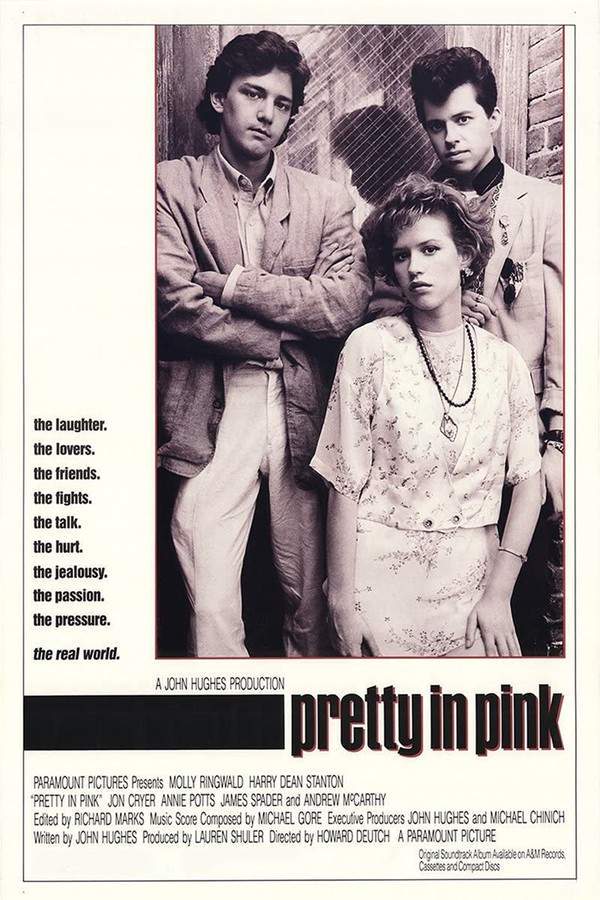






Featured on this page

What's After the Movie?
Not sure whether to stay after the credits? Find out!
Check out our other apps:

SAT Sphere
Build confidence for the Digital SAT.

Mori Atlas
Discover wild places worth protecting.

Luntero
Search smarter for a home in Amsterdam.

Plot Explained
Unravel movie endings and hidden clues.

Pokechamp
Dive into Pokémon data and battle logic.

Driving Theory
Get ready for your European theory test.

Movie Dust
Plan your next cinema trip with ease.

Musemap
Find art and culture as you travel.

Selkobase
Compare credentials before committing.

Local Manual
Turn an unfamiliar country into practical next steps.

Lernavi
Compare school systems before your next move.

GymRoam
Find a workout stop wherever your plans take you.
Explore Our Movie Platform
New Movie Releases (2026)
Famous Movie Actors
Top Film Production Studios
Movie Plot Summaries & Endings
Major Movie Awards & Winners
Best Concert Films & Music Documentaries
Movie Collections and Curated Lists
© 2026 What's After the Movie. All rights reserved.
Privacy Policy