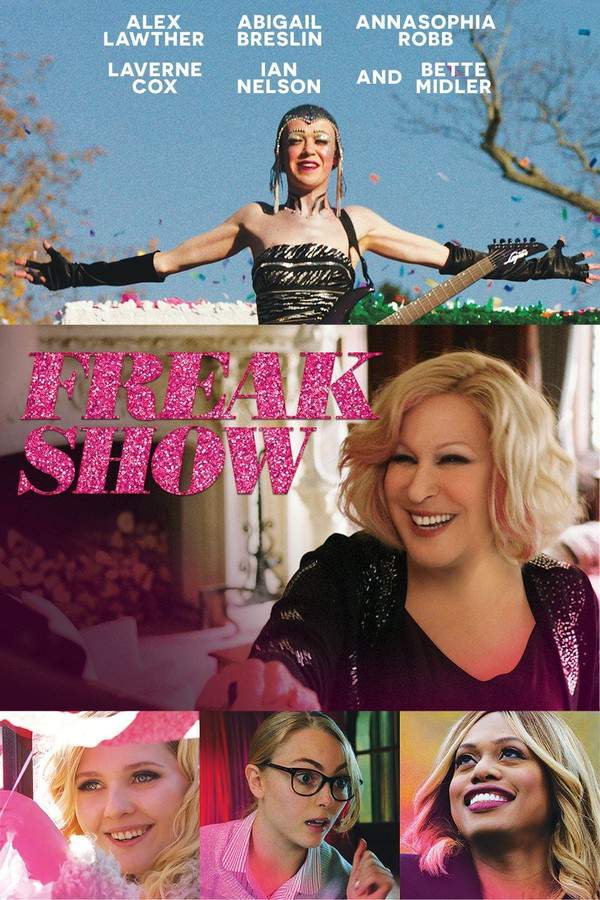
What Is Freak Show About?
The premise of Freak Show in 334 words, with nothing given away. The full story follows below.
In a Southern town where tradition clings to every hallway, Billy Bloom arrives from a glitter‑filled world far removed from its modest, rule‑bound atmosphere. Raised by a larger‑than‑life mother whose love is expressed through bright makeup and daring outfits, Billy has spent his teenage years perfecting a look that is as much armor as art. When his mother disappears and his conservative father, Bill, summons him to the family mansion, the teenager is thrust from the flamboyant safety of his Connecticut home into a new, austere environment that demands conformity.
At his first day in a strict high school, Billy’s definition of “conservative” collides spectacularly with the school’s expectations. He steps onto the campus in eyeliner, lipstick, a ruffled pirate shirt, and a jaunty hat, instantly marking himself as an outsider. Yet beneath the shock of his appearance beats a resolve to disrupt the status quo. Inspired by his own sense of style and a fierce desire to be seen, he sets his sights on an unlikely goal: running for homecoming queen, a role traditionally reserved for the school’s most conventional students.
The school itself feels like a pressure cooker of cliques, unspoken rules, and rigid hierarchies, where the “mean girl” reigns and whispers dictate who belongs. In this charged setting, Billy encounters a handful of potential allies—a quick‑witted peer named Mary Jane who maps the social terrain, and a jock‑turned‑artist, Flip Kelly, whose own hidden passions echo Billy’s yearning for authentic self‑expression. Their tentative friendships hint at a community ready, however reluctantly, to question its own boundaries.
From the moment Billy steps onto the polished floors of the high school, the film balances biting humor with heartfelt drama, painting a vivid portrait of a teen fighting to keep his identity alive amid pressure to dim it. The tone swirls between vibrant runway‑like confidence and the quiet tension of a boy learning to own his voice, promising a story where courage is measured not by applause but by the willingness to stay unapologetically bright.
What Happens in Freak Show?
The complete story of Freak Show, from the first scene to the last, in 715 words (about 3 minutes). Spoilers throughout.
Spoilers ahead
Billy Bloom [Alex Lawther] gazes into the mirror, planning his makeup, and immediately signals that he is no ordinary teen. A flashback to his younger years shows how his indulgent, flamboyant, alcoholic mother, Muv [Bette Midler], worships him and actively encourages him to dress up, sparking loud arguments with his conservative father, Bill. After the two adults separate, Billy stays with his mother for seven years in Connecticut before being sent to live in his wealthy father’s mansion in the deep south, following her sudden disappearance that is later revealed to be rehab. Billy drifts further into a world of fantasy dress and self-expression, ignoring Florence’s quiet warnings to dress more conservatively for school.
On his first day at the local high school, his idea of conservative is still flamboyant—eyeliner and lipstick, a ruffled pirate top, a little black jacket, and a hat—an outfit that instantly marks him as different and makes him the target of ostracism. Nobody speaks kindly to him at first, but by the second day, Mary Jane befriends him and fills him in on the school’s social landscape, while Flip Kelly [Ian Nelson] introduces himself as the school’s hero and offers his support. When the three girl clique of bullies asks Billy for fashion tips, he deftly turns the moment around, tearing them down with wit and confidence. Yet the harassment only grows with the presence of homophobic jocks and a loner named Bernie, whose resentment toward Billy hints at a deeper ache; Bernie’s tension even flares into a troubling moment in the boys’ bathroom, revealing a struggle with coming out and staying in the closet.
The biology teacher’s willingness to tolerate bullying gives way to a brutal response from Billy, who starts wearing outrageous outfits for weeks as a stand against the spitballs and sneers he endures. The culmination arrives when he dresses in a wholly outlandish wedding gown, a veil, and garish red makeup, and is dragged into the lecture hall where several jocks beat him nearly to death. Flip and another ally intervene, but Billy falls into a coma for five days. Flip visits him regularly in the hospital and convinces him to come home, while he opens up about his own artistic leanings, revealing a preference for art over football after seeing a Jackson Pollock. Mary Jane stays by Billy’s side, providing updates from the hallways and applauding Billy’s defiance as a catalyst for change; the administration responds by expelling those who attacked him and organizing assemblies about hate crimes to promote tolerance.
As high school life tests the limits of conformity, Flip urges Billy to tone himself down during school hours, even as Billy finds new ways to express his identity. He delivers a dramatic Great Gatsby book report, performing as Zelda Fitzgerald, which becomes a telling moment about voice and visibility. A gym incident on rope climbs sparks another round of homophobic backlash, reminding Billy of the ongoing bias he must navigate. When he returns home, he finds Muv again, though her appearance feels more transactional—she only comes for money, while his father allows him to witness the scene. Florence, the kind housekeeper, remains a steady source of warmth, and Flip visits him again as Muv, now intoxicated, knocks him down in a moment of carelessness.
The homecoming campaign unfolds with Billy running for homecoming queen against Lynette [Abigail Breslin], the school’s reigning queen advocate. They mobilize supporters and deliver campaign speeches to win votes, each choosing a bold float to represent their vision—Lynette with a red-clubbed display alongside her friends, Billy with a glittering, purple-heeled, silver-ensemble float. The homecoming game itself becomes a dramatic backdrop: Billy’s team clinches a close victory, but Flip sustains a shoulder injury that forces him to rethink his future in art. In the auditorium, Lynette’s speech openly targets anyone who isn’t straight, while Billy’s plea for understanding earns a standing ovation from the crowd. Although Billy’s candid bravery wins a moral victory, he does not win the crown. Still, his father’s congratulations acknowledge the personal triumph of facing fear without apology, and the campus atmosphere shifts toward greater self-acceptance and tolerance. The story closes on a hopeful note: a community a little less afraid to be themselves, and a celebration of diversity that feels brighter because of that courage.
Freak Show Timeline: Every Key Event in Order
15 key events in the order they happen, from “Opening: Billy's mirror moment” to “Father's gratitude and a broader tally of tolerance”. 15 events name a place, across 11 locations.
- 1
Opening: Billy's mirror moment
We meet Billy Bloom as he plans his makeup in the mirror, signaling a bold, theatrical personality that defies the typical teen. The scene hints at the tension between his self-expression and the world that will judge him. This establishes the film's central theme of appearance versus acceptance.
When:Present day Where:Bedroom mirror, Billy's home
- 2
Childhood with Muv and parental split
A flashback shows Billy's indulgent mother Muv worshipping him and encouraging cross-dressing. Their arguments with Billy's conservative father Bill lead to a separation. Muv's sudden disappearance signals rehab and a drastic shift in Billy's upbringing.
When:Childhood Where:Connecticut
- 3
Move to father's Southern mansion
Following Muv's disappearance, Billy is moved to live with his wealthy father in a deep South mansion. The change marks a stark contrast to his Connecticut upbringing and isolates him from his early comfort. The new environment presses him to navigate a more conservative social scene.
When:After rehab Where:Deep South mansion
- 4
First day at high school in flamboyant clothes
On his first day at the local high school Billy arrives in flamboyant makeup and a bold outfit. His appearance triggers immediate ostracism and suspicion from his peers. The scene establishes the hostile social climate he must endure.
When:First day Where:Local high school
- 5
New allies: Mary Jane and Flip
On the second day, Mary Jane befriends Billy, giving him the lay of the school population. Flip Kelly, the school hero, introduces himself and offers support. Their presence marks Billy's first glimmers of potential acceptance.
When:Second day Where:School
- 6
Billy shuts down the fashion-clique and draws ire
When the girl clique asks for fashion tips, Billy disarms them with wit and confidence. The moment earns him both admiration and further enmity from bullies, including homophobic jocks. It signals the start of his ongoing clash with the school's social order.
When:Early weeks Where:School hallway
- 7
Under attack: bullying escalates and he doubles down with outfits
A biology class and the school environment turn hostile, with ongoing bullying from teachers and jocks. To push back, Billy continues wearing outrageous outfits for weeks, using fashion as a shield against the abuse. The struggle reveals the depth of prejudice he must endure.
When:Weeks of bullying Where:School
- 8
The wedding gown incident and coma
Billy dons a completely outlandish, wedding gown with a veil and garish makeup, prompting a brutal assault in the lecture hall. He collapses and falls into a coma for five days. The event becomes the turning point that galvanizes his supporters and alters the school's climate.
When:Day of incident; coma follows Where:Lecture hall
- 9
Flip visits and helps him home
Flip visits Billy regularly during the coma and encourages him to come back. He convinces Billy to help him return home, signaling a commitment to their friendship and Billy's resilience. The relationship deepens despite the trauma.
When:During coma Where:Hospital
- 10
School responds: expulsions and hate-crime assemblies
The administration expels those who attacked Billy and organizes assemblies to raise awareness about hate crimes. The school begins to address the prejudice that Billy faced, indicating a shift in campus climate. Billy's suffering catalyzes institutional action and conversation.
When:Post-incident Where:School
Show the other 5 events of Freak Show Hide the last 5 events
- 11
Great Gatsby era book report as Zelda Fitzgerald
To adapt to the social pressures, Billy stages a theatrical Great Gatsby presentation dressed as Zelda Fitzgerald. The performance challenges expectations and showcases his continued fearlessness. It marks a moment where he asserts his identity on the school stage.
When:Next day Where:School auditorium
- 12
Homecoming candidacy and campaign
Billy announces his candidacy for homecoming queen, challenging Lynette, the reigning queen. They campaign with speeches and rival floats, from flamboyant to conservative. The event reframes the school's narrative around acceptance and visibility.
When:Campaign season Where:School campus
- 13
Homecoming game and Flip injury
The homecoming team wins in a hard-fought game, but the last play injures Flip's shoulder, forcing him to choose between football and art. The moment underscores the cost of pursuing individuality and the support of friends. The emotional stakes heighten the community's awareness of bravery and sacrifice.
When:Game night Where:Football stadium
- 14
Homecoming speeches: Lynette's hate vs Billy's plea
In the auditorium, Lynette delivers a hateful speech about straight conformity while Billy makes a plea for understanding and acceptance. He earns a standing ovation from the audience although he loses the crown. The moment crystallizes the film's message about authenticity and courage.
When:Homecoming ceremony Where:School auditorium
- 15
Father's gratitude and a broader tally of tolerance
Billy's dad congratulates him for facing the challenge unafraid and for speaking his truth. On campus, the crowd reflects a broader change, with people less afraid to show themselves and a joyful embrace of diversity. The resolution hints at lasting social change rather than a simple win.
When:Post-Homecoming Where:School campus
Who Are the Main Characters in Freak Show?
6 characters, among them Billy Bloom (Alex Lawther), Muv (Bette Midler) and Lynette (Abigail Breslin): who each one is and the part they play in the story. Every profile links to the actor’s page.
-

Billy Bloom (Alex Lawther)
Played by Alex Lawther
Billy Bloom is a nonconformist teen whose flamboyant style and fearless self-expression set him apart from his peers. He uses outrageous outfits and theatrical performances to push back against bullying and homophobia, while navigating a fractured family history that moves him from Connecticut to a Southern mansion. His charm earns a small circle of allies, even as he endures hostility from jocks and cliques. The arc centers on choosing authenticity over conformity, and finding communal acceptance.
- 🎭 Outcast
- 🏳️🌈 LGBTQ+ Hero
- 🗣️ Bold
-
Muv (Bette Midler)
Played by Bette Midler
Muv is an indulgent, flamboyant, alcoholic mother who worships Billy and constantly encourages him to dress up. Her sudden disappearance, later revealed as rehab, upends Billy’s life and sets his relocation to the Deep South in motion. She embodies a volatile mix of adoration and abandonment that shapes Billy’s sense of identity. Her absence also underscores the film's themes of family complicity and support in a different form.
- 🎭 Flamboyant
- 💖 Devoted
- 💔 Troubled
-
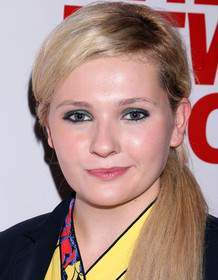
Lynette (Abigail Breslin)
Played by Abigail Breslin
Lynette is the high school's reigning queen and a central rival who embodies the pressure to conform. She commands a powerful clique and becomes a political opponent when Billy runs for homecoming queen. Her campaign speeches reveal a hostile, exclusionary attitude toward anyone who isn’t straight. Although she plays a traditional antagonist, the story suggests a broader reckoning with intolerance in the school.
- 🎯 Ambitious
- 🗣️ Charismatic
- 💬 Controlling
- F(
Florence (Celia Weston)
Played by Celia Weston
Florence is the housekeeper who advises Billy to dress more conservatively and stay out of sight. She provides warmth and kindness in the wake of abuse, offering a grounded counterpoint to the flamboyant performances. Her gentle, practical presence helps Billy weather the social storms of high school. She represents quiet resilience and loyalty in a hostile environment.
- 🧼 Domestic
- 🤝 Kind
- 🛡️ Protective
- F(
Flip (Ian Nelson)
Played by Ian Nelson
Flip Kelly is the school’s top basketball star turned fellow artist who supports Billy despite the social risks. He treats Billy with curiosity and friendship, challenging the school's rigid codes of masculinity. He visits Billy during the coma and pushes for his return home, revealing a more compassionate side beyond the football hero persona. His own shift toward art over sport mirrors Billy’s journey toward self-acceptance.
- 🎨 Artistic
- 🕵️♂️ Insightful
- 🫶 Loyal
- B(
Bernard (Christopher Dylan White)
Played by Christopher Dylan White
Bernard is the loner with a deep-seated resentment toward Billy, masking pain with aggression. He becomes a focal point of the film’s anxiety about closeted desires and peer hostility, culminating in tense, boundary-testing moments. The character’s arc hints at the costs of living in a world that prizes conformity. His presence highlights the danger of suppressing true selves.
- 😡 Aggressive
- 🚪 Closeted
- 🧭 Hidden
Where and When Is Freak Show Set?
Freak Show is set in Connecticut and Deep South. Here is why the place matters to the story.
Where
Connecticut, Deep South
The story moves from the protagonist's early years in Connecticut to a mansion in the Deep South after his mother's disappearance (revealed later as rehab). The two settings contrast a permissive, flamboyant upbringing with a conservative, high-society Southern environment. The school environment in the Deep South becomes the primary stage for identity, conformity, and social conflict.
- 🇺🇸 United States
- 🗺️ Connecticut
- 🌴 Deep South
What Are the Themes of Freak Show?
3 ideas the story keeps returning to, among them Identity, Tolerance and Conflict.
-
01
Identity
Billy Bloom's flamboyant self-expression becomes both shield and statement as he navigates a hostile high school world. Through outrageous outfits and theatrical performances, he asserts his identity in the face of bullying and stigma. The film tracks how communities react—from cruelty to moments of solidarity—when someone dares to be different. The arc centers on choosing authenticity over conformity.
-
02
Tolerance
The narrative shows how a culture of intolerance is challenged when a violent incident prompts conversations about hate crimes and acceptance. Administrators expel attackers and stage assemblies to promote understanding, signaling a shift toward inclusion. The story uses Billy's experiences to explore how schools and towns can become safer spaces for diverse identities. It underscores that real progress comes from dialogue and courage.
-
03
Conflict
The central tension pits the desire to fit in against the demand to stand out and tell the truth about who you are. The homecoming race becomes a microcosm of social power, revealing who is allowed to belong. The clashes—bullying, rivalries, and moments of vulnerability—drive Billy's resilience and, ultimately, a broader embrace of diversity within the school community.
What Kind of Film Is Freak Show?
Hopeful in tone, with steady pacing and a straightforward story, going by the plot summary.
- Tone
- Hopeful
- Pacing
- Steady
- Story
- Straightforward
- Intensity
- Medium
- Ending
- Happy
A defiantly hopeful and quirky dramedy that follows a flamboyant teen's courageous, style-driven campaign for acceptance against the rigid conformity of a conservative high school.
- defiant
- hopeful
- quirky
- dramatic
- courageous
- uplifting
- coming of age
- lgbtq+ identity
- bullying
- nonconformity
Content notes: hate crime, violent bullying, coma, homophobia.
Quiz
How well do you remember Freak Show? Test yourself on the story.