
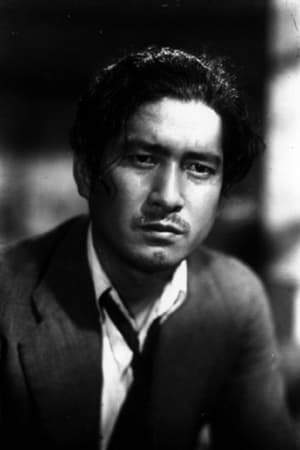
Shûji Sano: Movies & Box Office
- films
- 25
- on screen
- 1936–1977
- box office
- $394
- Born
- October 10, 1912
- Full name
- Sekiguchi Shōsaburō
- Citizenship
- Japanese
- Occupations
- Actor
- Years active
- 1936-1977
- Children
- 1
Shûji Sano's Career in Numbers
Shûji Sano's films in numbers — as an actor, not counting appearances as themselves: when they were made, the genres Shûji Sano works in most and the milestones along the way. The filmography runs from The New Road: Akemi (1936) to A Tale of Sorrow and Sadness (1977), and the 1950s were the busiest decade.
Shûji Sano Movies by Decade
- 1930s 7
- 1940s 4
- 1950s 8
- 1960s 4
- 1970s 2
The 1950s were Shûji Sano's busiest decade, with 8 films.
Shûji Sano Movies by Genre
- Drama 17
- Comedy 5
- Crime 1
- Music 1
- Romance 1
Drama is the genre Shûji Sano has worked in most, with 17 films, ahead of comedy (5).
Shûji Sano Career Milestones
- First film
- The New Road: Akemi 1936
- Biggest box office hit
- The Moon Has Risen $394 worldwide
- Newest film
- A Tale of Sorrow and Sadness 1977
Shûji Sano Filmography: Every Movie
Every film Shûji Sano is credited on, newest first, with the role, the box office and the Movie Echo Score. Re-order the list to see the best-rated films or the biggest hits first.
- 1977
 A Tale of Sorrow and Sadness as Takagi · Drama
 - 1972
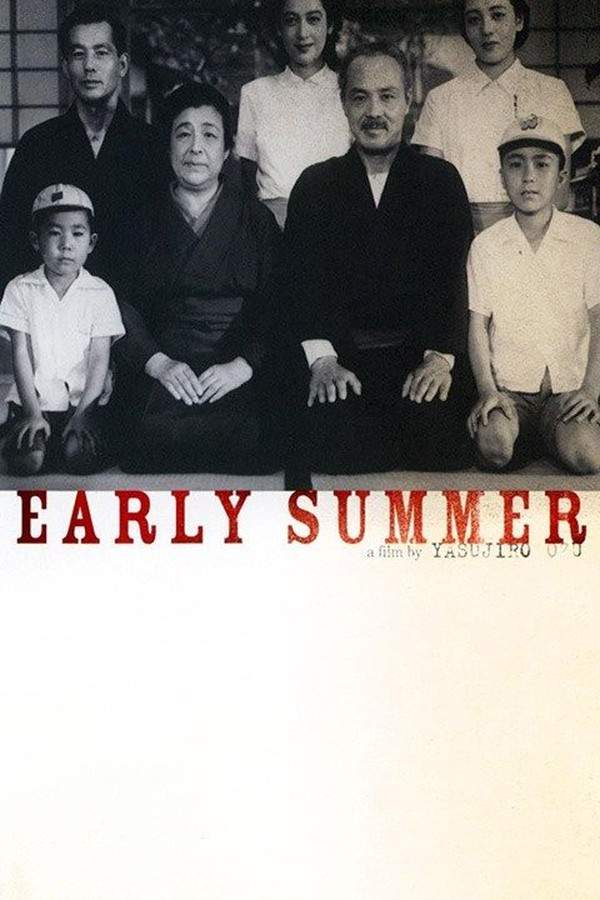 Early Summer Drama
 - 1968
 The Sands of Kurobe as Hirata · Drama
 - 1966
 Pretty Devil Yoko as Jiro's father · Crime
 - 1961
 The Conspirator Drama
 - 1960
 Spring Dreams as Doctor Hanamura · Comedy
 - 1959
 Thus Another Day as Managing director · Drama
 - 1958
 The Snowy Heron Drama
 - 1955
 The Maid’s Kid Drama
 - 1955
 The Moon Has Risen as Takasu · Drama Worldwide box office: $394
 - 1954
 An Inn at Osaka as Mito · Drama
 - 1953
 Love Letter as Atami Blues · Drama
 - 1951
 Early Summer as Sotaro Satake · Drama
 - 1951
 Carmen Comes Home as Haruo Taguchi · Music
 - 1949
 Here’s to the Young Lady as Keizo Ishizu · Comedy
 - 1948
 A Hen in the Wind as Shuichi Amamiya · Drama
 - 1944
 Army as Kaneko · Drama
 - 1942
 There Was a Father as Ryohei Horikawa · Drama
 - 1937
 The Trio’s Engagements as Shûji Kamura · Comedy
 - 1937
 Forget Love for Now as Kyôsuke · Drama
 - 1937
 The Golden Demon as Naomichi · Romance
 - 1937
 A Star Athlete as Seki · Comedy
 - 1937
 What Did the Lady Forget? as Okada · Comedy
 - 1937
 Song of the Flower Basket as Ono · Drama
 - 1936
 The New Road: Akemi Drama
Who Is Shûji Sano?
Shûji Sano was born in 1912. Credited on films since 1936, as an actor. The background, training and the roles that shaped the career.
Shūji Sano was a prominent Japanese actor whose career spanned over four decades, from his debut in 1936 until his final screen appearance in 1977. Born as Sekiguchi Shōsaburō on 1912-10-10, he adopted the stage name Shūji Sano and quickly became one of the most recognizable faces of the Shōchiku film studio, celebrated for his versatile performances that ranged from light‑hearted romantic leads to deeply nuanced dramatic roles. His early work included a collaboration with director Heinosuke Gosho in The New Road (Part one) (1936), which showcased his natural screen presence and set the foundation for a prolific partnership with some of Japan’s most celebrated filmmakers. Sano’s collaboration with Yasujirō Ozu proved especially significant; he appeared in Ozu’s What Did the Lady Forget? (1937), There Was a Father (1942), A Hen in the Wind (1948), and the critically acclaimed Early Summer (1951), each performance highlighting his ability to convey subtle emotional currents through restrained, yet compelling, acting. Equally notable were his roles in Keisuke Kinoshita’s Army (1944) and A Toast to the Young Miss (1949), where his portrayals added depth to the post‑war narratives that defined the era. Working with directors such as Hiroshi Shimizu, Mikio Naruse, and Kinuyo Tanaka, Sano demonstrated a remarkable adaptability, effortlessly shifting between genres and character types, which earned him both popular and critical acclaim. Beyond his film work, Sano’s influence extended to the broader cultural landscape of mid‑century Japan, where his portrayals often reflected the evolving social norms and familial structures of the time. By the time he retired in 1977, he had amassed a filmography that not only defined the golden age of Japanese cinema but also left an enduring legacy for future generations of actors. His death on 1978-12-21 marked the end of an era, yet his work continues to be studied and revered for its artistic merit and historical significance.
Who Shûji Sano Makes Movies With
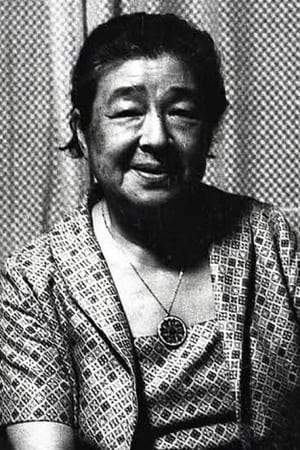
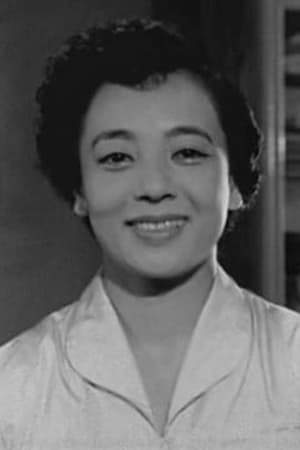
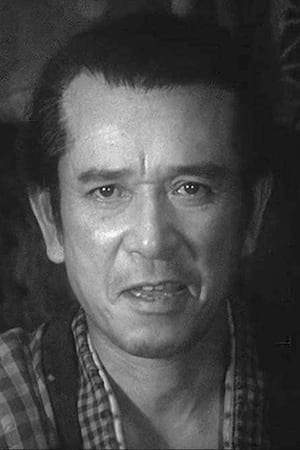
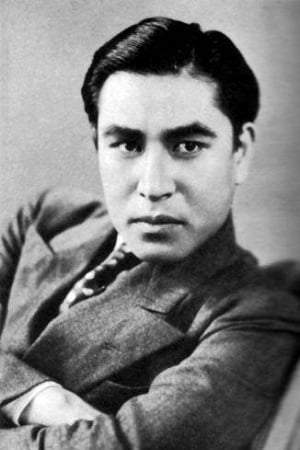
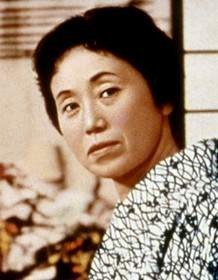
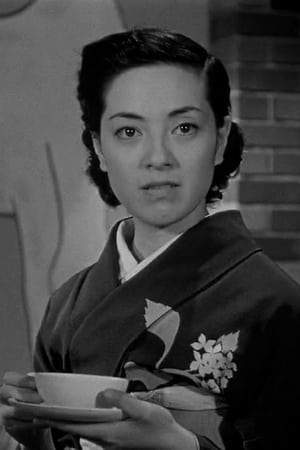
The actors and directors Shûji Sano shares the most films with. Chishû Ryû comes first, with 13 films together, followed by Kinuyo Tanaka (6).
Shûji Sano: Questions & Answers
How many movies Shûji Sano has made, the biggest hit, the best-rated film, the award record and more, answered from the filmography above.
How many movies has Shûji Sano been in?
Shûji Sano is credited on 25 films, from 1936 to 1977. The filmography on this page lists every one of them, newest first, with the role and the Movie Echo Score.
What is Shûji Sano's highest-grossing movie?
The Moon Has Risen (1955) is Shûji Sano's biggest box office hit, with $394 worldwide. Across every film with box office figures, Shûji Sano's movies have made $394.
Shûji Sano's biggest hits What is Shûji Sano's newest movie?
The most recent film on Shûji Sano's filmography is A Tale of Sorrow and Sadness (1977), in the role of Takagi.
Who does Shûji Sano work with most often?
Shûji Sano shares the most films with Chishû Ryû (13 films), Kinuyo Tanaka (6 films) and Chieko Higashiyama (5 films).
The Best Shûji Sano Movies, Ranked
Top rated, most awarded and biggest box office hits from 25 credits.
Coming soon to your phone
The Plot Explained Movie Summary App
From blockbusters to hidden gems: plot summaries, endings explained and timelines on your phone. Save your favorites and never miss a twist again.
Be the first to know when it launches. Your email stays private, always. Learn more about the app
