
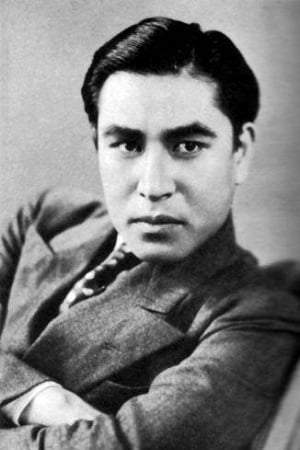
Shin Saburi: Movies & Box Office
- films
- 35
- on screen
- 1935–1981
- box office
- $35.8K
- Born
- February 12, 1909
- Birthplace
- Utashinai, Hokkaidō, Japan
- Full name
- Yoshio Ishizaki
- Citizenship
- Japan
- Occupations
- Actor, film director
- Years active
- 1931-1982
Shin Saburi's Career in Numbers
Shin Saburi's films in numbers — as an actor, not counting appearances as themselves: when they were made, the genres Shin Saburi works in most and the milestones along the way. The filmography runs from Burden of Life (1935) to Island of the Evil Spirits (1981), and the 1930s were the busiest decade.
Shin Saburi Movies by Decade
- 1930s 11
- 1940s 5
- 1950s 6
- 1960s 2
- 1970s 8
- 1980s 3
The 1930s were Shin Saburi's busiest decade, with 11 films.
Shin Saburi Movies by Genre
- Drama 26
- Mystery 3
- Comedy 3
- Sci-Fi 1
- Crime 1
- Romance 1
Drama is the genre Shin Saburi has worked in most, with 26 films, ahead of mystery (3).
Shin Saburi Career Milestones
- First film
- Burden of Life 1935
- Biggest box office hit
- Equinox Flower $18K worldwide
- Newest film
- Island of the Evil Spirits 1981
Shin Saburi Filmography: Every Movie
Every film Shin Saburi is credited on, newest first, with the role, the box office and the Movie Echo Score. Re-order the list to see the best-rated films or the biggest hits first.
- 1981
 Island of the Evil Spirits as Daizen Osakabe · Mystery
 - 1980
 Magnitude 7.9 Sci-Fi
 - 1980
 The Wicked Drama
 - 1979
 The Three Undelivered Letters as Mitsumasa · Drama
 - 1978
 Glowing Autumn Comedy
 - 1978
 August without Emperor as Gozo Ohata · Drama
 - 1978
 The Incident as Judge Tanimoto · Mystery
 - 1977
 Island of Hell as Priest Ryonen · Mystery
 - 1977
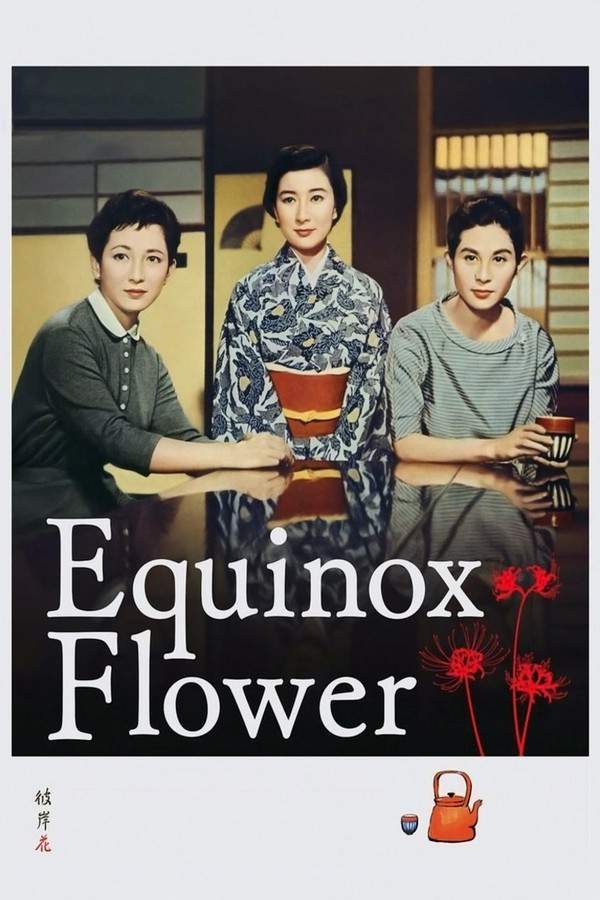 Equinox Flower Drama
 - 1977
 Japan’s Don as Kazumasa Sakura · Crime
 - 1974
 The Castle of Sand as Ex-Finance Minister, Shigeki Tadokoro · Drama
 - 1961
 Hunting Rifle as Josuke Misugi · Drama
 - 1960
 Late Autumn as Soichi Mamiya · Drama Worldwide box office: $17.8K
 - 1959
 Goodbye, Hello as Gosuke Aota · Drama
 - 1958
 Equinox Flower as Wataru Hirayama · Comedy Worldwide box office: $18K
 - 1957
 On This Earth as Ichiro Amano · Drama
 - 1956
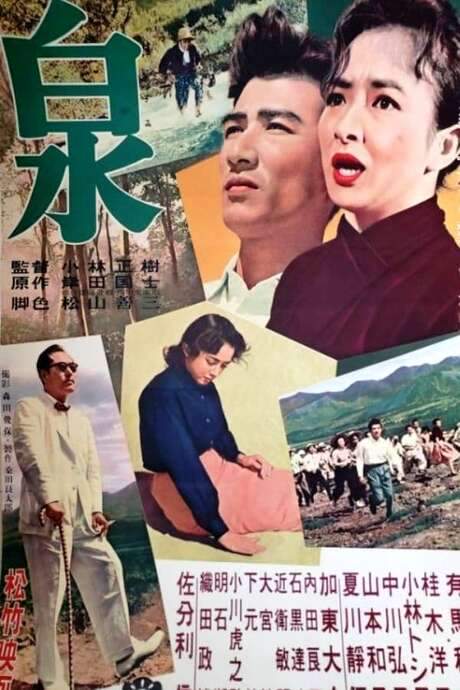 Fountainhead Drama
 - 1952
 The Flavor of Green Tea Over Rice as Mokichi Satake · Drama
 - 1950
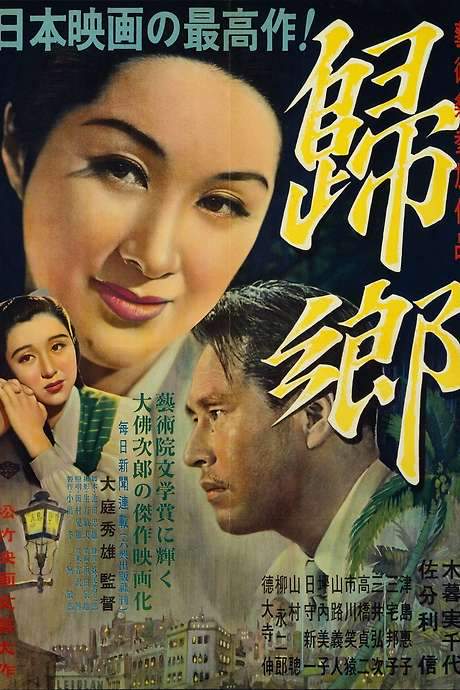 Homecoming Drama
 - 1948
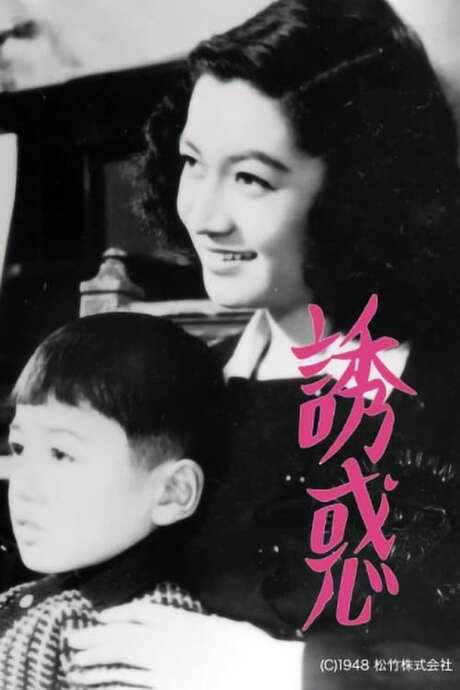 Temptation as Ryukichi · Drama
 - 1945
 Three Women of the North Drama
 - 1944
 Army as Captain · Drama
 - 1942
 There Was a Father as Yasutaro Kurokawa · Drama
 - 1941
 Brothers and Sisters of the Toda Family as Shojiro Toda · Drama
 - 1939
 Warm Current as Yuzo Hibiki · Drama
 - 1939
 A Brother and His Younger Sister as Keisuke Mamiya · Drama
 - 1938
 Family Diary as Shuzo Ubukata · Drama
 - 1938
 The Tree of Love Drama
 - 1938
 The Masseurs and a Woman as Shintaro Omura · Drama
 - 1937
 The Trio’s Engagements as Shin Miki · Comedy
 - 1937
 The Golden Demon as Jôsuke Arao · Romance
 - 1936
 The New Road: Akemi Drama
 - 1936
 Woman in the Mist as Doctor · Drama
 - 1936
 Family Meeting as Takayuki Shigezumi · Drama
 - 1935
 Burden of Life as Kimimasa Hashimoto · Drama
Who Is Shin Saburi?
Shin Saburi was born in Utashinai, Hokkaidō, Japan in 1909. Credited on films since 1935, as an actor. The background, training and the roles that shaped the career.
Shin Saburi (born Yoshio Ishizaki on 12 February 1909 in Utashinai, Hokkaidō, Japan) was a towering figure of Japanese cinema whose career spanned more than five decades. He made his acting debut in 1931 during the early sound era and quickly became a contract player for the prestigious Shochiku studio, where his naturalistic style and understated charisma made him one of the studio’s biggest stars. Saburi’s filmography reflects the golden age of Japanese film; he appeared in a string of critical successes, most notably collaborating repeatedly with master director Yasujirō Ozu in such classics as Brothers and Sisters of the Toda Family (1941), Tea Over Rice (1952), Equinox Flower (1958) and Late Autumn (1960). His performances were marked by an ability to convey deep emotional nuance while maintaining a calm, measured presence that suited Ozu’s contemplative storytelling. In addition to Ozu, Saburi worked with other eminent directors such as Yasujirō Shimazu, Hiroshi Shimizu and Heinosuke Gosho, demonstrating a remarkable versatility across genres ranging from family dramas to wartime narratives. *Beyond acting, Saburi proved a capable filmmaker in his own right; he directed over a dozen films beginning with his debut Shikkō yūyo in 1950, for which he earned the Blue Ribbon Award for Best Newcomer. His directorial work often explored contemporary social themes, blending his actor‑director insight to create films that resonated with post‑war audiences. The prestigious Mainichi Film Award for Best Actor later recognized his sustained excellence on screen. Throughout his long career, Saburi remained a respected mentor and cultural icon, influencing generations of actors and filmmakers. He continued to work until his death on 22 September 1982, leaving behind a legacy that endures in Japanese film history.
Who Shin Saburi Makes Movies With
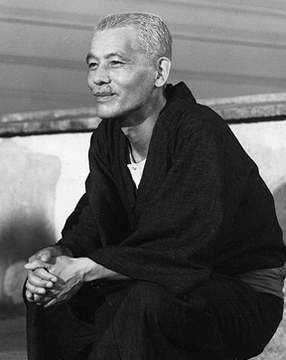
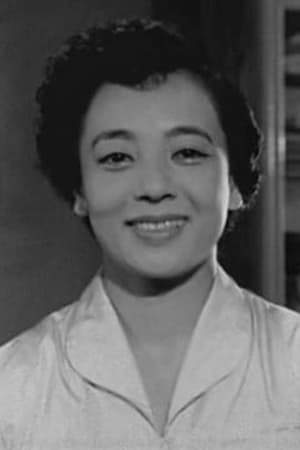
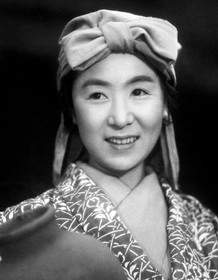
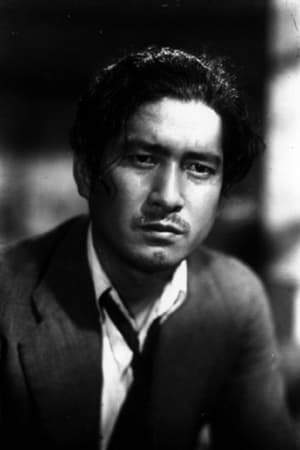
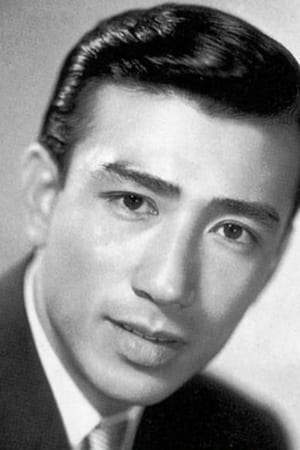
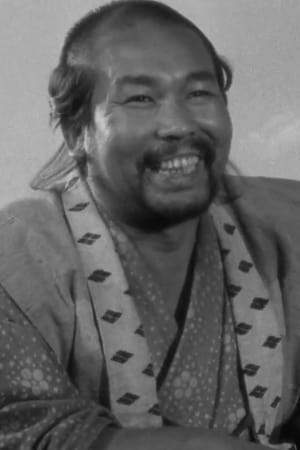
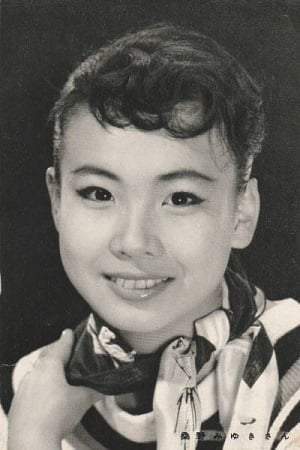
The actors and directors Shin Saburi shares the most films with. Chishû Ryû comes first, with 11 films together, followed by Kuniko Miyake (10).
Shin Saburi: Questions & Answers
How many movies Shin Saburi has made, the biggest hit, the best-rated film, the award record and more, answered from the filmography above.
How many movies has Shin Saburi been in?
Shin Saburi is credited on 35 films, from 1935 to 1981. The filmography on this page lists every one of them, newest first, with the role and the Movie Echo Score.
What is Shin Saburi's highest-grossing movie?
Equinox Flower (1958) is Shin Saburi's biggest box office hit, with $18K worldwide, ahead of Late Autumn (1960) ($17.8K). Across every film with box office figures, Shin Saburi's movies have made $35.8K.
Shin Saburi's biggest hits What is Shin Saburi's newest movie?
The most recent film on Shin Saburi's filmography is Island of the Evil Spirits (1981), in the role of Daizen Osakabe.
Who does Shin Saburi work with most often?
Shin Saburi shares the most films with Chishû Ryû (11 films), Kuniko Miyake (10 films) and Kinuyo Tanaka (7 films).
The Best Shin Saburi Movies, Ranked
Top rated, most awarded and biggest box office hits from 35 credits.
Coming soon to your phone
The Plot Explained Movie Summary App
From blockbusters to hidden gems: plot summaries, endings explained and timelines on your phone. Save your favorites and never miss a twist again.
Be the first to know when it launches. Your email stays private, always. Learn more about the app
