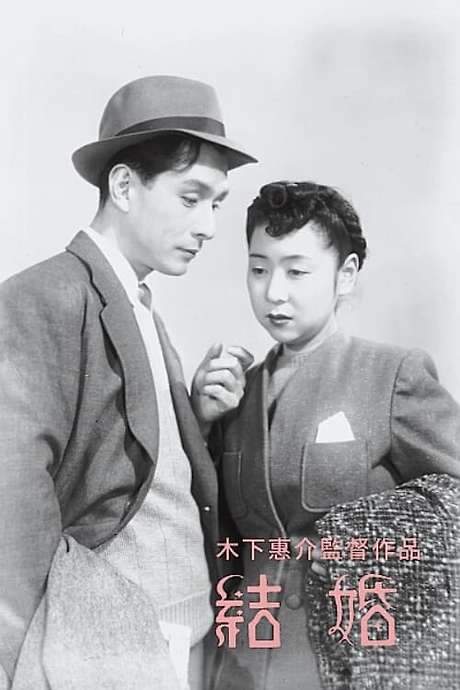
Early Summer 1951


A 28-year-old single woman is pressured to marry.


Does Early Summer have end credit scenes?
No!
Early Summer does not have end credit scenes. You can leave when the credits roll.
Meet the Full Cast and Actors of Early Summer
Explore the complete cast of Early Summer, including both lead and supporting actors. Learn who plays each character, discover their past roles and achievements, and find out what makes this ensemble cast stand out in the world of film and television.
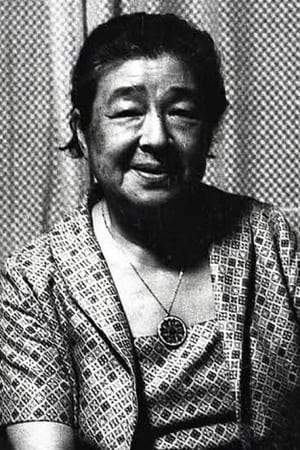
Chieko Higashiyama
Shige Mamiya
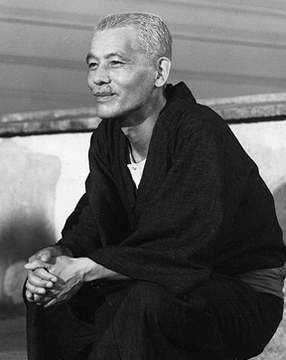
Chishû Ryû
Koichi Mamiya
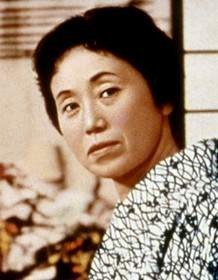
Haruko Sugimura
Tami Yabe
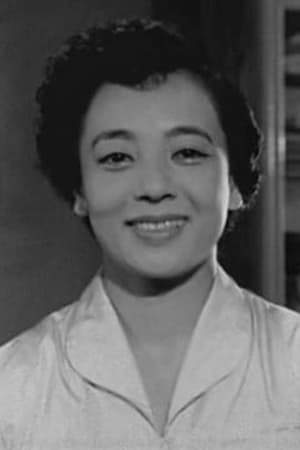
Kuniko Miyake
Fumiko Mamiya
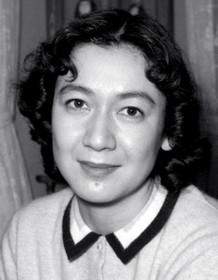
Setsuko Hara
Noriko Mamiya

Chikage Awashima
Aya Tamura
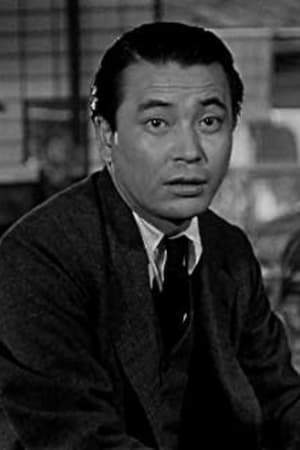
Hiroshi Nihon'yanagi
Kenkichi Yabe
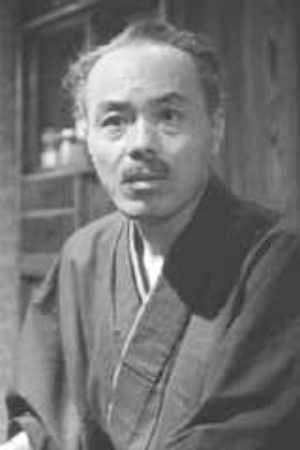
Ichirô Sugai
Shukichi Mamiya
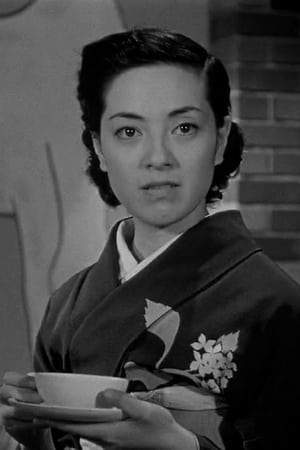
Kuniko Igawa
Takako
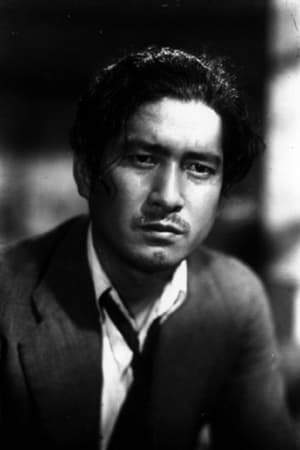
Shûji Sano
Sotaro Satake
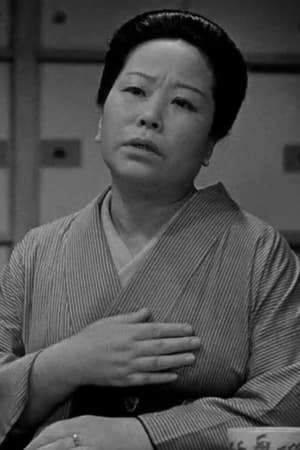
Toyo Takahashi
Nobu Tamura

Seiji Miyaguchi
Nishiwaki
Kokuten Kôdô
Old Uncle
Tomoka Hasebe
Hospital Assistant
Matsuko Shiga
Mari Takanashi
Zen Murase
Minoru Mamiya
External Links and Streaming Options
Discover where to watch Early Summer online, including streaming platforms, rental options, and official sources. Compare reviews, ratings, and in-depth movie information across sites like IMDb, TMDb, Wikipedia or Letterboxd.




Take the Ultimate Early Summer Movie Quiz
Challenge your knowledge of Early Summer with this fun and interactive movie quiz. Test yourself on key plot points, iconic characters, hidden details, and memorable moments to see how well you really know the film.
Early Summer (1951) Quiz: Test your knowledge of the 1951 Japanese drama "Early Summer" with these ten questions ranging from easy to challenging.
What is the main character Noriko's profession?
Full Plot Summary and Ending Explained for Early Summer
Read the complete plot summary of Early Summer, including all major events, twists, and the full ending explained in detail. Explore key characters, themes, hidden meanings, and everything you need to understand the story from beginning to end.
Noriko, a secretary in Tokyo, lives in Kamakura, Kanagawa with her extended Mamiya family: her parents, Chieko Higashiyama Shige Mamiya, and Ichirô Sugai Shūkichi Mamiya, her older brother Chishû Ryû Kōichi Mamiya, his wife Kuniko Miyake Fumiko Mamiya, and their two young sons Minoru Zen Murase and Isamu. The household is warm but quietly under pressure, as the arrival of an elderly uncle marks the moment when Noriko’s life is framed by expectations of marriage and stability.
At work, Noriko’s boss Satake weighs in with a practical proposal: he suggests a match with a forty-year-old friend of his, Mr. Manabe, a businessman and golfer. This idea collides with the playful opinions of her friends, who are split between those who are married and those who remain single. In the unmarried camp, Aya Tamura Chikage Awashima stands out as a close ally, helping to articulate what Noriko herself has begun to question: what does happiness look like when seen through the lens of family duty and personal choice?
A childhood friend, Kenkichi Yabe [Hiroshi Nihon’yanagi], a doctor and widower with a young daughter, visits Noriko for tea and offers a symbolic gift—a sheaf of wheat—from a brother who died in World War II. This gesture carries a weightier message about lineage, memory, and the possibility of new beginnings. When Yabe moves north to Akita, Noriko and Aya tease the rural accent, yet a deeper current pulls her toward the idea of joining Yabe and his mother, Tami Yabe [Haruko Sugimura], in their northern resettlement. Tami’s impulsive invitation to Noriko to marry Yabe presses Noriko to weigh a future far from city life, and the moment she shares her decision with her family, their quiet heartbreak becomes a defining undercurrent of the story.
The Mamiya family navigates this turning point with a restrained, almost ceremonial, grace. They hint at disappointment, yet they also begin to accept Noriko’s choice as something that sits within the broader arc of their lives. The family’s response is not one of open rebellion but of patient endurance, a shared understanding that a person’s happiness cannot be dictated by social timelines alone. In the days that follow, they reconcile with the shift, and they sit for a photograph that marks a quiet moment of unity before the next chapter begins.
As Noriko moves toward a life that includes Kenkichi Yabe, the parents come to terms with the idea that distance may become part of the family’s daily life. They relocate themselves to a rural region, choosing to be near Noriko’s elderly uncle while continuing to support her autonomy from afar. The final scenes crystallize the film’s themes: a bride gliding along a country road in her traditional costume, and a barley field ripening nearby, embodying both the slow passage of time and the enduring steadiness of the land that sustains this family.
This story unfolds with a gentle, observant gaze that honors the small, everyday decisions that ripple through generations. It treats duty and affection not as opposites but as two strands braided together, shaping how a Woman named Noriko—and the people who love her—navigate the delicate balance between tradition and personal happiness. Throughout, the film remains attentive to the quiet costs of choosing one path over another, while inviting the audience to witness the resilience that emerges when a family supports a loved one taking a meaningful, if uncertain, step forward.

Coming soon on iOS and Android
The Plot Explained Mobile App
From blockbusters to hidden gems — dive into movie stories anytime, anywhere. Save your favorites, discover plots faster, and never miss a twist again.
Sign up to be the first to know when we launch. Your email stays private — always.
Explore the mobile appWatch Trailers, Clips & Behind-the-Scenes for Early Summer
Watch official trailers, exclusive clips, cast interviews, and behind-the-scenes footage from Early Summer. Dive deeper into the making of the film, its standout moments, and key production insights.
Early Summer Themes and Keywords
Discover the central themes, ideas, and keywords that define the movie’s story, tone, and message. Analyze the film’s deeper meanings, genre influences, and recurring concepts.
Early Summer Other Names and Titles
Explore the various alternative titles, translations, and other names used for Early Summer across different regions and languages. Understand how the film is marketed and recognized worldwide.
Similar Movies To Early Summer You Should Know About
Browse a curated list of movies similar in genre, tone, characters, or story structure. Discover new titles like the one you're watching, perfect for fans of related plots, vibes, or cinematic styles.




Quick Links: Summary, Cast, Ratings, More

What's After the Movie?
Not sure whether to stay after the credits? Find out!
Check out our other apps:

SAT Sphere
Build confidence for the Digital SAT.

Mori Atlas
Discover wild places worth protecting.

Luntero
Search smarter for a home in Amsterdam.

Plot Explained
Unravel movie endings and hidden clues.

Pokechamp
Dive into Pokémon data and battle logic.

Driving Theory
Get ready for your European theory test.

Movie Dust
Plan your next cinema trip with ease.

Musemap
Find art and culture as you travel.

Selkobase
Compare credentials before committing.

Local Manual
Turn an unfamiliar country into practical next steps.

Lernavi
Compare school systems before your next move.

GymRoam
Find a workout stop wherever your plans take you.
Explore Our Movie Platform
New Movie Releases (2026)
Famous Movie Actors
Top Film Production Studios
Movie Plot Summaries & Endings
Major Movie Awards & Winners
Best Concert Films & Music Documentaries
Movie Collections and Curated Lists
© 2026 What's After the Movie. All rights reserved.
Privacy Policy