Washington Melodrama 1941


An elderly, wealthy businessman (Frank Morgan) decides to enjoy a night out while his wife is away, expecting a harmless diversion. The evening takes a dark turn when he becomes entangled in the murder of a showgirl, forcing him into a dangerous web of intrigue and deceit. His attempt to keep the incident hidden only deepens the peril.


Does Washington Melodrama have end credit scenes?
No!
Washington Melodrama does not have end credit scenes. You can leave when the credits roll.
Meet the Full Cast and Actors of Washington Melodrama
Explore the complete cast of Washington Melodrama, including both lead and supporting actors. Learn who plays each character, discover their past roles and achievements, and find out what makes this ensemble cast stand out in the world of film and television.
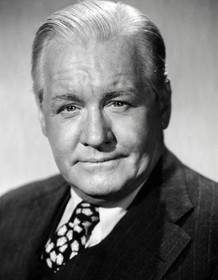
Joseph Crehan
Phil Sampson

Lee Bowman
Ronnie Colton

Sara Haden
Harriet Harringan

Virginia Grey
Teddy Carlyle
Thurston Hall
Sen. Morton
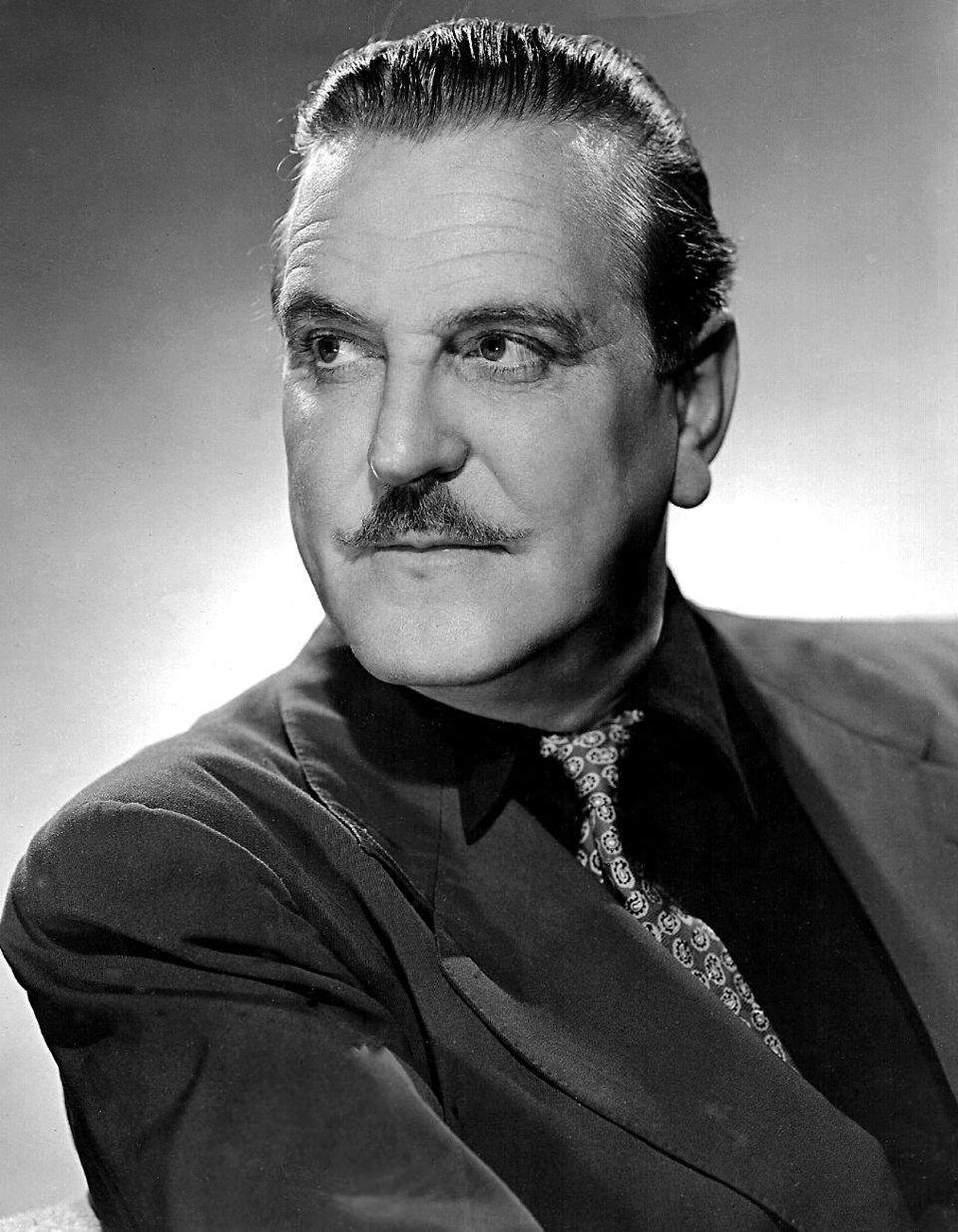
Frank Morgan
Calvin Claymore
Ann Rutherford
Laurie Claymore
Kent Taylor
Hal Thorne
Douglass Dumbrille
District Attorney Donnelly
Virginia Brissac
Mrs. Curzon
Dan Dailey
Whitney King
Howard Hickman
Bishop Chatterton
Frederick Burton
Dean Lawford
Olaf Hytten
Parry
Fay Holden
Elizabeth Claymore
Anne Gwynne
Mary Morgan
Cliff Clark
Simpson
Hal K. Dawson
Logan
External Links and Streaming Options
Discover where to watch Washington Melodrama online, including streaming platforms, rental options, and official sources. Compare reviews, ratings, and in-depth movie information across sites like IMDb, TMDb, Wikipedia or Letterboxd.




Take the Ultimate Washington Melodrama Movie Quiz
Challenge your knowledge of Washington Melodrama with this fun and interactive movie quiz. Test yourself on key plot points, iconic characters, hidden details, and memorable moments to see how well you really know the film.
Washington Melodrama Quiz: Test your knowledge of the 1941 film Washington Melodrama, covering characters, actors, plot twists, and key events.
Which actor portrays the industrialist Calvin Claymore?
Full Plot Summary and Ending Explained for Washington Melodrama
Read the complete plot summary of Washington Melodrama, including all major events, twists, and the full ending explained in detail. Explore key characters, themes, hidden meanings, and everything you need to understand the story from beginning to end.
Calvin Claymore, Frank Morgan is a respected Washington industrialist turned philanthropist in 1941, passionately backing a Senate bill to feed the starving children of war-torn Europe. He faces stiff opposition from the sharp-tongued newspaper publisher, Hal Thorne, a man who fears the aid could be hijacked by fascist militaries and used for political leverage.
One draining evening after a grueling committee meeting, Claymore receives a doleful call from his wife, informing him that instead of returning home, she and their daughter Laurie Claymore, Ann Rutherford, will extend their globe-trotting for several more months. Heartsick, he tries to retreat to the quiet of his home, a ritual of solace that his secretary interrupts by coaxing a high-spirited U.S. Senator to join him at a surprisingly frisky nightclub. There, Claymore meets the very attractive Mary Morgan, Anne Gwynne, a performer in an entertainment troupe that blends dance and water ballet. He is a gentleman throughout the evening, and as the night ends he asks if he might see her again. Mary agrees, and the two innocently spend a summer wandering through the capital’s sights and public highlights, sharing conversations that reveal a warmth and companionship Claymore has been longing for.
As the season drawing to a close and the moment of his wife and daughter’s return approaches, Claymore visits Mary at her apartment. He leaves behind a warm note and several thousand dollars, insisting she use it to enjoy some of the nice things in life she has spoken of. Mary, though moved by the generous gesture, vows to return the money. Unbeknownst to them, Whitney King, the nightclub’s MC, has his own troubling agenda. Whitney, Dan Dailey, operates a coercive scheme aimed at keeping his “girls” hooked on wealthy patrons, a scheme that quickly turns deadly when he tries to force Mary to surrender the cash.
In the aftermath, a hunting-for-sin narrative erupts as Mary’s money and an incriminating note are found in a search of her apartment, and Whitney King becomes the target of Claymore’s blackmail to avoid scandal. Claymore’s return home is shadowed by the renewed relationship between Laurie and her would-be fiancé, Hal Thorne, stirring old political tensions as the two clash over the fate of the aid bill.
The plot thickens when a glove Claymore wore the night of Mary’s death is unearthed by one of Thorne’s reporters, triggering a fevered pursuit by the district attorney and the press to pin the crime on Claymore. Thorne uses the press as a tool to rally public opinion, even as the District Attorney Donnelly, Douglass Dumbrille, closes in. In a bid to shield Claymore, Thorne conspires to hide the incriminating glove, testing loyalties and political lines.
Laurie, ever the determined daughter, episodes a daring moment by posing as a cosmopolitan French coquette and slipping into King’s orbit, joining a dangerous game that also draws in Teddy Carlyle, Virginia Grey, a jealous dancer who is both Teddy and King’s partner. The night escalates when Teddy discovers the liaison, and King, in a fit of rage, shoots Teddy. Teddy survives only long enough to place the blame and name King as Mary’s murderer on her deathbed, a confession that shifts the investigation’s trajectory.
The next morning, Claymore takes the stand to testify before the Senate in support of his charitable plan, while the family stands united behind him. In a hard-won moment of reconciliation, father and future son-in-law (Laurie’s fiancé) clasp hands, though the battle over the bill continues in spirit. The film closes on a note of resolve: despite the personal cost and political battles, the Claymore family remains committed to pursuing relief for Europe’s children, united by love, duty, and a shared conviction to push the cause forward.

Coming soon on iOS and Android
The Plot Explained Mobile App
From blockbusters to hidden gems — dive into movie stories anytime, anywhere. Save your favorites, discover plots faster, and never miss a twist again.
Sign up to be the first to know when we launch. Your email stays private — always.
Explore the mobile appDiscover Film Music Concerts Near You – Live Orchestras Performing Iconic Movie Soundtracks
Immerse yourself in the magic of cinema with live orchestral performances of your favorite film scores. From sweeping Hollywood blockbusters and animated classics to epic fantasy soundtracks, our curated listings connect you to upcoming film music events worldwide.
Explore concert film screenings paired with full orchestra concerts, read detailed event information, and secure your tickets for unforgettable evenings celebrating legendary composers like John Williams, Hans Zimmer, and more.


Washington Melodrama Themes and Keywords
Discover the central themes, ideas, and keywords that define the movie’s story, tone, and message. Analyze the film’s deeper meanings, genre influences, and recurring concepts.

Unlock the World of Movies with Our Comprehensive Wiki
Dive into our Movie Wiki for in-depth film encyclopedia entries, including cast biographies, production trivia, plot synopses, behind-the-scenes facts, and thematic analyses. Whether you’re researching iconic directors, exploring genre histories, or discovering hidden easter eggs, our expertly curated movie database has everything you need to fuel your cinematic passion.
Similar Movies To Washington Melodrama You Should Know About
Browse a curated list of movies similar in genre, tone, characters, or story structure. Discover new titles like the one you're watching, perfect for fans of related plots, vibes, or cinematic styles.



Quick Links: Summary, Cast, Ratings, More

What's After the Movie?
Not sure whether to stay after the credits? Find out!
Check out our other apps:

SAT Sphere
Build confidence for the Digital SAT.

Mori Atlas
Discover wild places worth protecting.

Luntero
Search smarter for a home in Amsterdam.

Plot Explained
Unravel movie endings and hidden clues.

Pokechamp
Dive into Pokémon data and battle logic.

Driving Theory
Get ready for your European theory test.

Movie Dust
Plan your next cinema trip with ease.

Musemap
Find art and culture as you travel.

Selkobase
Compare credentials before committing.

Local Manual
Turn an unfamiliar country into practical next steps.

Lernavi
Compare school systems before your next move.

GymRoam
Find a workout stop wherever your plans take you.
Explore Our Movie Platform
New Movie Releases (2026)
Famous Movie Actors
Top Film Production Studios
Movie Plot Summaries & Endings
Major Movie Awards & Winners
Best Concert Films & Music Documentaries
Movie Collections and Curated Lists
© 2026 What's After the Movie. All rights reserved.
Privacy Policy