The Young Poisoner’s Handbook 1995


Graham Young is a teenage outsider in 1960s London who despises his stepmother and is fascinated by chemistry. He channels both feelings into a calculated plan to poison her slowly. After her death he is convicted, sentenced to a psychiatric hospital, and an idealistic doctor believes he can be rehabilitated, and the story raises moral questions.


Does The Young Poisoner’s Handbook have end credit scenes?
No!
The Young Poisoner’s Handbook does not have end credit scenes. You can leave when the credits roll.
Meet the Full Cast and Actors of The Young Poisoner’s Handbook
Explore the complete cast of The Young Poisoner’s Handbook, including both lead and supporting actors. Learn who plays each character, discover their past roles and achievements, and find out what makes this ensemble cast stand out in the world of film and television.

Ruth Sheen
Molly
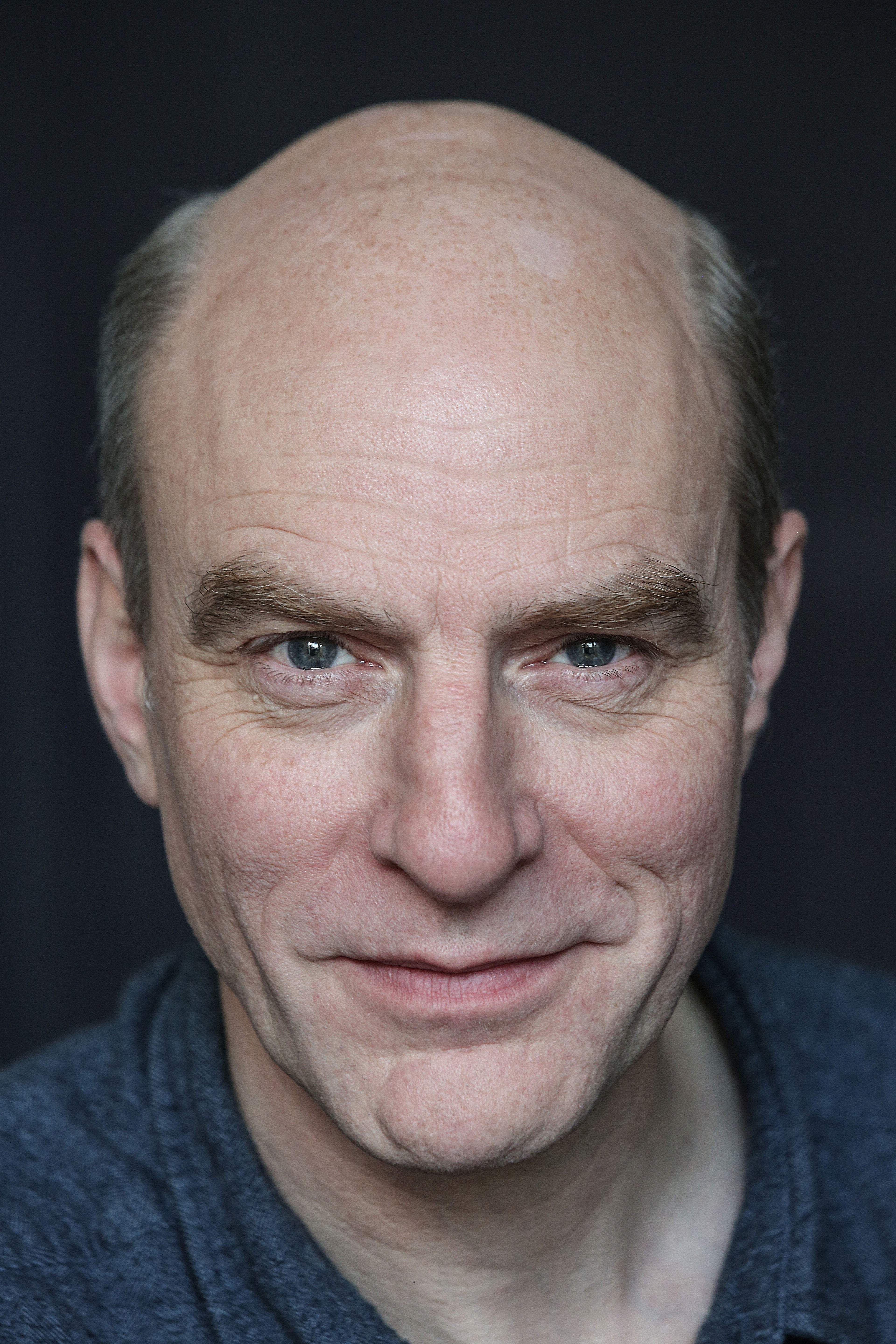
Simon Kunz
John

Hugh O'Conor
Graham Young
Tim Potter
Simon
John Abbott
Chairman
Paul Stacey
Dennis
Samantha Edmonds
Sue
Roger Lloyd Pack
Fred
John Thomson
Nathan
Antony Sher
Dr. Ernest Zeigler
Charlie Creed-Miles
Berridge
Hazel Douglas
Edna
Jack Deam
Mick
Robert Demeger
Mr. Dexter
Malcolm Sinclair
Dr. Triefus
Joost Siedhoff
Dr. Scott
Cate Fowler
Social Services Woman
Arthur Cox
Ray
Vilma Hollingbery
Aunty Panty
Peter Pacey
Dickie Boone
Frank Mills
Uncle Jack
Charlotte Coleman
Winnie
Jean Warren
Debra Smart
David Savile
Chief Medical Inspector
Frank Coda
Billy
Dorothea Alexander
Mrs. Goez
Norman Caro
Mr. Goez
Rupert Farley
Nurse Trent
Tobias Arnold
Young Graham
External Links and Streaming Options
Discover where to watch The Young Poisoner’s Handbook online, including streaming platforms, rental options, and official sources. Compare reviews, ratings, and in-depth movie information across sites like IMDb, TMDb, Wikipedia or Rotten Tomatoes.







Take the Ultimate The Young Poisoner’s Handbook Movie Quiz
Challenge your knowledge of The Young Poisoner’s Handbook with this fun and interactive movie quiz. Test yourself on key plot points, iconic characters, hidden details, and memorable moments to see how well you really know the film.
The Young Poisoner’s Handbook Quiz: Test your knowledge of the 1995 film that follows the life and crimes of chemist Graham Young.
Which actor portrays the main character Graham Young?
Full Plot Summary and Ending Explained for The Young Poisoner’s Handbook
Read the complete plot summary of The Young Poisoner’s Handbook, including all major events, twists, and the full ending explained in detail. Explore key characters, themes, hidden meanings, and everything you need to understand the story from beginning to end.
Graham Young, played by Hugh O’Conor, has been fixated on death and the macabre since childhood. A brilliant chemist with a sharp mind, he secretly dreams of poisoning as many people as he can and studies ways to do it. In adolescence, he poisons a schoolmate to win the attention of a girl who was seeing him, leaving the other boy ill rather than dead, while Graham’s conversations with his date spill vivid, graphic imagery of deadly car accidents. He also devours a graphic comic-book account of a wartime act in which the Dutch Resistance killed a German army camp by poisoning their water supply with thallium, feeding his already chilling fantasies.
At the age of fourteen, Graham is arrested outside his home in Neasden after poisoning his father and his stepmother with thallium, killing the latter and leaving his father gravely ill. During the struggle with the police, he drops his “Exit Dose,” a backup plan he intended to use to take his own life if caught. He is hospitalised for nine years in an institution for the criminally insane, where a dedicated psychiatrist works with him in the hope of rehabilitation. The doctor quickly notices Graham’s pattern of deceit, as the young man appears to offer little of himself and even borrows dreams from a fellow prisoner. That exchange dissolves when the fellow inmate commits suicide, and the source of the deception is laid bare. Yet the doctor persists, and over time he manages to secure Graham’s release despite the early signs of manipulation.
Back in ordinary life, Graham takes a job at a camera factory, where he is shown the secret ingredient used in the company’s shutter system—thallium. It isn’t long before he resumes poisoning, killing two coworkers by lacing their tea with tainted thallium stolen from the laboratory, and sickening many others. For months, the exact source of the illness puzzles the workers and management alike, until a twist of hygiene procedures reveals the culprit: all personalized teacups are replaced with uniform ones to reduce the risk of targeted poisoning. Graham’s careful memory work to match each cup to its owner becomes a telltale clue, and his colleagues finally realize what has been happening. The authorities soon arrest him, and he is sentenced to a lengthy period in an ordinary prison.
During his life in custody, Graham’s past is revisited, and the path that led him there is laid bare. The story culminates in his suicide, a fatal end brought about by poisoning himself with the so‑called Newton’s Diamond he had crafted during his time in the psychiatric hospital. Throughout, the narrative probes the uneasy boundary between extraordinary intellect and dangerous compulsion, presenting a chilling portrait of a young man who channels a morbid curiosity into real, deadly harm.
Ray, a supervisor at the factory, Arthur Cox, features in the factory sequence as the new hygiene measures unfold and the investigation tightens, underscoring how ordinary settings can become the stage for extraordinary peril. Dr. Ernest Zeigler, the psychiatrist who engages with Graham during his earlier confinement, is portrayed by Antony Sher, and his professional vigilance shapes the arc of Graham’s early examination and eventual release.

Coming soon on iOS and Android
The Plot Explained Mobile App
From blockbusters to hidden gems — dive into movie stories anytime, anywhere. Save your favorites, discover plots faster, and never miss a twist again.
Sign up to be the first to know when we launch. Your email stays private — always.
Explore the mobile appWatch Trailers, Clips & Behind-the-Scenes for The Young Poisoner’s Handbook
Watch official trailers, exclusive clips, cast interviews, and behind-the-scenes footage from The Young Poisoner’s Handbook. Dive deeper into the making of the film, its standout moments, and key production insights.
Cars Featured in The Young Poisoner’s Handbook
Explore all cars featured in The Young Poisoner’s Handbook, including their makes, models, scenes they appear in, and their significance to the plot. A must-read for car enthusiasts and movie buffs alike.
The Young Poisoner’s Handbook Themes and Keywords
Discover the central themes, ideas, and keywords that define the movie’s story, tone, and message. Analyze the film’s deeper meanings, genre influences, and recurring concepts.
The Young Poisoner’s Handbook Other Names and Titles
Explore the various alternative titles, translations, and other names used for The Young Poisoner’s Handbook across different regions and languages. Understand how the film is marketed and recognized worldwide.
Similar Movies To The Young Poisoner’s Handbook You Should Know About
Browse a curated list of movies similar in genre, tone, characters, or story structure. Discover new titles like the one you're watching, perfect for fans of related plots, vibes, or cinematic styles.



Quick Links: Summary, Cast, Ratings, More

What's After the Movie?
Not sure whether to stay after the credits? Find out!
Check out our other apps:

SAT Sphere
Build confidence for the Digital SAT.

Mori Atlas
Discover wild places worth protecting.

Luntero
Search smarter for a home in Amsterdam.

Plot Explained
Unravel movie endings and hidden clues.

Pokechamp
Dive into Pokémon data and battle logic.

Driving Theory
Get ready for your European theory test.

Movie Dust
Plan your next cinema trip with ease.

Musemap
Find art and culture as you travel.

Selkobase
Compare credentials before committing.

Local Manual
Turn an unfamiliar country into practical next steps.

Lernavi
Compare school systems before your next move.

GymRoam
Find a workout stop wherever your plans take you.
Explore Our Movie Platform
New Movie Releases (2026)
Famous Movie Actors
Top Film Production Studios
Movie Plot Summaries & Endings
Major Movie Awards & Winners
Best Concert Films & Music Documentaries
Movie Collections and Curated Lists
© 2026 What's After the Movie. All rights reserved.
Privacy Policy