
Arsenic and Old Lace (1944): Cast, Plot & Where to Watch
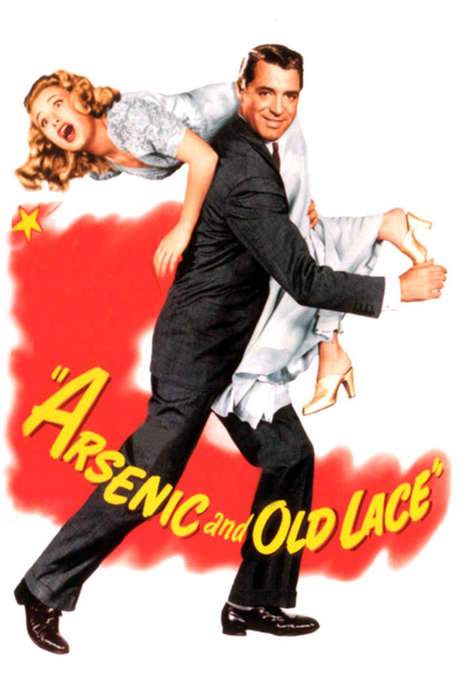
Arsenic and Old Lace is a 1944 crime comedy directed by Frank Capra, starring Cary Grant as Mortimer Brewster, John Alexander and Priscilla Lane. It runs 1 hour 58 minutes. Rent or buy it on Amazon Video and Apple TV Store.
- Released
- Runtime
- 1h 58m (118 min)
- Director
- Frank Capra
- Original language
-
 English
 - Studio
- Warner Bros. Pictures
- After the credits
- No No extra scene
What Is Arsenic and Old Lace About?
The premise of Arsenic and Old Lace without spoilers. The whole story is in the plot summary further down.
Mortimer Brewster, a newspaper drama critic who constantly derides marriage, unexpectedly falls in love and marries. He hurried home to tell his two spinster aunts, only to discover that they have been luring lonely men, poisoning them and hiding the bodies in their cellar—a deadly hobby that has already claimed thirteen victims. Mortimer must stop them.
Arsenic and Old Lace Themes & Keywords
· 50 tags- new york city
- poisoned drink
- female serial killer
- serial killer duo
- discovering a dead body
- hiding a dead body
- room for rent
- carrying a dead body over one's shoulder
- poisoned wine
- son of a sea cook
- buried in the cellar
- kiss
+38 more Show fewer
- homicidal family
- family of serial killers
- homicide
- intoxication
- mentally ill woman
- elderly female criminal
- talking about a honeymoon
- farce comedy
- insanity
- plastic surgeon
- arsenic
- reference to boris karloff
- mental illness
- dysfunctional family
- serial killer
- plastic surgery
- reference to theodore roosevelt
- elderberry wine
- illegitimate son
- cult favorite
- eccentricity
- wine
- old woman
- villain
- old man
- house
- cat
- reference to franklin d. roosevelt
- minister
- trick or treating
- taxi driver
- baseball game
- player hits umpire
- begins with text
- marriage license bureau
- wearing sunglasses indoors
- brawl
- paparazzi
Where to Watch Arsenic and Old Lace
Rent or buy it from Amazon Video and Apple TV Store. US availability and prices from JustWatch.





Streaming availability in the US, powered by 
Arsenic and Old Lace Cast & Characters
Cary Grant leads the cast as Mortimer Brewster, with John Alexander as 'Teddy Roosevelt' Brewster and Priscilla Lane as Elaine Harper Brewster. Directed by Frank Capra; 25 actors are credited in all.
-
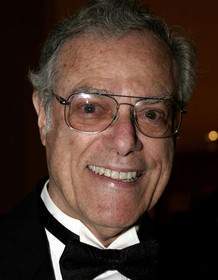 Director Frank Capra
-
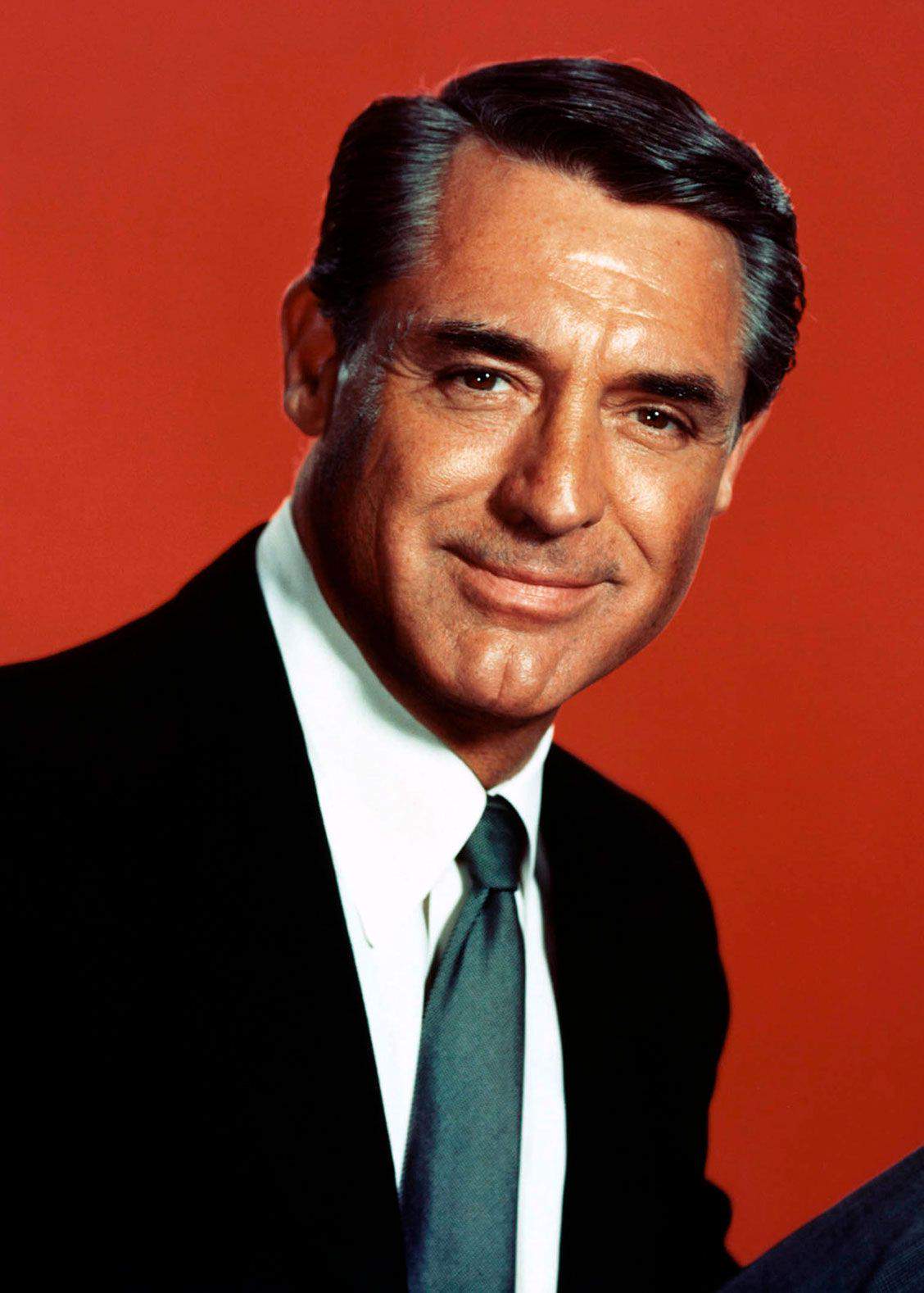 Cary Grant as Mortimer Brewster
 - John Alexander as 'Teddy Roosevelt' Brewster
- Priscilla Lane as Elaine Harper Brewster
- Grant Mitchell as Reverend Harper
Also Starring in Arsenic and Old Lace
· 21 more- Josephine Hull Aunt Abby Brewster
- Jean Adair Aunt Martha Brewster
- Raymond Massey Jonathan Brewster
- Jack Carson Officer Patrick O'Hara
- James Gleason Lt. Rooney
- Edward Everett Horton Mr. Witherspoon
- Peter Lorre Dr. Einstein
- Lee Phelps Umpire (uncredited)
- Charles Lane Reporter at Marriage License Office
- Leo White Man in Phone Booth (uncredited)
- Spencer Charters Marriage License Clerk
- Chester Clute Dr. Gilchrist
- John Ridgely Officer Saunders
- Sol Gorss New York Pitcher (uncredited)
- Hank Mann Photographer at Marriage License Office (uncredited)
- Garry Owen Taxi Cab Driver
Show all 25 cast members Show fewer cast members
- Spec O'Donnell Young Man in Line (uncredited)
- Raymond Walburn Drummer at baseball game (uncredited)
- Edward McWade Gibbs
- Edward McNamara Sergeant Brophy
- Vaughan Glaser Judge Cullman
Arsenic and Old Lace Plot Summary
What happens in Arsenic and Old Lace from start to finish, spoilers included, with a timeline of 14 key events. The opening is below; the full summary is a 5-minute read.
Spoilers ahead
Mortimer Brewster, a Brooklyn theater critic and aspiring writer, is preparing to marry his neighbor Elaine Harper Brewster on a Halloween that will reveal more twists than any play he’s ever reviewed. He has long described marriage as “an old-fashioned superstition,” yet the idea of a quiet wedding with Elaine seems like the perfect escape from his bustling life of reviews and deadlines. Their plans are interrupted when Elaine visits her minister father, the kindly but wary Reverend Harper, to share the news, and Mortimer returns home to break the news to his two aunts, Aunt Abby Brewster and Aunt Martha Brewster, who raised him in the creaky and comforting family house that sits high above the busy streets of Brooklyn.
Full summary
The whole story of Arsenic and Old Lace, scene by scene
Arsenic and Old Lace Trailers & Videos
4 videos: 2 trailers and 2 teasers.
- Trailer Arsenic and Old Lace (1944) - Trailer
- Teaser Arsenic and Old Lace - Trailer
- Teaser Arsenic and Old Lace (1944) Original Trailer: Cary Grant - Priscilla Lane - Frank Capra - Comedy
How Well Do You Know Arsenic and Old Lace?
10 questions about the story, each with a hint if you get stuck. Pick an answer to see whether you were right.
Question 1 of 10
- Question 1: not answered
- Question 2: not answered
- Question 3: not answered
- Question 4: not answered
- Question 5: not answered
- Question 6: not answered
- Question 7: not answered
- Question 8: not answered
- Question 9: not answered
- Question 10: not answered
What is Mortimer Brewster’s profession?
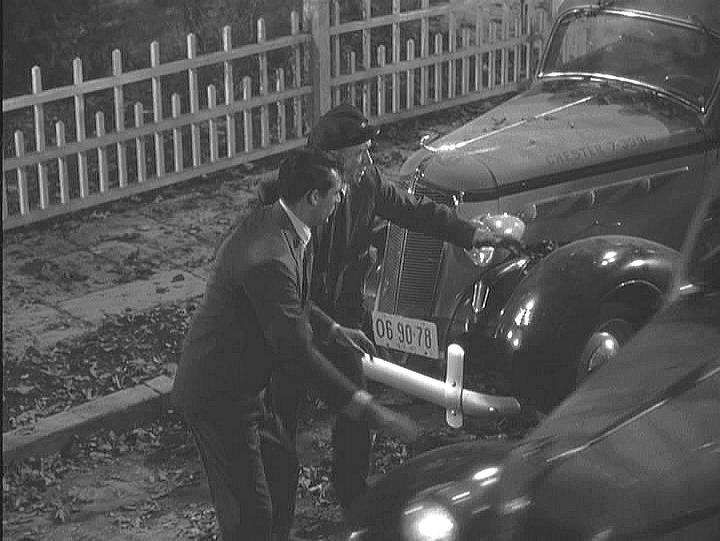
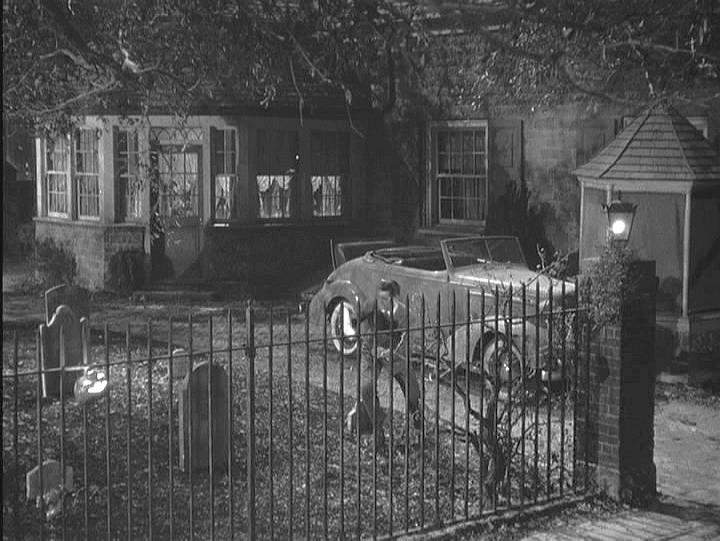
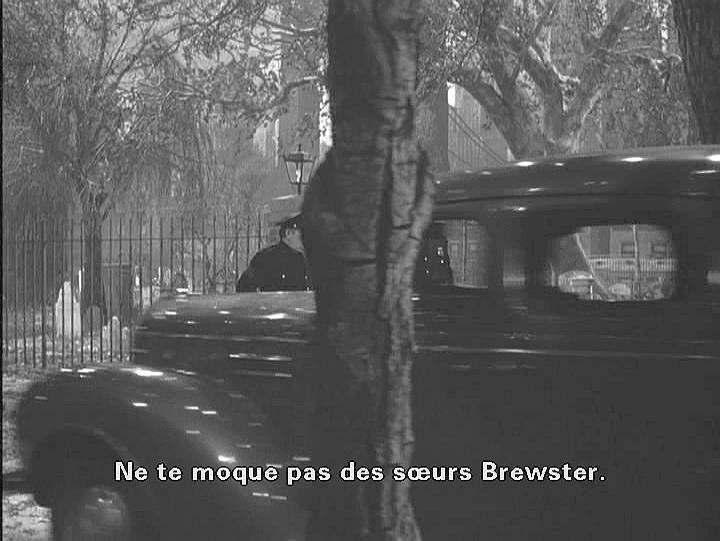
Cars in Arsenic and Old Lace
4 cars on screen, including the 1936 De Soto Airstream and the 1936 De Soto Airstream.
-
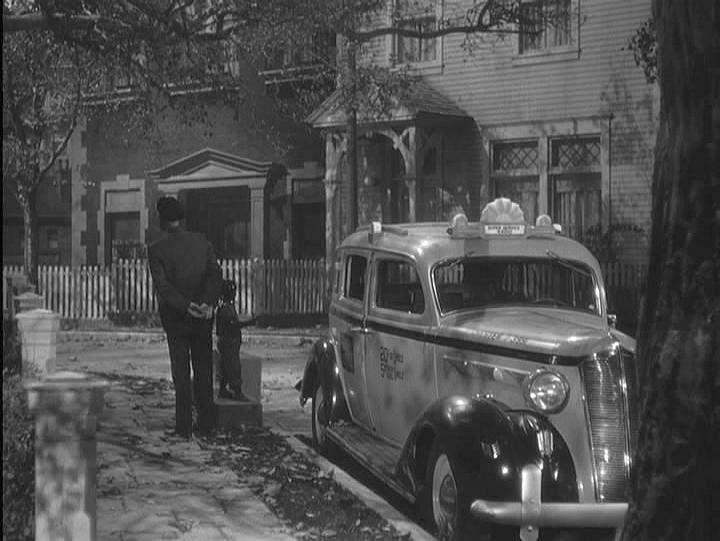 1936 De Soto Airstream Important role
 -
 1936 De Soto Airstream Minor role
 -
 1936 Chevrolet Standard Background role
 -
 1939 Plymouth De Luxe Background role
Arsenic and Old Lace Also Known As
25 alternative titles, including “Arsenicum en oude kant” and “砒霜与烈酒”.
- Also known as
-
- Arsenicum en oude kant
- 砒霜与烈酒
- Arsénico y encaje antiguo
- Arsen und Spitzenhäubchen
- Arsénico por compasión
- Арсеник и стари дантели
- Arsènic per compassió
- Jezinky a bezinky
- Arsenik og gamle kniplinger
- Αρσενικό και παλιά δαντέλα
- Arsenikkia ja vanhoja pitsejä
- Arsenic et vieilles dentelles
+13 more Show fewer
- רעל ותחרה
- Arsen i stare čipke
- Arzén és levendula
- Arsenico e vecchi merletti
- 毒薬と老嬢
- 아세닉 앤 올드 레이스
- Arszenik i stare koronki
- Esse Mundo é um Hospício
- Мышьяк и старые кружева
- Arsenik och gamla spetsar
- Arsenik Kurbanları
- Миш’як і старі мережива
- 毒药与老妇
Seen Arsenic and Old Lace?
Movies Like Arsenic and Old Lace
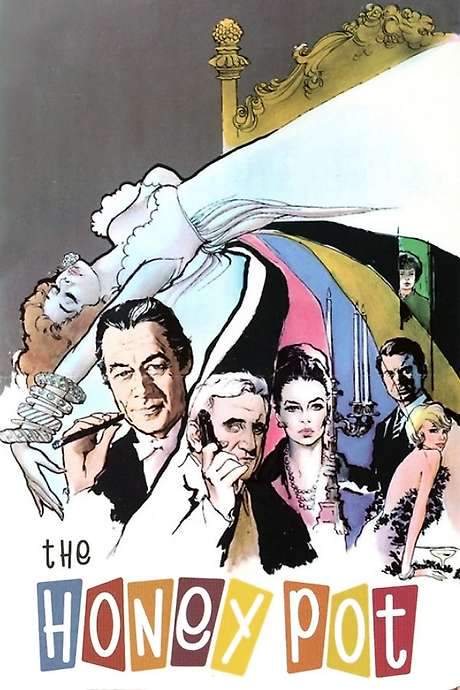
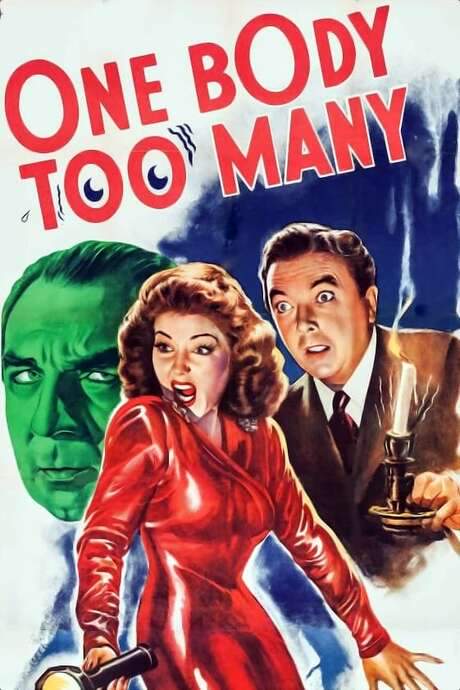
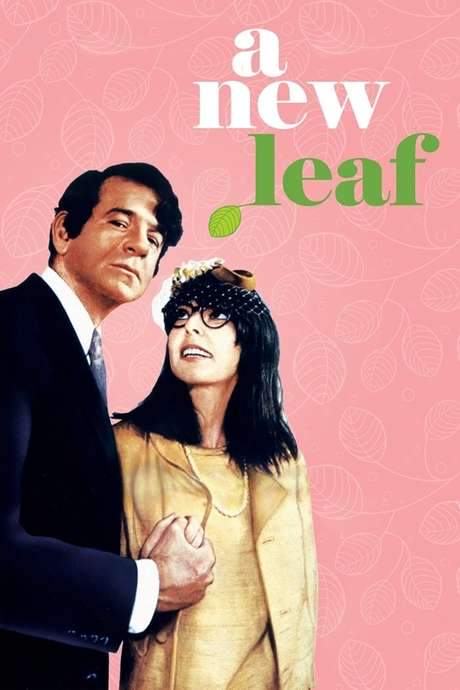
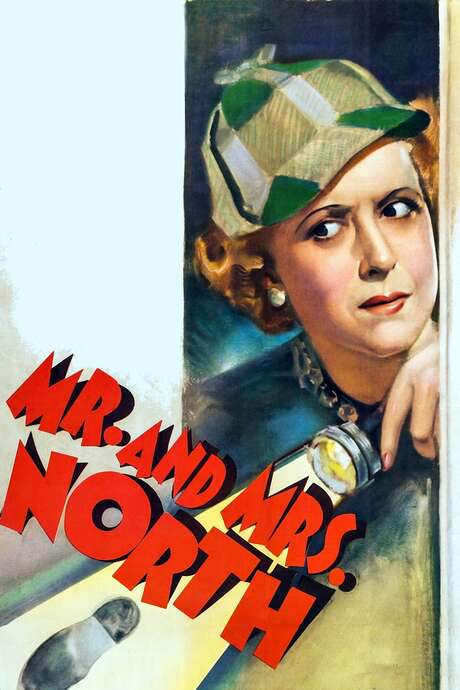
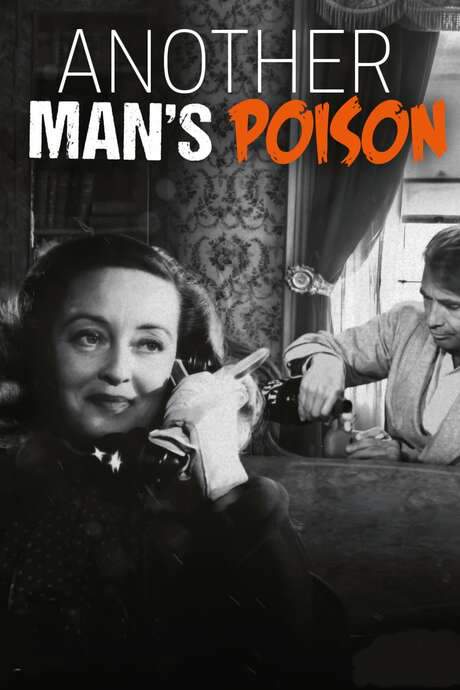
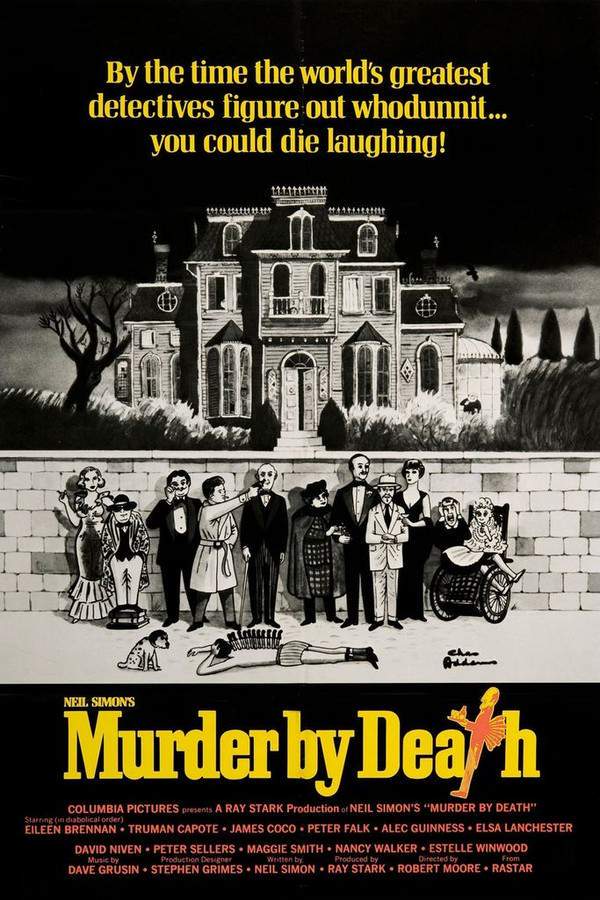
Films with a similar story, tone or audience, including Arsenic and Old Lace, Arsenic & Old Lace and A Slight Case of Murder.
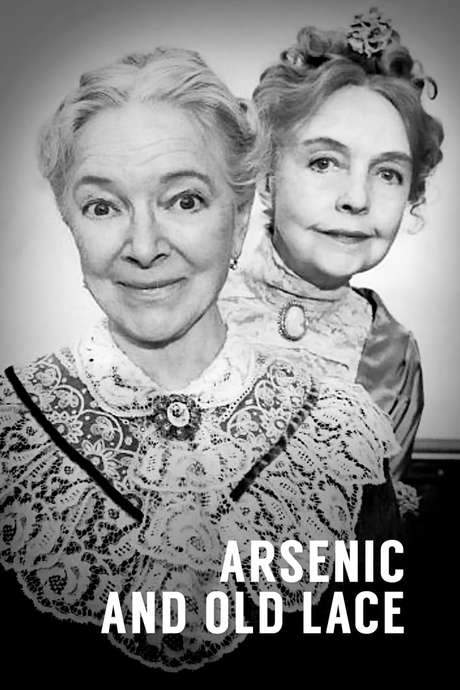

Arsenic and Old Lace FAQ: Where to Watch, Cast & Runtime
Runtime, release date, director, cast, where to watch and post-credit scenes of Arsenic and Old Lace, each answered in a sentence.
How long is Arsenic and Old Lace?
Arsenic and Old Lace runs 1 hour 58 minutes (118 minutes).
When was Arsenic and Old Lace released?
Arsenic and Old Lace was released on September 1, 1944.
Who directed Arsenic and Old Lace?
Arsenic and Old Lace was directed by Frank Capra.
More films by Frank Capra Who is in the cast of Arsenic and Old Lace?
Arsenic and Old Lace stars Cary Grant as Mortimer Brewster, John Alexander as 'Teddy Roosevelt' Brewster and Priscilla Lane as Elaine Harper Brewster, among 25 credited actors.
Where can I watch Arsenic and Old Lace?
In the US, Arsenic and Old Lace is available to rent or buy on Amazon Video, Apple TV Store and Fandango At Home (availability from JustWatch).
Does Arsenic and Old Lace have a post-credit scene?
No. Arsenic and Old Lace has no extra scene during or after the credits.
Coming soon to your phone
The Plot Explained Movie Summary App
From blockbusters to hidden gems: plot summaries, endings explained and timelines on your phone. Save your favorites and never miss a twist again.
Be the first to know when it launches. Your email stays private, always. Learn more about the app
