
 Netflix
  Netflix Standard with Ads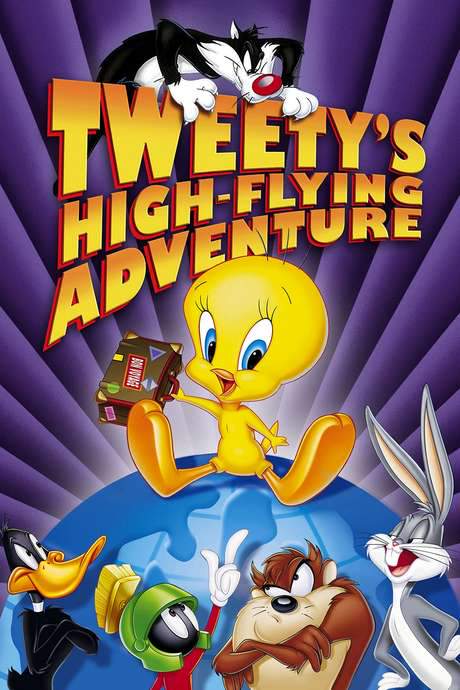
Opinions
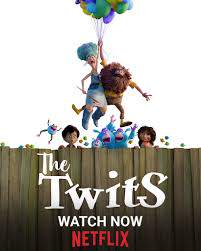
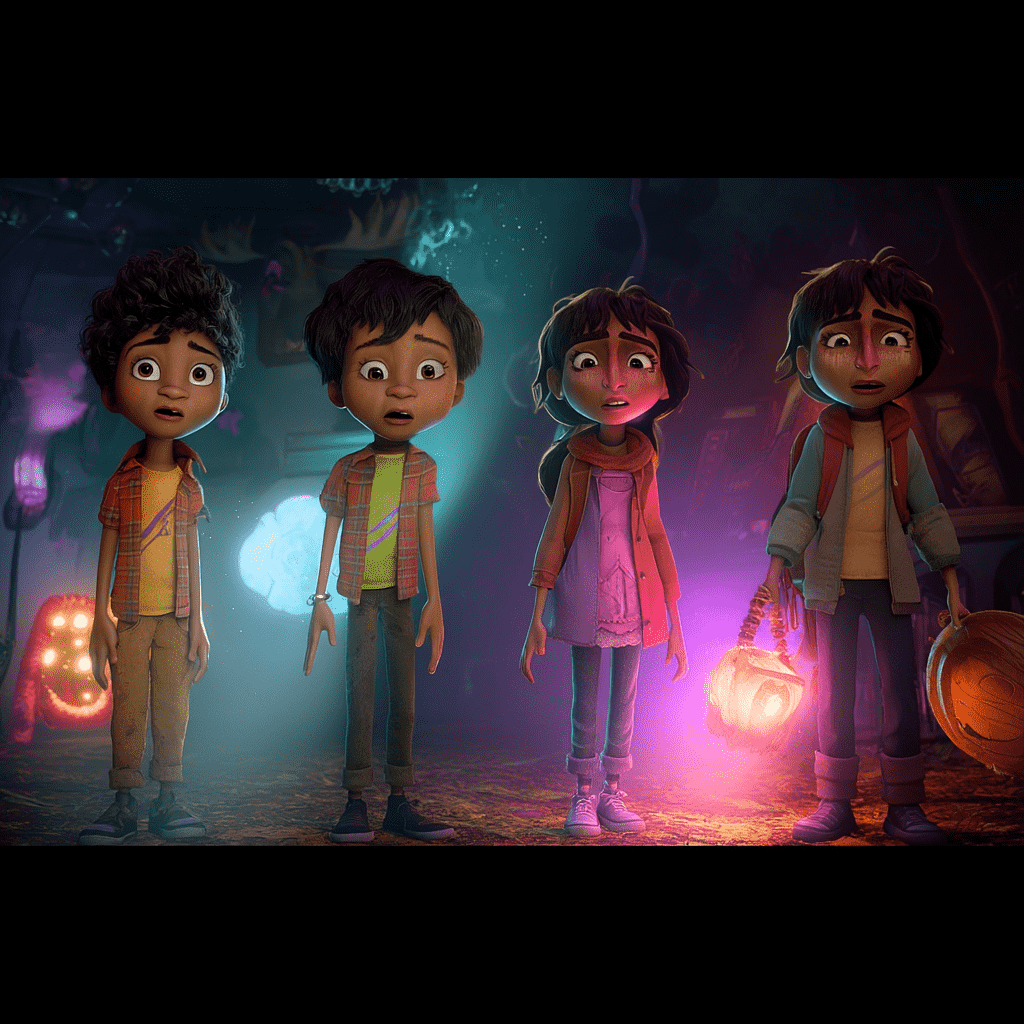
The Twits is a 2025 animated comedy directed by Phil Johnston and Todd Demong, starring Margo Martindale as Mrs. Twit, Emilia Clarke and Johnny Vegas. It brings to the screen characters from The Twits by Roald Dahl and Quentin Blake. It runs 1 hour 38 minutes. It earned 3 award nominations, including Outstanding Achievement for Character Design in an Animated Feature Production at the Annie Awards 2026. Critics gave it 48 on Metacritic, and IMDb users rate it 4.7/10. Stream it on Netflix.
The premise of The Twits without spoilers. The whole story and the ending explained are in the plot summary further down.
Mr. and Mrs. Twit are the meanest, smelliest, nastiest people on earth, and they run the hideous, dangerous, and absurd amusement park called Twitlandia. When the Twits seize control of their town, two courageous orphans and a family of magical animals are forced to become as cunning as the Twits themselves.
Stream it on Netflix. US availability and prices from JustWatch.
Stream 2
Streaming availability in the US, powered by 
Margo Martindale leads the cast as Mrs. Twit, with Emilia Clarke as Pippa and Johnny Vegas as Mr. Twit. Directed by Phil Johnston, Todd Demong and Katie Shanahan; 14 actors are credited in all.
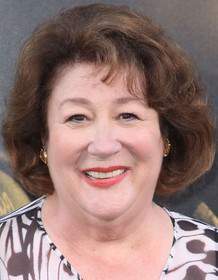 Margo Martindale as Mrs. Twit
 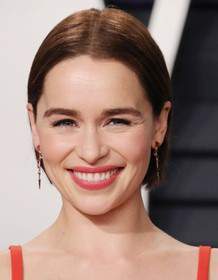 Emilia Clarke as Pippa
 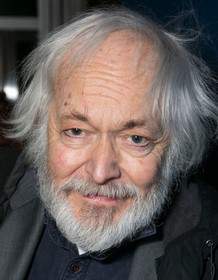 Johnny Vegas as Mr. Twit
 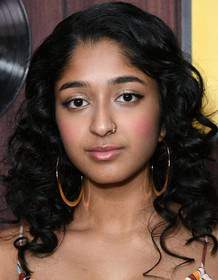 Maitreyi Ramakrishnan as Beesha Balti
 Critics gave The Twits 48 on Metacritic, and IMDb users rate it 4.7/10. Our Echo Score gives it 35/100, strongest in character & emotion (50) and weakest in story & flow (30).
The Twits struggles to balance its source material with a contemporary aesthetic, resulting in a film that many find visually uninspired and narratively thin. Critics and audiences alike note uneven animation, shallow characterizations, and a plot that abandons Dahl's trademark dark humor for overt moralizing. While a few performances, particularly Johnny Vegas as Mr. Twit, receive modest praise, the overall experience feels more like a generic streaming product than a compelling adaptation, limiting its lasting appeal.
Our own 0–100 rating, built from five aspects: art, character, story, the sensory experience and how well a film rewatches.
In terms of art and craft, the film’s visual execution is frequently described as diluted and simplistic. Reviewers point to an uneven animation style, rough textures, and a reliance on generic color palettes that fail to capture Dahl’s vivid imagination. Though a handful of critics acknowledge that the film looks decent in moments, the prevailing sentiment is that the production design and editing lack the polish needed to elevate the material.
Character work receives mixed feedback, with some viewers appreciating Johnny Vegas’s vocal performance and Maitreyi Ramakrishnan’s portrayal of Beesha. However, many critics argue that the protagonists are shallowly conceived and that emotional depth is sacrificed for slapstick humor. The chemistry among the cast is seen as sporadically effective, leading to a moderate overall impression of the character dimension.
The story dimension is widely regarded as a weak point, with pacing described as sluggish and the narrative stripped of Dahl’s characteristic edge. Critics note that the plot feels overly simplistic, opting for a heavy-handed moral lesson rather than inventive storytelling. Audiences echo this sentiment, labeling the adaptation as boring and unfaithful to the original book, contributing to a low story score.
Sensory experience, encompassing soundtrack and visual style, is seen as inconsistent. While certain scenes feature interesting color choices, the overall sound design and score are perceived as unremarkable. Reviewers compare the visual approach to a low-budget imitation of classic stop‑motion, and the auditory elements fail to leave a memorable impression, resulting in a modest sensory rating.
Rewatch factor is limited by the film’s uneven tone and lack of narrative depth. Though a few viewers enjoy specific comedic moments or the voice work, most critics and audience members express little desire to revisit the movie. The novelty of the humor quickly fades, and the adaptation’s shortcomings reduce its long‑term appeal, yielding a below‑average rewatch score.
 IMDb
IMDb 4.7 /10
4741 votes
See on IMDb Metacritic
 48 Metascore
User score 5.0
See on MetacriticWhat happens in The Twits from start to finish, spoilers included, with a timeline of 14 key events and the ending explained. The opening is below; the full summary is a 6-minute read.
Spoilers ahead
Told through the framing device of a firefly named Pippa [Emilia Clarke] telling a story to her son inside the beard of Mr. Twit [Johnny Vegas], the tale centers on a grumpy pair who share little joy beyond their amusement park, Twitlandia. The opening chapters set a tone of mischief and neglect, painting a couple who despise each other yet cling to their park as a hollow symbol of their power. When Twitlandia is shut down on its grand opening day for a string of violations, the couple vows revenge in a spectacular, chaotic fashion. In a bold and reckless move, they steal a liquid hot dog meat truck and use it to flood the water tower, triggering a massive explosion that dumps Triperot-like floodwater through the town.
Full summary
The whole story of The Twits, scene by scene, with the ending explained
The Twits earned 3 award nominations, including Outstanding Achievement for Character Design in an Animated Feature Production at the Annie Awards 2026.
3 nominations1 ceremony

The trailer of The Twits.
10 questions about the story, each with a hint if you get stuck. Pick an answer to see whether you were right.
Question 1 of 10
Who narrates the tale from inside Mr. Twit's beard?
33 alternative titles, including “Os Pestes” and “Твиты”.
Seen The Twits?
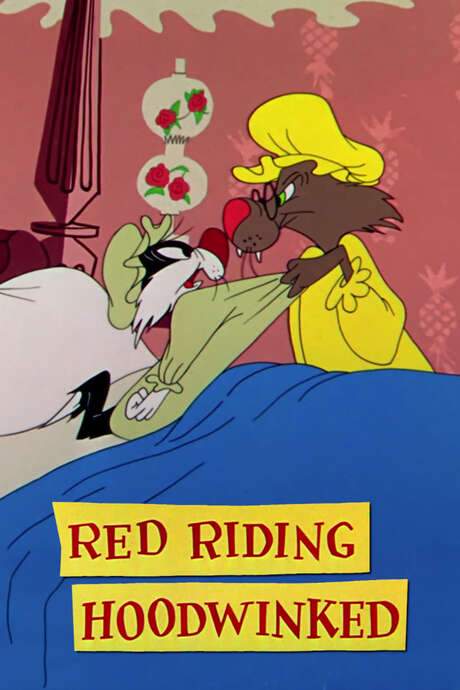
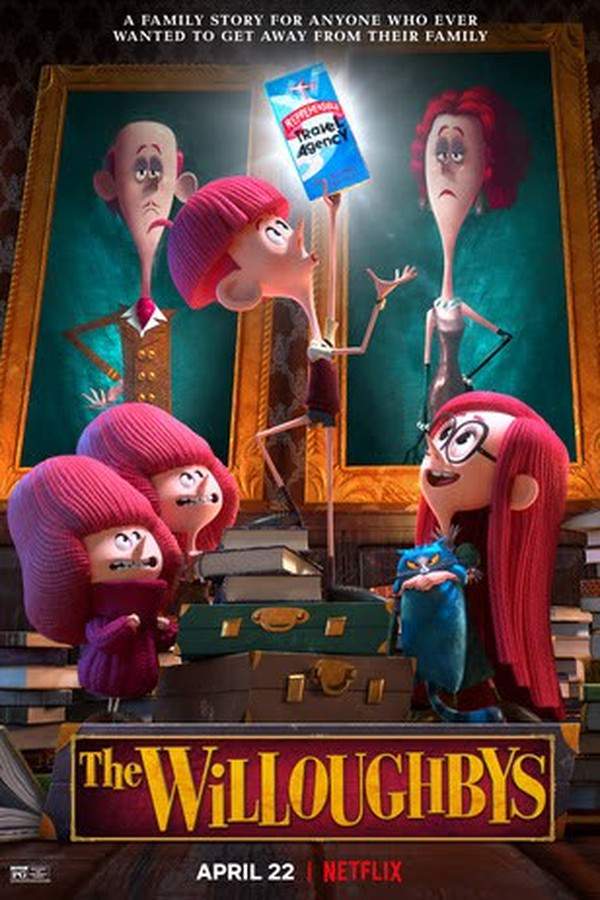
Films with a similar story, tone or audience, including Tweety’s High Flying Adventure, Red Riding Hoodwinked and The Willoughbys.
Our article about The Twits: “The Twits (2025) Review & Opinions: Critics & Fan Reception, Performance & Storytelling Analysis”.
Runtime, release date, director, cast, where to watch, ratings, awards and post-credit scenes of The Twits, each answered in a sentence.
The Twits runs 1 hour 38 minutes (98 minutes).
The Twits was released on October 17, 2025.
The Twits was directed by Phil Johnston, Todd Demong and Katie Shanahan.
More films by Phil JohnstonThe Twits stars Margo Martindale as Mrs. Twit, Emilia Clarke as Pippa and Johnny Vegas as Mr. Twit, among 14 credited actors.
In the US, The Twits is streaming on Netflix (availability from JustWatch).
The Twits has 4.7/10 on IMDb and 48 on Metacritic.
The Twits received 3 nominations across 1 ceremony.
Yes. The Twits has an extra scene during or after the credits, so it is worth staying seated.
Coming soon to your phone
From blockbusters to hidden gems: plot summaries, endings explained and timelines on your phone. Save your favorites and never miss a twist again.
Be the first to know when it launches. Your email stays private, always. Learn more about the app
