The Teahouse of the August Moon 1956


All The Riotous Fun Of The Prize-Winning Stage Comedy! In post-WWII Japan, an American captain is brought in to help build a school, but the locals want a teahouse instead.


Does The Teahouse of the August Moon have end credit scenes?
No!
The Teahouse of the August Moon does not have end credit scenes. You can leave when the credits roll.
Where to Watch The Teahouse of the August Moon
See current US streaming, rental, and purchase options for The Teahouse of the August Moon (1956) via JustWatch.

Streaming availability powered by 
Meet the Full Cast and Actors of The Teahouse of the August Moon
Explore the complete cast of The Teahouse of the August Moon, including both lead and supporting actors. Learn who plays each character, discover their past roles and achievements, and find out what makes this ensemble cast stand out in the world of film and television.

Nijiko Kiyokawa
Miss Higa Jiga
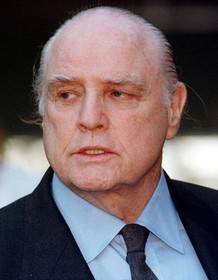
Marlon Brando
Sakini
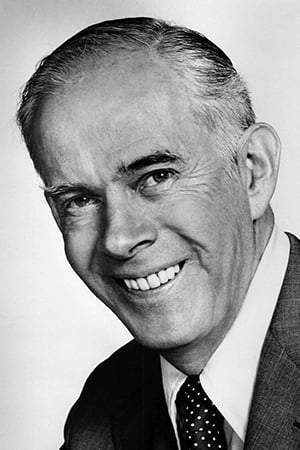
Harry Morgan
Sergeant Gregovich
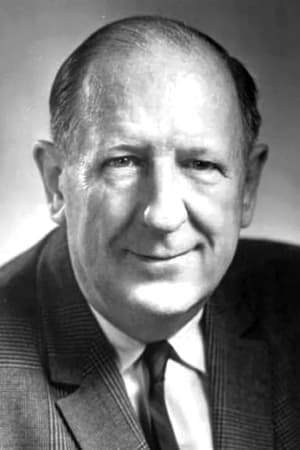
Paul Ford
Wainwright Purdy III

Machiko Kyô
Lotus Blossom

Eddie Albert
Captain McLean
Harry Harvey Jr.
Soldier (uncredited)

Glenn Ford
Captain Fisby
Jane Chung
Woman
Roger McGee
Soldier (uncredited)
Mitsuko Sawamura
Little Girl
Jun Negami
Mr. Seiko
Raynum K. Tsukamoto
Mr. Oshira (uncredited)
Minoru Nishida
Mr. Sumata (uncredited)
Carlo Fiore
Soldier (uncredited)
Aya Oyama
Daughter on Jeep (uncredited)
Miyoshi Jingu
Old Woman on Jeep (uncredited)
Dansho Miyazaki
Sumata's Father (uncredited)
Kichizaemon Sarumaru
Mr. Hokaida (uncredited)
Shichizo Takeda
Ancient Man (uncredited)
Frank Tokunaga
Mr. Omura (uncredited)
Yosan Tsuruta
Judge (uncredited)
External Links and Streaming Options
Discover where to watch The Teahouse of the August Moon online, including streaming platforms, rental options, and official sources. Compare reviews, ratings, and in-depth movie information across sites like IMDb, TMDb, Wikipedia or Box Office Mojo.






Take the Ultimate The Teahouse of the August Moon Movie Quiz
Challenge your knowledge of The Teahouse of the August Moon with this fun and interactive movie quiz. Test yourself on key plot points, iconic characters, hidden details, and memorable moments to see how well you really know the film.
The Teahouse of the August Moon Quiz: Test your knowledge of the 1956 film "The Teahouse of the August Moon" with these ten questions ranging from easy to difficult.
Which actor portrayed Captain Fisby?
Full Plot Summary and Ending Explained for The Teahouse of the August Moon
Read the complete plot summary of The Teahouse of the August Moon, including all major events, twists, and the full ending explained in detail. Explore key characters, themes, hidden meanings, and everything you need to understand the story from beginning to end.
Misfit Captain Fisby, [Glenn Ford], is sent to Americanize Tobiki, a village on Okinawa—the largest of the Ryukyu Islands. His commanding officer, Colonel Wainwright Purdy III, [Paul Ford], assigns him a wily local, Sakini, [Marlon Brando], as interpreter. From the start, the mission shapes up as a clash of fast plans and stubborn local charm, setting the tone for a story that balances comedy with a gentle critique of cultural change.
Fisby tries to implement the military’s plans by encouraging the villagers to build a school in the shape of a pentagon, but the locals want to build a teahouse instead. Fisby gradually becomes assimilated to the local customs and mores with the help of Sakini and Lotus Blossom, a young geisha, [Machiko Kyô]. The idea of modernization softens into a dance of everyday life, where business is less about policy and more about people and place. To revive the economy, he has the Okinawans manufacture small items to sell as souvenirs, but nobody wants to buy them. These include cricket cages and wooden geta, simple crafts that speak to a culture not quite ready to commodify its traditions for distant buyers. Yet the seed of enterprise is there, and the village learns to experiment with what it can offer.
Then Fisby makes a happy discovery. The villagers distill a potent sweet potato brandy in a matter of days, which finds a ready market in the American army. With the influx of money, the teahouse is built in next to no time, transforming a space of leisure into a bustling hub of social life and informal commerce. The rapid turn from poverty to opportunity creates new dynamics, and the balance of power between orders from above and desires from below begins to tilt.
When Purdy sends psychiatrist Captain McLean, [Eddie Albert], to check up on Fisby, the newcomer is quickly won over. This, even after Fisby greets McLean wearing geta, an army bathrobe (which Fisby calls his kimono) and what Fisby terms an “air-conditioned” straw hat, a humorous aside that highlights the cultural misunderstandings at play. McLean later proves to be enthusiastic about organic farming, a detail that underscores how ideas of modernization can take surprising, even wholesome, directions in this setting.
When Purdy doesn’t hear from either officer, he shows up in person and surprises Fisby and McLean, the latter wearing a yukata (a summer-weight kimono). They are found leading a rowdy song at a party in the teahouse, a scene that captures the mingling of military presence with local celebration. Purdy orders the building and distillery destroyed, a drastic move that rattles everyone involved. In a burst of foresight, the villagers break up old water urns rather than the brandy storage and only dismantle the teahouse, hiding the sections to preserve the community’s newfound livelihood and social space.
The village is eventually chosen by the Supreme Commander of the Allied Powers (SCAP) as an example of successful American-led democratization. This designation forces Purdy to confront the consequences of his earlier decisions, leading to a reconsideration of his actions and to the decision to reassemble the teahouse. The story thus tracks a delicate arc from top-down reform to bottom-up resilience, showing how a small Okinawan community negotiates change, maintains its identity, and reclaims its social heart in the shadow of a broader political experiment.

Coming soon on iOS and Android
The Plot Explained Mobile App
From blockbusters to hidden gems — dive into movie stories anytime, anywhere. Save your favorites, discover plots faster, and never miss a twist again.
Sign up to be the first to know when we launch. Your email stays private — always.
Explore the mobile appWatch Trailers, Clips & Behind-the-Scenes for The Teahouse of the August Moon
Watch official trailers, exclusive clips, cast interviews, and behind-the-scenes footage from The Teahouse of the August Moon. Dive deeper into the making of the film, its standout moments, and key production insights.
Cars Featured in The Teahouse of the August Moon
Explore all cars featured in The Teahouse of the August Moon, including their makes, models, scenes they appear in, and their significance to the plot. A must-read for car enthusiasts and movie buffs alike.
The Teahouse of the August Moon Themes and Keywords
Discover the central themes, ideas, and keywords that define the movie’s story, tone, and message. Analyze the film’s deeper meanings, genre influences, and recurring concepts.

Unlock the World of Movies with Our Comprehensive Wiki
Dive into our Movie Wiki for in-depth film encyclopedia entries, including cast biographies, production trivia, plot synopses, behind-the-scenes facts, and thematic analyses. Whether you’re researching iconic directors, exploring genre histories, or discovering hidden easter eggs, our expertly curated movie database has everything you need to fuel your cinematic passion.

Similar Movies To The Teahouse of the August Moon You Should Know About
Browse a curated list of movies similar in genre, tone, characters, or story structure. Discover new titles like the one you're watching, perfect for fans of related plots, vibes, or cinematic styles.


Quick Links: Summary, Cast, Ratings, More

What's After the Movie?
Not sure whether to stay after the credits? Find out!
Check out our other apps:

SAT Sphere
Build confidence for the Digital SAT.

Mori Atlas
Discover wild places worth protecting.

Luntero
Search smarter for a home in Amsterdam.

Plot Explained
Unravel movie endings and hidden clues.

Pokechamp
Dive into Pokémon data and battle logic.

Driving Theory
Get ready for your European theory test.

Movie Dust
Plan your next cinema trip with ease.

Musemap
Find art and culture as you travel.

Selkobase
Compare credentials before committing.

Local Manual
Turn an unfamiliar country into practical next steps.

Lernavi
Compare school systems before your next move.

GymRoam
Find a workout stop wherever your plans take you.
Explore Our Movie Platform
New Movie Releases (2026)
Famous Movie Actors
Top Film Production Studios
Movie Plot Summaries & Endings
Major Movie Awards & Winners
Best Concert Films & Music Documentaries
Movie Collections and Curated Lists
© 2026 What's After the Movie. All rights reserved.
Privacy Policy