
The Man Who Broke 1,000 Chains (1987): Cast & Plot
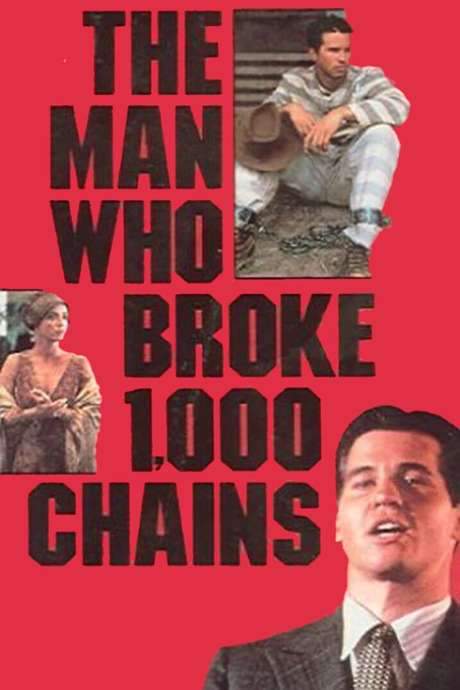
The Man Who Broke 1,000 Chains is a 1987 drama directed by Daniel Mann, starring Val Kilmer as Robert Elliot Burns / Elliot Roberts, James Keach and Bill Gratton. It runs 1 hour 55 minutes.
- Released
- Runtime
- 1h 55m (115 min)
- Director
- Daniel Mann
- Genre
- Drama
- Original language
-
 English
 - After the credits
- No No extra scene
What Is The Man Who Broke 1,000 Chains About?
The premise of The Man Who Broke 1,000 Chains without spoilers. The whole story is in the plot summary further down.
Even the toughest prison cannot crush a determined spirit. This true account follows Robert Elliot Burns, sentenced to a brutal Georgia chain gang, as he engineers two bold escape attempts, showcasing his relentless drive for freedom and the lengths he will go to reclaim his liberty.
The Man Who Broke 1,000 Chains Themes & Keywords
· 13 tags- chain gang
- based on autobiography
- hung upside down
- bare chested male
- bare chested male bondage
- whipping
- flogging
- corporal punishment
- world war one
- autobiographical
- world war two
- remake
+1 more Show fewer
- based on novel
The Man Who Broke 1,000 Chains Cast & Characters
Val Kilmer leads the cast as Robert Elliot Burns / Elliot Roberts, with James Keach as Father Vincent Godfrey Burns and Bill Gratton as Georgia Parole Board Official. Directed by Daniel Mann; 50 actors are credited in all.
- Director Daniel Mann
-
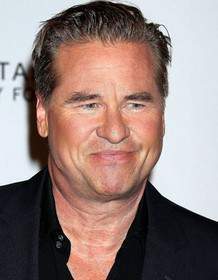 Val Kilmer as Robert Elliot Burns / Elliot Roberts
 -
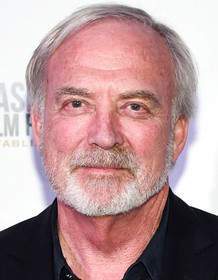 James Keach as Father Vincent Godfrey Burns
 - Bill Gratton as Georgia Parole Board Official
- John Mitchum as Atlanta Judge
Also Starring in The Man Who Broke 1,000 Chains
· 46 more- Charles Durning Warden Hardy
- William Sanderson Trump
- Elisha Cook Jr. Pappy Glue
- Taylor Presnell George Seales
- Paul Benjamin Big Sam
- Sônia Braga Emily Del Pino Pacheco
- Tommy Bush Chicago Judge
- Kyra Sedgwick Lillian Salo
- Bill Bolender Rayford
- Clancy Brown Flagg
- Chris Mulkey Burn's Chicago Lawyer
- Bert Williams Police Chief
- Michael Clark Detective #1
- Taj Mahal Bones
- Julius Tennon Nub
- Warren Vanders Stuckey
Show all 50 cast members Show fewer cast members
- Charles Carroll Hobo #1
- Jerry Anderson Speech Chairman
- Bert Conway Father Burns
- Harlan Jordan Backwoodsman
- Rony Clanton Cowboy
- Desmond Dhooge Dog Handler
- Billy Kane Burley
- Charles McClelland Chain Gang Prisoner
- Tim Hicks Chain Gang Prisoner
- Esther Benson Mother Burns
- Richard Nelson Chain Gang Prisoner
- Roy Morgan Deebo
- Lawrence Parks Merle McBain
- Helen Hall Bookstore Owner
- Ransom Andrews Hobo #2
- Stan Sturing Burn's Atlanta Lawyer
- George Auld Detective #2
- Pat Minter Trustee #1
- Joe McCaig Trustee #2
- Dennis Pace Chain Gang Prisoner
- Page Doyle Chain Gang Prisoner
- Mitch Smith Chain Gang Prisoner
- Charles Floyd Chain Gang Prisoner
- Kenneth Cooks Chain Gang Prisoner
- Stephen Ham Chain Gang Prisoner
- Clyde Hutchinson, Jr. Chain Gang Prisoner
- Glynn Bradley Chain Gang Prisoner
- L. B. Jernigan Chain Gang Prisoner
- Robert Callender Chain Gang Prisoner
- Edward C. Langston Chain Gang Prisoner
The Man Who Broke 1,000 Chains Plot Summary
What happens in The Man Who Broke 1,000 Chains from start to finish, spoilers included, with a timeline of 15 key events. The opening is below; the full summary is a 6-minute read.
Spoilers ahead
In 1922, Robert Elliott Burns returns from the brutal shadows of World War I, carrying vivid flashbacks and a growing anger at the stubborn joblessness and apathy facing veterans. His brother Vincent, a minister, offers a soft, hopeful kindness, but Burns feels the pull to start anew and heads toward Florida in search of work.
Full summary
The whole story of The Man Who Broke 1,000 Chains, scene by scene
How Well Do You Know The Man Who Broke 1,000 Chains?
10 questions about the story, each with a hint if you get stuck. Pick an answer to see whether you were right.
Question 1 of 10
- Question 1: not answered
- Question 2: not answered
- Question 3: not answered
- Question 4: not answered
- Question 5: not answered
- Question 6: not answered
- Question 7: not answered
- Question 8: not answered
- Question 9: not answered
- Question 10: not answered
What war did Robert Elliott Burns serve in before his imprisonment?
The Man Who Broke 1,000 Chains Also Known As
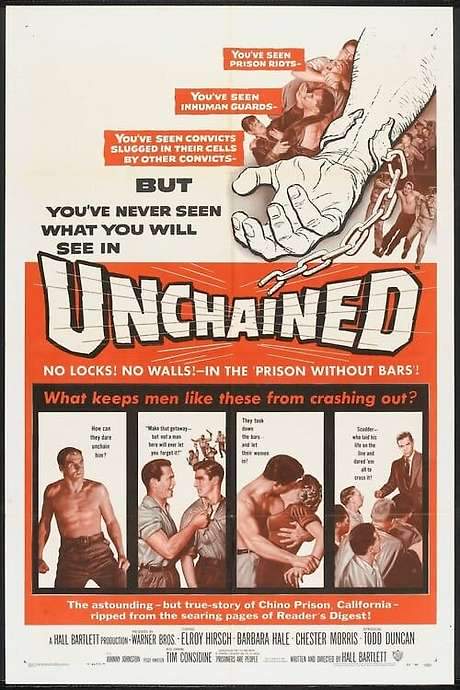
6 alternative titles, including “Unchained” and “Mil Elos: O Preço da Liberdade”.
- Also known as
-
- Unchained
- Mil Elos: O Preço da Liberdade
- Láncok nélkül
- Человек, который разорвал тысячу цепей
- Incatenato all'inferno
- 1000 Elos: O Preço da Liberdade
Seen The Man Who Broke 1,000 Chains?
Movies Like The Man Who Broke 1,000 Chains
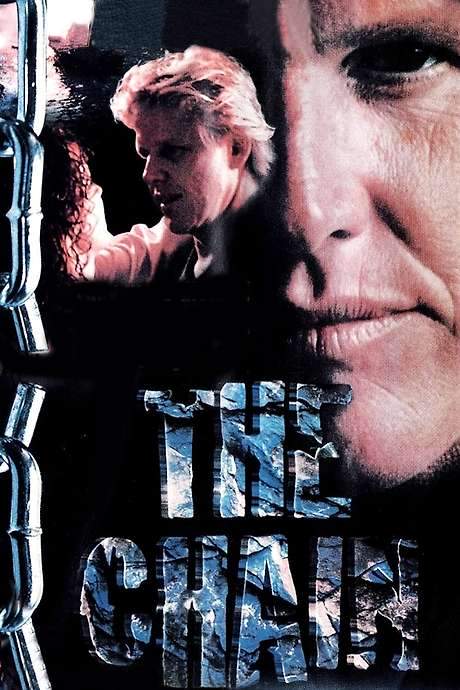
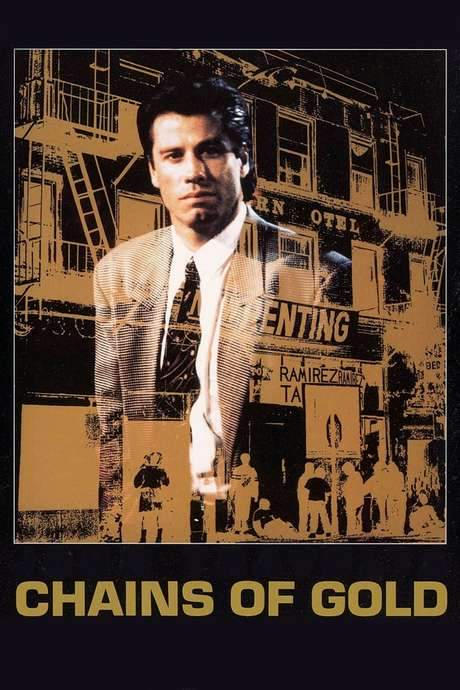
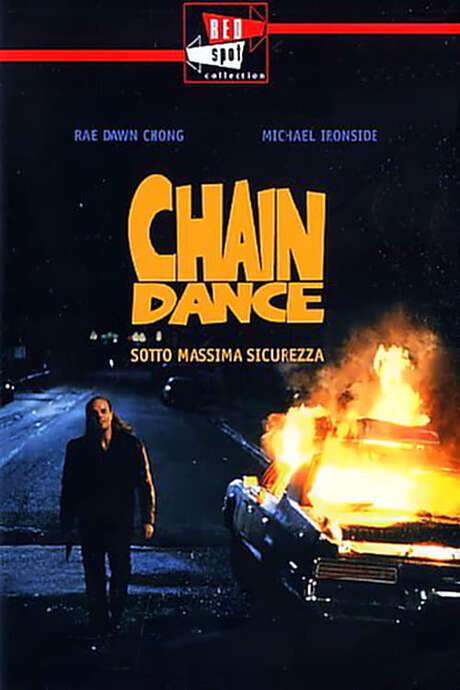
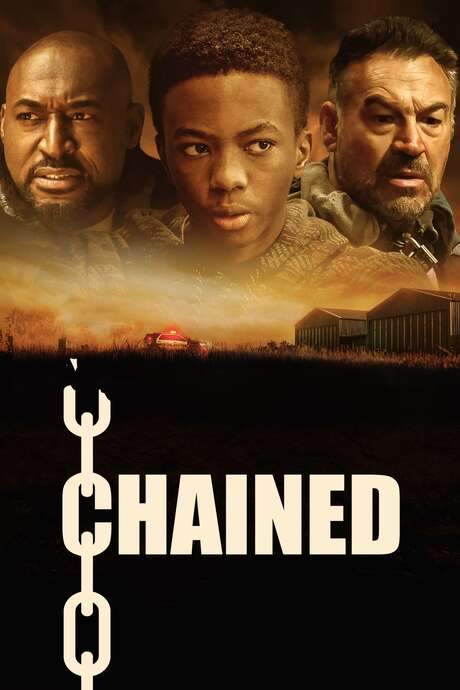
Films with a similar story, tone or audience, including The Chain, Unchained and Chains of Gold.

The Man Who Broke 1,000 Chains FAQ: Cast & Runtime
Runtime, release date, director, cast and post-credit scenes of The Man Who Broke 1,000 Chains, each answered in a sentence.
How long is The Man Who Broke 1,000 Chains?
The Man Who Broke 1,000 Chains runs 1 hour 55 minutes (115 minutes).
When was The Man Who Broke 1,000 Chains released?
The Man Who Broke 1,000 Chains was released on October 31, 1987.
Who directed The Man Who Broke 1,000 Chains?
The Man Who Broke 1,000 Chains was directed by Daniel Mann.
More films by Daniel Mann Who is in the cast of The Man Who Broke 1,000 Chains?
The Man Who Broke 1,000 Chains stars Val Kilmer as Robert Elliot Burns / Elliot Roberts, James Keach as Father Vincent Godfrey Burns and Bill Gratton as Georgia Parole Board Official, among 50 credited actors.
Does The Man Who Broke 1,000 Chains have a post-credit scene?
No. The Man Who Broke 1,000 Chains has no extra scene during or after the credits.
Coming soon to your phone
The Plot Explained Movie Summary App
From blockbusters to hidden gems: plot summaries, endings explained and timelines on your phone. Save your favorites and never miss a twist again.
Be the first to know when it launches. Your email stays private, always. Learn more about the app
