The Shoes of the Fisherman 1968


After spending two decades in a Soviet gulag, Ukrainian bishop Kiril Lakota is suddenly freed and dispatched to the Vatican. When the Pope dies unexpectedly, the Church looks to the former prisoner to assume the papacy, thrusting him into a pivotal role that could shape the fate of the world, as his choices will affect international relations and the future of humanity.

Does The Shoes of the Fisherman have end credit scenes?
No!
The Shoes of the Fisherman does not have end credit scenes. You can leave when the credits roll.
Where to Watch The Shoes of the Fisherman
See current US streaming, rental, and purchase options for The Shoes of the Fisherman (1968) via JustWatch.






Meet the Full Cast and Actors of The Shoes of the Fisherman
Explore the complete cast of The Shoes of the Fisherman, including both lead and supporting actors. Learn who plays each character, discover their past roles and achievements, and find out what makes this ensemble cast stand out in the world of film and television.
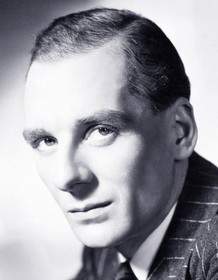
John Gielgud
The Elder Pope
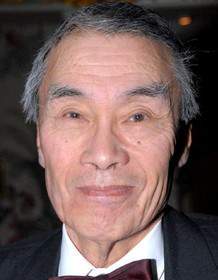
Burt Kwouk
Peng
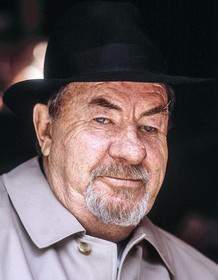
Leo McKern
Cardinal Leone
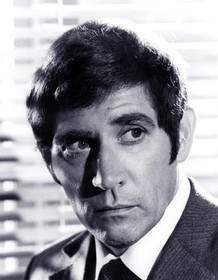
Frank Finlay
Igor Bounin
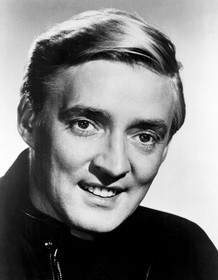
Oskar Werner
Fr. David Telemond
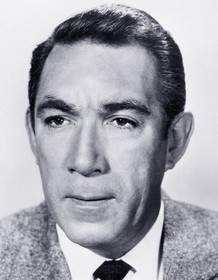
Anthony Quinn
Kiril Lakota
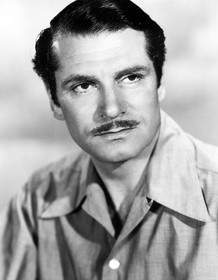
Laurence Olivier
Piotr Ilyich Kamenev

Niall MacGinnis
Capuchin Monk

Leopoldo Trieste
Dying Man's Friend
Isa Miranda
The Marchesa
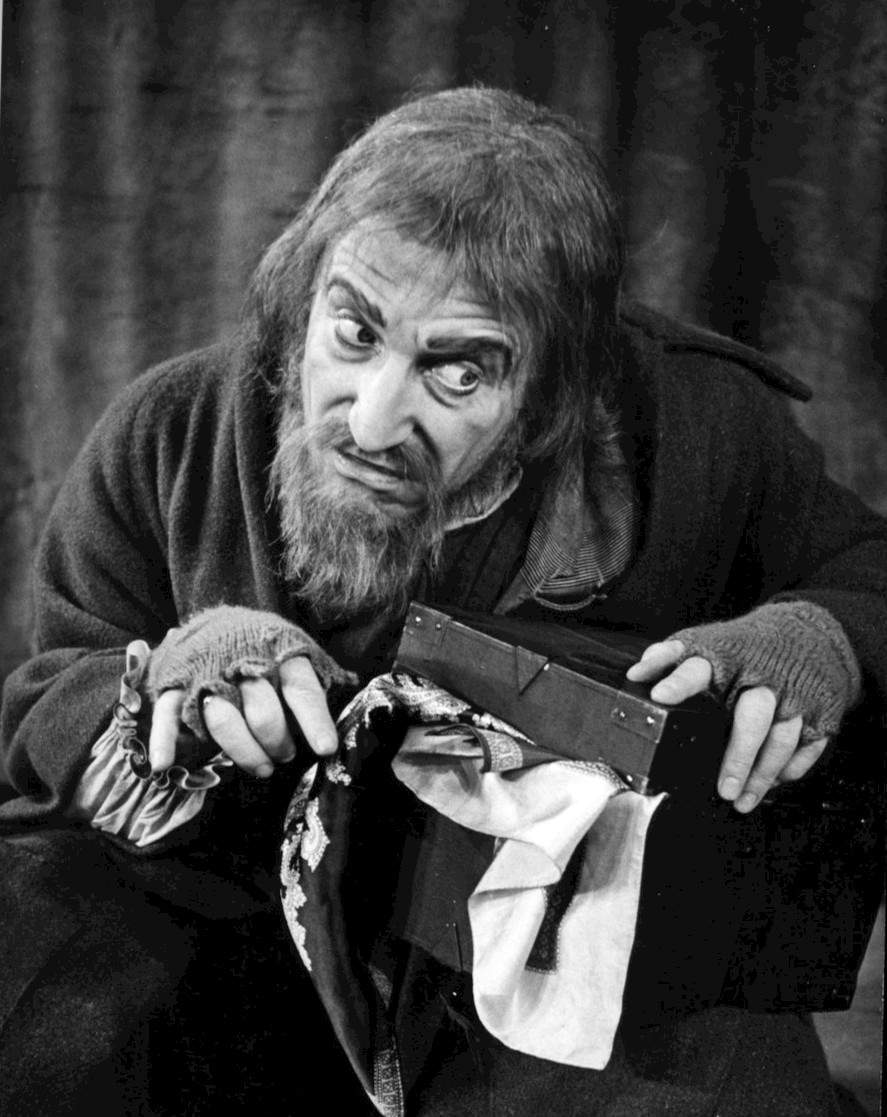
Clive Revill
Vucovich
David Janssen
George Faber
Gerald Harper
Brian
Peter Copley
English Cardinal #1
Paul Rogers
Augustinian
Barbara Jefford
Dr. Ruth Faber
Arnoldo Foà
Gelasio
Marne Maitland
Cardinal Rahamani
George Pravda
Gorshenin
Arthur Howard
English Cardinal #2
Rosemary Dexter
Chiara
Jean Rougeul
Dominican
External Links and Streaming Options
Discover where to watch The Shoes of the Fisherman online, including streaming platforms, rental options, and official sources. Compare reviews, ratings, and in-depth movie information across sites like IMDb, TMDb, Wikipedia or Letterboxd.





Take the Ultimate The Shoes of the Fisherman Movie Quiz
Challenge your knowledge of The Shoes of the Fisherman with this fun and interactive movie quiz. Test yourself on key plot points, iconic characters, hidden details, and memorable moments to see how well you really know the film.
The Shoes of the Fisherman Quiz: Test your knowledge of the 1968 film The Shoes of the Fisherman.
Which actor portrays the Metropolitan Archbishop of Lviv?
Full Plot Summary and Ending Explained for The Shoes of the Fisherman
Read the complete plot summary of The Shoes of the Fisherman, including all major events, twists, and the full ending explained in detail. Explore key characters, themes, hidden meanings, and everything you need to understand the story from beginning to end.
In the tense atmosphere of the Cold War, Kiril Pavlovich Lakota, the Metropolitan Archbishop of Lviv, is unexpectedly freed after twenty years in a Siberian labour camp by his former gaoler, Piotr Ilyich Kamenev, who has risen to the position of Premier in the Soviet Union. Sent to Rome, the pope awards him cardinal status and assigns him the titulus of the Church of St. Athanasius. The Elder Pope insists on the formal rite, and Lakota, who longs for a simple mission among ordinary people, is pressed to accept the scarlet zucchetto that marks his rank. The scene is set for a return to the center of power, where faith, politics, and personal history collide in a way that will test Lakota’s humility and resolve.
When the pontiff suddenly collapses and dies, the papal conclave begins. The College of Cardinals is split, and two senior electors, Cardinal Leone and Cardinal Rinaldi, emerge as the leading papabili. After seven deadlocked ballots, Lakota is elected as a compromise candidate, chosen by spontaneous acclamation in the Sistine Chapel. He accepts the role with reluctance, and the world watches as the recently freed man becomes the universal figure of the church, choosing the name Pope Kiril in a moment that resonates beyond Rome. The election unfolds as a dramatic counterpoint to a world standing on the brink of nuclear war, with a Chinese–Soviet feud aggravated by famine and fear.
The new pope’s first night in office unfolds with a quiet, almost stealthy humanism. With the help of his loyal valet Gelasio, Lakota slips out of the Vatican to explore Rome in plain clothes. A chance encounter brings him to Dr. Ruth Faber, a Rome-based physician entangled in a troubled marriage with journalist George Faber. Lakota’s instinct to help overrides protocol: he secures medicine for a dying Jewish patient, offering a Catholic blessing while the man’s friends respond in Hebrew, a moment Lakota says he learned from a rabbi he met in the labour camp. The scene highlights Lakota’s openness to different faiths, and his willingness to bridge divides even in small, personal moments.
A major thread follows Lakota’s relationship with the controversial theologian, philosopher, and scientist Father Telemond. Telemond’s ideas intrigue the pope, who admires the priest’s probing intellect even as the Holy Office moves to censure Telemond for heterodoxy. The two men form a deep, fragile friendship, and Telemond becomes one of the pope’s most trusted advisers. Yet Lakota’s official duties pull in the opposite direction, and the theologian’s later illness and death deprive him of a valued ally in a world where doctrinal boundaries are constantly shifting.
As tensions mount, the pope travels back to the Soviet Union in civilian dress to hold a private conversation with Kamenev Piotr Ilyich Kamenev and Peng, the Chinese leader, about the escalating crisis. Lakota recognizes that if China’s problems persist, the casualties could be global. The pope’s empathy and insistence on dialogue contrast sharply with the machinery of state power, offering a glimmer of hope that religious authority might help avert catastrophe. In this light, the papal coronation becomes a public moment of bold action: The Elder Pope witnesses Lakota—now fully the moral center of the Church—pledge to sell church property to aid the Chinese crisis, a move celebrated by crowds in St. Peter’s Square and watched with relief by leaders around the world.
Throughout the drama, other faces from Lakota’s orbit appear with their own quiet arcs. The Marchesa moves with the social currents of Rome, while Chiara and others provide intimate counterpoints to grand political schemes. The shadow of the East–West standoff shapes every conversation, and the audience is drawn into a meditation on power, faith, and responsibility. The film threads these human stories with the looming threat of war, creating a tapestry in which Lakota’s personal humility and his willingness to risk everything for peace stand in stark relief against the cold calculations of politicians and clerics alike.
In a narrative that blends spiritual inquiry with geopolitical urgency, the pope’s actions culminate in a hopeful, if tempered, turning point. By choosing to use the church’s moral authority to ease international tensions, Lakota reframes the role of faith in a world where the line between sacred duty and worldly duty is continually negotiated. The result is a compelling meditation on leadership, sacrifice, and the possibility of peace when compassion guides policy, even in the most dangerous of times. The endurance of Lakota’s humanity, his openness to truth across borders, and his insistence on dialogue offer a powerful message about what faith can achieve when it is tempered by courage and a steadfast commitment to the common good.

Coming soon on iOS and Android
The Plot Explained Mobile App
From blockbusters to hidden gems — dive into movie stories anytime, anywhere. Save your favorites, discover plots faster, and never miss a twist again.
Sign up to be the first to know when we launch. Your email stays private — always.
Explore the mobile appDiscover Film Music Concerts Near You – Live Orchestras Performing Iconic Movie Soundtracks
Immerse yourself in the magic of cinema with live orchestral performances of your favorite film scores. From sweeping Hollywood blockbusters and animated classics to epic fantasy soundtracks, our curated listings connect you to upcoming film music events worldwide.
Explore concert film screenings paired with full orchestra concerts, read detailed event information, and secure your tickets for unforgettable evenings celebrating legendary composers like John Williams, Hans Zimmer, and more.


Cars Featured in The Shoes of the Fisherman
Explore all cars featured in The Shoes of the Fisherman, including their makes, models, scenes they appear in, and their significance to the plot. A must-read for car enthusiasts and movie buffs alike.
The Shoes of the Fisherman Themes and Keywords
Discover the central themes, ideas, and keywords that define the movie’s story, tone, and message. Analyze the film’s deeper meanings, genre influences, and recurring concepts.
The Shoes of the Fisherman Other Names and Titles
Explore the various alternative titles, translations, and other names used for The Shoes of the Fisherman across different regions and languages. Understand how the film is marketed and recognized worldwide.
Similar Movies To The Shoes of the Fisherman You Should Know About
Browse a curated list of movies similar in genre, tone, characters, or story structure. Discover new titles like the one you're watching, perfect for fans of related plots, vibes, or cinematic styles.





Quick Links: Summary, Cast, Ratings, More

What's After the Movie?
Not sure whether to stay after the credits? Find out!
Check out our other apps:

SAT Sphere
Build confidence for the Digital SAT.

Mori Atlas
Discover wild places worth protecting.

Luntero
Search smarter for a home in Amsterdam.

Plot Explained
Unravel movie endings and hidden clues.

Pokechamp
Dive into Pokémon data and battle logic.

Driving Theory
Get ready for your European theory test.

Movie Dust
Plan your next cinema trip with ease.

Musemap
Find art and culture as you travel.

Selkobase
Compare credentials before committing.

Local Manual
Turn an unfamiliar country into practical next steps.

Lernavi
Compare school systems before your next move.

GymRoam
Find a workout stop wherever your plans take you.
Explore Our Movie Platform
New Movie Releases (2026)
Famous Movie Actors
Top Film Production Studios
Movie Plot Summaries & Endings
Major Movie Awards & Winners
Best Concert Films & Music Documentaries
Movie Collections and Curated Lists
© 2026 What's After the Movie. All rights reserved.
Privacy Policy