The Shocking Miss Pilgrim 1947


In the late 1800s, stenographer Miss Pilgrim lands a job as the first female employee at a Boston shipping office. Though initially resisted by her male colleagues, she quickly wins them over, especially the charming head of the firm. Their budding romance is tested when she throws herself into the women’s suffrage movement, balancing love and activism.


Does The Shocking Miss Pilgrim have end credit scenes?
No!
The Shocking Miss Pilgrim does not have end credit scenes. You can leave when the credits roll.
Where to Watch The Shocking Miss Pilgrim
See current US streaming, rental, and purchase options for The Shocking Miss Pilgrim (1947) via JustWatch.






Meet the Full Cast and Actors of The Shocking Miss Pilgrim
Explore the complete cast of The Shocking Miss Pilgrim, including both lead and supporting actors. Learn who plays each character, discover their past roles and achievements, and find out what makes this ensemble cast stand out in the world of film and television.

Jeff Corey
Stenographer (uncredited)

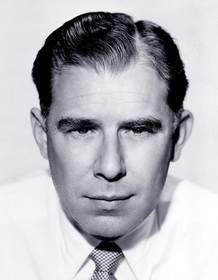
Roy Roberts
Mr. Foster

Marilyn Monroe
Telephone Operator (voice) (uncredited)

Mary Field
Typewriting Academy Receptionist

Arthur Shields
Michael Michael
Betty Grable
Cynthia Pilgrim
Charles Kemper
Herbert Jothan
Elizabeth Patterson
Catherine Dennison
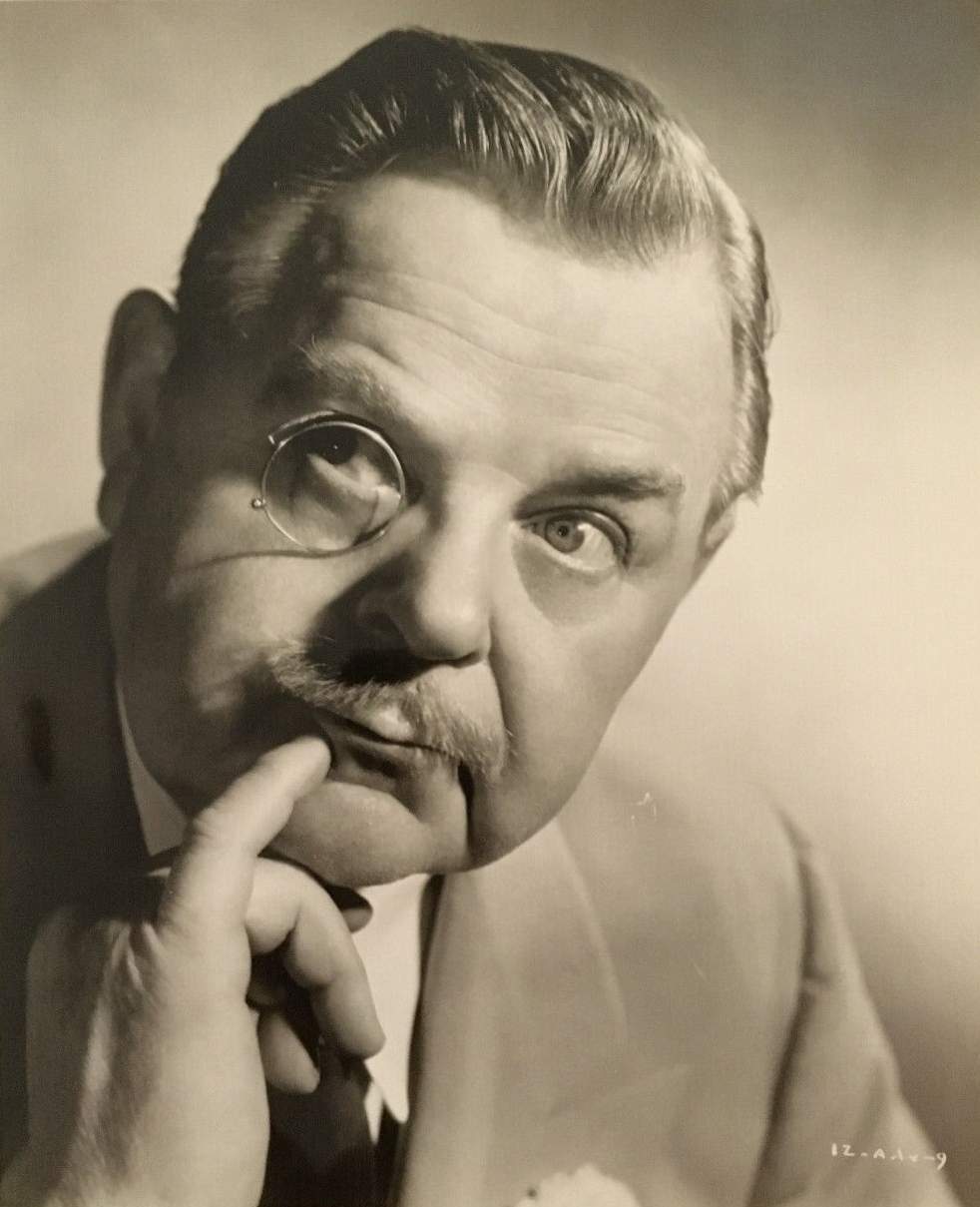
Gene Lockhart
Saxon
Anne Revere
Alice Pritchard
Allyn Joslyn
Leander Woolsey
Elisabeth Risdon
Mrs. Amanda Pritchard
Dick Haymes
John Pritchard
Constance Purdy
Suffragette
Robert McCord
Office Clerk (uncredited)
Alice Mock
Alice Pritchard (singing voice) (uncredited)
External Links and Streaming Options
Discover where to watch The Shocking Miss Pilgrim online, including streaming platforms, rental options, and official sources. Compare reviews, ratings, and in-depth movie information across sites like IMDb, TMDb, Wikipedia or JustWatch.





Take the Ultimate The Shocking Miss Pilgrim Movie Quiz
Challenge your knowledge of The Shocking Miss Pilgrim with this fun and interactive movie quiz. Test yourself on key plot points, iconic characters, hidden details, and memorable moments to see how well you really know the film.
The Shocking Miss Pilgrim Quiz: Test your knowledge of the 1947 film *The Shocking Miss Pilgrim* with these ten questions ranging from easy to challenging.
What is the name of the top typewriting student who graduates from Packard Business College?
Full Plot Summary and Ending Explained for The Shocking Miss Pilgrim
Read the complete plot summary of The Shocking Miss Pilgrim, including all major events, twists, and the full ending explained in detail. Explore key characters, themes, hidden meanings, and everything you need to understand the story from beginning to end.
Cynthia Pilgrim is the top typewriting student in the first graduating class of the Packard Business College in New York City, and she earns a position as a typewriter with the Pritchard Shipping Company in Boston. There, the office is overseen by the stern manager Mr. Saxon, who bluntly informs her that his policy is to hire only men, a stance that immediately tests her resolve when she meets the co-owner John Pritchard.
John’s Aunt Alice Pritchard, a committed suffragist, has the controlling interest in the company and insists that Cynthia be given a chance. This backing contrasts with John’s initial skepticism, and it sets the stage for a clash between old-school business norms and a push for gender equality in the workplace. As Cynthia fights for an equal opportunity, she finds herself navigating not only the rigid world of shipping but also the social expectations that come with it.
Seeking a place to stay, Cynthia moves into Catherine Dennison’s boarding house, where she is introduced to a small, lively circle of tenants who become her allies and observers of her efforts. Leander Woolsey, a dreamy poet, is played by the thoughtful [Allyn Joslyn], while Michael Michael, an artist with a flair for sentiment, brings a different kind of creativity to the house, and Herbert Jothan, a musician, adds a melodic counterpoint to their conversations. The dynamic at the boarding house adds texture to Cynthia’s life in Boston, giving her a space to reflect on her ambitions and the friction between professional duties and personal beliefs.
When John invites her to dinner, Cynthia declines to become part of a social circle she deems incongruent with her professional goals. She does, however, accompany him to a suffragist rally, where her presence earns the respect of the other women, even as John faces awkward questions about the merging of management and labor. The encounter deepens the understanding between them about what it means to push for change within a traditional system.
As the Regimental Ball approaches, Mrs. Amanda Pritchard—John’s mother—invites Cynthia to dine with the family. The scene tests Cynthia’s social footing, but her roommates take it upon themselves to help her navigate the etiquette expected at such events, hoping to shield her from snobbery. Yet the most telling moment comes when Mrs. Pritchard proves to be down-to-earth and genuinely supportive of Cynthia’s resolve to pursue equality in the workplace. This evolving relationship softens earlier tensions and hints at a future where respect and opportunity might coexist.
The romance between Cynthia and John deepens, and they become engaged. Yet the couple faces a crucial test: John asks Cynthia to give up her suffrage work for the sake of their relationship and the company’s harmony. She refuses, standing firm in her belief that civic involvement and professional merit should not be sacrificed for love or convenience. The immediate consequence is a firing, and the company fills the vacancy with replacements who prove unsatisfactory, underscoring the stubborn resistance to change within the ranks of the organization.
Desperation prompts John and the Pritchard leadership to seek another candidate at a local school. It is there that they discover the surprising truth: the general manager of the school is none other than Cynthia, who has stepped into a leadership role behind the scenes. This revelation reframes their earlier conflict and catalyzes a powerful reunification of their professional and personal lives. The story closes on a hopeful note, with Cynthia and John recommitting to their partnership, now grounded in mutual respect, shared goals, and a stronger sense of purpose. The film weaves themes of ambition, gender equality, romance, and resilience into a narrative that remains faithful to its era while presenting a forward-looking vision of women stepping into leadership roles.

Coming soon on iOS and Android
The Plot Explained Mobile App
From blockbusters to hidden gems — dive into movie stories anytime, anywhere. Save your favorites, discover plots faster, and never miss a twist again.
Sign up to be the first to know when we launch. Your email stays private — always.
Explore the mobile appDiscover Film Music Concerts Near You – Live Orchestras Performing Iconic Movie Soundtracks
Immerse yourself in the magic of cinema with live orchestral performances of your favorite film scores. From sweeping Hollywood blockbusters and animated classics to epic fantasy soundtracks, our curated listings connect you to upcoming film music events worldwide.
Explore concert film screenings paired with full orchestra concerts, read detailed event information, and secure your tickets for unforgettable evenings celebrating legendary composers like John Williams, Hans Zimmer, and more.


The Shocking Miss Pilgrim Themes and Keywords
Discover the central themes, ideas, and keywords that define the movie’s story, tone, and message. Analyze the film’s deeper meanings, genre influences, and recurring concepts.
The Shocking Miss Pilgrim Other Names and Titles
Explore the various alternative titles, translations, and other names used for The Shocking Miss Pilgrim across different regions and languages. Understand how the film is marketed and recognized worldwide.
Similar Movies To The Shocking Miss Pilgrim You Should Know About
Browse a curated list of movies similar in genre, tone, characters, or story structure. Discover new titles like the one you're watching, perfect for fans of related plots, vibes, or cinematic styles.



Quick Links: Summary, Cast, Ratings, More

What's After the Movie?
Not sure whether to stay after the credits? Find out!
Check out our other apps:

SAT Sphere
Build confidence for the Digital SAT.

Mori Atlas
Discover wild places worth protecting.

Luntero
Search smarter for a home in Amsterdam.

Plot Explained
Unravel movie endings and hidden clues.

Pokechamp
Dive into Pokémon data and battle logic.

Driving Theory
Get ready for your European theory test.

Movie Dust
Plan your next cinema trip with ease.

Musemap
Find art and culture as you travel.

Selkobase
Compare credentials before committing.

Local Manual
Turn an unfamiliar country into practical next steps.

Lernavi
Compare school systems before your next move.

GymRoam
Find a workout stop wherever your plans take you.
Explore Our Movie Platform
New Movie Releases (2026)
Famous Movie Actors
Top Film Production Studios
Movie Plot Summaries & Endings
Major Movie Awards & Winners
Best Concert Films & Music Documentaries
Movie Collections and Curated Lists
© 2026 What's After the Movie. All rights reserved.
Privacy Policy