
The Revolt of Job (1983): Cast & Plot
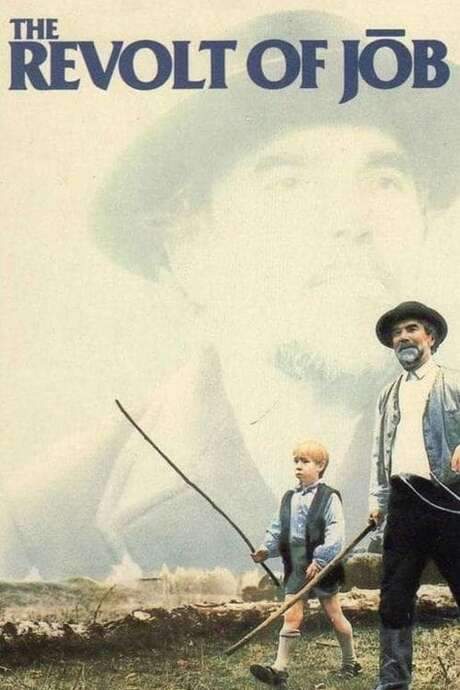
The Revolt of Job is a 1983 drama directed by Barna Kabay and Imre Gyöngyössy, starring Ferenc Zenthe as Jób, Hédi Temessy and Gábor Fehér. It runs 1 hour 38 minutes.
- Released
- Runtime
- 1h 38m (98 min)
- Directors
- Barna Kabay and Imre Gyöngyössy
- Genre
- Drama
- Original language
-
 Hungarian
 - After the credits
- No No extra scene
What Is The Revolt of Job About?
The premise of The Revolt of Job without spoilers. The whole story is in the plot summary further down.
The story of a childless Jewish couple in WWII-era Hungary who adopt a Hungarian boy and raise him with their values and traditions.
The Revolt of Job Themes & Keywords
· 50 tags- boy frontal nudity
- boy taking a bath
- skinny dipping
- boy
- boy skinny dipping
- boy rear nudity
- jewish
- watching a movie
- blond boy
- holocaust
- wagon
- star of david
+38 more Show fewer
- shepherd
- sex
- rain
- prayer
- messiah
- marsh
- letter writing
- lamb
- knife
- jew
- jewish wedding
- inheritance
- husband wife relationship
- horse
- heir
- grave
- graveyard
- reference to god
- frog
- farm
- farmer
- family relationships
- dog
- diptheria
- deserter
- deportation
- circus
- children
- autobiographical
- adoption
- acrobat
- nudity
- male nudity
- male frontal nudity
- nude bathing
- bathing
- rear nudity
- anti semitism
The Revolt of Job Cast & Characters
Ferenc Zenthe leads the cast as Jób, with Hédi Temessy as Róza and Gábor Fehér as Lackó. Directed by Barna Kabay and Imre Gyöngyössy; 34 actors are credited in all.
- Co-director Barna Kabay
- Co-director Imre Gyöngyössy
- Ferenc Zenthe as Jób
- Hédi Temessy as Róza
- Gábor Fehér as Lackó
- Léda Forgó as Lackó játszótársa
Also Starring in The Revolt of Job
· 30 more- Péter Rudolf Jani
- Nóra Görbe Ilka (voice)
- Ferenc Bencze Günther
- László Gálffi Cirkuszos
- András Ambrus Ügyvéd
- Sándor Oszter Árvaházigazgató
- Péter Blaskó Fiatal szomszéd
- Heinrich Starhemberg Rabbi
- Flóra Kádár
- István Verebes Rabbi (voice)
- Éva Szabó
- György ifj. Gonda
- Sándor Halmágyi
- Gábor Salinger
- Katalin Mészáros
- József Kiss
Show all 34 cast members Show fewer cast members
The Revolt of Job Plot Summary
What happens in The Revolt of Job from start to finish, spoilers included, with a timeline of 14 key events. The opening is below; the full summary is a 3-minute read.
Spoilers ahead
** To avoid the laws against Jews adopting Christians, the adoption papers are backdated to 1938, and the father gifts two calves to the boy, hoping a divine sign will confirm the act. Lackó proves stubborn and unruly, pushing against the boundaries of the orphanage, and Ferenc Zenthe is quick to read this defiance as a sign that a spark from one of the calves has somehow passed to the child, marking him as a chosen one who might carry the family’s faith into the future. The decision to raise Lackó among their own people invites murmurs of disapproval from the village’s Jewish community, and the burden of legitimacy weighs heavily on them, especially under the gaze of the local religious leadership.
Full summary
The whole story of The Revolt of Job, scene by scene
How Well Do You Know The Revolt of Job?
10 questions about the story, each with a hint if you get stuck. Pick an answer to see whether you were right.
Question 1 of 10
- Question 1: not answered
- Question 2: not answered
- Question 3: not answered
- Question 4: not answered
- Question 5: not answered
- Question 6: not answered
- Question 7: not answered
- Question 8: not answered
- Question 9: not answered
- Question 10: not answered
In which year does the story of the film take place?
The Revolt of Job Also Known As
6 alternative titles, including “Jób lázadása” and “La rebelión de Job”.
- Also known as
-
- Jób lázadása
- La rebelión de Job
- Hiobs Revolte
- Забастовка
- 人生是一场抗争
- La révolte de Job
Seen The Revolt of Job?
Movies Like The Revolt of Job
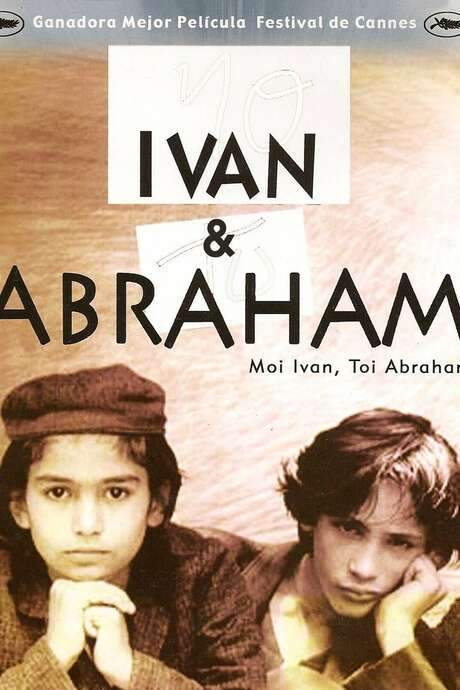
Films with a similar story, tone or audience, including Hungarian Rhapsody, Jewboy and The Child of Man.


The Revolt of Job FAQ: Cast, Runtime & Release Date
Runtime, release date, director, cast, post-credit scenes and language of The Revolt of Job, each answered in a sentence.
How long is The Revolt of Job?
The Revolt of Job runs 1 hour 38 minutes (98 minutes).
When was The Revolt of Job released?
The Revolt of Job was released on December 1, 1983.
Who directed The Revolt of Job?
The Revolt of Job was directed by Barna Kabay and Imre Gyöngyössy.
More films by Barna Kabay Who is in the cast of The Revolt of Job?
The Revolt of Job stars Ferenc Zenthe as Jób, Hédi Temessy as Róza and Gábor Fehér as Lackó, among 34 credited actors.
Does The Revolt of Job have a post-credit scene?
No. The Revolt of Job has no extra scene during or after the credits.
What language is The Revolt of Job in?
The original language of The Revolt of Job is Hungarian.
Coming soon to your phone
The Plot Explained Movie Summary App
From blockbusters to hidden gems: plot summaries, endings explained and timelines on your phone. Save your favorites and never miss a twist again.
Be the first to know when it launches. Your email stays private, always. Learn more about the app
