The Prisoner of Zenda 1937


Featuring a spectacular swordfight, the story follows a kingdom’s heir slated for murder who discovers a doppelgänger. The look‑alike assumes the throne at the coronation, while the real king is abducted. Loyalists search for him, and the impostor unexpectedly falls for the intended bride, Princess Flavia.

Does The Prisoner of Zenda have end credit scenes?
No!
The Prisoner of Zenda does not have end credit scenes. You can leave when the credits roll.
Where to Watch The Prisoner of Zenda
See current US streaming, rental, and purchase options for The Prisoner of Zenda (1937) via JustWatch.






Meet the Full Cast and Actors of The Prisoner of Zenda
Explore the complete cast of The Prisoner of Zenda, including both lead and supporting actors. Learn who plays each character, discover their past roles and achievements, and find out what makes this ensemble cast stand out in the world of film and television.

Eleanor Wesselhoeft
Frau Holf the Cook
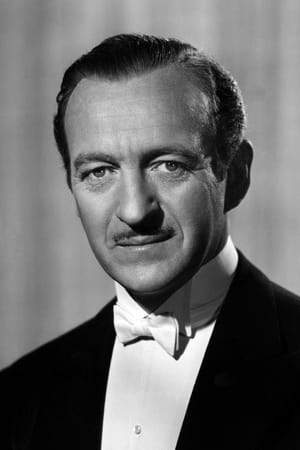
David Niven
Captain Fritz von Tarlenheim

Madeleine Carroll
Princess Flavia
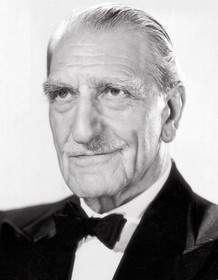
C. Aubrey Smith
Colonel Zapt
Torben Meyer
Max the Butler
Raymond Massey
Black Michael
Mary Astor
Antoinette de Mauban
Ben Webster
Lord Topham (uncredited)
Ronald Colman
Major Rudolf Rassendyll / The Prisoner of Zenda
Montagu Love
Detchard
John Cromwell
Byron Foulger
Johann (uncredited)
Douglas Fairbanks Jr.
Rupert of Hentzau
Charles K. French
Bishop (uncredited)
Philip Sleeman
Albert von Lauengram
Wilhelm von Brincken
Krafstein (uncredited)
External Links and Streaming Options
Discover where to watch The Prisoner of Zenda online, including streaming platforms, rental options, and official sources. Compare reviews, ratings, and in-depth movie information across sites like IMDb, TMDb, Wikipedia or Box Office Mojo.





Take the Ultimate The Prisoner of Zenda Movie Quiz
Challenge your knowledge of The Prisoner of Zenda with this fun and interactive movie quiz. Test yourself on key plot points, iconic characters, hidden details, and memorable moments to see how well you really know the film.
The Prisoner of Zenda (1937) Quiz: Test your knowledge of the classic adventure film The Prisoner of Zenda, starring Ronald Colman, David Niven, and Madeleine Carroll.
What is the name of the English gentleman who becomes a doppelgänger for the Ruritanian king?
Full Plot Summary and Ending Explained for The Prisoner of Zenda
Read the complete plot summary of The Prisoner of Zenda, including all major events, twists, and the full ending explained in detail. Explore key characters, themes, hidden meanings, and everything you need to understand the story from beginning to end.
In June 1897, an English gentleman Rudolf Rassendyll embarks on a quiet fishing holiday in the small Balkan kingdom of Ruritania, not expecting the strange way the locals respond to him. His curiosity deepens when he meets the circle of people who guard the crown and rule in the king’s absence. A chance encounter with Colonel Zapt and Captain Fritz von Tarlenheim reveals that the near-dynastic politics of the realm are as tangled as any battlefield. They introduce him to the ailing, soon-to-be-crowned king, the man who shares a striking resemblance to Rassendyll, Rudolf V. The look-alike bond is immediate, and the king, moved by a mix of kinship and relief, invites the English visitor to linger at the royal hunting lodge, hoping to share a few moments of companionship before the weight of sovereignty fully lands on his shoulders.
What follows is a delicate dance of trust and risk. The two men discover that their resemblance is more than skin-deep: not only do their features align, but so do their sensibilities and impulses—perhaps too well. The king’s gladness in meeting a kindred spirit is tempered by the shadow of politics, for Rudolf V is surrounded by scheming relatives who fear being eclipsed. The most dangerous is [Duke Michael], a calculating half-brother whose hunger for power hinges on Rudolf’s written rights and the throne’s legitimacy. A fateful night at the lodge becomes a turning point: the king drinks a gifted bottle of wine, a drink that knocks him senseless and leaves him vulnerable to those who would seize the crown in his stead. When morning comes and Rudolf V remains unresponsive, Zapt and his ally—seemingly a humble observer—face a grim decision: if Rudolf cannot attend the coronation, Michael will step in as Regent and institutionalize his rule.
Reluctantly, Rassendyll agrees to impersonate Rudolf during the coronation, a plan that depends on concealment, subterfuge, and a shared sense of duty. As he takes on the role, the newly minted identity brings unexpected complications: Rassendyll must navigate courtly etiquette, political suspicion, and a budding emotional bond with Rudolf’s betrothed, Princess Flavia. The princess has long harbored mixed feelings toward her cousin but finds in the doppelgänger a man whose courage and integrity can earn her trust and perhaps more. The masquerade offers a glimmer of hope for a future where duty and affection might coexist, yet every moment of tenderness is tempered by the knowledge that the real king could be found and restored—or captured and removed—at any time.
With the coronation complete, the ruse would normally end, but circumstances quickly complicate matters. Rudolf is snatched away by Rupert of Hentzau, a roguish and morally flexible lieutenant in Michael’s employ, and Rassendyll must persist in his imitation while Zapt seeks a way to mount a rescue. Michael cannot publicly reveal the deception without exposing his own complicity, so he plays a dangerous game of keeping the truth buried while extracting necessary concessions from those who would expose him. The plot thickens as Antoinette de Mauban, a jealous French mistress connected to Michael, becomes an unexpected ally to Rassendyll. She hints at the location of the captive king and proposes a daring plan: one determined man could swim the moat and hold off the pursuing guards long enough for loyal troops to strike at the castle. Her information gives Rassendyll and his small circle—primarily Captain Fritz von Tarlenheim and Colonel Zapt—a chance to mount a bold rescue.
As the escape plan unfolds, tensions rise. Rupert, sensing a shift in the balance of power, tries to seal his own fate by eliminating the king’s loyalists, while Antoinette’s choice to reveal enough to alert danger becomes a catalyst for a perilous rescue operation. The daring sequence hinges on a single swimmer taking on a praticamente insurmountable obstacle—the moat—while Zapt’s forces breach the defenses of the castle. The plan is complicated by internal betrayal and a brutal confrontation with Rupert that culminates in a deadly duel, a clash that tests Rassendyll’s resolve and his ability to protect the man who is nominally the king.
The immediate danger subsides as Rudolf V is restored to the throne, and the delicate balance between the two identities is renegotiated. Rassendyll’s mission shifts from impersonation to protection as he aids in a precarious return to the status quo. The king resumes his duties, and the pair—bound by a shared history and the weight of a national crisis—are forced to reckon with what cannot be easily resolved: a love that might bloom under different circumstances but is restrained by loyalty to the realm. Princess Flavia remains a figure of steadfast devotion, aware that her obligations to the crown may eclipsed by the intensity of the personal connection she has witnessed.
In the final moments, the two men part at the border, their fates intertwined by language that speaks to both the fragility and the resilience of leadership. The closing exchanges underscore a timeless truth: fate seldom aligns with the ideal, even when courage and virtue are on display. As Captain Fritz von Tarlenheim and Colonel Zapt escort the disguised king’s ally to safety, the sentiment lingers that true nobility endures beyond any single reign. The solemn farewell marks not a clean resolution but a reminder that the throne’s responsibilities affect every choice, and sometimes the right man for the moment is not the one who wears the crown.
Fate doesn’t always make the right man King.
You’re the noblest Elphburg of them all.

Coming soon on iOS and Android
The Plot Explained Mobile App
From blockbusters to hidden gems — dive into movie stories anytime, anywhere. Save your favorites, discover plots faster, and never miss a twist again.
Sign up to be the first to know when we launch. Your email stays private — always.
Explore the mobile appDiscover Film Music Concerts Near You – Live Orchestras Performing Iconic Movie Soundtracks
Immerse yourself in the magic of cinema with live orchestral performances of your favorite film scores. From sweeping Hollywood blockbusters and animated classics to epic fantasy soundtracks, our curated listings connect you to upcoming film music events worldwide.
Explore concert film screenings paired with full orchestra concerts, read detailed event information, and secure your tickets for unforgettable evenings celebrating legendary composers like John Williams, Hans Zimmer, and more.


The Prisoner of Zenda Themes and Keywords
Discover the central themes, ideas, and keywords that define the movie’s story, tone, and message. Analyze the film’s deeper meanings, genre influences, and recurring concepts.
The Prisoner of Zenda Other Names and Titles
Explore the various alternative titles, translations, and other names used for The Prisoner of Zenda across different regions and languages. Understand how the film is marketed and recognized worldwide.
Similar Movies To The Prisoner of Zenda You Should Know About
Browse a curated list of movies similar in genre, tone, characters, or story structure. Discover new titles like the one you're watching, perfect for fans of related plots, vibes, or cinematic styles.



Quick Links: Summary, Cast, Ratings, More

What's After the Movie?
Not sure whether to stay after the credits? Find out!
Check out our other apps:

SAT Sphere
Build confidence for the Digital SAT.

Mori Atlas
Discover wild places worth protecting.

Luntero
Search smarter for a home in Amsterdam.

Plot Explained
Unravel movie endings and hidden clues.

Pokechamp
Dive into Pokémon data and battle logic.

Driving Theory
Get ready for your European theory test.

Movie Dust
Plan your next cinema trip with ease.

Musemap
Find art and culture as you travel.

Selkobase
Compare credentials before committing.

Local Manual
Turn an unfamiliar country into practical next steps.

Lernavi
Compare school systems before your next move.

GymRoam
Find a workout stop wherever your plans take you.
Explore Our Movie Platform
New Movie Releases (2026)
Famous Movie Actors
Top Film Production Studios
Movie Plot Summaries & Endings
Major Movie Awards & Winners
Best Concert Films & Music Documentaries
Movie Collections and Curated Lists
© 2026 What's After the Movie. All rights reserved.
Privacy Policy