The Phantom of the Opera 1962


Beneath his mask lies a grotesque horror, while inside his heart burns a desperate longing for beauty and love. On opening night at a London opera house tragic events unfold; when the star is abducted, a producer tracks down the mysterious Phantom, who is driven by vengeance.


Does The Phantom of the Opera have end credit scenes?
No!
The Phantom of the Opera does not have end credit scenes. You can leave when the credits roll.
Meet the Full Cast and Actors of The Phantom of the Opera
Explore the complete cast of The Phantom of the Opera, including both lead and supporting actors. Learn who plays each character, discover their past roles and achievements, and find out what makes this ensemble cast stand out in the world of film and television.
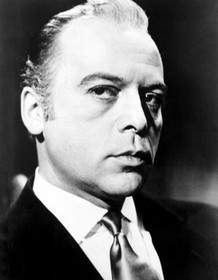
Herbert Lom
The Phantom (Prof. L. Petrie)

Heather Sears
Christine Charles
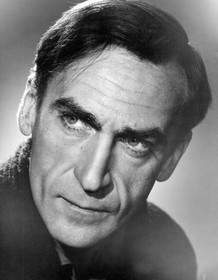
Patrick Troughton
The Rat Catcher

Michael Ripper
1st Cabby
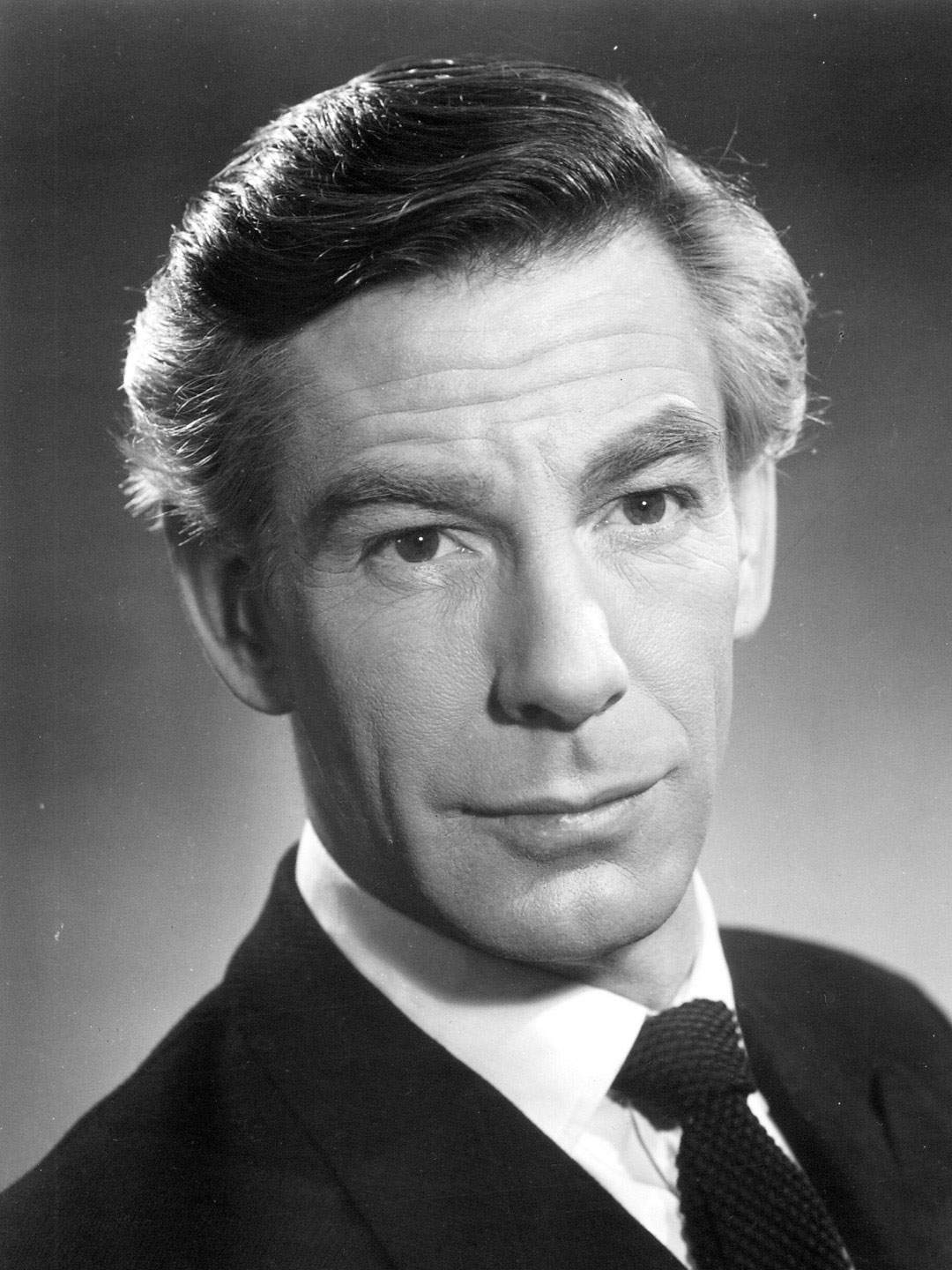
Michael Gough
Lord Ambrose d'Arcy
Harold Goodwin
Bill
Miriam Karlin
Charwoman
Miles Malleson
2nd Cabby
Thorley Walters
Lattimer
Marne Maitland
Xavier
Edward de Souza
Harry Hunter
Martin Miller
Rossi
Ian Wilson
The Dwarf
Renée Houston
Mrs. Tucker
Keith Pyott
Weaver
Liane Aukin
Maria
Sonya Cordeau
Yvonne
External Links and Streaming Options
Discover where to watch The Phantom of the Opera online, including streaming platforms, rental options, and official sources. Compare reviews, ratings, and in-depth movie information across sites like IMDb, TMDb, Wikipedia or Letterboxd.




Take the Ultimate The Phantom of the Opera Movie Quiz
Challenge your knowledge of The Phantom of the Opera with this fun and interactive movie quiz. Test yourself on key plot points, iconic characters, hidden details, and memorable moments to see how well you really know the film.
The Phantom of the Opera (1962) Quiz: Test your knowledge of the 1962 film *The Phantom of the Opera* with these ten varied‑difficulty questions.
Which actress portrayed Christine Charles, the chorus girl with a gifted voice?
Full Plot Summary and Ending Explained for The Phantom of the Opera
Read the complete plot summary of The Phantom of the Opera, including all major events, twists, and the full ending explained in detail. Explore key characters, themes, hidden meanings, and everything you need to understand the story from beginning to end.
In 1900, at the London Opera House, a new opera by Lord Ambrose d’Arcy [Michael Gough] premieres with a mood of haunted whispers swirling around Box #5, the empty seat that everyone swears is cursed. The curtain rises on a tense, atmospheric production, and during Maria’s first aria, the body of a murdered stagehand swings out from the wings, plunging the audience into chaos. Maria’s voice cuts through the shock, but the moment permanently unsettles the theater.
With the show postponed and Maria refusing to return to the stage, the weary producer Harry Hunter searches for fresh talent. He discovers Christine Charles, a gifted young chorus girl whose voice hints at an extraordinary gift, and the connection between the two women becomes a pivotal thread in the unfolding drama. Christine Heather Sears enters the orbit of the old, powerful figure behind the production, and Lord Ambrose d’Arcy’s charm is quick to turn into pressure as he invites Christine to dinner, a move that unsettles the already fraught backstage world.
In Christine’s dressing room, a bodiless voice warns her about the man who seems bent on control. The warning lingers, transforming the night into a nerve-wracking memory that she cannot ignore. That same night, Ambrose attempts to seduce Christine; Harry intervenes, saving her from a situation that could ruin not only her career but her safety. On the ride home, Christine confides in Harry about the mysterious voice she heard, and the pair grow wary of the sinister web surrounding the opera’s revival.
Intrigued by the strange events, Harry escorts Christine back to the opera house to investigate. Inside her dressing room, the voice returns and orders Harry to leave, heightening the sense that darker forces are at work behind the glittering curtain. Meanwhile, a separate and even bleaker crime unfolds: the Rat Catcher is murdered, and the killer is a dwarf who lurks in the shadows of the theater’s corridors. The investigation deepens as Harry follows clues that lead him toward a shadowy past connected to the man who seems to pull the strings behind the scenes.
The intrigue intensifies when Christine is drawn into a confrontation with a masked figure who calls himself the Phantom of the Opera. He promises to teach her to sing, and she trembles at the insistence of his instruction as he uses the claustrophobic underworld of the opera house to corral her. Christine collapses from exhaustion under the Phantom’s relentless regimen, and Harry, now reinstated as producer, grows increasingly worried about her disappearance. He retraces a trail of voices that seem to echo through a water-filled sewer, the path leading him closer to the truth behind the Phantom’s residence in the labyrinthine cellars.
The investigation uncovers a chilling secret: the Phantom is actually Professor L. Petrie, a once-poor composer who vanished after a brutal series of misfortunes. Petrie had sold his music to Ambrose for a pittance, hoping publication would bring him fame, yet he discovered that Ambrose was publishing the work under his own name. Petrie attempted to destroy the plates by breaking into the printers, but in the chaos a fire started and the nitric acid he used to quell the flames splashed onto his face and hands. Thinking he was losing his life, Petrie leapt into the river, only to be rescued by a dwarf who becomes his confidant in the shadows of the underground world. The Phantom’s wracked body is dying, but his longing to see his own opera performed lingers as Christine trains under a desperate, last-ditch plan.
Weeks pass, and on the eve of a performance of Saint Joan, the Phantom confronts Lord Ambrose. In a shocking moment, Ambrose tears away the Phantom’s mask and flees in horror as he beholds the seared, deformed face. The audience is held in a tense thrall as Christine takes the stage in Box #5, her voice lifting above the murmur of the crowd. The Phantom’s grief overwhelms him, and the dwarf, concealed in the catwalks, is discovered during the climactic chase. He leaps onto a chandelier above Christine’s head, and as the rope begins to give way under the weight, the Phantom rips off his mask, steps forward to shield Christine, and then falls to a fatal end as the chandelier crashes down.
Throughout the drama, the theater’s corridors and underground passages become as much a battleground as the stage itself. The story tracks the corrosive influence of ambition and the price paid when art is buried beneath egos, greed, and fear. As Christine’s singing finally fills the opera house with a haunting, luminous beauty, the revelations of Petrie’s past cast a long shadow over the glittering world of the theater, reminding us that the most enduring performances are born from pain, memory, and the relentless pursuit of a voice that refuses to be silenced.

Coming soon on iOS and Android
The Plot Explained Mobile App
From blockbusters to hidden gems — dive into movie stories anytime, anywhere. Save your favorites, discover plots faster, and never miss a twist again.
Sign up to be the first to know when we launch. Your email stays private — always.
Explore the mobile appWatch Trailers, Clips & Behind-the-Scenes for The Phantom of the Opera
Watch official trailers, exclusive clips, cast interviews, and behind-the-scenes footage from The Phantom of the Opera. Dive deeper into the making of the film, its standout moments, and key production insights.
The Phantom of the Opera Themes and Keywords
Discover the central themes, ideas, and keywords that define the movie’s story, tone, and message. Analyze the film’s deeper meanings, genre influences, and recurring concepts.
The Phantom of the Opera Other Names and Titles
Explore the various alternative titles, translations, and other names used for The Phantom of the Opera across different regions and languages. Understand how the film is marketed and recognized worldwide.
Similar Movies To The Phantom of the Opera You Should Know About
Browse a curated list of movies similar in genre, tone, characters, or story structure. Discover new titles like the one you're watching, perfect for fans of related plots, vibes, or cinematic styles.




Quick Links: Summary, Cast, Ratings, More

What's After the Movie?
Not sure whether to stay after the credits? Find out!
Check out our other apps:

SAT Sphere
Build confidence for the Digital SAT.

Mori Atlas
Discover wild places worth protecting.

Luntero
Search smarter for a home in Amsterdam.

Plot Explained
Unravel movie endings and hidden clues.

Pokechamp
Dive into Pokémon data and battle logic.

Driving Theory
Get ready for your European theory test.

Movie Dust
Plan your next cinema trip with ease.

Musemap
Find art and culture as you travel.

Selkobase
Compare credentials before committing.

Local Manual
Turn an unfamiliar country into practical next steps.

Lernavi
Compare school systems before your next move.

GymRoam
Find a workout stop wherever your plans take you.
Explore Our Movie Platform
New Movie Releases (2026)
Famous Movie Actors
Top Film Production Studios
Movie Plot Summaries & Endings
Major Movie Awards & Winners
Best Concert Films & Music Documentaries
Movie Collections and Curated Lists
© 2026 What's After the Movie. All rights reserved.
Privacy Policy