Wake Wood 2009


Beware Those You Love the Most The parents of a girl who was killed by a savage dog are granted the opportunity to spend three days with their deceased daughter.


Does Wake Wood have end credit scenes?
No!
Wake Wood does not have end credit scenes. You can leave when the credits roll.
Meet the Full Cast and Actors of Wake Wood
Explore the complete cast of Wake Wood, including both lead and supporting actors. Learn who plays each character, discover their past roles and achievements, and find out what makes this ensemble cast stand out in the world of film and television.

Aidan Gillen
Patrick
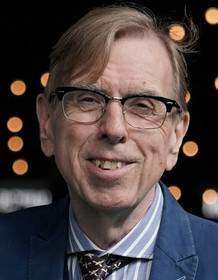
Timothy Spall
Arthur

Brian Gleeson
Martin O'Shea

Eva Birthistle
Louise
Ruth McCabe
Peggy O'Shea
John McArdle
Ben
Amelia Crowley
Mary Brogan
Ella Connolly
Alice
Tommy McArdle
Tommy
Aoife Meagher
Deirdre
Siobhán O'Brien
Pharmacy Customer
Alice McCrea
Lady Customer
Johnny Fortune
Mechanic
John Hand
Arthur's Helper 1
Darragh Hand
Arthur's Helper 2
Steven McDonnell
Boy in field
External Links and Streaming Options
Discover where to watch Wake Wood online, including streaming platforms, rental options, and official sources. Compare reviews, ratings, and in-depth movie information across sites like IMDb, TMDb, Wikipedia or Box Office Mojo.





Take the Ultimate Wake Wood Movie Quiz
Challenge your knowledge of Wake Wood with this fun and interactive movie quiz. Test yourself on key plot points, iconic characters, hidden details, and memorable moments to see how well you really know the film.
Wake Wood Quiz: Test your knowledge of the 2009 horror film Wake Wood.
What is the name of the couple's daughter?
Full Plot Summary and Ending Explained for Wake Wood
Read the complete plot summary of Wake Wood, including all major events, twists, and the full ending explained in detail. Explore key characters, themes, hidden meanings, and everything you need to understand the story from beginning to end.
On the morning of her ninth birthday, a bright celebration unfolds for young Alice Daley as her parents, Patrick — a veterinarian — and Louise — a pharmacist — spoil her with gifts: a pet hamster and a delicate necklace. The joy is abruptly shattered when, after a school day, Alice visits the yard of her father’s clinic and encounters a German Shepherd. In a sudden, swift attack, the dog mauls her, and despite Patrick and Louise’s frantic efforts, their beloved daughter dies from her injuries. The shock of that moment casts a long shadow over the family, forcing them to confront a grief that neither time nor distance seems to ease.
In the wake of their tragedy, the couple relocates to a quiet rural village called Wake Wood, hoping the change of scenery might help them cope with the loss of their only child. Their attempts to settle into this new life are complicated by the town’s peculiar atmosphere and a growing sense that something unseen lingers beneath the surface. One evening, a car breakdown drives them to seek help from Patrick’s veterinary colleague, Arthur. Louise’s eyes are opened to a disturbing ritual he conducts, witnessed in a brutal, almost ritualistic fashion. The memory of what she saw haunts her, and she is reluctant to speak of it to Patrick, though the secret weighs heavily between them.
The town’s strange undercurrents become deadlier when a farmer, Mick O’Shea, is fatally crushed by his own bull. Horrified by the accident and the sense that the village hides darker truths, Louise and Patrick consider leaving. Yet Arthur reveals a chilling proposal: he possesses a ritual that can bring the dead back for three days, but only within the boundaries of the townland and only if the deceased has been gone for less than a year. He promises a chance to hold their child again, a return that would last just long enough to say goodbye one more time. The couple, bruised by grief but desperate for contact with their daughter, decide to stay and explore this grim possibility.
The ritual demands a physical token from the person to be resurrected and, more troubling still, a fresh corpse. At Mick’s wake, Peggy O’Shea — Mick’s widow — resists at first, sensing that there is something deeply unsettling about the couple’s request. Arthur presses until she relents, implying a threat that if she refuses, he won’t resurrect Mick either. With permission secured, the ritual proceeds in a grim sequence: a finger is severed from the living memory of Alice, and Alice’s necklace is recovered from the opening scene, both required to anchor the rebirth. The process relies on the presence of a recently deceased body, and as the ceremony unfolds, the dead are compelled to return within the townland’s confines.
When Alice is reborn, the town responds with a mix of awe and unease. Peggy remains wary, and her fear intensifies as Alice crosses the boundary back and forth, her wounds flaring only when she steps beyond the magical limit. Yet the parents persuade the others to allow Alice to stay for the final day, hoping to savor a last, fragile moment with their revived child. But the reality behind the miracle soon reveals itself: Alice’s transformation is not a pure revival. She begins to act dangerously, mutilating animals and revealing a chilling secret to Louise—that she is pregnant. Louise confirms this with a pregnancy test, a grim confirmation that what has returned may have expired long ago. The truth becomes undeniable as Alice murders Peggy and other townsfolk, forcing Patrick to intervene and sedate her.
In a heartbreaking turn, Patrick and Louise realize that Alice has actually been dead for more than a year, and the ritual’s costs—driven by desperation and a cure for grief—have left her with a violent, unnatural life. The family must confront the desperate consequences of their choices, carrying Alice into the woods and laying her to rest within a grave they hope will hold her for good this time. The night ends with a chilling reminder: the penalty for misusing the ritual is dire, and the living must accept the consequences of tampering with forces beyond their control.
Time moves forward, and the village’s history continues to unfold in quiet, unsettling ways. Arthur attempts to restore a sense of normalcy by resurrecting a heavily pregnant Louise, hinting at a future where the living might rejoin those who were lost. Back at home, Patrick and Louise speak in muted tones about the unborn child and the fragile veneer of safety that remains. The final image is stark and unsettling: Patrick lays out surgical tools, a quiet promise that some doors, once opened, cannot be closed again, and that the line between life and death, once crossed, leaves a trace that cannot be erased. The story lingers with a quiet intensity, exploring grief, boundaries, and the perilous costs of wanting to reverse the irreversible.

Coming soon on iOS and Android
The Plot Explained Mobile App
From blockbusters to hidden gems — dive into movie stories anytime, anywhere. Save your favorites, discover plots faster, and never miss a twist again.
Sign up to be the first to know when we launch. Your email stays private — always.
Explore the mobile appWatch Trailers, Clips & Behind-the-Scenes for Wake Wood
Watch official trailers, exclusive clips, cast interviews, and behind-the-scenes footage from Wake Wood. Dive deeper into the making of the film, its standout moments, and key production insights.
Wake Wood Themes and Keywords
Discover the central themes, ideas, and keywords that define the movie’s story, tone, and message. Analyze the film’s deeper meanings, genre influences, and recurring concepts.
Wake Wood Other Names and Titles
Explore the various alternative titles, translations, and other names used for Wake Wood across different regions and languages. Understand how the film is marketed and recognized worldwide.
Similar Movies To Wake Wood You Should Know About
Browse a curated list of movies similar in genre, tone, characters, or story structure. Discover new titles like the one you're watching, perfect for fans of related plots, vibes, or cinematic styles.
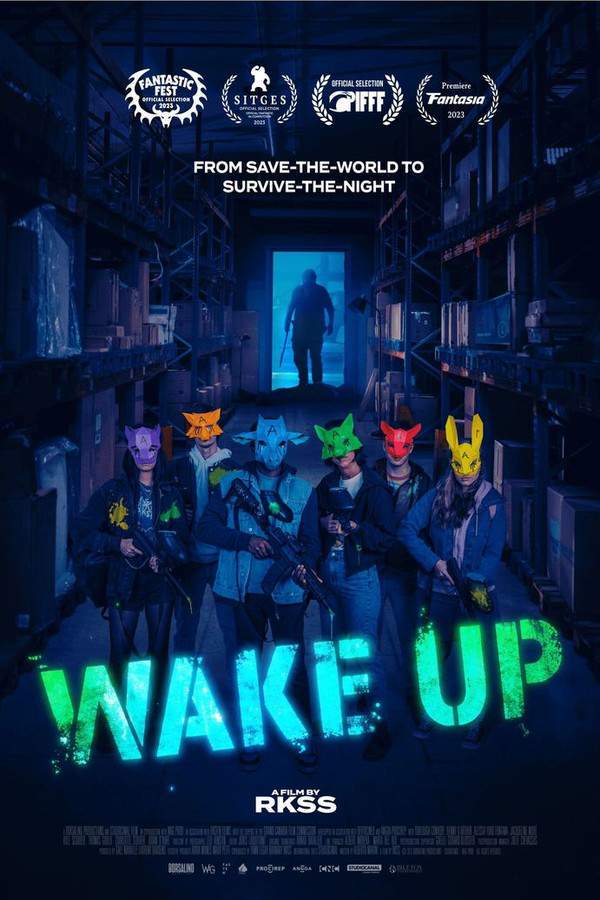


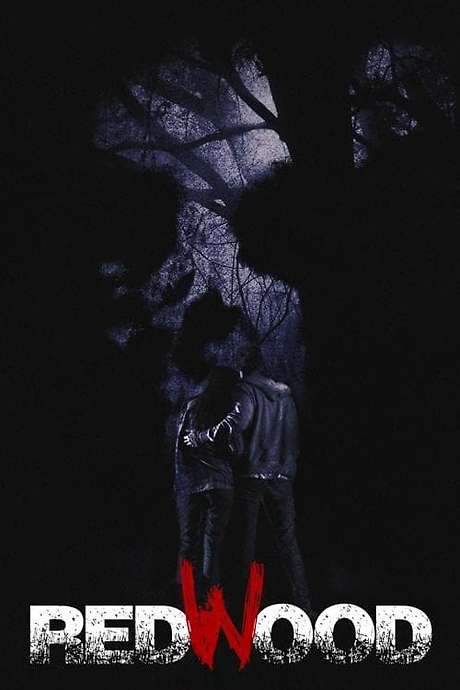

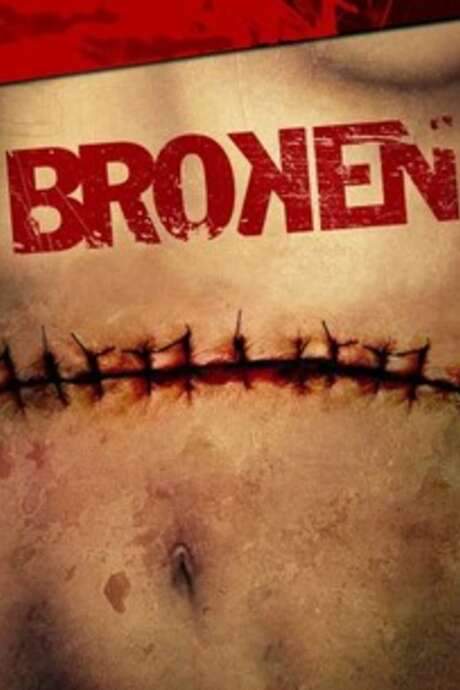


Quick Links: Summary, Cast, Ratings, More

What's After the Movie?
Not sure whether to stay after the credits? Find out!
Check out our other apps:

SAT Sphere
Build confidence for the Digital SAT.

Mori Atlas
Discover wild places worth protecting.

Luntero
Search smarter for a home in Amsterdam.

Plot Explained
Unravel movie endings and hidden clues.

Pokechamp
Dive into Pokémon data and battle logic.

Driving Theory
Get ready for your European theory test.

Movie Dust
Plan your next cinema trip with ease.

Musemap
Find art and culture as you travel.

Selkobase
Compare credentials before committing.

Local Manual
Turn an unfamiliar country into practical next steps.

Lernavi
Compare school systems before your next move.

GymRoam
Find a workout stop wherever your plans take you.
Explore Our Movie Platform
New Movie Releases (2026)
Famous Movie Actors
Top Film Production Studios
Movie Plot Summaries & Endings
Major Movie Awards & Winners
Best Concert Films & Music Documentaries
Movie Collections and Curated Lists
© 2026 What's After the Movie. All rights reserved.
Privacy Policy