
The Phantom of the Opera 1962

Directed by

Terence Fisher
Made by

Hammer Film Productions
The Phantom of the Opera Plot Summary
Read the complete plot summary and ending explained for The Phantom of the Opera (1962). From turning points to emotional moments, uncover what really happened and why it matters.
In 1900, at the London Opera House, a new opera by Lord Ambrose d’Arcy [Michael Gough] premieres with a mood of haunted whispers swirling around Box #5, the empty seat that everyone swears is cursed. The curtain rises on a tense, atmospheric production, and during Maria’s first aria, the body of a murdered stagehand swings out from the wings, plunging the audience into chaos. Maria’s voice cuts through the shock, but the moment permanently unsettles the theater.
With the show postponed and Maria refusing to return to the stage, the weary producer Harry Hunter searches for fresh talent. He discovers Christine Charles, a gifted young chorus girl whose voice hints at an extraordinary gift, and the connection between the two women becomes a pivotal thread in the unfolding drama. Christine Heather Sears enters the orbit of the old, powerful figure behind the production, and Lord Ambrose d’Arcy’s charm is quick to turn into pressure as he invites Christine to dinner, a move that unsettles the already fraught backstage world.
In Christine’s dressing room, a bodiless voice warns her about the man who seems bent on control. The warning lingers, transforming the night into a nerve-wracking memory that she cannot ignore. That same night, Ambrose attempts to seduce Christine; Harry intervenes, saving her from a situation that could ruin not only her career but her safety. On the ride home, Christine confides in Harry about the mysterious voice she heard, and the pair grow wary of the sinister web surrounding the opera’s revival.
Intrigued by the strange events, Harry escorts Christine back to the opera house to investigate. Inside her dressing room, the voice returns and orders Harry to leave, heightening the sense that darker forces are at work behind the glittering curtain. Meanwhile, a separate and even bleaker crime unfolds: the Rat Catcher is murdered, and the killer is a dwarf who lurks in the shadows of the theater’s corridors. The investigation deepens as Harry follows clues that lead him toward a shadowy past connected to the man who seems to pull the strings behind the scenes.
The intrigue intensifies when Christine is drawn into a confrontation with a masked figure who calls himself the Phantom of the Opera. He promises to teach her to sing, and she trembles at the insistence of his instruction as he uses the claustrophobic underworld of the opera house to corral her. Christine collapses from exhaustion under the Phantom’s relentless regimen, and Harry, now reinstated as producer, grows increasingly worried about her disappearance. He retraces a trail of voices that seem to echo through a water-filled sewer, the path leading him closer to the truth behind the Phantom’s residence in the labyrinthine cellars.
The investigation uncovers a chilling secret: the Phantom is actually Professor L. Petrie, a once-poor composer who vanished after a brutal series of misfortunes. Petrie had sold his music to Ambrose for a pittance, hoping publication would bring him fame, yet he discovered that Ambrose was publishing the work under his own name. Petrie attempted to destroy the plates by breaking into the printers, but in the chaos a fire started and the nitric acid he used to quell the flames splashed onto his face and hands. Thinking he was losing his life, Petrie leapt into the river, only to be rescued by a dwarf who becomes his confidant in the shadows of the underground world. The Phantom’s wracked body is dying, but his longing to see his own opera performed lingers as Christine trains under a desperate, last-ditch plan.
Weeks pass, and on the eve of a performance of Saint Joan, the Phantom confronts Lord Ambrose. In a shocking moment, Ambrose tears away the Phantom’s mask and flees in horror as he beholds the seared, deformed face. The audience is held in a tense thrall as Christine takes the stage in Box #5, her voice lifting above the murmur of the crowd. The Phantom’s grief overwhelms him, and the dwarf, concealed in the catwalks, is discovered during the climactic chase. He leaps onto a chandelier above Christine’s head, and as the rope begins to give way under the weight, the Phantom rips off his mask, steps forward to shield Christine, and then falls to a fatal end as the chandelier crashes down.
Throughout the drama, the theater’s corridors and underground passages become as much a battleground as the stage itself. The story tracks the corrosive influence of ambition and the price paid when art is buried beneath egos, greed, and fear. As Christine’s singing finally fills the opera house with a haunting, luminous beauty, the revelations of Petrie’s past cast a long shadow over the glittering world of the theater, reminding us that the most enduring performances are born from pain, memory, and the relentless pursuit of a voice that refuses to be silenced.
The Phantom of the Opera Timeline
Follow the complete movie timeline of The Phantom of the Opera (1962) with every major event in chronological order. Great for understanding complex plots and story progression.
Opening night chaos at the London Opera House
On opening night, the show is interrupted when the body of a murdered stagehand swings out of the wings during Maria's aria. The audience gasps as a pall of fear spreads and Box #5 is avoided, rumored to be haunted. Panic erupts as the performance collapses into pandemonium.
Auditions to replace Maria
With the show postponed, producer Harry Hunter searches for a new leading soprano. He scouts Christine Charles, a bright chorus girl who could become a star. Her talent promises a fresh take on the lead.
Ambrose invites Christine to dinner
Lord Ambrose D'Arcy is smitten and invites Christine to dinner, offering her a promising career. Christine is flattered but cautious, sensing danger behind the charm.
Bodiless warning in dressing room
In Christine's dressing room, a bodiless voice warns her to beware of Lord Ambrose. The eerie warning foreshadows the lurking manipulation around her burgeoning career.
Ambrose's seduction attempt; Harry intervenes
That same night, Ambrose makes a move to seduce Christine in pursuit of control. Harry intervenes and saves Christine from the predatory lord.
Christine tells Harry about the voice
On the ride home, Christine recounts the strange singing voice warning her about Ambrose. Harry grows increasingly convinced that a phantom is manipulating events from the shadows.
Investigation and the rat-catcher murder
Harry brings Christine back to the opera house to investigate the strange happenings. In the shadows, the rat-catcher is murdered by a dwarf, escalating the danger.
Christine kidnapped by the Phantom
Christine is confronted by the Phantom and carried to his lair deep in the opera house cellars. The Phantom declares he will teach her to sing and subjects her to relentless rehearsals until exhaustion.
Harry discovers Petrie's draft; suspicion of Ambrose
Harry finds an old draft of the opera written by Professor Petrie, a former boarder. He suspects Lord Ambrose stole Petrie's music and published it under his own name.
Five-year flashback: Petrie's downfall
A flashback reveals Petrie, a starving composer, selling his music to Ambrose to gain recognition. When Ambrose publishes it as his own, Petrie destroys the printer plates, starts a fire, and is disfigured by nitric acid; he is swept away by the Thames but survives and is rescued by the dwarf in an underground drain.
Phantom's dying wish and Christine's coaching
Though physically fading, the Phantom asks to see his opera performed by Christine and grants her time to train. Harry and Christine agree to let him live through the coaching process.
Confrontation with Ambrose and mask revelation
On the eve of a Saint Joan performance, the Phantom confronts Ambrose and rips off his mask. Ambrose flees in horror as Christine prepares to take the stage.
Climax: Box #5 performance and chandelier death
Christine sings from Box #5 as the Phantom watches, moved to tears by her voice. The dwarf is spotted on the catwalk, and in the chase the chandelier begins to fall. The Phantom reveals himself, saves Christine from harm, and is impaled by the falling chandelier in front of the horrified audience.
The Phantom of the Opera Characters
Explore all characters from The Phantom of the Opera (1962). Get detailed profiles with their roles, arcs, and key relationships explained.
The Phantom (Herbert Lom)
A masked, deformed composer who fought to have his opera published. He relentlessly coaches Christine and stalks Box #5, driven by a tragic pride and a desire for recognition. His identity as Professor Petrie emerges as the truth behind his mask, and his later death by chandelier marks a fatal, sacrificial end to his reign over the stage.
Christine Charles (Heather Sears)
An aspiring singer from the chorus who becomes the center of the Phantom's fixation and the theatre's salvation. She navigates seductive power plays, the bodiless warning, and her own rising talent as she passes from fear to courage. Her voice carries the emotional weight of the story and the fate of the opera.
Harry Hunter (Edward de Souza)
The producer who suspects Ambrose and Petrie’s corruption and fights to protect Christine. He investigates the theatre’s secrets, reinstates himself as producer, and confronts danger in the sewer chase. His loyalty and drive push the plot toward revelation and rescue.
Lord Ambrose d'Arcy (Michael Gough)
The theatre owner and rival impresario who manipulates the production for personal gain. He dismisses Christine to install a less talented singer, and he uses Petrie’s music to publish under his own name. His vanity and control makes him the central human antagonist in the unfolding tragedy.
The Dwarf (Ian Wilson)
A mysterious helper who tends to Petrie and becomes an ally in the Phantom’s world. He moves through the opera house’s shadows and ladders, aiding in Christine’s peril and the Phantom’s plan. His presence hints at loyalty forged in hardship and secrecy.
The Phantom of the Opera Settings
Learn where and when The Phantom of the Opera (1962) takes place. Explore the film’s settings, era, and how they shape the narrative.
Time period
1900
Set in the year 1900, London hums with gaslight, operatic premieres, and the cutthroat world of theatre production. Impresarios and composers vie for control of a show, while legends and rumors swirl around Box #5 and the unseen voice that guides Christine. The era’s social mores and industry hierarchies frame the drama, turning ambition into both art and peril.
Location
London Opera House, London, England
The action unfolds within the London Opera House in turn-of-the-century England. Box #5 is infamous as a supposed haunt, and the backstage corridors, dressing rooms, and subterranean passages become both dramatic stagecraft and danger. The setting blends grand spectacle with backstage intrigue, where managers chase prestige while a masked figure stalks the shadows.
The Phantom of the Opera Themes
Discover the main themes in The Phantom of the Opera (1962). Analyze the deeper meanings, emotional layers, and social commentary behind the film.
🎭
Obsession
Obsession drives the Phantom to reshape Christine's fate and to demand control over the opera, blurring the line between art and personal desire. The narrative threads a love of music with a dangerous fixation that consumes both artist and audience. Christine's rise becomes inseparable from the Phantom's dangerous need to be heard.
🎨
Art vs. Exploitation
Petrie's music is bought and published under another's name, highlighting the exploitation artists face when commerce dominates art. The struggle to claim authorship and recognition underpins the plot as Ambrose manipulates talent for profit. The Phantom's demands reveal how artistic passion can be weaponized in a merciless industry.
😷
Identity & Deformity
The Phantom's masked deformity defines his identity and shapes relationships, reflecting how appearance can shelter or menace a person. Petrie's past reveals a tragedy that turns physically and emotionally into a mask. The unmasking scene crystallizes the theme of inner truth colliding with outer perception.
🔎
Mystery & Investigation
The murder of the rat catcher and the disappearance of Christine push Harry to investigate the theatre's secrets. Clues thread through whispers, a bodiless voice, and hidden tunnels beneath the opera house. Resolution hinges on uncovering how art, murder, and memory intersect.

Coming soon on iOS and Android
The Plot Explained Mobile App
From blockbusters to hidden gems — dive into movie stories anytime, anywhere. Save your favorites, discover plots faster, and never miss a twist again.
Sign up to be the first to know when we launch. Your email stays private — always.
Explore the mobile appThe Phantom of the Opera Spoiler-Free Summary
Discover the spoiler-free summary of The Phantom of the Opera (1962). Get a concise overview without any spoilers.
In the waning light of a fog‑laden London, the grand opera house looms like a cathedral of sound and shadow. Its gilded balconies and velvet curtains hide corridors that seem to breathe, echoing with whispered superstitions about a cursed box seat where the night’s first note will fall. The opening performance is promised to be a triumphant revival, yet an undercurrent of unease ripples through the backstage, hinting that the building itself remembers tragedies long buried beneath its polished marble.
At the heart of the production is the young star Christine, whose voice carries a fragile, otherworldly beauty that draws both admiration and envy. While the audience anticipates her soaring aria, a sudden, inexplicable event tears her from the spotlight, leaving the theater shrouded in panic and mystery. Her sudden disappearance becomes the catalyst for a deeper exploration of the house’s hidden layers, where dreams and dread exist side by side.
Determined to restore order and uncover the truth, Harry, the seasoned producer, steps into the labyrinthine world behind the stage. He is a pragmatic man accustomed to the pressures of spectacle, yet he finds himself confronting an enigmatic figure whose presence is felt more than seen. The legend of the Phantom—a masked presence driven by a desperate yearning for love and artistic recognition—haunts every echo, and Harry’s pursuit becomes as much a journey into his own resolve as it is a chase through the opera’s secret passages.
The film balances opulent decadence with claustrophobic gothic dread, painting a world where soaring music clashes with the darkness lurking beneath. Themes of unrequited longing, the cost of ambition, and the thin veil between beauty and horror unfold in a tone that is both romantic and chilling, inviting the audience to wonder what sacrifice lies behind each triumphant note.
Movies with Similar Twists and Themes
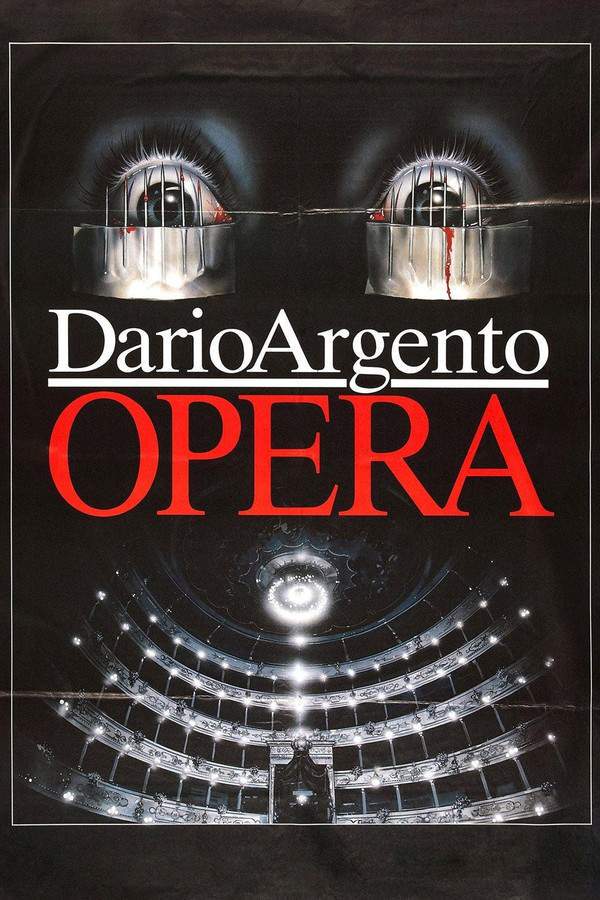
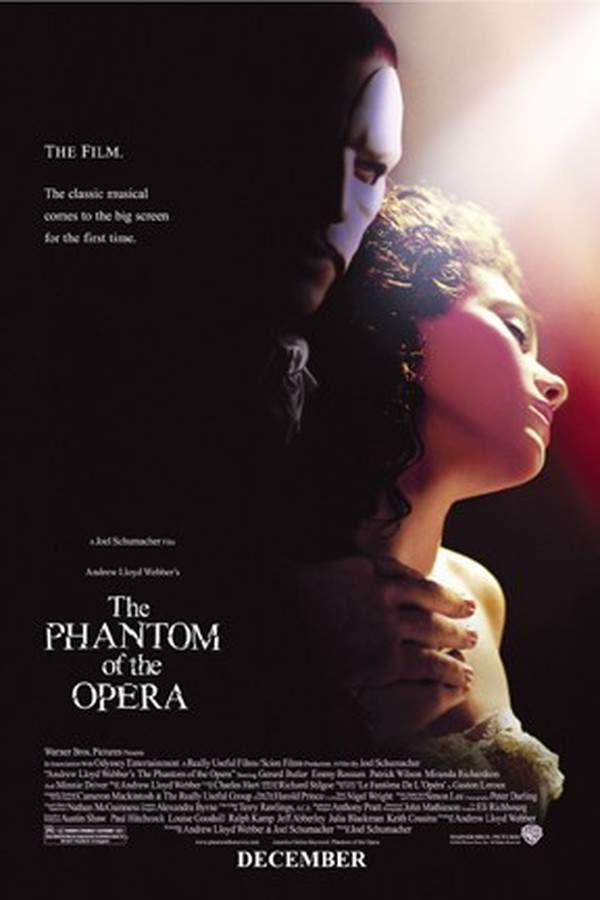
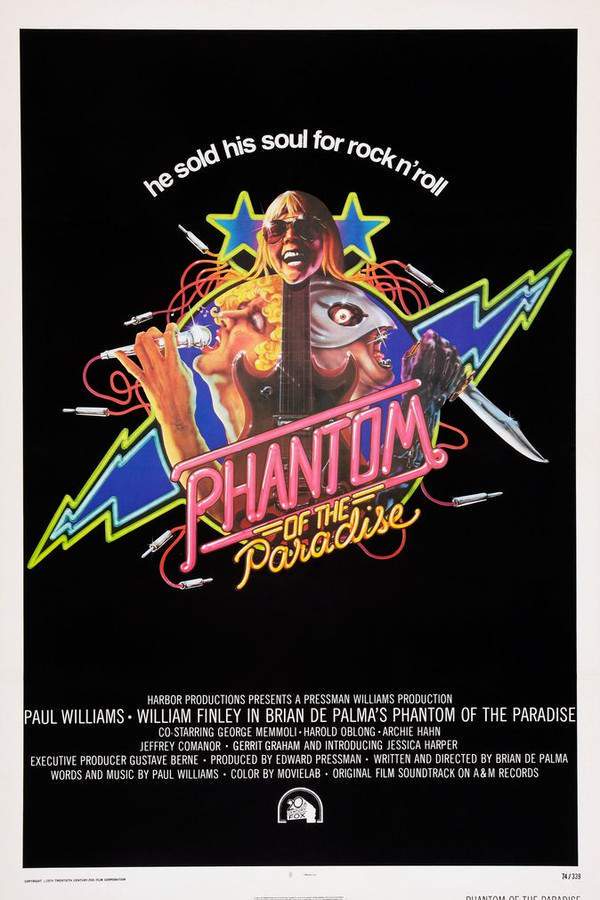
Uncover films that echo the narrative beats, emotional arcs, or dramatic twists of the one you're exploring. These recommendations are handpicked based on story depth, thematic resonance, and spoiler-worthy moments — perfect for fans who crave more of the same intrigue.


Featured on this page

What's After the Movie?
Not sure whether to stay after the credits? Find out!
Check out our other apps:

SAT Sphere
Build confidence for the Digital SAT.

Mori Atlas
Discover wild places worth protecting.

Luntero
Search smarter for a home in Amsterdam.

Plot Explained
Unravel movie endings and hidden clues.

Pokechamp
Dive into Pokémon data and battle logic.

Driving Theory
Get ready for your European theory test.

Movie Dust
Plan your next cinema trip with ease.

Musemap
Find art and culture as you travel.

Selkobase
Compare credentials before committing.

Local Manual
Turn an unfamiliar country into practical next steps.

Lernavi
Compare school systems before your next move.

GymRoam
Find a workout stop wherever your plans take you.
Explore Our Movie Platform
New Movie Releases (2026)
Famous Movie Actors
Top Film Production Studios
Movie Plot Summaries & Endings
Major Movie Awards & Winners
Best Concert Films & Music Documentaries
Movie Collections and Curated Lists
© 2026 What's After the Movie. All rights reserved.
Privacy Policy