The Phantom of the Opera 1989


Robert Englund, long‑time horror icon, steps out of his Freddy Krueger role to portray the enigmatic Phantom in this modern twist on the classic. An aspiring opera singer is mysteriously whisked to Victorian‑era London, where she meets a reclusive, disfigured maestro who becomes obsessed with turning her into a star.

Does The Phantom of the Opera have end credit scenes?
No!
The Phantom of the Opera does not have end credit scenes. You can leave when the credits roll.
Meet the Full Cast and Actors of The Phantom of the Opera
Explore the complete cast of The Phantom of the Opera, including both lead and supporting actors. Learn who plays each character, discover their past roles and achievements, and find out what makes this ensemble cast stand out in the world of film and television.
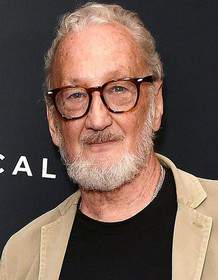
Robert Englund
Erik Destler / The Phantom

Bill Nighy
Martin Barton
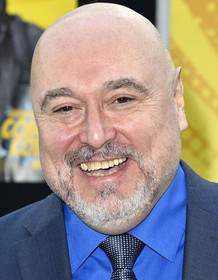
Mark Ryan
Mott

Molly Shannon
Meg (New York)

Terence Harvey
Insp. Hawkins
Jill Schoelen
Christine Day
Alex Hyde-White
Richard Dutton
Robin Hunter
Roland
Nathan Lewis
Davies
Stephanie Lawrence
La Carlotta
Peter Clapham
Harrison
Emma Rawson
Meg (London)
Jaclyn Mendoza
Maddie
External Links and Streaming Options
Discover where to watch The Phantom of the Opera online, including streaming platforms, rental options, and official sources. Compare reviews, ratings, and in-depth movie information across sites like IMDb, TMDb, Wikipedia or Rotten Tomatoes.








Take the Ultimate The Phantom of the Opera Movie Quiz
Challenge your knowledge of The Phantom of the Opera with this fun and interactive movie quiz. Test yourself on key plot points, iconic characters, hidden details, and memorable moments to see how well you really know the film.
The Phantom of the Opera (1989) Quiz: Challenge your knowledge of the 1989 film The Phantom of the Opera with these ten questions ranging from easy to difficult.
What is the name of the young opera singer who is the film's protagonist?
Full Plot Summary and Ending Explained for The Phantom of the Opera
Read the complete plot summary of The Phantom of the Opera, including all major events, twists, and the full ending explained in detail. Explore key characters, themes, hidden meanings, and everything you need to understand the story from beginning to end.
Christine Day, [Jill Schoelen], a young opera singer in modern-day Manhattan, searches for a unique piece to sing at her next audition. Her friend and manager Molly Shannon Meg uncovers an old, enigmatic opera fragment called Don Juan Triumphant, written by a composer named Erik Destler [Robert Englund]. Curious, Christine and Meg dig into Destler’s history and uncover rumors that he may have murdered several people and become entwined with an obsessed relationship to a singer who vanished long ago. When Christine studies the tattered parchment and begins to sing, blood oddly seeps onto the notes and her hands, only to vanish when Meg reappears, leaving Christine shaken but determined. She proceeds with her audition, but a dramatic accident—a falling sandbag—knocks her unconscious, shatters a mirror, and sets off a chain of dreamlike revelations.
Waking in London in 1885, Christine finds herself dressed in period opera attire, where a different version of Meg exists. Destler surfaces as a shadowy mentor and, chillingly, claims to be Christine’s teacher and an angel sent by her deceased father. He urges Christine to practice the role of Marguerite in Faust, insisting that only she can sing it. That same evening, Carlotta, the diva Christine is understudying, discovers a terrifying scene in her dressing closet: Joseph’s mutilated, near-dead body. The shock costs Carlotta her voice and threatens the prestige of the theater’s owner, Bill Nighy Martin Barton. Amid this turmoil, Christine is cast in Marguerite, which fuels Barton’s concerns about losing his centerpiece performer and the status her rise would bring to his opera house.
In a rambling memory of the past, Destler recalls a time when he unwittingly exchanged his soul for universal adoration of his music. The Devil grants the wish but leaves Destler grotesquely disfigured, telling him that only his art will ever win the audience’s love. Christine delivers a performance that earns a standing ovation, and she shares a moment of happiness with her fiancé, Richard Dutton [Alex Hyde-White]. He asks to meet this mysterious teacher, but Christine suppresses the truth, insisting the teacher is only a figment of her imagination. In a parallel act of manipulation, Destler seduces a prostitute and pays her to call herself “Christine” for a night, blurring identities even further.
The morning after this triumph, a devastating newspaper review—curtly dismissed as a favor to Barton—lands a blow on Christine, and Destler hunts down the critic, [E.A. Harrison], brutally killing him in a Turkish spa when the critic refuses to recant. Grieving at her father’s grave, Christine prays as Destler materializes as a shadowy violinist and tempts her with a promise of musical immortality if she follows him. She yields and departs in a stagecoach with Destler, who lures her deeper into the Phantom’s lair beneath the opera house. There, Destler unveils himself once more as the composer of Don Juan Triumphant, triggering a remembered lyric within Christine. He places a ring on her finger and warns her never to see another man again, declaring her his bride.
Richard and Inspector Hawkins uncover the terrifying truth: the Phantom is Destler, who has thrived in the catacombs for decades and skins his victims to fashion a hideous mask. They learn that the only way to kill the Phantom would be to destroy the music that sustains him. After a tense masquerade, Christine pleads with Richard to rescue her, confessing her fear and her love for him. Destler, disguised as the Red Death, interrupts this reunion, decapitating Carlotta and scattering chaos through the theater. He abducts Christine, and a brutal chase unfolds as Hawkins, Richard, and the rat catcher—whom Destler previously bribed—close in.
In the lair, Destler attempts to force Christine to stay with him forever, but she faces him with resolve. He taunts that this moment could be a wedding march or a funeral mass, and the couple’s fate hangs on her choice. A fierce confrontation ends with Richard dying in battle and Destler being wounded by Hawkins’ gunfire. Christine tries to push a candle holder through a mirror to burn away her past, but a final push sends her back to her own time. As she vanishes, she hears Destler’s echoing scream of her name.
Back in present-day Manhattan, Christine is consoled by the theater’s producer, Mr. Foster, who embodies a familiar, unsettling aura. He offers her the lead role, and their drinks lead him to slip away to change, revealing a hideous lesion on his face—Foster is, in truth, Destler from long ago. He intends to renew his hold with synthetic skin in a hidden lab. Christine then discovers a fresh copy of the Don Juan Triumphant score. Destler, now revealed as Foster, confronts her in the apartment and confesses his true identity. She feigns acquiescence, then turns the tables, ripping off his mask, stabbing him, and escaping with the music he covets. She tears the score apart and drops it into a drain, all while Destler’s scream echoes from the depths.
As she moves through the city, a street violinist begins to play the Don Juan Triumphant theme, a haunting reminder that Destler’s influence might not be entirely dead. Christine stops, drops a coin to the musician, and watches him play before turning away with a mixture of resolve and doubt. She walks on, the weight of the experiences heavy but her future uncertain, wondering if Destler will ever truly be gone.

Coming soon on iOS and Android
The Plot Explained Mobile App
From blockbusters to hidden gems — dive into movie stories anytime, anywhere. Save your favorites, discover plots faster, and never miss a twist again.
Sign up to be the first to know when we launch. Your email stays private — always.
Explore the mobile appWatch Trailers, Clips & Behind-the-Scenes for The Phantom of the Opera
Watch official trailers, exclusive clips, cast interviews, and behind-the-scenes footage from The Phantom of the Opera. Dive deeper into the making of the film, its standout moments, and key production insights.
Cars Featured in The Phantom of the Opera
Explore all cars featured in The Phantom of the Opera, including their makes, models, scenes they appear in, and their significance to the plot. A must-read for car enthusiasts and movie buffs alike.
The Phantom of the Opera Themes and Keywords
Discover the central themes, ideas, and keywords that define the movie’s story, tone, and message. Analyze the film’s deeper meanings, genre influences, and recurring concepts.
The Phantom of the Opera Other Names and Titles
Explore the various alternative titles, translations, and other names used for The Phantom of the Opera across different regions and languages. Understand how the film is marketed and recognized worldwide.
Similar Movies To The Phantom of the Opera You Should Know About
Browse a curated list of movies similar in genre, tone, characters, or story structure. Discover new titles like the one you're watching, perfect for fans of related plots, vibes, or cinematic styles.
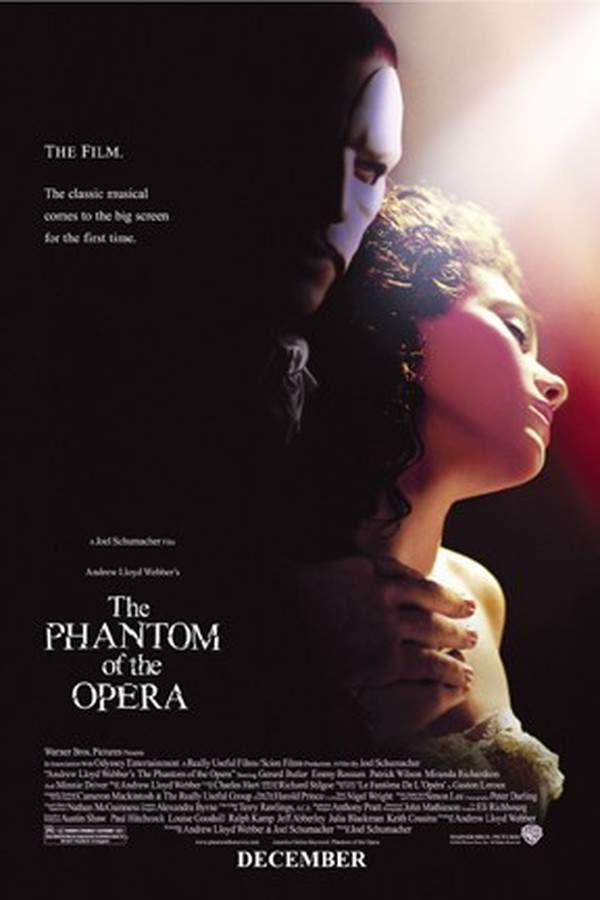
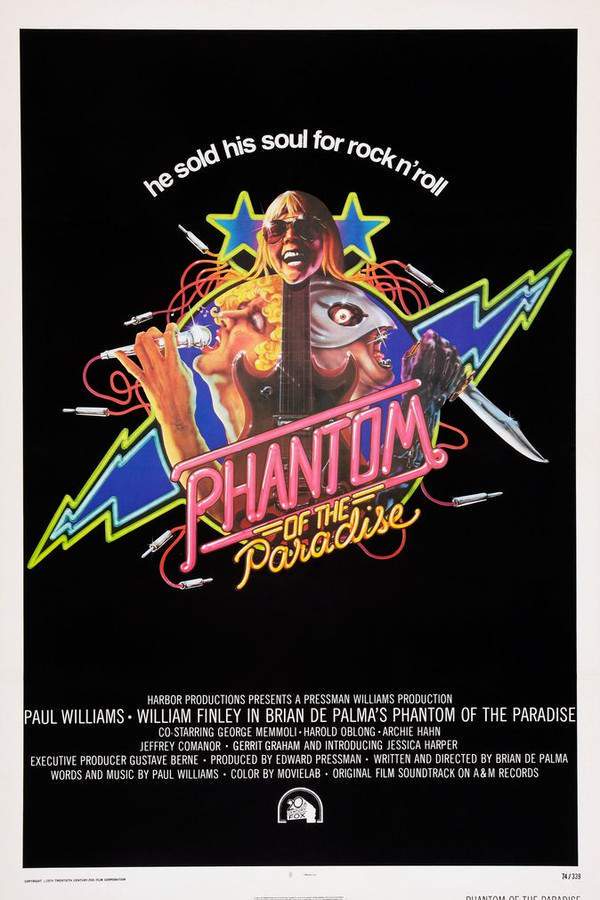


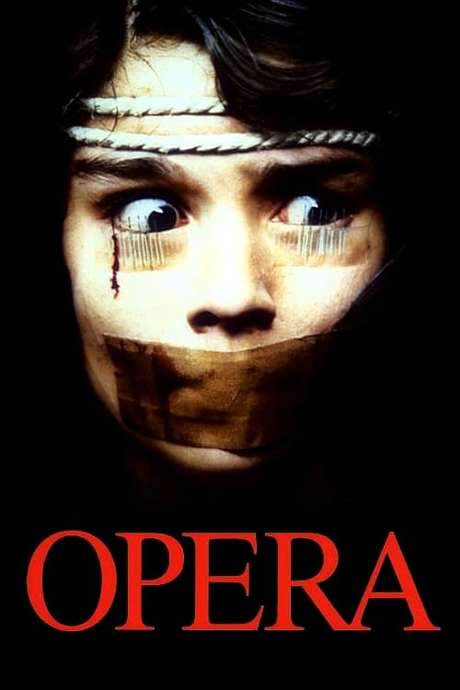

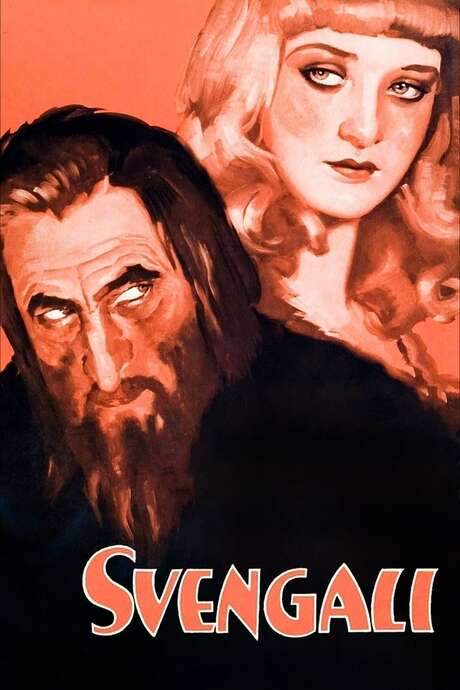


Quick Links: Summary, Cast, Ratings, More

What's After the Movie?
Not sure whether to stay after the credits? Find out!
Check out our other apps:

SAT Sphere
Build confidence for the Digital SAT.

Mori Atlas
Discover wild places worth protecting.

Luntero
Search smarter for a home in Amsterdam.

Plot Explained
Unravel movie endings and hidden clues.

Pokechamp
Dive into Pokémon data and battle logic.

Driving Theory
Get ready for your European theory test.

Movie Dust
Plan your next cinema trip with ease.

Musemap
Find art and culture as you travel.

Selkobase
Compare credentials before committing.

Local Manual
Turn an unfamiliar country into practical next steps.

Lernavi
Compare school systems before your next move.

GymRoam
Find a workout stop wherever your plans take you.
Explore Our Movie Platform
New Movie Releases (2026)
Famous Movie Actors
Top Film Production Studios
Movie Plot Summaries & Endings
Major Movie Awards & Winners
Best Concert Films & Music Documentaries
Movie Collections and Curated Lists
© 2026 What's After the Movie. All rights reserved.
Privacy Policy