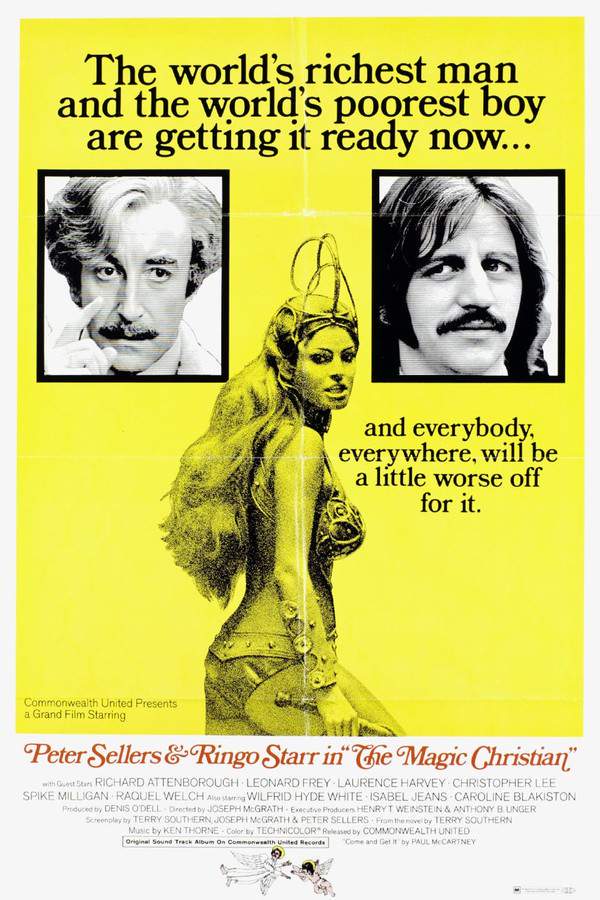
The Magic Christian 1969



A wildly anti‑establishment, anti‑war, anti‑trust, anti‑social satire, it follows Sir Guy Grand, the richest man on Earth, who adopts a homeless drifter named Youngman. Together they set out to prove that anyone—and anything—can be bought, exposing greed and corruption with absurd humor.



Does The Magic Christian have end credit scenes?
No!
The Magic Christian does not have end credit scenes. You can leave when the credits roll.
Where to Watch The Magic Christian
See current US streaming, rental, and purchase options for The Magic Christian (1969) via JustWatch.










Meet the Full Cast and Actors of The Magic Christian
Explore the complete cast of The Magic Christian, including both lead and supporting actors. Learn who plays each character, discover their past roles and achievements, and find out what makes this ensemble cast stand out in the world of film and television.

Graham Chapman
Oxford Crew
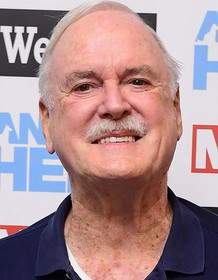
John Cleese
Director in Sotheby's

Peter Sellers
Sir Guy Grand KG, KC, CBE

Ringo Starr
Youngman Grand, Esq.
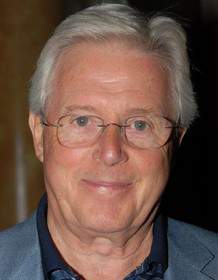
Michael Aspel
Himself

Christopher Lee
Ship's Vampire

Laurence Harvey
Hamlet
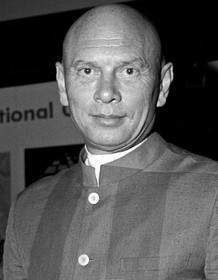
Yul Brynner
Transvestite Cabaret Singer

Raquel Welch
Priestess of the Whip
Spike Milligan
Traffic Warden

Leonard Frey
Laurence Faggot
John Le Mesurier
Sir John
James Laurenson
Oxford Crew
Ferdy Mayne
Edouard
Isabel Jeans
Dame Agnes Grand
Caroline Blakiston
Hon. Esther Grand
Dennis Price
Winthrop
Frank Thornton
Police Inspector
Alan Whicker
Himself
Patrick Holt
Duke in Sotheby's
Wilfrid Hyde-White
Captain Reginald K. Klaus
Hattie Jacques
Ginger Horton
Clive Dunn
Sommelier
David Hutcheson
Lord Barry
Jeremy Lloyd
Lord Hampton
Edward Sinclair
Park Attendant
External Links and Streaming Options
Discover where to watch The Magic Christian online, including streaming platforms, rental options, and official sources. Compare reviews, ratings, and in-depth movie information across sites like IMDb, TMDb, Wikipedia or JustWatch.






Take the Ultimate The Magic Christian Movie Quiz
Challenge your knowledge of The Magic Christian with this fun and interactive movie quiz. Test yourself on key plot points, iconic characters, hidden details, and memorable moments to see how well you really know the film.
The Magic Christian Quiz: Test your knowledge of the 1969 satire "The Magic Christian", starring Peter Sellers and Ringo Starr, and its outrageous social experiments.
Which actor portrays the eccentric billionaire Sir Guy Grand?
Full Plot Summary and Ending Explained for The Magic Christian
Read the complete plot summary of The Magic Christian, including all major events, twists, and the full ending explained in detail. Explore key characters, themes, hidden meanings, and everything you need to understand the story from beginning to end.
Sir Guy Grand, Peter Sellers — an eccentric billionaire — teams up with his newly adopted heir, Youngman Grand, a homeless man sleeping in the park, to stage a string of elaborate pranks designed to test a provocative notion: that everyone has their price, and the amount it takes to reveal it will vary with the stakes and the audience. Their scheme unfolds as a gradual, increasingly audacious social experiment meant to educate the world in Grand’s own peculiar way, all while maintaining an outward air of composed politeness and charm.
The duo starts with smaller, sharper jests that graze social pretensions before escalating to bolder calls for cash and consent. They bribe a Shakespearean actor to undress during a live performance of Hamlet and coax a traffic warden to revoke a parking ticket—and even to consume the torn ticket itself, delighted by the bribe and the absurdity of the act. These early capers set the tone: mischief with a utilitarian veneer, a show designed to demonstrate a cynical economic principle, all conducted with a calm, almost ceremonial restraint that keeps the pair’s cool perception intact even as the reactions around them melt into farce.
The first major confrontation with the art world arrives at Sotheby’s, where an ostensibly valuable Rembrandt School portrait is discussed as an asset that might fetch around £10,000. In a bold, almost surgical move, Grand places a pre-auction bid of £30,000, then—once the painting is secured—slashes the nose from the canvas with a pair of scissors. The shocked director at the auction house, Mr. Dugdale, is left speechless as the act transforms from a purchase into an assault on the painting itself. The shock reverberates through the room, and the incident becomes a stark illustration of Grand’s philosophy: the price of art—indeed of anything—may be altered by audacity and money, if one is bold enough to wield them.
As the pranks broaden to the dining room and the public square, Grand and Youngman Grand inhabit different social spheres with the same casual ease. In a fashionable restaurant, Grand eats with theatrical excess, becoming perhaps the loudest, most conspicuous patron in the establishment. Then the pair shift to sport and spectacle: during the annual Boat Race, Grand manipulates the Oxford Crew to ram the Cambridge boat, securing an outrageously unfair victory, while a pheasant hunt culminates in the dramatic use of an anti-aircraft gun to bring down a single bird. The tone remains wry and cool, even as the actions become increasingly provocative and politically unsettling.
Their eventual ascent into the world of luxury travel brings them aboard The Magic Christian, a floating microcosm of the upper crust. The voyage features lookalikes of real luminaries, including John Lennon, Yoko Ono, Jacqueline Kennedy, and Aristotle Onassis, a theatrical mirror held up to the excess and performative glamour of a closed social circle. Among the passengers, a transgressive, almost surreal atmosphere unfolds: a solitary drinker at the bar is approached by a transvestite cabaret singer [Yul Brynner], a ship’s waiter is joined by a chessboard of oddities in the form of a vampire in waiting, and a cinema reel presents a controversial head transplant—an unspoken indictment of the boundaries between science, spectacle, and ethics. A captain—Captain Reginald K. Klaus—presides over the gathering with a drunk blunder that seems to mock the entire enterprise from the helm.
The voyage’s crescendo arrives in a hidden, almost ceremonial ritual: the Priestess of the Whip, aided by two topless drummers, commands a vast cadre of enslaved performers. They are bound and choreographed in a way that mirrors a ship’s decked theater, a grotesque tableau that underscores Grand’s belief that the most intimate boundaries of society can be publicly tested and exposed. The passengers gradually realize that the ship is not at sea at all but a colossal structure built inside a warehouse, a stage set that looks convincing enough to fool even the most jaded observer. Inside, a dramatic inscription—SMASH CAPITALISM—appears on the warehouse wall, underscoring the film’s satirical indictment of wealth and power, as the Grands observe with studied calm.
As the spectacle concludes, Grand escalates his act of public “education” by filling a huge vat with urine, blood, and animal excrement, then dumping thousands of banknotes into the liquid. He broadcasts a loud invitation: “Free money!” and entices a crowd of city workers to dive in and reclaim the cash that sinks below the surface of the vat. The moment is punctuated by Thunderclap Newman’s propulsive anthem, Something in the Air, lending a jubilant, anarchic energy to the climactic mass gathering.
Throughout it all, Guy Grand and Youngman Grand maintain a composed, almost serene demeanor, even as the world around them spirals into chaos and revelation. When the last scene returns them to the park where the film began, they bribe the park warden Wilfrid Hyde-White to let them lie down and sleep there, arguing, in effect, that this quiet, unremarkable act is a more direct route to their aims than any grand spectacle could be. The film closes on a note of cool detachment, inviting the audience to reflect on the nature of price, value, and the price of simply existing within a system that constantly tests the limits of what money can buy.

Coming soon on iOS and Android
The Plot Explained Mobile App
From blockbusters to hidden gems — dive into movie stories anytime, anywhere. Save your favorites, discover plots faster, and never miss a twist again.
Sign up to be the first to know when we launch. Your email stays private — always.
Explore the mobile appWatch Trailers, Clips & Behind-the-Scenes for The Magic Christian
Watch official trailers, exclusive clips, cast interviews, and behind-the-scenes footage from The Magic Christian. Dive deeper into the making of the film, its standout moments, and key production insights.
Cars Featured in The Magic Christian
Explore all cars featured in The Magic Christian, including their makes, models, scenes they appear in, and their significance to the plot. A must-read for car enthusiasts and movie buffs alike.
The Magic Christian Themes and Keywords
Discover the central themes, ideas, and keywords that define the movie’s story, tone, and message. Analyze the film’s deeper meanings, genre influences, and recurring concepts.
The Magic Christian Other Names and Titles
Explore the various alternative titles, translations, and other names used for The Magic Christian across different regions and languages. Understand how the film is marketed and recognized worldwide.
Similar Movies To The Magic Christian You Should Know About
Browse a curated list of movies similar in genre, tone, characters, or story structure. Discover new titles like the one you're watching, perfect for fans of related plots, vibes, or cinematic styles.


Quick Links: Summary, Cast, Ratings, More

What's After the Movie?
Not sure whether to stay after the credits? Find out!
Check out our other apps:

SAT Sphere
Build confidence for the Digital SAT.

Mori Atlas
Discover wild places worth protecting.

Luntero
Search smarter for a home in Amsterdam.

Plot Explained
Unravel movie endings and hidden clues.

Pokechamp
Dive into Pokémon data and battle logic.

Driving Theory
Get ready for your European theory test.

Movie Dust
Plan your next cinema trip with ease.

Musemap
Find art and culture as you travel.

Selkobase
Compare credentials before committing.

Local Manual
Turn an unfamiliar country into practical next steps.

Lernavi
Compare school systems before your next move.

GymRoam
Find a workout stop wherever your plans take you.
Explore Our Movie Platform
New Movie Releases (2026)
Famous Movie Actors
Top Film Production Studios
Movie Plot Summaries & Endings
Major Movie Awards & Winners
Best Concert Films & Music Documentaries
Movie Collections and Curated Lists
© 2026 What's After the Movie. All rights reserved.
Privacy Policy