The Last Judgment 1961


In Naples, an unseen voice booms from the sky one morning, declaring that the final judgment will occur at 6 p.m. that same day. The film then unfolds as a series of vignettes that follow citizens from all walks of life—believers, skeptics, workers, clergy, children and strangers—as they confront, ignore or humorously resign to the prophetic announcement, revealing a mosaic of reactions to impending doom.

Does The Last Judgment have end credit scenes?
No!
The Last Judgment does not have end credit scenes. You can leave when the credits roll.
Meet the Full Cast and Actors of The Last Judgment
Explore the complete cast of The Last Judgment, including both lead and supporting actors. Learn who plays each character, discover their past roles and achievements, and find out what makes this ensemble cast stand out in the world of film and television.

Anouk Aimée
Giorgio's wife Irene
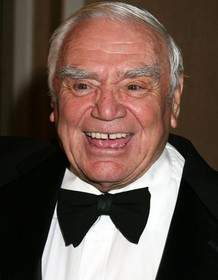
Ernest Borgnine
Pickpocket

Enzo Petito

Alberto Sordi
Merchant of children
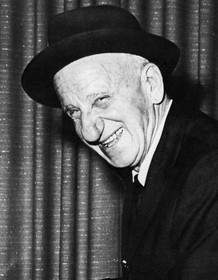
Jimmy Durante
The man with the large nose
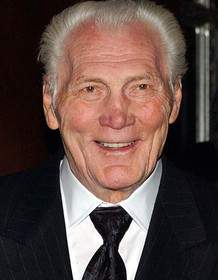
Jack Palance
Matteoni

Akim Tamiroff
Play director
Marisa Merlini
una madre
Silvana Mangano
Signora Matteoni
Nino Manfredi
Waiter
Vittorio Gassman
Cimino
Lino Ventura
Giovanna's father
Giacomo Furia
Paolo Stoppa
Giorgio
Maria Pia Casilio
cameriera
Alberto Albani Barbieri
Lamberto Maggiorani
Poor man
Regina Bianchi
Luigi Bonos
Gigi Reder
il pazzariello
Edith Peters
Black Woman
Franco Franchi
disoccupato
Ciccio Ingrassia
disoccupato
Elisa Cegani
la madre di Giovanna
Mike Bongiorno
Self
Pietro De Vico
venditore ambulante
Carlo Taranto
un giudicato
Salvatore Porcaro
Boy at the Window (uncredited)
Alberto Bonucci
ospite in casa Matteoni
Giuseppe Ianigro
la personalità
Mario Passante
Fernandel
The widower
Giuseppe Porelli
l'accompagnatore delle personalità
Melina Mercouri
Foreign lady
Nando Angelini
Domenico Modugno
il cantante
Andreina Pagnani
ospite in casa Matteoni
Vittorio Bonos
Ugo D'Alessio
un Pulcinella
Paul Demange
Miser in Paris
Nino Di Napoli
Nello Ascoli
Agostino Salvietti
Jaime de Mora y Aragón
l'ambasciatore
Pasquale Cennamo
Teresa De Vita
Georges Rivière
Gianni
Renato Rascel
Coppola
Eleonora Brown
Giovanna
Eugenio Maggi
Alfio Vita
Elli Davis
The blonde
Sergio Jossa
Luca
Lilli Lembo
annunciatrice Tv
Mario Abussi
Hilde Maria Renzi
Alfredo Melidoni
Eliana De Sabata
Pilade Collaveri
External Links and Streaming Options
Discover where to watch The Last Judgment online, including streaming platforms, rental options, and official sources. Compare reviews, ratings, and in-depth movie information across sites like IMDb, TMDb, Wikipedia or Letterboxd.




Full Plot Summary and Ending Explained for The Last Judgment
Read the complete plot summary of The Last Judgment, including all major events, twists, and the full ending explained in detail. Explore key characters, themes, hidden meanings, and everything you need to understand the story from beginning to end.
In a Naples that is waking up to the mixed blessings of an economic boom, a granitic, almost biblical voice seems to descend from the heavens and declare that catastrophe will strike at a precise hour. The proclamation is delivered with stunning clarity:
At 18 begins the Last Judgement!
This thunderous message is first treated with scorn, then with growing fear, as the city’s rhythm shifts under the weight of a sudden moral alarm. The film dramatizes this moment through a mosaic of vignettes, each one a fragment of life in a city where fortunes diverge as wildly as the lanes of its bustling streets. Giorgio [Paolo Stoppa] emerges as a shrewd defense lawyer whose long-winded rhetoric and quick wit pull him through a labyrinth of dilemmas, while Irene [Anouk Aimée], Giorgio’s wife, becomes entangled in the tense, shifting codes of desire that thread through Naples’ different classes.
The narrative threads weave in and out of the everyday: the elaborate ball prepared by a duke, a social climb that finds its footing against the grittier reality of the poorest districts, and the small, almost banal infidelities that test loyalty and patience. The image of a husband who discovers his wife with her lover becomes a sharp, intimate counterpoint to the broader satire. A cynical, suggestion-filled underworld appears in the form of a Merchant of Children [Alberto Sordi], who profits from selling the most vulnerable abroad, exposing a chilling commerce that lurks beneath the city’s glitter and charm. This is balanced by the portrait of a young man of good company, Cimino [Vittorio Gassman], whose polished exterior invites sneers and scorn from a crowd ready to judge at a moment’s notice.
Amid these stories, Giovanna [Eleonora Brown] and her family press forward, their lives intersecting with strangers who carry different weights of fate. Giovanna’s father [Lino Ventura] does his best to shield his daughter from the moral hazards that swirl around them, a small but resolute effort against the tide of impulse and spectacle. The city teems with a chorus of minor figures who populate the background but are essential to the texture: a Waiter [Nino Manfredi] moving between tables, a mother figure [Elisa Cegani] who watches over Giovanna, and a variety of everyday people who give the Naples of the film its pulse.
The mood of the piece is punctuated by cameo figures that give the story its kaleidoscopic flavor. A man with a remarkable nose, played by Jimmy Durante, threads through the scenes as a reminder that oddities and absurdities exist side-by-side with gravity and fear. The cast also introduces a figure who epitomizes vulnerability and resilience: the foreign Lady [Melina Mercouri], a traveler who encounters the city and its souls in the midst of its upheaval, while a singer [Domenico Modugno] performs in the corners of the social stage, echoing the humanity and humor that survive even when judgments loom. The widower [Fernandel] adds a touch of quiet sorrow, a counterpoint to the exuberant chaos that surrounds the ball and the flood.
As the announcements escalate, the city’s mood becomes a living, breathing entity. The poor man [Lamberto Maggiorani] and others in the crowd move with a mix of hope and fear, their days braided with moments of tenderness, cruelty, and sudden possibility. The narrative hovers between the melodramatic and the playful, between moral catastrophe and irreverent laughter, showing how a city can absorb a prophecy and still carry on with its traditions, its rituals, and its stubborn vitality. The ball at the Duke’s residence stands as a symbol of social aspiration and human folly alike, a place where appearances are polished for a moment before they are devoured by the next astonishment.
The voice’s promise—seemingly from a divine source—appears to move through the human crowd as if it were a palpable force, testing how each character will respond: some repent, some revel, some pretend indifference. The film emphasizes that those who hesitate too long may be left behind, while those who choose to seize the moment can find a new, if fragile, sense of meaning. The interplay of fear, joy, and irony runs like a thread through every stitched scene, giving weight to the film’s satire while allowing space for humanity to emerge in small acts of courage and kindness.
Then, a flood arrives, as if the city itself decided to test the seriousness of the prophecy. The disaster is not merely physical but symbolic, washing through the streets and erasing the line between judgment and mercy. After the water recedes, the Last Judgment begins in earnest, only to end as mysteriously as it began. When the sun finally returns, Naples resumes its life with the same stubborn pace, and the memory of doom dissolves into the ordinary, almost soothing rhythm of daily routine. People hurry to the Duke’s ball once more, the crowd’s frenzy gives way to routine, and the sound of an ironic lullaby—crafted in the moments just before—lingers as a reminder that life in Naples, in all its contradictions, goes on.
If you’re looking for a film that stitches together social satire, human fragility, and a city’s unbreakable spirit, this story offers a panoramic meditation on morality, desire, and the stubborn resilience that keeps a community moving forward. The ensemble cast—each figure a thread in the fabric of Naples—provides a study of how ordinary lives intersect with extraordinary events, and how, even when the heavens seem to judge, life continues to unfold with stubborn grace.
Characters mentioned with actor links:
- Giorgio Paolo Stoppa
- Irene Anouk Aimée
- Pickpocket Ernest Borgnine
- Merchant of Children Alberto Sordi
- Cimino Vittorio Gassman
- Giovanna Eleonora Brown
- Giovanna’s father Lino Ventura
- Waiter Nino Manfredi
- Signora Matteoni Silvana Mangano
- The foreign Lady Melina Mercouri
- The singer Domenico Modugno
- The widower Fernandel
- The poor man Lamberto Maggiorani
- The man with the large nose Jimmy Durante
- Coppola Renato Rascel
- The mother of Giovanna Elisa Cegani

Coming soon on iOS and Android
The Plot Explained Mobile App
From blockbusters to hidden gems — dive into movie stories anytime, anywhere. Save your favorites, discover plots faster, and never miss a twist again.
Sign up to be the first to know when we launch. Your email stays private — always.
Explore the mobile appDiscover Film Music Concerts Near You – Live Orchestras Performing Iconic Movie Soundtracks
Immerse yourself in the magic of cinema with live orchestral performances of your favorite film scores. From sweeping Hollywood blockbusters and animated classics to epic fantasy soundtracks, our curated listings connect you to upcoming film music events worldwide.
Explore concert film screenings paired with full orchestra concerts, read detailed event information, and secure your tickets for unforgettable evenings celebrating legendary composers like John Williams, Hans Zimmer, and more.


The Last Judgment Themes and Keywords
Discover the central themes, ideas, and keywords that define the movie’s story, tone, and message. Analyze the film’s deeper meanings, genre influences, and recurring concepts.
The Last Judgment Other Names and Titles
Explore the various alternative titles, translations, and other names used for The Last Judgment across different regions and languages. Understand how the film is marketed and recognized worldwide.
Similar Movies To The Last Judgment You Should Know About
Browse a curated list of movies similar in genre, tone, characters, or story structure. Discover new titles like the one you're watching, perfect for fans of related plots, vibes, or cinematic styles.





-5JpVp6MhW3kXdQ.jpg)


Quick Links: Summary, Cast, Ratings, More

What's After the Movie?
Not sure whether to stay after the credits? Find out!
Check out our other apps:

SAT Sphere
Build confidence for the Digital SAT.

Mori Atlas
Discover wild places worth protecting.

Luntero
Search smarter for a home in Amsterdam.

Plot Explained
Unravel movie endings and hidden clues.

Pokechamp
Dive into Pokémon data and battle logic.

Driving Theory
Get ready for your European theory test.

Movie Dust
Plan your next cinema trip with ease.

Musemap
Find art and culture as you travel.

Selkobase
Compare credentials before committing.

Local Manual
Turn an unfamiliar country into practical next steps.

Lernavi
Compare school systems before your next move.

GymRoam
Find a workout stop wherever your plans take you.
Explore Our Movie Platform
New Movie Releases (2026)
Famous Movie Actors
Top Film Production Studios
Movie Plot Summaries & Endings
Major Movie Awards & Winners
Best Concert Films & Music Documentaries
Movie Collections and Curated Lists
© 2026 What's After the Movie. All rights reserved.
Privacy Policy