

Enzo Petito: Movies & Box Office
- films
- 12
- on screen
- 1953–1967
- box office
- $25.3M
- Born
- July 24, 1897
- Birthplace
- Naples, Kingdom of Italy
- Full name
- Vincenzo Squatriti
- Citizenship
- Italian
- Occupations
- actor
- Years active
- 1942-1966
Enzo Petito's Career in Numbers
Enzo Petito's films in numbers — as an actor, not counting appearances as themselves: when they were made, the genres Enzo Petito works in most and the milestones along the way. The filmography runs from Siamo tutti inquilini (1953) to The Good, the Bad and the Ugly (1967), and the 1960s were the busiest decade.
Enzo Petito Movies by Decade
- 1950s 4
- 1960s 8
The 1960s were Enzo Petito's busiest decade, with 8 films.
Enzo Petito Movies by Genre
- Comedy 10
- Adventure 1
- Drama 1
Comedy is the genre Enzo Petito has worked in most, with 10 films, ahead of adventure (1).
Enzo Petito Career Milestones
- First film
- Siamo tutti inquilini 1953
- Biggest box office hit
- The Good, the Bad and the Ugly $25.3M worldwide
- Newest film
- The Good, the Bad and the Ugly 1967
Enzo Petito Filmography: Every Movie
Every film Enzo Petito is credited on, newest first, with the role, the box office and the Movie Echo Score. Re-order the list to see the best-rated films or the biggest hits first.
- 1967
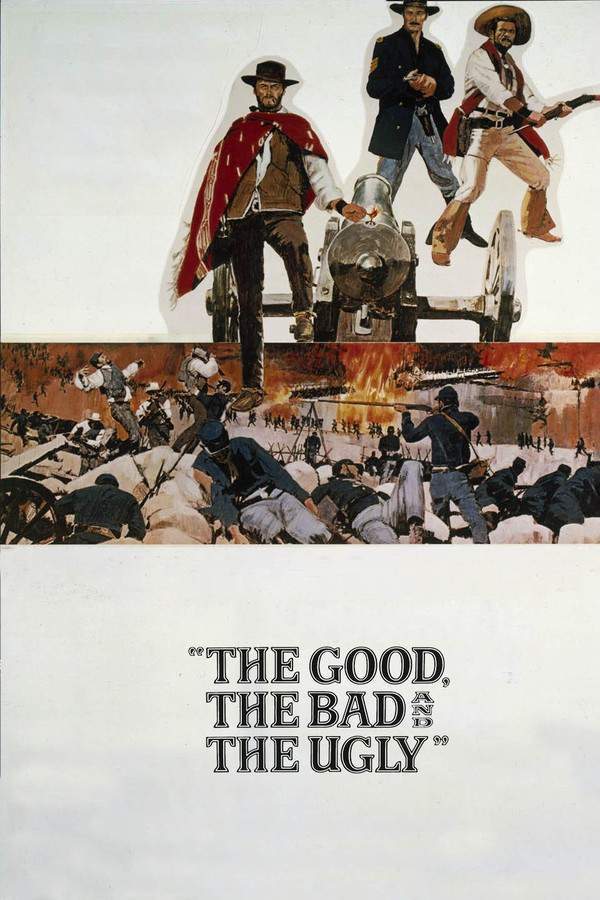 The Good, the Bad and the Ugly Adventure Worldwide box office: $25.3M
 - 1966
 Me, Me, Me… and the Others Comedy
 - 1965
 Made in Italy as The Usher (segment "4 'Cittadini, stato e chiesa', episode 1") · Comedy
 - 1962
 Roaring Years as ingegnere del circolo · Comedy
 - 1962
 Christmas at the Cupiello House Comedy
 - 1961
 Gold of Rome as Usuraio · Drama
 - 1961
 The Last Judgment Comedy
 - 1960
 He Who Hesitates Is Lost as Napoleone, l'usciere · Comedy
 - 1959
 The Widower as Fritzmayer · Comedy
 - 1959
 Sogno di una notte di mezza sbornia as Giovanni · Comedy
 - 1954
 Poverty and Nobility as Don Gioacchino · Comedy
 - 1953
 Siamo tutti inquilini as Affittuario di Anna · Comedy
Who Is Enzo Petito?
Enzo Petito was born in Naples, Kingdom of Italy in 1897. Credited on films since 1953, as an actor. The background, training and the roles that shaped the career.
Enzo Petito, born Vincenzo Squatriti on 24 July 1897 in Naples, Kingdom of Italy, was a prolific Italian character actor whose career spanned both the theatrical stages and the silver screen during the golden era of Italian cinema. Descended from a distinguished lineage—his great‑grandfather Antonio Petito was a celebrated Pulcinella of the 19th‑century commedia dell'arte—Petito inherited a deep‑rooted passion for performance that would shape his artistic identity. After beginning his film journey in 1942 with the comedy A che servono questi quattrini? where he played a notary alongside Eduardo and Peppino De Filippo, he quickly became a trusted member of Eduardo De Filippo’s theatrical troupe at the historic Teatro San Ferdinando in Naples, contributing to the vibrant post‑war Neapolitan stage scene throughout the 1950s. His stage work placed him beside luminaries such as Ugo D'Alessio, Pietro De Vico and Franco Sportelli, reinforcing his reputation as a versatile supporting actor capable of delivering both humor and pathos. Transitioning to film, Petito appeared in a series of memorable commedia all'Italiana productions, often cast in archetypal roles—storekeepers, cobblers, priests, or homeless men—that highlighted his skill in embodying everyday Italian characters with authenticity and subtle nuance. Notable screen appearances include Dino Risi’s Il vedovo (1959), where he portrayed a shoemaker, and the acclaimed Il Mattatore (1960), albeit uncredited, as Il cavalier Pizzola‑to. In 1963 he achieved a career highlight by playing Napoleon in Sergio Corbucci’s comedy Chi si ferma è perduto, a performance that remains a favorite among fans of classic Italian satire. Perhaps his most internationally recognised role arrived in 1966 when he embodied the hapless storekeeper Mr. Milton in Sergio Leone’s iconic Spaghetti Western The Good, the Bad and the Ugly, delivering memorable lines such as “Colt, Remington, Smith & Wesson” before being silenced by a notorious sign placed in his mouth. Though never a leading man, Petito’s extensive body of work—spanning over two decades from 1942 to 1966—reflects a steadfast dedication to his craft, leaving an indelible mark on Italy’s cinematic and theatrical heritage.
Who Enzo Petito Makes Movies With
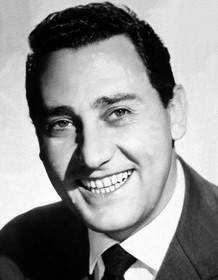
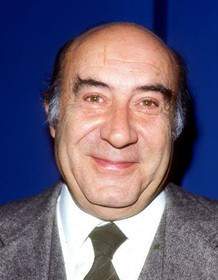
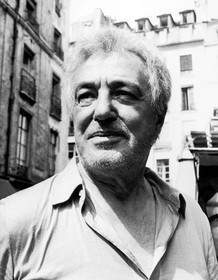
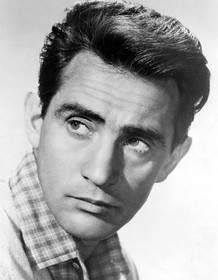
The actors and directors Enzo Petito shares the most films with. Alberto Sordi comes first, with 3 films together, followed by Aldo Giuffrè (2).
Enzo Petito: Questions & Answers
How many movies Enzo Petito has made, the biggest hit, the best-rated film, the award record and more, answered from the filmography above.
How many movies has Enzo Petito been in?
Enzo Petito is credited on 12 films, from 1953 to 1967. The filmography on this page lists every one of them, newest first, with the role and the Movie Echo Score.
What is Enzo Petito's highest-grossing movie?
The Good, the Bad and the Ugly (1967) is Enzo Petito's biggest box office hit, with $25.3M worldwide. Across every film with box office figures, Enzo Petito's movies have made $25.3M.
Enzo Petito's biggest hits What is Enzo Petito's newest movie?
The most recent film on Enzo Petito's filmography is The Good, the Bad and the Ugly (1967).
Who does Enzo Petito work with most often?
Enzo Petito shares the most films with Alberto Sordi (3 films), Aldo Giuffrè (2 films) and Livio Lorenzon (2 films).
The Best Enzo Petito Movies, Ranked
Top rated, most awarded and biggest box office hits from 12 credits.
Coming soon to your phone
The Plot Explained Movie Summary App
From blockbusters to hidden gems: plot summaries, endings explained and timelines on your phone. Save your favorites and never miss a twist again.
Be the first to know when it launches. Your email stays private, always. Learn more about the app
