The House Where Evil Dwells 1982



An ancient curse forces writer Ted Fletcher, his wife Laura and daughter Amy into a nightmarish cycle of lust and revenge. Prompted by diplomat friend Alex, they accept a Kyoto house despite rumors of haunting. The spirit of 19th‑century samurai Shigero haunts the home, demanding the family reenact his tragic murder‑suicide.


Does The House Where Evil Dwells have end credit scenes?
No!
The House Where Evil Dwells does not have end credit scenes. You can leave when the credits roll.
Where to Watch The House Where Evil Dwells
See current US streaming, rental, and purchase options for The House Where Evil Dwells (1982) via JustWatch.

Amazon Prime Video
HD
Amazon Prime Video with Ads
HD
fuboTV
HD
MGM Plus
HD
MGM Plus Roku Premium Channel
HD
MGM+ Amazon Channel
HD
Philo
HD
The Roku Channel
HD
Amazon Video
SD
Apple TV Store
SD
Google Play Movies
SD
YouTube
SD Streaming availability powered by 
Meet the Full Cast and Actors of The House Where Evil Dwells
Explore the complete cast of The House Where Evil Dwells, including both lead and supporting actors. Learn who plays each character, discover their past roles and achievements, and find out what makes this ensemble cast stand out in the world of film and television.

Susan George
Laura Fletcher
Edward Albert
Ted Fletcher
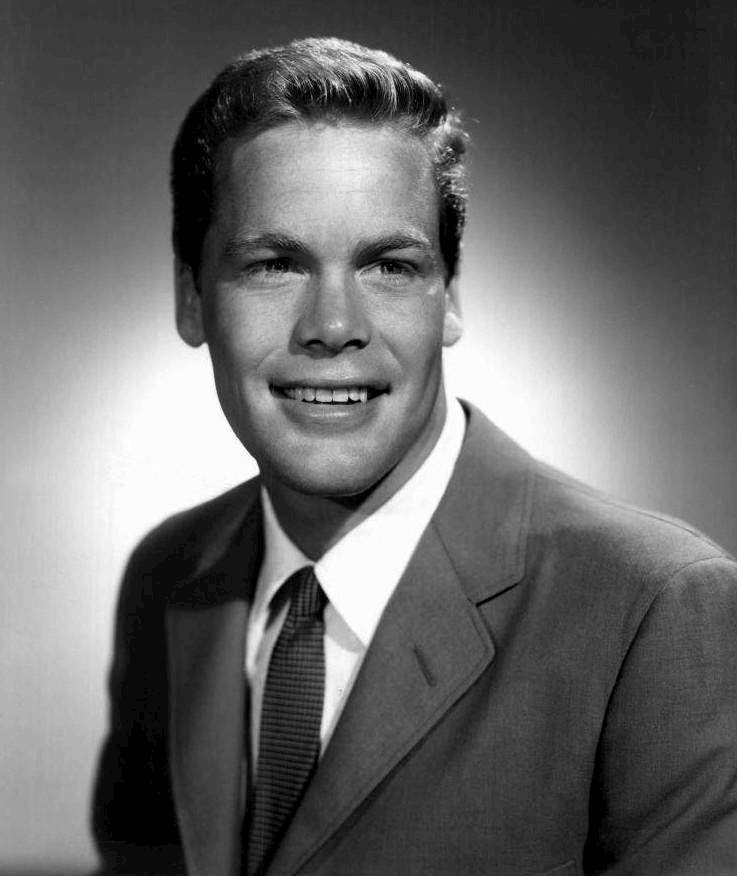
Doug McClure
Alex Curtis
Shunji Sasaki
Shugoro (as Toshiyuki Sasaki)
Mako Hattori
Otami
Toshiya Maruyama
Masanori
Tsuyako Okajima
Majyo Witch
Mayumi Umeda
Noriko
Henry Mitowa
Zen Monk
Hiroko Takano
Wakako
Shuren Sakurai
Noh Mask Maker
Shoji Ohara
Assistant Mask Maker
Jiro Shirai
Tadashi
Kazuo Yoshida
Editor
Kunihiko Shinjo
Assistant Editor
Gentarō Mori
Yoshio
Hideo Shimado
Policeman
Chiyoko Hardiman
Mama-San
Tomoko Shimizu
Aiko
External Links and Streaming Options
Discover where to watch The House Where Evil Dwells online, including streaming platforms, rental options, and official sources. Compare reviews, ratings, and in-depth movie information across sites like IMDb, TMDb, Wikipedia or Box Office Mojo.






Take the Ultimate The House Where Evil Dwells Movie Quiz
Challenge your knowledge of The House Where Evil Dwells with this fun and interactive movie quiz. Test yourself on key plot points, iconic characters, hidden details, and memorable moments to see how well you really know the film.
The House Where Evil Dwells Quiz: Test your knowledge of the 1982 horror film *The House Where Evil Dwells* with these ten questions ranging from easy to challenging.
In which year does the original tragedy that haunts the house occur?
Full Plot Summary and Ending Explained for The House Where Evil Dwells
Read the complete plot summary of The House Where Evil Dwells, including all major events, twists, and the full ending explained in detail. Explore key characters, themes, hidden meanings, and everything you need to understand the story from beginning to end.
In the mist-wrapped hillsides of Kushiata, near Kyoto, the year 1840 marks a brutal opening that sears itself into the memory of a house. A samurai named Shigero, returning home, discovers his wife Otami in bed with another man, Masanori. In a flaring moment of rage, he murders them both and then ends his own life. The violence leaves a spectral stain on the dwelling, a stain that stubbornly lingers as the house passes from one generation to the next. Fast-forward to the present, and a now-abandoned residence becomes the home for an American family: Laura Fletcher and her husband Ted Fletcher, together with their 12-year-old daughter Amy Fletcher. The family moves in with the hope of a quiet, fresh start, but the walls seem to hum with whispers and inexplicable sounds from the first night.
From the outset, the Fletchers are acutely aware that they are not alone. The air grows dense with cold drafts, doors shut and latched by unseen hands, and items rearrange themselves as if moved by an unseen, patient intent. The house, though long empty, feels crowded with the memories of its tragic past, and the three restless souls tethered to it intrude upon every member of the family in increasingly unsettling ways. The tension thickens as a Zen monk enters the story, offering a cautionary tale to Ted Fletcher and urging him to leave before the house consumes them entirely. The monk’s plea is underscored by a creeping sense that the family’s new life is being shaped by the lingering desire of the dead to complete what they could not finish in life.
Amid the mounting dread, the relationship between Laura and Alex Curtis Doug McClure becomes a dangerous thread in the tapestry of the haunting. Laura, caught between fear and vulnerability, begins an affair with Alex, a diplomat friend who had introduced them to the house. This betrayal of trust mirrors the ghosts’ own loops of vengeance and unfinished business, and it gradually becomes clear that the spectral entities are not merely tormenting the living; they are orchestrating a reenactment of their own murder–suicide in a desperate bid for release. The atmosphere thickens with a sense of inevitability as the three spirits—Shigero’s long-vengeful memory, Masanori’s hidden guilt, and Otami’s sorrow—seem to coalesce around the family, turning every possession into a weapon and every quiet moment into a possible trap.
As the haunting escalates, the truth about the ghosts begins to surface in a startling way. The entities reveal their intent by crossing the boundary between the living and the dead, forcing each member of the Fletcher family to confront their own fears and actions. Misao Arai gives life to Otami in the backstory, and the presence of that original tragedy becomes a living force within the house once more. The danger intensifies when Otami’s ghost nearly drowns Ted in a lake, a moment that feels ripped from the opening blood-soaked scene and serves as a grim reminder that the past refuses to stay buried. The spirits of Shigero and Masanori also manifest in terrifying forms, transforming into enormous spider-crab figures that seize Amy and threaten her life, causing her to plummet from a tree in a terrifying sequence that forces the family to confront the true reach of the house’s power. Amy’s return to safety in America later underscores the toll the haunting has taken on every member of the family.
The turning point comes when the Zen monk—an anchor of restraint in the chaos—exorcises the spirits with a solemn, final warning: depart by morning, or risk being trapped within the walls forever. The family’s fragile dynamic then fractures under the weight of truth. Laura confesses the affair to Ted, a revelation that shatters trust and amplifies the storm inside the house. The tension erupts when Alex arrives, drawn to the house by the escalating supernatural current. The ghosts respond with renewed force, reassembling their force to reclaim what they see as rightfully theirs. In a chilling culmination, the spirits seize control of Laura, Ted, and Alex, forcing a shared reenactment of the opening confrontation that ended with murder. The living trio are pulled into the same deadly cycle, resulting in the deaths of [Alex Curtis], [Laura Fletcher], and [Ted Fletcher], as the house absorbs their souls back into its cursed histories.
Yet the film does not end with pure despair. As dawn breaks and the exorcism reaches its last act, the three ghosts—Shigero, Masanori, and Otami—are freed, stepping away from the family’s tragedy and moving toward what seems like a wary, hard-won peace. The final image hints at a chilling consequence: the souls of Ted, Laura, and Alex, now bound by the violent pattern of the house, may themselves linger as echoes within the same haunted walls, awaiting the next cycle of visitors who cross the threshold. The house remains a vessel for memory and anger, a place where past and present collide, and where the line between haunting and home remains irrevocably blurred.
In this unsettling blend of tragedy and the occult, the narrative threads together a story of inherited guilt, fragile trust, and the inescapable pull of a house that has lived too long with murder on its shelves. The film uses its setting—quiet rural landscapes, a creaking, breathless dwelling, and the glow of a monk’s discipline—to remind us that some histories refuse to stay buried and that the costs of new beginnings can be paid in silence, fear, and, at times, a devastating loss.

Coming soon on iOS and Android
The Plot Explained Mobile App
From blockbusters to hidden gems — dive into movie stories anytime, anywhere. Save your favorites, discover plots faster, and never miss a twist again.
Sign up to be the first to know when we launch. Your email stays private — always.
Explore the mobile appDiscover Film Music Concerts Near You – Live Orchestras Performing Iconic Movie Soundtracks
Immerse yourself in the magic of cinema with live orchestral performances of your favorite film scores. From sweeping Hollywood blockbusters and animated classics to epic fantasy soundtracks, our curated listings connect you to upcoming film music events worldwide.
Explore concert film screenings paired with full orchestra concerts, read detailed event information, and secure your tickets for unforgettable evenings celebrating legendary composers like John Williams, Hans Zimmer, and more.


Cars Featured in The House Where Evil Dwells
Explore all cars featured in The House Where Evil Dwells, including their makes, models, scenes they appear in, and their significance to the plot. A must-read for car enthusiasts and movie buffs alike.
The House Where Evil Dwells Themes and Keywords
Discover the central themes, ideas, and keywords that define the movie’s story, tone, and message. Analyze the film’s deeper meanings, genre influences, and recurring concepts.
The House Where Evil Dwells Other Names and Titles
Explore the various alternative titles, translations, and other names used for The House Where Evil Dwells across different regions and languages. Understand how the film is marketed and recognized worldwide.
Similar Movies To The House Where Evil Dwells You Should Know About
Browse a curated list of movies similar in genre, tone, characters, or story structure. Discover new titles like the one you're watching, perfect for fans of related plots, vibes, or cinematic styles.
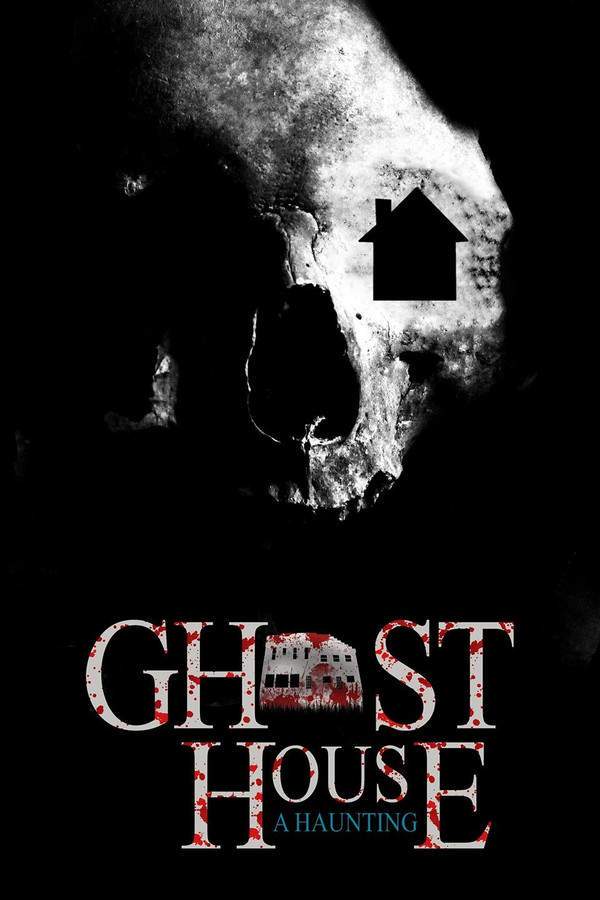
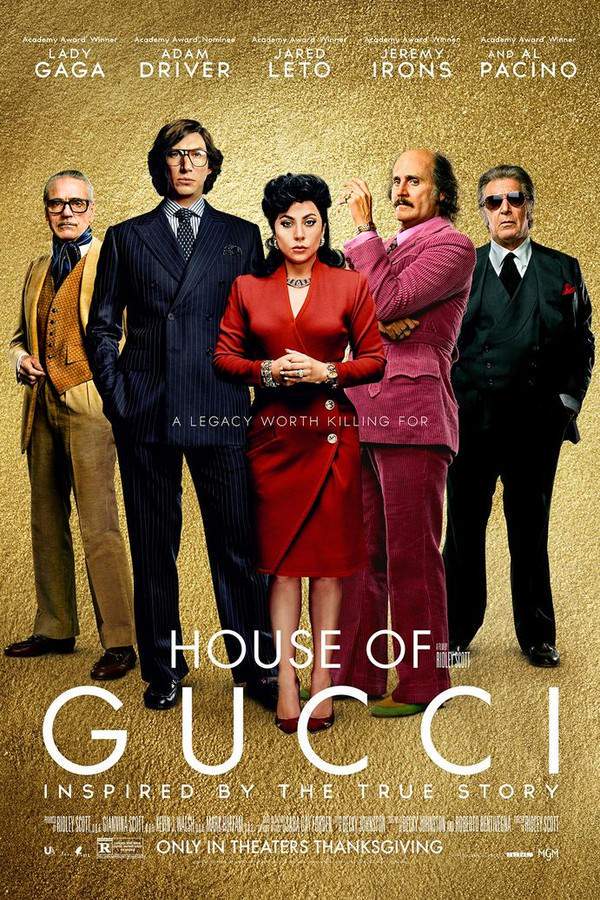
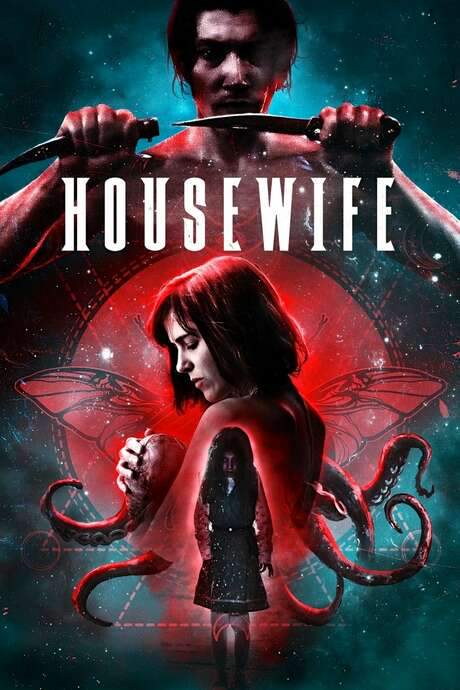




Quick Links: Summary, Cast, Ratings, More

What's After the Movie?
Not sure whether to stay after the credits? Find out!
Check out our other apps:

SAT Sphere
Build confidence for the Digital SAT.

Mori Atlas
Discover wild places worth protecting.

Luntero
Search smarter for a home in Amsterdam.

Plot Explained
Unravel movie endings and hidden clues.

Pokechamp
Dive into Pokémon data and battle logic.

Driving Theory
Get ready for your European theory test.

Movie Dust
Plan your next cinema trip with ease.

Musemap
Find art and culture as you travel.

Selkobase
Compare credentials before committing.

Local Manual
Turn an unfamiliar country into practical next steps.

Lernavi
Compare school systems before your next move.

GymRoam
Find a workout stop wherever your plans take you.
Explore Our Movie Platform
New Movie Releases (2026)
Famous Movie Actors
Top Film Production Studios
Movie Plot Summaries & Endings
Major Movie Awards & Winners
Best Concert Films & Music Documentaries
Movie Collections and Curated Lists
© 2026 What's After the Movie. All rights reserved.
Privacy Policy