The Cross of Lorraine 1943


MGM’s drama of the fighting French! French soldiers (Jean-Pierre Aumont, Gene Kelly) surrender to lying Nazis and are herded into a barbaric prison camp.


Does The Cross of Lorraine have end credit scenes?
No!
The Cross of Lorraine does not have end credit scenes. You can leave when the credits roll.
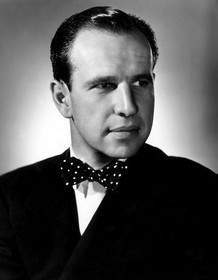
Meet the Full Cast and Actors of The Cross of Lorraine
Explore the complete cast of The Cross of Lorraine, including both lead and supporting actors. Learn who plays each character, discover their past roles and achievements, and find out what makes this ensemble cast stand out in the world of film and television.




External Links and Streaming Options
Discover where to watch The Cross of Lorraine online, including streaming platforms, rental options, and official sources. Compare reviews, ratings, and in-depth movie information across sites like IMDb, TMDb, Wikipedia or JustWatch.





Take the Ultimate The Cross of Lorraine Movie Quiz
Challenge your knowledge of The Cross of Lorraine with this fun and interactive movie quiz. Test yourself on key plot points, iconic characters, hidden details, and memorable moments to see how well you really know the film.
The Cross of Lorraine (1943) Quiz: Test your knowledge of the 1943 film The Cross of Lorraine, covering characters, plot points, and symbols from the story.
Which former army chaplain provides moral guidance to the prisoners before being killed?
Full Plot Summary and Ending Explained for The Cross of Lorraine
Read the complete plot summary of The Cross of Lorraine, including all major events, twists, and the full ending explained in detail. Explore key characters, themes, hidden meanings, and everything you need to understand the story from beginning to end.
As World War II unfolds, French servicemen from diverse backgrounds are drafted or enlisted, facing a harsh new reality as the conflict widens. After France falls in 1940, Marshal Philippe Pétain signs an armistice, and many soldiers are not repatriated home but instead transported to a brutal prison camp that tests every line of their resolve. In the bleak routine of confinement, the men find a measure of solace in Father Sebastian, a former army chaplain who offers quiet wisdom and moral steadiness, even as the violence around them grows more relentless and personal. Yet his faith and counsel are not enough to shield the camp from brutality, and he is ultimately killed, leaving a void that weighs on the prisoners.
Among the inmates, Duval begins to work the system with the guards to secure small comforts, a choice that sits uneasily beside his stubborn desire to keep hope alive. He also tries to recruit Paul, a fellow prisoner whose sense of duty and responsibility soon drives him toward a more active resistance. One night, a riotous push sends Duval into the yard and into the line of fire; the guards shoot him by mistake, an awakening moment that reveals the cruel arithmetic of power in the camp. In response, the Commandant enforces a brutal policy: every fourth prisoner will be executed, a policy meant to break minds and bend loyalties. He makes [Paul] watch the executions from his office, laying out the Nazi plan to indoctrinate future generations. He also points to Victor, confined in a neighboring cell, showing how complete domination can corrode a person’s will. Victor has, indeed, been shattered by the mistreatment and isolation.
Undeterred, [Paul] takes over Duval’s old responsibilities with a focus on helping his fellow prisoners endure and resist in small, meaningful ways. Part of his task involves moving scarce goods—perfume, silk garments, and other luxuries—from the hospital into Occupied France, aided by the cooperation of Sergeant Berger and the careful subterfuge of a hidden patient routine that helps them slip the contraband across the border under cover. The operation is risky and precise, a fragile lifeline in a camp designed to erase identity and agency. Eventually, [Paul] galvanizes the 15 men in his barracks to escape, slipping them away among a larger group of Alsatians being repatriated, a daring flight that threatens to unravel under the weight of a careful roll call.
The doctor on site ultimately chooses to stay behind, while Victor remains overwhelmed by fear, and [Paul] refuses to abandon him. The escape becomes a test of loyalty and courage, as the doctor sedates Victor and substitutes him for the soldier’s role, a risky ruse meant to shield the others from immediate pursuit. The moment is sealed with a whispered, staged defiance: > It’s hard to believe you’re the same Paul. > I’m not. The doctor warns that help on the outside is not guaranteed, and the two men press on, determined to reach safety despite the odds.
The escape party is pursued, but [Paul] stays with Victor, killing the guard in their path and guiding him across days of rough terrain. They are confronted by a lone boy who asks, “What cross do you bear?” When they do not answer with the Cross of Lorraine, the boy appears ready to shoot; Victor’s secret wounds—visible lashes carved into his chest—tell a silent, painful story of endured cruelty. The boy then directs them toward safety at René’s home in Cardignan, where friends rally to aid them and a broader plan takes shape: to join General Cartier’s forces in the mountains, bringing Victor into North Africa with them.
Tensions flare again when the Nazis arrive to requisition 50 men from the village for labor in Germany. [Paul] speaks plainly to the assembled townspeople, warning that promises of safe treatment are lies, and he is shot in the arm for his honesty. In a fierce act of collective resistance, Victor rises to kill the senior German officer, sparking a village-wide revolt. The locals overwhelm the Germans, who retreat, while the emboldened community arms itself with resolve. Knowing the danger isn’t over, René’s mother leads a grim, determined plan to burn Cardignan to prevent its occupation, and the people Danse into the mountains to join Cartier’s ranks. The film closes on the echo of La Marseillaise and a banner of the French flag bearing the Cross of Lorraine, signifying resilience, hope, and the enduring fight for freedom.

Coming soon on iOS and Android
The Plot Explained Mobile App
From blockbusters to hidden gems — dive into movie stories anytime, anywhere. Save your favorites, discover plots faster, and never miss a twist again.
Sign up to be the first to know when we launch. Your email stays private — always.
Explore the mobile appWatch Trailers, Clips & Behind-the-Scenes for The Cross of Lorraine
Watch official trailers, exclusive clips, cast interviews, and behind-the-scenes footage from The Cross of Lorraine. Dive deeper into the making of the film, its standout moments, and key production insights.
The Cross of Lorraine Themes and Keywords
Discover the central themes, ideas, and keywords that define the movie’s story, tone, and message. Analyze the film’s deeper meanings, genre influences, and recurring concepts.

Unlock the World of Movies with Our Comprehensive Wiki
Dive into our Movie Wiki for in-depth film encyclopedia entries, including cast biographies, production trivia, plot synopses, behind-the-scenes facts, and thematic analyses. Whether you’re researching iconic directors, exploring genre histories, or discovering hidden easter eggs, our expertly curated movie database has everything you need to fuel your cinematic passion.

Similar Movies To The Cross of Lorraine You Should Know About
Browse a curated list of movies similar in genre, tone, characters, or story structure. Discover new titles like the one you're watching, perfect for fans of related plots, vibes, or cinematic styles.




Quick Links: Summary, Cast, Ratings, More

What's After the Movie?
Not sure whether to stay after the credits? Find out!
Check out our other apps:

SAT Sphere
Build confidence for the Digital SAT.

Mori Atlas
Discover wild places worth protecting.

Luntero
Search smarter for a home in Amsterdam.

Plot Explained
Unravel movie endings and hidden clues.

Pokechamp
Dive into Pokémon data and battle logic.

Driving Theory
Get ready for your European theory test.

Movie Dust
Plan your next cinema trip with ease.

Musemap
Find art and culture as you travel.

Selkobase
Compare credentials before committing.

Local Manual
Turn an unfamiliar country into practical next steps.

Lernavi
Compare school systems before your next move.

GymRoam
Find a workout stop wherever your plans take you.
Explore Our Movie Platform
New Movie Releases (2026)
Famous Movie Actors
Top Film Production Studios
Movie Plot Summaries & Endings
Major Movie Awards & Winners
Best Concert Films & Music Documentaries
Movie Collections and Curated Lists
© 2026 What's After the Movie. All rights reserved.
Privacy Policy