The Charge of the Light Brigade 1968


Set amid the Crimean War of the 1850s, a British light cavalry unit under the domineering Lord Cardigan receives a misguided order and rides into a disastrous assault on a well‑positioned Russian artillery battery. The reckless charge results in heavy losses and has become synonymous with blind obedience to faulty commands.


Does The Charge of the Light Brigade have end credit scenes?
No!
The Charge of the Light Brigade does not have end credit scenes. You can leave when the credits roll.
Where to Watch The Charge of the Light Brigade
See current US streaming, rental, and purchase options for The Charge of the Light Brigade (1968) via JustWatch.

fuboTV
HD
MGM Plus
HD
MGM Plus Roku Premium Channel
HD
MGM+ Amazon Channel
HD
Philo
HD
Tubi TV
SD
Amazon Video
SD
Apple TV Store
HD
Fandango At Home
HD
Google Play Movies
SD
YouTube
SD Streaming availability powered by 
Meet the Full Cast and Actors of The Charge of the Light Brigade
Explore the complete cast of The Charge of the Light Brigade, including both lead and supporting actors. Learn who plays each character, discover their past roles and achievements, and find out what makes this ensemble cast stand out in the world of film and television.

John Gielgud
Lord Raglan

David Hemmings
Capt. Louis Edward Nolan

Vanessa Redgrave
Mrs Clarissa Morris
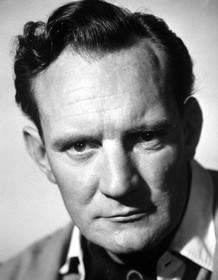
Trevor Howard
Lord Cardigan
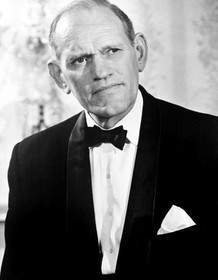
Harry Andrews
Lord Lucan

Laurence Harvey
Russian Prince (Uncredited)
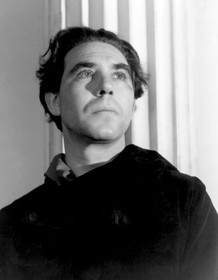
Donald Wolfit
'Macbeth'

Peter Bowles
Paymaster Capt. Duberly

Jill Bennett
Mrs. Fanny Duberly

Natasha Richardson
Flower Girl at Wedding (Uncredited)

Corin Redgrave
Capt. Featherstonhaugh
Mark Burns
Captain Morris
John Hallam
Officer
Rachel Kempson
Mrs Codrington
Leo Britt
General Scarlett
Andrew Faulds
Quaker Preacher
Ben Howard
Trumpeter Pridmore
Declan Mulholland
Farrier
Norman Rossington
TSM Corbett
Richard Graydon
Lord Bingham
Peter Woodthorpe
Cardigan's Valet
T. P. McKenna
William Russel
Barbara Hicks
Mrs Duberly's Maid
Ben Aris
Lt. Maxse
John J. Carney
Trooper Mitchell
Alan Dobie
Riding Master Mogg
Helen Cherry
Lady Scarlett
Mark Dignam
Gen. Airey
Derek Fuke
Trooper
Juba Kennerley
Party Guest (Uncredited)
Harry Fielder
Soldier (Uncredited)
James Payne
Trooper (Uncredited)
Willoughby Goddard
Squire
Micky Baker
Trooper Metcalfe
Mick Dillon
Highlander
Georges Douking
Marshall At. Arnaud
Dino Shafeek
Indian Servant
Howard Marion-Crawford
Lt. Gen. Sir George Brown
Derek Gray
Officer
Ambrose Coghill
Lt. Col. Douglas
Ernest Blyth
Army Officer Awaiting Posting (Uncredited)
Dido Plumb
Tramp (Uncredited)
Roger Mutton
Cornet Codrington
Christopher Chittell
Trooper
Christopher Cunningham
Farrier
Roy Pattison
RSM
John Trenaman
Sgt Smith
Colin Vancao
Capt. Charteris
Clive Endersby
Trooper
Ian Hanson
Singing Trooper
Valerie Newman
Mrs Mitchell
External Links and Streaming Options
Discover where to watch The Charge of the Light Brigade online, including streaming platforms, rental options, and official sources. Compare reviews, ratings, and in-depth movie information across sites like IMDb, TMDb, Wikipedia or JustWatch.





Take the Ultimate The Charge of the Light Brigade Movie Quiz
Challenge your knowledge of The Charge of the Light Brigade with this fun and interactive movie quiz. Test yourself on key plot points, iconic characters, hidden details, and memorable moments to see how well you really know the film.
The Charge of the Light Brigade Quiz: Test your knowledge of the 1968 film that dramatizes the Crimean War, its characters, and key events surrounding the infamous Charge of the Light Brigade.
Which actor portrayed Captain Louis Nolan?
Full Plot Summary and Ending Explained for The Charge of the Light Brigade
Read the complete plot summary of The Charge of the Light Brigade, including all major events, twists, and the full ending explained in detail. Explore key characters, themes, hidden meanings, and everything you need to understand the story from beginning to end.
Set against the Crimean War (1853–1856), the film dives into the folly of war and the brittle state of the British Army, where bureaucracy, class arrogance, and outdated tactics hobble leadership just as the empire marches into a brutal European conflict. The story centers on Captain Louis Nolan, David Hemmings, a relatively capable officer who earned his commission on merit rather than purchase, a rarity among his aristocratic peers who often treat subordinates’ lives as expendable. Nolan’s perspective is sharp and wary: he sees through the casual bravado of a system that prizes status over competence and he does not hesitate to challenge it.
His superior is the gruff Lord Cardigan, Trevor Howard, a man who wields the cavalry as his personal property and harbors a latent prejudice toward Nolan as an “Indian” officer accompanied by a native servant. Cardigan’s men epitomize the era’s contradictions: well enough equipped relative to the Russians, they still endure squalid living conditions and punitive discipline that crush morale and readiness. The air of entitlement among the officers contrasts with Nolan’s sharper sense of duty, and their clash becomes emblematic of the broader failures at the top of the command.
Britain’s overall leadership rests with Lord Raglan, John Gielgud, a Waterloo veteran whose amiable, vaguely indecisive nature makes him a weakly decisive commander in a time of mounting pressure. The cavalry, under his watch, is split from a rival force led by Lord Lucan, Harry Andrews, who commands the Cavalry Division with a steely but doctrinaire mindset. As campaign preparations unfold, Nolan is drawn into Raglan’s orbit as an aide, and the tensions of the top brass begin to erode the army’s coherence just as the front lines demand clarity and resolve.
The human dimension of the story widens with Clarissa Morris, Vanessa Redgrave, the wife of his best friend William Russel, T. P. McKenna. Clarissa’s presence adds a morally charged undercurrent to Nolan’s life, complicating loyalties and offering a private counterpoint to the public theater of war. Also present is Fanny Duberly, Jill Bennett, the paymaster’s wife who insists on accompanying the campaign to witness battle firsthand and who flirts with Cardigan during a period of rest and ostentatious leisure aboard his yacht. The interplay of personal desire, duty, and battlefield risk underlines how the war seeps into every corner of life.
As the British and their French allies push toward Sevastopol, the march is plagued by disease as cholera sweeps through the ranks, a cruel test of leadership and resilience. Nolan witnesses the army’s disarray up close—the slow, lumbering machinery of an officer corps that has not modernized in decades—while the campaign wins a narrow victory at Alma. Yet Raglan refuses to press the advantage, fearing the cavalry as an undamaged reserve rather than a vital instrument of decisive combat, and this misjudgment allows Russian troops to reinforce key routes to Sevastopol. The war becomes a protracted test of patience, logistics, and nerve, with the press at home feeding a narrative of progress that belies the reality on the ground.
In England, the war’s mismanagement continues to reverberate as the public narrative hides the true cost and the mounting casualties. The officers’ personal rivalries intensify, and Cardigan is shown retreating at times to his coastal yacht, where he entertains and seduces, sometimes at odds with the discipline his rank demands. Nolan, meanwhile, grows increasingly exasperated with the incompetent leadership around him; his unflinching sense of duty drives him toward a fateful confrontation with strategy and order that will define his career.
The turning point arrives at the Battle of Balaclava, a disaster born of miscommunication and misperception. Raglan issues an order that is ill-phrased or poorly understood, and Cardigan, who views the battlefield from a lower vantage, interprets the directive in a way that pushes his cavalry into a doomed charge. The valley before them splits into two routes: one toward an escaping enemy raiders, the other toward a heavily defended artillery battery and a reserve of Russian cavalry. Nolan, who has secured permission from his ally Captain Morris, Mark Burns to ride with Cardigan’s light brigade, realizes the danger but is unable to avert the tragedy in time. As the fateful line advances into the crushing fire of cannons, Nolan is struck down by shrapnel while attempting to warn Cardigan of the correct tactic.
There, my Lord, is your enemy and there are your guns!
The famous charge ends in near-total devastation for the British contingent, and Cardigan, though physically unharmed, emerges from the engagement embroiled in post-battle blame games and political maneuvering about who was to blame for the debacle. Nolan’s sacrifice—driven by a moment of moral clarity in the face of naval-like hubris at the top—reflects the film’s larger meditation on leadership, accountability, and the human cost of strategic incompetence.
Interwoven through the battle sequences are Richard Williams’s animations, a distinctive visual counterpoint modeled on Victorian-era cartoons. These sequences, presented throughout many scenes, reflect a journalism-driven mythology that glorifies British heroism while glossing over the harsher truths of the war. They serve as a sly commentary on the way the empire’s propaganda shapes public perception, even as the battlefield reveals the expensive costs of pride and misgovernance. The film culminates in a stark image: a sketch drawing of a rotten dead horse, a haunting visual shorthand for the collapse of heroic pretensions in the face of brutal reality.
In tone, the film maintains a careful, restrained neutrality while exposing the structural flaws that produced the catastrophe at Balaclava. It honors Nolan’s merit and moral courage, acknowledges Cardigan’s industrious but misguided leadership, and critiques the broader command structure that allowed a glorious military tradition to veer into tragedy. The cast’s performances—anchored by Nolan’s principled defiance, Raglan’s genial emptiness, Cardigan’s tyrannical pride, and the intertwined personal dramas—give a textured portrait of a war that was as much about failed institutions as it was about battlefield bravery. The result is a stark, reflective meditation on war’s cost, the limits of command, and the stubborn persistence of legacy—an enduring reminder of how history is shaped not just by battles won or lost, but by the choices of those who lead.

Coming soon on iOS and Android
The Plot Explained Mobile App
From blockbusters to hidden gems — dive into movie stories anytime, anywhere. Save your favorites, discover plots faster, and never miss a twist again.
Sign up to be the first to know when we launch. Your email stays private — always.
Explore the mobile appWatch Trailers, Clips & Behind-the-Scenes for The Charge of the Light Brigade
Watch official trailers, exclusive clips, cast interviews, and behind-the-scenes footage from The Charge of the Light Brigade. Dive deeper into the making of the film, its standout moments, and key production insights.
The Charge of the Light Brigade Themes and Keywords
Discover the central themes, ideas, and keywords that define the movie’s story, tone, and message. Analyze the film’s deeper meanings, genre influences, and recurring concepts.

Unlock the World of Movies with Our Comprehensive Wiki
Dive into our Movie Wiki for in-depth film encyclopedia entries, including cast biographies, production trivia, plot synopses, behind-the-scenes facts, and thematic analyses. Whether you’re researching iconic directors, exploring genre histories, or discovering hidden easter eggs, our expertly curated movie database has everything you need to fuel your cinematic passion.

Similar Movies To The Charge of the Light Brigade You Should Know About
Browse a curated list of movies similar in genre, tone, characters, or story structure. Discover new titles like the one you're watching, perfect for fans of related plots, vibes, or cinematic styles.


Quick Links: Summary, Cast, Ratings, More

What's After the Movie?
Not sure whether to stay after the credits? Find out!
Check out our other apps:

SAT Sphere
Build confidence for the Digital SAT.

Mori Atlas
Discover wild places worth protecting.

Luntero
Search smarter for a home in Amsterdam.

Plot Explained
Unravel movie endings and hidden clues.

Pokechamp
Dive into Pokémon data and battle logic.

Driving Theory
Get ready for your European theory test.

Movie Dust
Plan your next cinema trip with ease.

Musemap
Find art and culture as you travel.

Selkobase
Compare credentials before committing.

Local Manual
Turn an unfamiliar country into practical next steps.

Lernavi
Compare school systems before your next move.

GymRoam
Find a workout stop wherever your plans take you.
Explore Our Movie Platform
New Movie Releases (2026)
Famous Movie Actors
Top Film Production Studios
Movie Plot Summaries & Endings
Major Movie Awards & Winners
Best Concert Films & Music Documentaries
Movie Collections and Curated Lists
© 2026 What's After the Movie. All rights reserved.
Privacy Policy