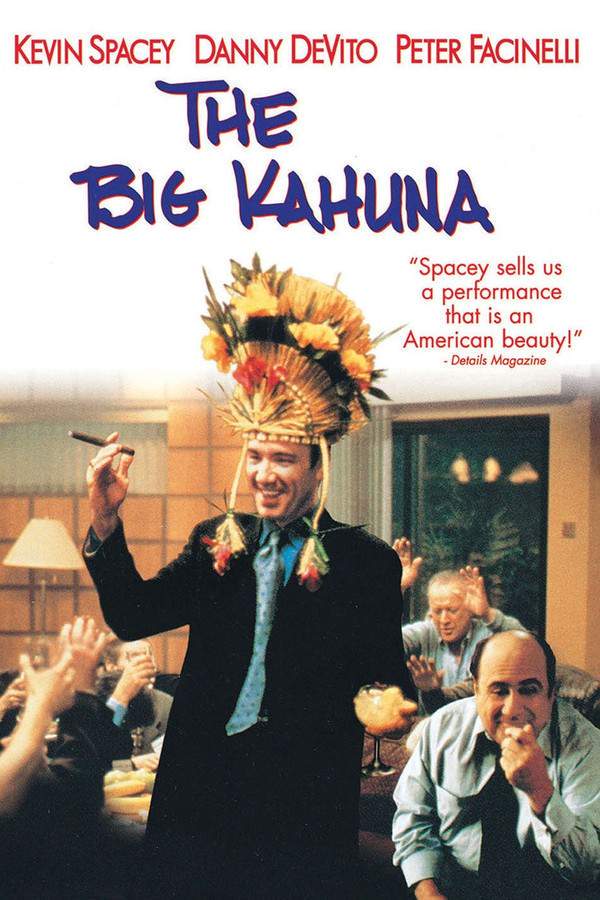
The Big Kahuna 1999



Three industrial‑lubricant salesmen sit in their company’s hospitality suite at a manufacturers’ convention, anxiously awaiting the arrival of the influential “big kahuna,” Dick Fuller. They hope to convince him to place a pivotal order that could rescue the firm’s faltering sales.


Does The Big Kahuna have end credit scenes?
No!
The Big Kahuna does not have end credit scenes. You can leave when the credits roll.
Where to Watch The Big Kahuna
See current US streaming, rental, and purchase options for The Big Kahuna (1999) via JustWatch.


Streaming availability powered by 
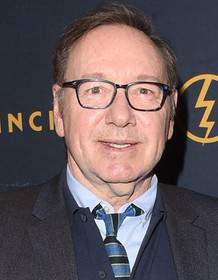
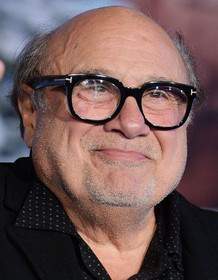
Meet the Full Cast and Actors of The Big Kahuna
Explore the complete cast of The Big Kahuna, including both lead and supporting actors. Learn who plays each character, discover their past roles and achievements, and find out what makes this ensemble cast stand out in the world of film and television.


External Links and Streaming Options
Discover where to watch The Big Kahuna online, including streaming platforms, rental options, and official sources. Compare reviews, ratings, and in-depth movie information across sites like IMDb, TMDb, Wikipedia or Rotten Tomatoes.








Take the Ultimate The Big Kahuna Movie Quiz
Challenge your knowledge of The Big Kahuna with this fun and interactive movie quiz. Test yourself on key plot points, iconic characters, hidden details, and memorable moments to see how well you really know the film.
The Big Kahuna Quiz: Test your knowledge of the 1999 film *The Big Kahuna*, its characters, themes, and key plot points.
Which actor portrays the seasoned marketing representative Larry Mann?
Full Plot Summary and Ending Explained for The Big Kahuna
Read the complete plot summary of The Big Kahuna, including all major events, twists, and the full ending explained in detail. Explore key characters, themes, hidden meanings, and everything you need to understand the story from beginning to end.
Larry Mann and Phil Cooper are two seasoned marketing representatives for an industrial lubricants company, heading to a trade convention in the Midwestern city of Wichita, Kansas. They bring along a younger colleague, Bob Walker, a diligent researcher from their department who isn’t quite as worn by the industry’s grind as they are. The trio arrives at the hotel and settles into a hospitality suite, where long years of friendship and shared stories color every exchange. Larry carries the weight of looming financial pressure, a pressure he keeps veiled in casual remarks, while Phil has recently navigated a difficult period in his own life through an alcoholism recovery. Bob, by contrast, speaks with a calm conviction and a sense of purpose grounded in his Baptist faith and his straightforward, earnest outlook.
The central mission they’ve built their evening around is clear but ambitious: to secure a pivotal meeting with Dick Fuller, the CEO of a large corporation who people in their circle refer to as the Big Kahuna. The phrase hints at a coveted prize in the business world, and the men gear up to present their pitch with a blend of grit, humor, and hard-won know-how. As they wait for the downstairs convention buzz to wind down, they lean on each other to develop a sense of character—what to share, what to reveal, and what to listen for—in a setting that until now has rewarded slickness more than honesty. They even assign Bob the task of being the evening’s bartender, a practical exercise in reading rooms and steering conversations. The hotel setting becomes a stage where their past camaraderie, their individual frailties, and their professional ambitions all intersect in real time.
Bob spends the evening stepping into the role of host, moving through a hotel crowd with a polite, unassuming ease. The odds of a straightforward sales pitch begin to look remote, as the conversations drift toward people’s lives, beliefs, and curiosities rather than the company’s lubricants. The more Bob chats, the more he encounters opportunities to relate on a human level rather than to brand a product. He even ends up invited by a guest—an invitation tied to the private party at another hotel—that pulls him deeper into the social fabric of the convention. The Big Kahuna, an emblem of corporate power in this world, appears in the mix as a figure people try to reach and impress, a symbol of the threshold Bob is trying to cross.
Meanwhile, Larry and Phil watch Bob’s approach with a mix of nerves and reluctant admiration. They coach him on how to deliver a pitch that can land a meeting with Fuller, translating complex technical benefits into digestible, human terms. They emphasize the art of listening, the value of making genuine connections, and the importance of trust between people as the true currency of business. Bob, however, returns from his rounds with a startling development: he didn’t lean into the lubricant story at all. Instead, he spent his time talking about religion, faith, and the larger questions of meaning. The moment lands with a shocking impact on Larry, who is blindsided by this turn of events and feels his own sense of purpose tested.
The spark of tension between Bob’s religious focus and the trio’s sales mission leads to a charged confrontation. Larry challenges Bob, and the room fills with a quiet, unsettled tension as the truth of Bob’s choice sinks in. In response, Phil steps in with a grounded, pragmatic perspective that reframes the conflict not as a failure of Bob, but as a lesson about honesty and connection. He explains that proselytizing is, in a sense, another form of selling—one that hinges on trust and on the ability to see the other person as a fellow human being rather than a potential customer. Phil’s insight points to a deeper truth about their work: genuine human-to-human contact requires openness, a willingness to listen, and a real interest in the other person’s life and beliefs.
Phil goes further to articulate why the three of them have stayed friends for so long. The bedrock of their relationship is trust, a trust that allows them to share vulnerabilities, admit mistakes, and grow through them. He tells Bob that meaningful character development will only come when he can recognize what he ought to regret and allow that recognition to guide his future choices. The conversation, frank and sometimes difficult, reframes the evening from a simple sales exercise into a meditation on character, responsibility, and the ways people change when they choose to be more honest with themselves and with others.
The next morning, as they prepare to part ways, Phil packs up his things and Larry checks out. In the lobby, they glimpse Bob again, still engaged with the Big Kahuna, exchanging a knowing smile as it becomes clear that Bob is continuing to pursue his own path—one that foregrounds conviction and a different form of communication. The moment feels like a quiet acknowledgment of growth, even if the outcome of the meeting with Fuller remains uncertain. The film closes on an evocative note, with the credits accompanied by a rendition of the timeless civic essay set to music: Everybody’s Free (to Wear Sunscreen), a reflective piece attributed to Mary Schmich that underscores the film’s themes of life, choices, and the delicate art of navigating human connections.
Notes:
- The cast references used in this summary include linked at first mention to the respective actor pages: Larry Mann, Phil Cooper, Bob Walker, Ron Komora, and Paul Dawson where applicable.

Coming soon on iOS and Android
The Plot Explained Mobile App
From blockbusters to hidden gems — dive into movie stories anytime, anywhere. Save your favorites, discover plots faster, and never miss a twist again.
Sign up to be the first to know when we launch. Your email stays private — always.
Explore the mobile appWatch Trailers, Clips & Behind-the-Scenes for The Big Kahuna
Watch official trailers, exclusive clips, cast interviews, and behind-the-scenes footage from The Big Kahuna. Dive deeper into the making of the film, its standout moments, and key production insights.
Cars Featured in The Big Kahuna
Explore all cars featured in The Big Kahuna, including their makes, models, scenes they appear in, and their significance to the plot. A must-read for car enthusiasts and movie buffs alike.
The Big Kahuna Themes and Keywords
Discover the central themes, ideas, and keywords that define the movie’s story, tone, and message. Analyze the film’s deeper meanings, genre influences, and recurring concepts.
The Big Kahuna Other Names and Titles
Explore the various alternative titles, translations, and other names used for The Big Kahuna across different regions and languages. Understand how the film is marketed and recognized worldwide.
Similar Movies To The Big Kahuna You Should Know About
Browse a curated list of movies similar in genre, tone, characters, or story structure. Discover new titles like the one you're watching, perfect for fans of related plots, vibes, or cinematic styles.



Quick Links: Summary, Cast, Ratings, More

What's After the Movie?
Not sure whether to stay after the credits? Find out!
Check out our other apps:

SAT Sphere
Build confidence for the Digital SAT.

Mori Atlas
Discover wild places worth protecting.

Luntero
Search smarter for a home in Amsterdam.

Plot Explained
Unravel movie endings and hidden clues.

Pokechamp
Dive into Pokémon data and battle logic.

Driving Theory
Get ready for your European theory test.

Movie Dust
Plan your next cinema trip with ease.

Musemap
Find art and culture as you travel.

Selkobase
Compare credentials before committing.

Local Manual
Turn an unfamiliar country into practical next steps.

Lernavi
Compare school systems before your next move.

GymRoam
Find a workout stop wherever your plans take you.
Explore Our Movie Platform
New Movie Releases (2026)
Famous Movie Actors
Top Film Production Studios
Movie Plot Summaries & Endings
Major Movie Awards & Winners
Best Concert Films & Music Documentaries
Movie Collections and Curated Lists
© 2026 What's After the Movie. All rights reserved.
Privacy Policy