The Agony and the Ecstasy 1965


Set in the Italian Renaissance, Pope Julius II commissions Michelangelo to sculpt a tomb of forty statues. When the pope later orders the Sistine Chapel ceiling, Michelangelo doubts his abilities and initially abandons it. Inspired anew, he returns, but his artistic vision clashes with the pope’s demanding temperament, endangering the masterpiece.


Does The Agony and the Ecstasy have end credit scenes?
No!
The Agony and the Ecstasy does not have end credit scenes. You can leave when the credits roll.
Where to Watch The Agony and the Ecstasy
See current US streaming, rental, and purchase options for The Agony and the Ecstasy (1965) via JustWatch.






Meet the Full Cast and Actors of The Agony and the Ecstasy
Explore the complete cast of The Agony and the Ecstasy, including both lead and supporting actors. Learn who plays each character, discover their past roles and achievements, and find out what makes this ensemble cast stand out in the world of film and television.
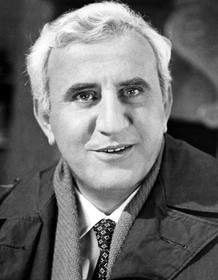
Adolfo Celi
Giovanni de' Medici

Harry Andrews
Bramante

Venantino Venantini
Paride de Grassis

Charlton Heston
Michelangelo

Alec McCowen
Cardinal

Richard Pearson
Cardinal
Diane Cilento
Contessina de'Medici
Rex Harrison
Papa Giulio II
Tomas Milian
Raffaello Sanzio
Andrea Giordana
aiutante di Michelangelo
John Stacy
Giuliano da Sangallo
Rosalba Neri
Seductive Woman (uncredited)
Marvin Miller
Narrator (uncredited)
Maxine Audley
Woman
Alberto Lupo
Duca di Urbino
Furio Meniconi
contadino
Fausto Tozzi
uomo
Paolo Magalotti
guardia svizzera
Adolfo Pezzini
uomo alla cava
External Links and Streaming Options
Discover where to watch The Agony and the Ecstasy online, including streaming platforms, rental options, and official sources. Compare reviews, ratings, and in-depth movie information across sites like IMDb, TMDb, Wikipedia or Box Office Mojo.





Take the Ultimate The Agony and the Ecstasy Movie Quiz
Challenge your knowledge of The Agony and the Ecstasy with this fun and interactive movie quiz. Test yourself on key plot points, iconic characters, hidden details, and memorable moments to see how well you really know the film.
The Agony and the Ecstasy (1965) Quiz: Challenge your knowledge of the 1965 film that dramatizes Michel Michelangelo's struggle to paint the Sistine Chapel ceiling.
Which Pope commissions Michelangelo to paint the ceiling of the Sistine Chapel?
Full Plot Summary and Ending Explained for The Agony and the Ecstasy
Read the complete plot summary of The Agony and the Ecstasy, including all major events, twists, and the full ending explained in detail. Explore key characters, themes, hidden meanings, and everything you need to understand the story from beginning to end.
The film opens in a documentary style, tracing the life and work of Michelangelo as he emerges from the bustling world of Renaissance Florence to leave an indelible mark on Christian art. Set against the backdrop of the early 16th century, it follows the celebrated sculptor as he toils on grand statues near St. Peter’s Basilica and then faces a monumental challenge: a commission from Pope Julius II to paint the Sistine Chapel ceiling. At first, Michelangelo is resistant, dismayed by the ceiling’s paneled layout and the idea of covering the vast canopy with scenes from the Bible. Yet the Pope’s insistence overpowers his misgivings, and he begins a project that will test his endurance and vision.
The creation process is tumultuous. Michelangelo is unhappy with the initial results and destroys the frescoes, retreating to Carrara and then into the mountains where he finds renewed inspiration in the natural world. He returns to Rome with a renewed resolve, and the ceiling slowly takes shape in a surge of technical innovation and artistic risk. The project progresses under the gaze of the Papal court, facing stiff criticism from cardinals who object to the nudity depicted in the scenes. The work stretches across months and years, and Michelangelo’s health falters under the strain, leaving him to be cared for by Contessina de’Medici, daughter of his old friend Lorenzo de’ Medici. The story highlights the toll of genius in endurance, isolation, and the relentless pressure to deliver.
As the ceiling nears completion, the mood shifts with competing ambitions. Michelangelo learns that he is at risk of being replaced by Raphael, who has been commissioned to decorate the Papal palace’s reception rooms. The political winds shift again as the War of the League of Cambrai threatens the Papal States, and the Pope abruptly ends Michelangelo’s contract, ordering the scaffolding taken down. Yet the young rival’s admiration for Michelangelo’s work persuades him to urge the master to finish the ceiling, and Michelangelo travels to see the ailing Pope to plead for renewed patronage. The Pope’s dilemma—facing invasion yet needing art to reaffirm faith—drives a late revival of support and funds to resume work.
One night, Michelangelo confronts the Pope as he surveys God depicted in The Creation of Adam, a moment that crystallizes the Pope’s faith and his own doubts about divine mercy and human innocence. The Pope’s health worsens, but his final resolve propels the artist forward. Although many expect the Pope to die, he rallies the will to live and to see the project through, even as he dismisses the attendance of the court and clergy and insists on personal control over the final arc of the work. With war turning in Rome’s favor and a solemn Mass celebrating the ceiling’s completion, the project’s future feels secure—yet the Pope presses Michelangelo to secure a tomb and, later, to craft a new fresco behind the altarpiece, offering subjects such as the crucifixion or the Last Judgment. The Pope asserts that Michelangelo’s understanding of God is true and worthy, urging him to continue. As the Pope departs, Michelangelo glances back toward the hidden space behind the altarpiece, a space that would eventually cradle the Last Judgment, painted about twenty-five years later, sealing the artist’s lifelong dialogue between faith, power, and art.

Coming soon on iOS and Android
The Plot Explained Mobile App
From blockbusters to hidden gems — dive into movie stories anytime, anywhere. Save your favorites, discover plots faster, and never miss a twist again.
Sign up to be the first to know when we launch. Your email stays private — always.
Explore the mobile appWatch Trailers, Clips & Behind-the-Scenes for The Agony and the Ecstasy
Watch official trailers, exclusive clips, cast interviews, and behind-the-scenes footage from The Agony and the Ecstasy. Dive deeper into the making of the film, its standout moments, and key production insights.
The Agony and the Ecstasy Themes and Keywords
Discover the central themes, ideas, and keywords that define the movie’s story, tone, and message. Analyze the film’s deeper meanings, genre influences, and recurring concepts.
The Agony and the Ecstasy Other Names and Titles
Explore the various alternative titles, translations, and other names used for The Agony and the Ecstasy across different regions and languages. Understand how the film is marketed and recognized worldwide.
Similar Movies To The Agony and the Ecstasy You Should Know About
Browse a curated list of movies similar in genre, tone, characters, or story structure. Discover new titles like the one you're watching, perfect for fans of related plots, vibes, or cinematic styles.








Quick Links: Summary, Cast, Ratings, More

What's After the Movie?
Not sure whether to stay after the credits? Find out!
Check out our other apps:

SAT Sphere
Build confidence for the Digital SAT.

Mori Atlas
Discover wild places worth protecting.

Luntero
Search smarter for a home in Amsterdam.

Plot Explained
Unravel movie endings and hidden clues.

Pokechamp
Dive into Pokémon data and battle logic.

Driving Theory
Get ready for your European theory test.

Movie Dust
Plan your next cinema trip with ease.

Musemap
Find art and culture as you travel.

Selkobase
Compare credentials before committing.

Local Manual
Turn an unfamiliar country into practical next steps.

Lernavi
Compare school systems before your next move.

GymRoam
Find a workout stop wherever your plans take you.
Explore Our Movie Platform
New Movie Releases (2026)
Famous Movie Actors
Top Film Production Studios
Movie Plot Summaries & Endings
Major Movie Awards & Winners
Best Concert Films & Music Documentaries
Movie Collections and Curated Lists
© 2026 What's After the Movie. All rights reserved.
Privacy Policy