Sweet Liberty 1986


Academic Michael Burgess, author of a book on the American Revolution, sees his life shattered when Hollywood buys the film rights and a crew arrives in town. Actors demand character changes, directors re‑stage battles, and Michael falls for Faith, female lead, while dealing with his eccentric mother’s delusions and a girlfriend seeking commitment.

Does Sweet Liberty have end credit scenes?
No!
Sweet Liberty does not have end credit scenes. You can leave when the credits roll.
Meet the Full Cast and Actors of Sweet Liberty
Explore the complete cast of Sweet Liberty, including both lead and supporting actors. Learn who plays each character, discover their past roles and achievements, and find out what makes this ensemble cast stand out in the world of film and television.

Michael Caine
Elliott James

Michelle Pfeiffer
Faith Healy

John C. McGinley
Floyd
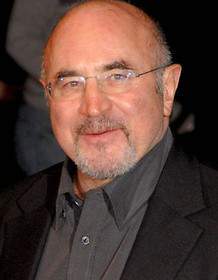
Bob Hoskins
Stanley Gould

Alan Alda
Michael Burgess

Lynne Thigpen
Claire

Saul Rubinek
Bo Hodges
Leo Burmester
Hank
Robert Schenkkan
Helicopter Pilot
Timothy Carhart
Eagleton, Stunt Coordinator
Lillian Gish
Cecelia Burgess
Lois Chiles
Leslie
Dann Florek
Jesse
Alvin Alexis
Male Student
Linda Thorson
Grace James
Diana Agostini
Nurse
Frank Ferrara Sr.
Lopert
Antony Alda
Film Crew Member
Richard Whiting
Johnny Delvechio
Bonnie Deroski
Female Student
Fred Sanders
Soundman
Lise Hilboldt
Gretchen Carlsen
Larry Shue
Bill Edson
Polly Rowles
Mrs. Delvechio
External Links and Streaming Options
Discover where to watch Sweet Liberty online, including streaming platforms, rental options, and official sources. Compare reviews, ratings, and in-depth movie information across sites like IMDb, TMDb, Wikipedia or JustWatch.







Full Plot Summary and Ending Explained for Sweet Liberty
Read the complete plot summary of Sweet Liberty, including all major events, twists, and the full ending explained in detail. Explore key characters, themes, hidden meanings, and everything you need to understand the story from beginning to end.
Michael Burgess, the history professor Michael Burgess, is about to see his fact-based Revolutionary War novel adapted into a Hollywood movie. The project promises to star the egotistical Elliott James, a swaggering actor who is playing Banastre Tarleton in the film, alongside the apparently gentle Method actress Faith Healy. The production plans to shoot in the fictional college town of Sayeville, North Carolina, where Burgess teaches and where the clash between scholarship and show business will play out in vivid, chaotic detail.
From the start, Burgess’s excitement is tempered by the on-set power dynamics. A low-brow scriptwriter, Bob Hoskins, and a condescending director, Saul Rubinek, reshape the novel into a steamy spectacle that foregrounds lust and betrayal, with nudity and distortions of historical fact. The transformation irritates Burgess, who struggles to hold onto the integrity of the history he set out to honor. On the sidelines, his mother, Cecilia Burgess, drifts into delusion, convinced that she’s being poisoned and that the Devil lurks in her kitchen, adding a personal, eerie twist to the professional chaos.
Meanwhile Burgess wrestles with his own heart. He has been unsuccessfully trying to convince his girlfriend, Gretchen Carlsen, to move in with him, but the film’s temptations pull him elsewhere. He finds himself drawn to Faith Healy, believing her to embody the essence of the character she’s portraying, and this attraction blossoms into an affair that further unsettles Burgess’s already fragile life. The filmmaker’s star power and the lure of Hollywood begin to blur the lines between fiction and reality, forcing Burgess to confront what he values most.
The romantic entanglements ripple outward. Gretchen Carlsen finds her own desires shifting as she becomes entangled in Elliott James’s flirtations, while Elliott himself pushes boundaries by trying to woo the college president’s wife, Leslie. The tension thickens as Elliott’s wife, Grace James, arrives on set, complicating loyalties and stirring old resentments. The set becomes a theater of jealousy, power plays, and public humiliations, with fencing duels that heighten the sense of a battlefield played out off the stage as well as on it.
Despite the chaos, Burgess seeks to reclaim some dignity for history. He discovers that Faith is not what he imagined; she’s not simply a faithful echo of the film’s hero, and his disillusionment with the Hollywood machine deepens. Still, the personal and professional lines blur, and Burgess finds solace and conflict in his evolving relationship with Faith, even as he grapples with how far he’ll go to protect the truth of his book.
Beyond the romance, the film’s tension erupts into rebellion among the locals. Extras from a Revolutionary War reenactor company, who are mocked by the film crew, unite with Burgess to push back against the arrogance of the industry. He intentionally injects a rough, more accurate touch into the project, trading the flattering gloss for something messier but truer to history. The clash climaxes in a disastrous yet revelatory recreation of the Battle of Cowpens, where explosives are used and a prop building is destroyed at a crucial moment, illustrating the spectacle’s reckless disregard for authenticity.
As Burgess’s plan to subvert the production unfolds, he asks the locals to seize the moment: after the smack of destruction, they celebrate with a bold, unapologetic dance in front of the camera, a stark inversion of the studio’s rules about propriety and spectacle. The film’s crew eventually departs, leaving behind nothing but the memory of a town that staged its own version of history, wrestling with the truth in the process.
In the final act, the premiere arrives with a mix of triumph and tension. Burgess has reshaped the film in small, stubborn ways, and the town’s reaction to the finished product is subdued but honest. When a Hollywood reporter asks, how does it feel “to see history come alive,” Burgess meets the moment with a quiet, looping glance that speaks louder than any liner note or press blurb. The town, and Burgess’s personal life, end up moving forward with unresolved answers but with a deeper appreciation for the complexities of telling history on screen.
“to see history come alive”

Coming soon on iOS and Android
The Plot Explained Mobile App
From blockbusters to hidden gems — dive into movie stories anytime, anywhere. Save your favorites, discover plots faster, and never miss a twist again.
Sign up to be the first to know when we launch. Your email stays private — always.
Explore the mobile appDiscover Film Music Concerts Near You – Live Orchestras Performing Iconic Movie Soundtracks
Immerse yourself in the magic of cinema with live orchestral performances of your favorite film scores. From sweeping Hollywood blockbusters and animated classics to epic fantasy soundtracks, our curated listings connect you to upcoming film music events worldwide.
Explore concert film screenings paired with full orchestra concerts, read detailed event information, and secure your tickets for unforgettable evenings celebrating legendary composers like John Williams, Hans Zimmer, and more.


Cars Featured in Sweet Liberty
Explore all cars featured in Sweet Liberty, including their makes, models, scenes they appear in, and their significance to the plot. A must-read for car enthusiasts and movie buffs alike.
Sweet Liberty Themes and Keywords
Discover the central themes, ideas, and keywords that define the movie’s story, tone, and message. Analyze the film’s deeper meanings, genre influences, and recurring concepts.
Sweet Liberty Other Names and Titles
Explore the various alternative titles, translations, and other names used for Sweet Liberty across different regions and languages. Understand how the film is marketed and recognized worldwide.
Similar Movies To Sweet Liberty You Should Know About
Browse a curated list of movies similar in genre, tone, characters, or story structure. Discover new titles like the one you're watching, perfect for fans of related plots, vibes, or cinematic styles.



Quick Links: Summary, Cast, Ratings, More

What's After the Movie?
Not sure whether to stay after the credits? Find out!
Check out our other apps:

SAT Sphere
Build confidence for the Digital SAT.

Mori Atlas
Discover wild places worth protecting.

Luntero
Search smarter for a home in Amsterdam.

Plot Explained
Unravel movie endings and hidden clues.

Pokechamp
Dive into Pokémon data and battle logic.

Driving Theory
Get ready for your European theory test.

Movie Dust
Plan your next cinema trip with ease.

Musemap
Find art and culture as you travel.

Selkobase
Compare credentials before committing.

Local Manual
Turn an unfamiliar country into practical next steps.

Lernavi
Compare school systems before your next move.

GymRoam
Find a workout stop wherever your plans take you.
Explore Our Movie Platform
New Movie Releases (2026)
Famous Movie Actors
Top Film Production Studios
Movie Plot Summaries & Endings
Major Movie Awards & Winners
Best Concert Films & Music Documentaries
Movie Collections and Curated Lists
© 2026 What's After the Movie. All rights reserved.
Privacy Policy