
Straw (2025): Cast, Ratings, Ending & Where to Watch
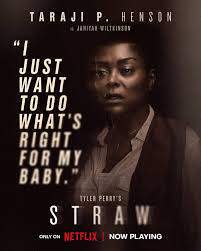
Straw is a 2025 drama thriller directed by Tyler Perry, starring Taraji P. Henson as Janiyah Wiltkinson, Teyana Taylor and Sherri Shepherd. It runs 1 hour 45 minutes. Critics gave it 56 on Metacritic, and IMDb users rate it 6.5/10. Stream it on Netflix.
- Released
- Runtime
- 1h 45m (105 min)
- Director
- Tyler Perry
- Studio
- Tyler Perry Studios
- After the credits
- No No extra scene
What Is Straw About?
The premise of Straw without spoilers. The whole story and the ending explained are in the plot summary further down.
A mother's challenging day spirals into disaster as she desperately tries to care for her sick daughter. Faced with mounting difficulties and a lack of support, she is pushed to her breaking point. The situation forces her to make difficult decisions while navigating a system that offers little assistance, leading to increasingly chaotic circumstances.
Straw Themes & Keywords
· 50 tags- one word title
- hospital
- alarm
- noodles
- hot
- fans
- fan
- girl listens to music on headphones
- sweating
- science project
- eviction notice
- girl wears glasses
+38 more Show fewer
- backpack
- mother daughter relationship
- it was a good day
- african american
- landlady
- elementary school
- cashier
- name tag
- lunch money
- money
- long line
- boss employee relationship
- cell phone call
- cell phone
- bank
- bank account
- homeless man
- raining
- medication
- social worker
- rain
- road rage
- car wreck
- police officers
- police officer
- fired
- police
- threats
- gun pointed at someone
- man in wheelchair
- check
- detective
- screaming
- shooting someone
- blood
- telephone call
- cameras
- calling police
Where to Watch Straw
Stream it on Netflix. US availability and prices from JustWatch.
Stream 2
 Netflix
  Netflix Standard with Ads
 Streaming availability in the US, powered by 
Straw Cast & Characters
Taraji P. Henson leads the cast as Janiyah Wiltkinson, with Teyana Taylor as Detective Kay Raymond and Sherri Shepherd as Nicole. Directed by Tyler Perry; 20 actors are credited in all.
-
 Director Tyler Perry
-
 Taraji P. Henson as Janiyah Wiltkinson
 -
 Teyana Taylor as Detective Kay Raymond
 -
 Sherri Shepherd as Nicole
 -
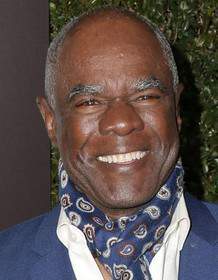 Glynn Turman as Richard
Also Starring in Straw
· 16 more- Sinbad Benny
- Derek Phillips Agent Bryce
- Rockmond Dunbar Chief Wilson
- Tilky Jones Officer Oliver
- Fracaswell Hyman Marvin
- Shalet Monique Rayah Dunnam
- Katrina Nelson Officer Sam
- Jâms Thomas Officer Black
- Zac Zedalis Louis Jones
- Justin James Boykin Dan
- Ashley Versher Tessa George
- Mike Merrill Detective Grimes
- Diva Tyler Isabella
- Anthony E. Williams Officer Dickson
- Doris Woodruff Dorothy
- Jeremy J. Anderson Justin
Straw Reviews & Ratings
Critics gave Straw 56 on Metacritic, and IMDb users rate it 6.5/10. Our Echo Score gives it 55/100, strongest in character & emotion (88) and weakest in rewatch factor (30).
Straw Echo Score Breakdown
Straw’s strengths lie in its unflinching exploration of systemic failure and a commanding central performance that evokes empathy. Critics and audiences note the film’s emotional intensity and social relevance, but many point to pervasive melodrama and narrative contrivances as limiting factors. The direction exhibits moments of effective tension yet often veers into heavy-handed staging. While the thematic ambition is clear, uneven execution in storytelling and art direction tempers the film’s overall impact.
Our own 0–100 rating, built from five aspects: art, character, story, the sensory experience and how well a film rewatches.
- Art & Craft 55
In terms of direction and cinematography, Straw exhibits an overtly dramatic style that often veers into excess. Several scenes rely on contrived plot developments and heavy-handed staging that undermine visual cohesion. While certain sequences achieve atmospheric tension, the frequent manipulation of imagery and abrupt tonal shifts limit the film’s craftsmanship. Overall, the art direction feels uneven and occasionally undermines the intended emotional impact.
- Character & Emotion 88
The character portrayal is anchored by a compelling central performance that evokes vulnerability and quiet strength. Taraji P. Henson’s nuanced portrayal of trauma and resolve consistently grounds the narrative. Supporting cast members deliver earnest interactions that contribute to emotional resonance. Despite occasional lapses into melodramatic expression, the performances largely sustain audience empathy. Net impression: character work is a core asset of the film.
- Story & Flow 50
The narrative structure is marked by intent but undermined by predictable tropes and forced coincidences. The pacing oscillates between measured tension and abrupt escalation, leading to uneven engagement. Some moments achieve genuine emotional impact through social relevance, yet frequent melodramatic contrivances detract from coherence. In sum, the story offers necessary thematic content but struggles with balanced execution.
- Sensory Experience 50
In terms of auditory and visual design, the film opts for a straightforward presentation without distinctive stylistic flourishes. The soundtrack underscores emotional high points but lacks memorable themes, and sound design remains functional rather than immersive. Visually, the color palette is muted and consistent but rarely innovates. Overall, the sensory elements support the drama without elevating it.
- Rewatch Factor 30
When it comes to replay value, Straw’s intense atmosphere and raw emotion may resonate initially but lose impact over subsequent viewings. The film’s reliance on heavy-handed dramatics and familiar plot devices detracts from lasting appeal. While the central performance remains engaging, repetitive thematic beats and narrative excesses reduce incentives for repeat viewing. Net impression: limited rewatch potential.
-
 IMDb
IMDb 6.5 /10
32397 votes
See on IMDb -
 Metacritic
 56 Metascore
User score 6.0
See on Metacritic -
 TMDB
TMDB 76% User score
See on TMDB
Straw Plot Summary & Ending Explained
What happens in Straw from start to finish, spoilers included, with a timeline of 12 key events and the ending explained. The opening is below; the full summary is a 4-minute read.
Spoilers ahead
Janiyah Wiltkinson, a Taraji P. Henson, is a single mother struggling to make ends meet while caring for her frequently ill daughter, Aria. Their modest apartment is run-down, and daily life is filled with stress and hardship. One morning, as Janiyah prepares Aria for school and bathes her, she sternly warns Aria not to touch her science project, which is an important part of her schoolwork. Aria, frustrated by her limitations and unable to bathe herself, complains about the fact that her teacher announced her mother couldn’t afford her lunch, adding to Janiyah’s worries about finances.
Full summary
The whole story of Straw, scene by scene, with the ending explained
Straw Trailers & Videos
The trailer of Straw.
How Well Do You Know Straw?
9 questions about the story, each with a hint if you get stuck. Pick an answer to see whether you were right.
Question 1 of 9
- Question 1: not answered
- Question 2: not answered
- Question 3: not answered
- Question 4: not answered
- Question 5: not answered
- Question 6: not answered
- Question 7: not answered
- Question 8: not answered
- Question 9: not answered
Who portrays the single mother Janiyah Wiltshire in the film?
Cars in Straw
46 cars on screen, including the 2003 Honda Civic and the 2010 Chevrolet Camaro.
-
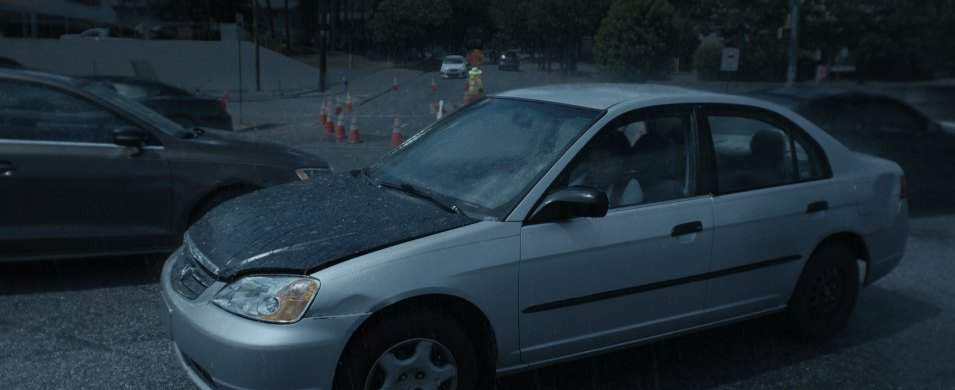 2003 Honda Civic Main role
 -
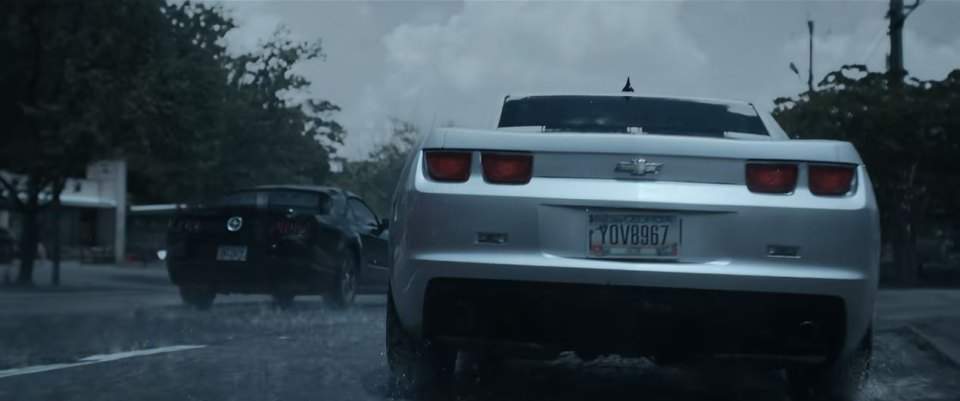 2010 Chevrolet Camaro Important role
 -
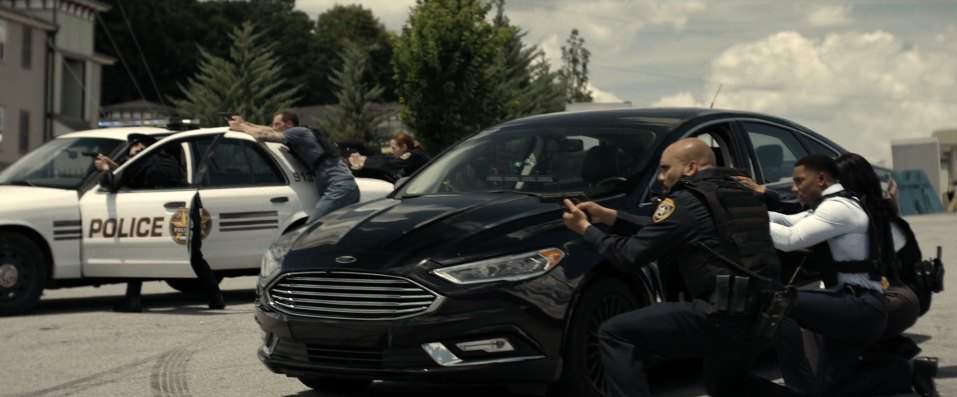 2017 Ford Fusion Important role
 -
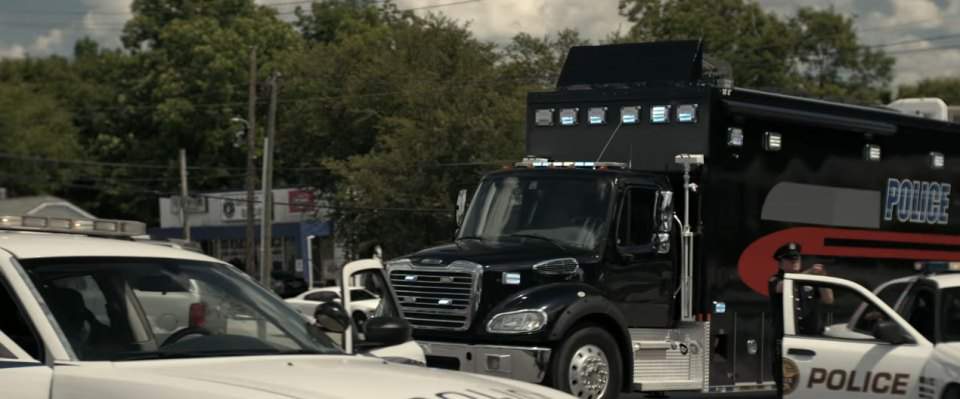 2002 Freightliner Business Class M2 106 Important role
Straw Also Known As
29 alternative titles, including “Tyler Perry's STRAW” and “타일러 페리의 벼랑 끝에 서서”.
- Also known as
-
- Tyler Perry's STRAW
- 타일러 페리의 벼랑 끝에 서서
- 救命稻草
- Até a Última Gota de Tyler Perry
- À bout
- ฟางเส้นสุดท้าย
- Крапля
- Até a Última Gota
- 絕境末路
- 벼랑 끝에 서서
- Ostatnia kropla
- Harta
+17 more Show fewer
- 绝境末路
- A legutolsó csepp
- STRAW: Giọt nước tràn ly
- Poslední kapka
- STRAW - Senza uscita
- הקש האחרון
- Son Damla
- القشة الأخيرة
- Kap
- स्ट्रॉ
- Τελευταία Σταγόνα
- A Última Gota
- ストロー: 絶望の淵で
- PICĂTURA
- Последняя капля
- Последната капка
- Кап, ჩალის ფასი
Seen Straw?
Movies Like Straw
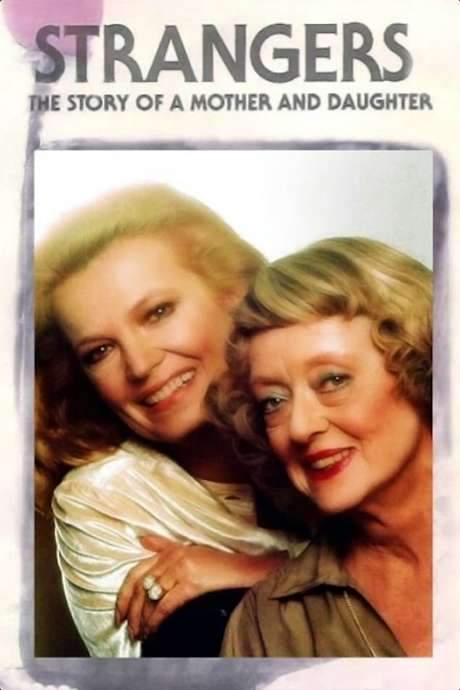
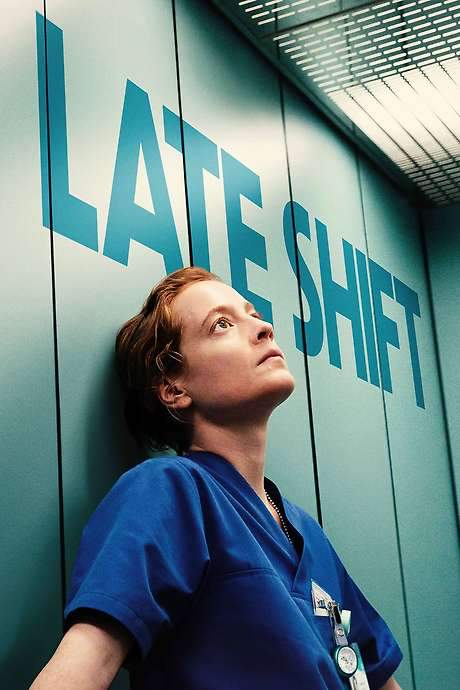
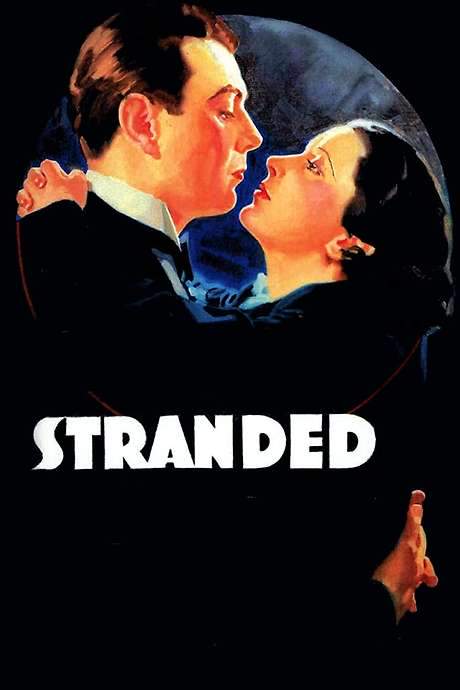
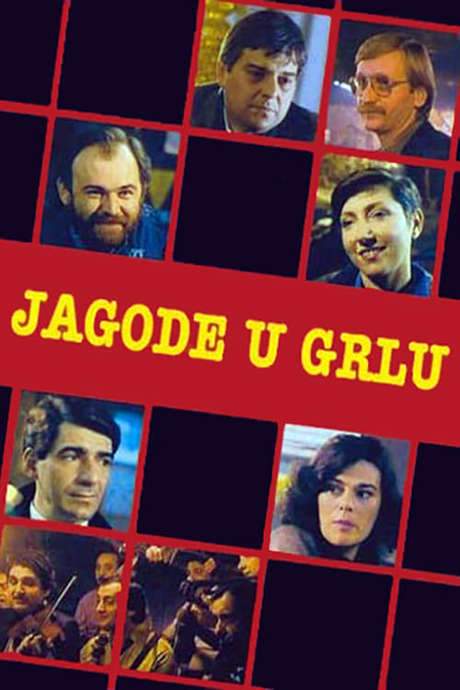
Films with a similar story, tone or audience, including Stranded, The Strays and Strangers: The Story of a Mother and Daughter.







Straw FAQ: Where to Watch, Cast & Runtime
Runtime, release date, director, cast, where to watch, ratings and post-credit scenes of Straw, each answered in a sentence.
How long is Straw?
Straw runs 1 hour 45 minutes (105 minutes).
When was Straw released?
Straw was released on June 6, 2025.
Who directed Straw?
Straw was directed by Tyler Perry.
More films by Tyler Perry Who is in the cast of Straw?
Straw stars Taraji P. Henson as Janiyah Wiltkinson, Teyana Taylor as Detective Kay Raymond and Sherri Shepherd as Nicole, among 20 credited actors.
Where can I watch Straw?
In the US, Straw is streaming on Netflix (availability from JustWatch).
How is Straw rated?
Straw has 6.5/10 on IMDb, 56 on Metacritic and 76% on TMDB.
Does Straw have a post-credit scene?
No. Straw has no extra scene during or after the credits.
Coming soon to your phone
The Plot Explained Movie Summary App
From blockbusters to hidden gems: plot summaries, endings explained and timelines on your phone. Save your favorites and never miss a twist again.
Be the first to know when it launches. Your email stays private, always. Learn more about the app
