Shenandoah 1965


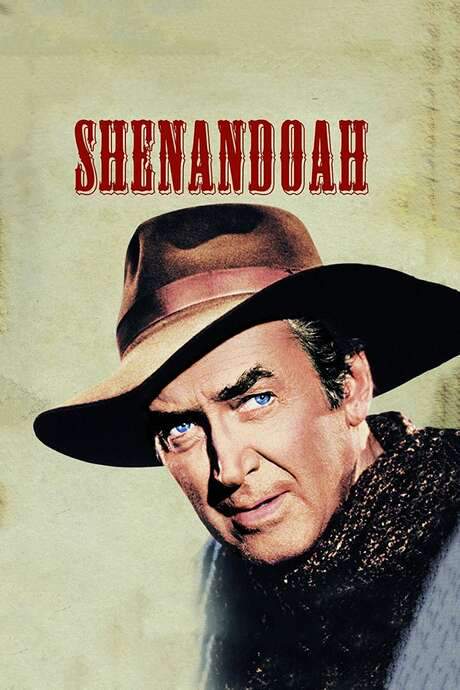
Two mighty armies trample the Shenandoah valley, and a stubborn farming family stands against both. Charlie Anderson, a Virginia farmer, is drawn into the Civil War he tried to ignore when his youngest son is captured by Union forces, forcing the Andersons to confront the conflict head‑on.

Does Shenandoah have end credit scenes?
No!
Shenandoah does not have end credit scenes. You can leave when the credits roll.
Where to Watch Shenandoah
See current US streaming, rental, and purchase options for Shenandoah (1965) via JustWatch.







Meet the Full Cast and Actors of Shenandoah
Explore the complete cast of Shenandoah, including both lead and supporting actors. Learn who plays each character, discover their past roles and achievements, and find out what makes this ensemble cast stand out in the world of film and television.
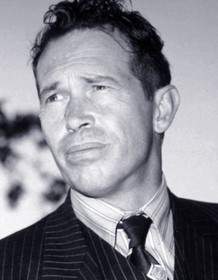
Warren Oates
Billy Packer
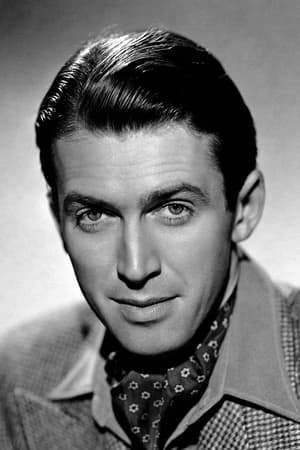
James Stewart
Charlie Anderson

Paul Fix
Dr. Tom Witherspoon
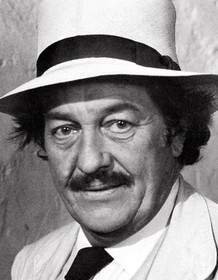
Strother Martin
Train Engineer
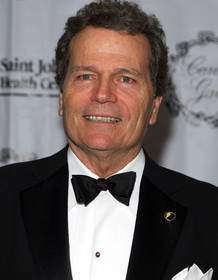
Patrick Wayne
James Anderson
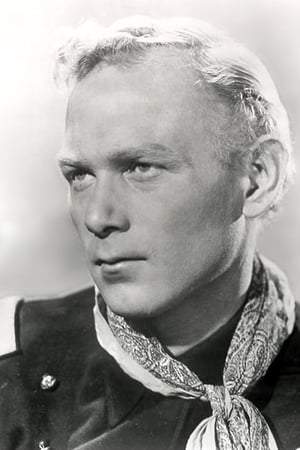
Harry Carey Jr.
Jenkins - Rebel Soldier
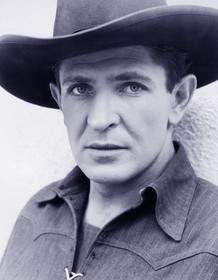
Bob Steele
Union Train Guard
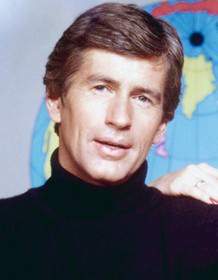
Jim McMullan
John Anderson
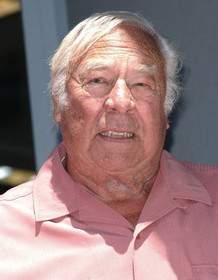
George Kennedy
Col. Fairchild

Katharine Ross
Mrs. Ann Anderson

Tim McIntire
Henry Anderson
Beverly Randolph
Baby Martha Anderson
Denver Pyle
Pastor Bjoerling
Kelly Thordsen
Carroll - Federal Purchasing Agent
Dabbs Greer
Abernathy
Glenn Corbett
Jacob Anderson
James Best
Carter, Rebel Soldier
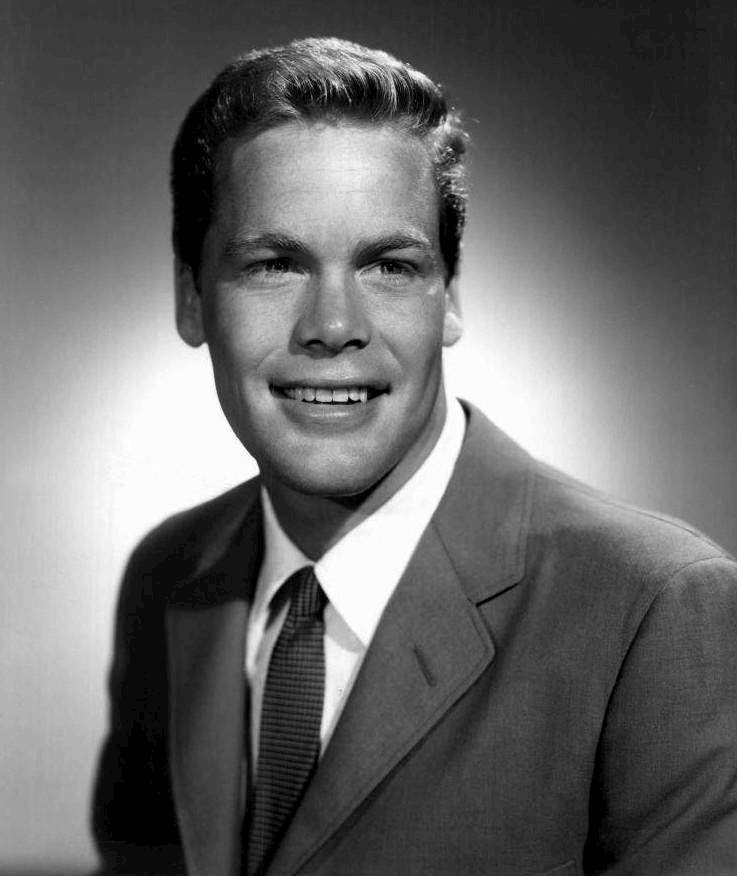
Doug McClure
Lt. Sam
Gary Grimes
Choirboy
Colin Kenny
Church Member
Charles Robinson
Nathan
Max Wagner
Church Member
Rosemary Forsyth
Jennie Anderson
Kevin Hagen
Mule - Rebel Deserter
Tom Simcox
Lt. Johnson
Chuck Roberson
Rebel Commander with Mustache
Phillip Alford
Boy Anderson
Gene Jackson
Gabriel
Berkeley Harris
Capt. Richards
External Links and Streaming Options
Discover where to watch Shenandoah online, including streaming platforms, rental options, and official sources. Compare reviews, ratings, and in-depth movie information across sites like IMDb, TMDb, Wikipedia or JustWatch.






Take the Ultimate Shenandoah Movie Quiz
Challenge your knowledge of Shenandoah with this fun and interactive movie quiz. Test yourself on key plot points, iconic characters, hidden details, and memorable moments to see how well you really know the film.
Shenandoah (1965) Quiz: Test your knowledge of the 1965 film Shenandoah with these ten questions ranging from easy to challenging.
Which actor portrays the patriarch Charlie Anderson?
Full Plot Summary and Ending Explained for Shenandoah
Read the complete plot summary of Shenandoah, including all major events, twists, and the full ending explained in detail. Explore key characters, themes, hidden meanings, and everything you need to understand the story from beginning to end.
In the Commonwealth of Virginia in 1864, as the Civil War presses on, Charlie Anderson [James Stewart] and his six sons—Jacob [Warren Oates], John [Jim McMullan], James [Patrick Wayne], Nathan [Charles Robinson], Henry [Tim McIntire], and Boy [Phillip Alford]—tend the family farm while his daughter Jennie [Rosemary Forsyth] and daughter-in-law Ann keep the house. The family has no slaves. Charlie attends church every week and sees himself as a God-fearing man, yet he rarely credits God for anything and tends to take credit for himself, especially during dinner prayers. He blames God for taking his wife, and his stubborn pride often clashes with the needs of a family trying to hold together amid a surrounding war that seems to threaten to swallow them all.
The war’s shadow falls directly on the Andersons when Jennie is courted by Sam, a young Confederate officer who wants to marry her. After the vows are spoken at a nearby church, a corporal waiting in the rear arrives to fetch Sam, who leaves with a heavy heart, while Jennie endures the mixed joy of a future interrupted. Not long after, Ann goes into labor, and the newborn Martha is welcomed into the world, named in honor of Charlie’s late wife, a small beacon of life amid upheaval.
Out near the fields, Boy and his friend Gabriel stumble onto a Confederate ambush and flee into a quiet pond. Boy is captured by a Union patrol, mistaken for a Rebel due to the cap he wears. Gabriel, who has been told he is free, hurries to tell the Andersons the news and then heads toward the uncertainty of his own future. When Charlie and the family learn of Boy’s capture, they rally to search for him, leaving James and Ann to stay at the farm with the newborn Martha.
The Andersons first press toward a nearby Union camp, hoping for a lead. They are told there are no prisoners there, but Colonel Fairchild points them toward a potential location where Confederate prisoners are shipped North by rail. The depot captain refuses to look through the cars, claiming he has schedules to keep. Charlie refuses to accept that denial: he mounts a roadblock on the tracks, disarms the Union guards, and forces his way to look through the boxcars himself. Boy is not among the prisoners, and as Charlie prepares to ride off, he spots Sam among the liberated men and learns that Sam plans to burn the train and send the fighters home, acknowledging the South’s slender odds in the war.
Boy’s fate drifts toward a new peril when he is moved to another Confederate POW camp and befriended by Carter [James Best], a Rebel soldier who dreams of escape. Carter decides to run with Boy, and the two slip away aboard a paddle wheeler and slip into the southward night. They come upon a Confederate camp only to be met by a fierce Federal assault, during which Carter is killed and Boy is wounded in the leg. A Union soldier corners him, but the hand that tries to close around him belongs to Gabriel, now serving with the Union Army, who helps Boy hide in the brush until the danger passes.
Back at the Anderson homestead, the war intrudes with brutal force. Confederate scavengers raid the place, and in the raid they kill James [Patrick Wayne] and attack Ann. On their return along the road, a young sentry from a Confederate unit fires at them, killing Jacob [Warren Oates] in a single moment as the sound of hoofbeats and rifles fills the air. Charlie’s breath catches as he asks the sentry his age, and the answer—sixteen—drives home the loss with unbearable force. In a quiet, devastating moment, Charlie reveals the deepest hunger of a father: he wants the sixteen-year-old to live, to grow old, to have many sons, so that he can truly understand what it feels like to lose one of his own. The sentry weeps, a boy in a man’s world who has learned too much too soon.
When the Andersons return to the house, the doctor explains how James and Ann have fallen, and Martha survives under the watch of a black nanny. Charlie cradles the baby and feels a pain so intimate that it stops him in his tracks at the table, where he tries to begin his usual blessing but cannot finish the prayer. He wanders to the family graveyard, where he sees the fresh soil of his wife’s grave and the stones that bear the names of James, Jacob, and Ann. The toll of the losses feels almost unbearable, and he hears church bells in the distance as if to remind him of his own failed attempt at grace.
Yet the living insist on faith and ritual. The family dresses for church, arriving late as they always do, but the sight of Boy—now with a crutch—limps toward the pew and is welcomed by the father’s steady, soft smile. Charlie’s face softens into a moment of tenderness as he places his son beside him, and the congregation rises in a unison hymn that fills the room with a fragile, stubborn hope. The bells toll again, not to mark a requiem, but to affirm resilience: a family that has endured loss, found love anew in Martha, and learned finally to share the burden of prayer and memory with a community that will endure alongside them.
Along the way, the film threads through a broader cast of faces who witness and participate in the upheaval. The Reverend Bjoerling [Denver Pyle] offers a quiet counterpoint to Charlie’s striving for moral clarity, even as the mood remains steeped in hardship. The world outside—represented by Abernathy [Dabbs Greer], a figure touched by the conflict in his own way, and Capt. Richards [Berkeley Harris], who embodies the military machinery of its time—lurks in the background, reminding the viewer that the war’s reach stretches far beyond any single family. Within this tapestry, the film preserves a sense of lived history—the daily rituals, the stubborn routines, and the moments of tenderness that keep a family tethered to one another when so much seems uncertain.
This is a story about a household held together by stubborn loyalty and stubborn faith, about a father who discovers that to protect his kin may require embracing the consequences of a war he never invited into his own front yard. It is a meditation on the costs of pride, the salve of family, and the quiet power of small acts—like the decision to attend church together, to tell stories of the dead, and to welcome a new life into the world—even when the world outside refuses to grant peace. The final scene, with Boy entering the church as if it were a harbor, and Charlie stepping forward to guide him to the pew, leaves a lingering image: a family and a town choosing to believe in restoration, one hymn at a time.

Coming soon on iOS and Android
The Plot Explained Mobile App
From blockbusters to hidden gems — dive into movie stories anytime, anywhere. Save your favorites, discover plots faster, and never miss a twist again.
Sign up to be the first to know when we launch. Your email stays private — always.
Explore the mobile appWatch Trailers, Clips & Behind-the-Scenes for Shenandoah
Watch official trailers, exclusive clips, cast interviews, and behind-the-scenes footage from Shenandoah. Dive deeper into the making of the film, its standout moments, and key production insights.
Shenandoah Themes and Keywords
Discover the central themes, ideas, and keywords that define the movie’s story, tone, and message. Analyze the film’s deeper meanings, genre influences, and recurring concepts.
Shenandoah Other Names and Titles
Explore the various alternative titles, translations, and other names used for Shenandoah across different regions and languages. Understand how the film is marketed and recognized worldwide.
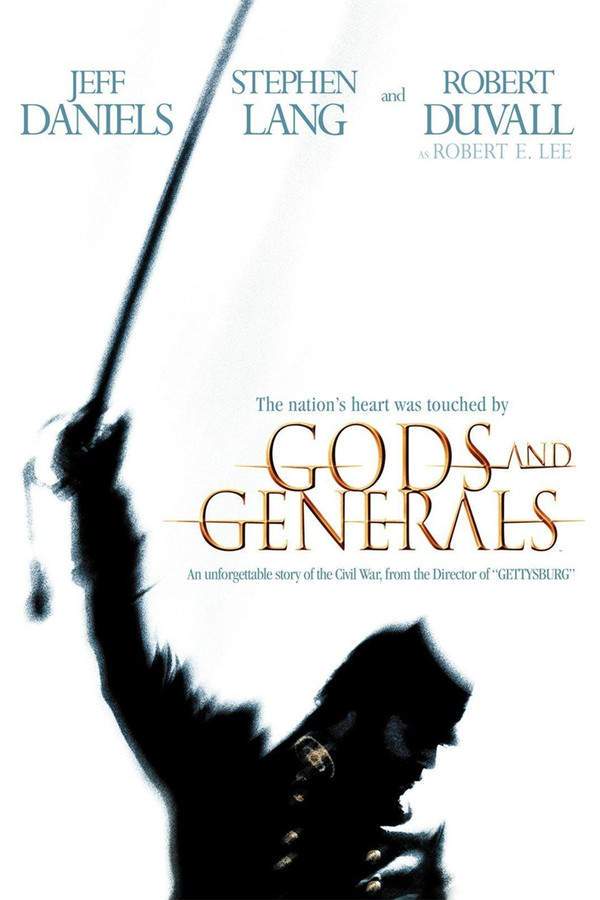
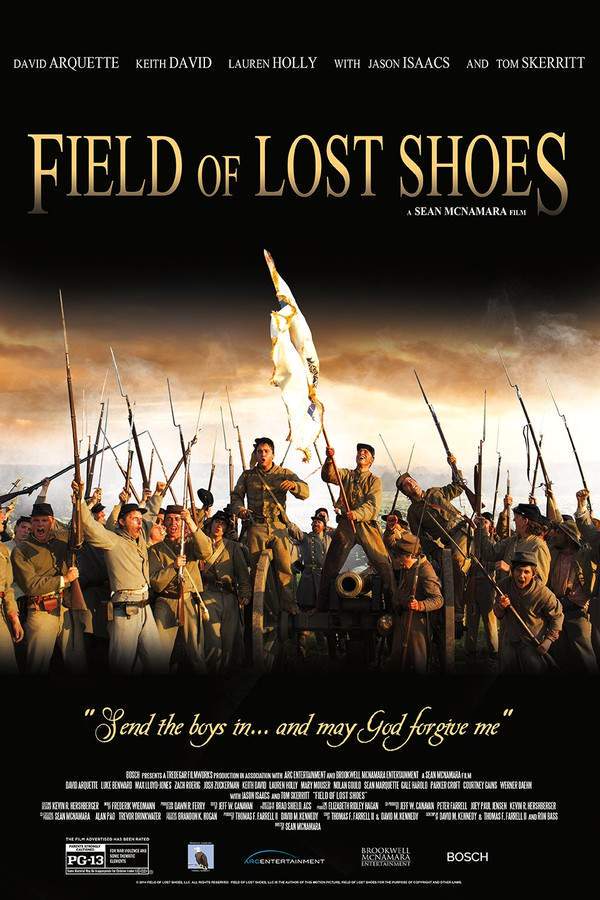
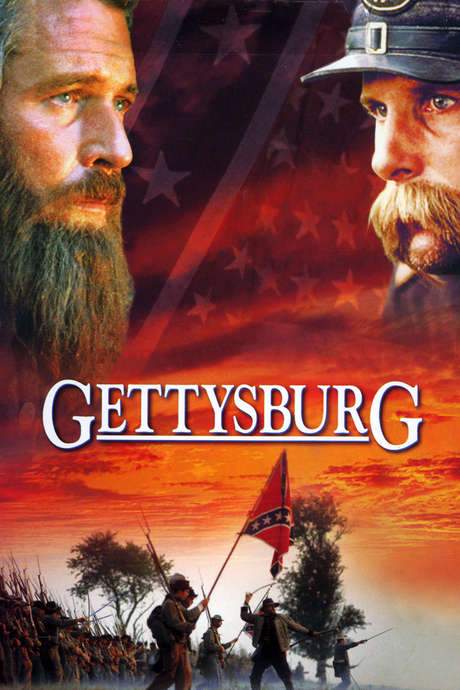
Similar Movies To Shenandoah You Should Know About
Browse a curated list of movies similar in genre, tone, characters, or story structure. Discover new titles like the one you're watching, perfect for fans of related plots, vibes, or cinematic styles.




Quick Links: Summary, Cast, Ratings, More

What's After the Movie?
Not sure whether to stay after the credits? Find out!
Check out our other apps:

SAT Sphere
Build confidence for the Digital SAT.

Mori Atlas
Discover wild places worth protecting.

Luntero
Search smarter for a home in Amsterdam.

Plot Explained
Unravel movie endings and hidden clues.

Pokechamp
Dive into Pokémon data and battle logic.

Driving Theory
Get ready for your European theory test.

Movie Dust
Plan your next cinema trip with ease.

Musemap
Find art and culture as you travel.

Selkobase
Compare credentials before committing.

Local Manual
Turn an unfamiliar country into practical next steps.

Lernavi
Compare school systems before your next move.

GymRoam
Find a workout stop wherever your plans take you.
Explore Our Movie Platform
New Movie Releases (2026)
Famous Movie Actors
Top Film Production Studios
Movie Plot Summaries & Endings
Major Movie Awards & Winners
Best Concert Films & Music Documentaries
Movie Collections and Curated Lists
© 2026 What's After the Movie. All rights reserved.
Privacy Policy