Sergeant Ryker 1968


In the midst of the Korean War, Sergeant Paul Ryker is arrested on charges of defecting to Communist China and returning as a spy. Court‑martialed and sentenced to death, his fervent defense attorney insists on his innocence and fights for a retrial, turning the case into a gripping battle between loyalty, doubt, and justice.


Does Sergeant Ryker have end credit scenes?
No!
Sergeant Ryker does not have end credit scenes. You can leave when the credits roll.
Meet the Full Cast and Actors of Sergeant Ryker
Explore the complete cast of Sergeant Ryker, including both lead and supporting actors. Learn who plays each character, discover their past roles and achievements, and find out what makes this ensemble cast stand out in the world of film and television.

Lee Marvin
Sgt. Paul Ryker

Murray Hamilton
Capt. Appleton

Norman Fell
Sgt. Max Winkler

Walter Brooke
Col. Arthur Merriam

Vera Miles
Ann Ryker
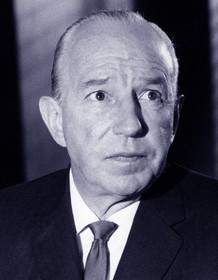
Lloyd Nolan
Gen. Amos Bailey
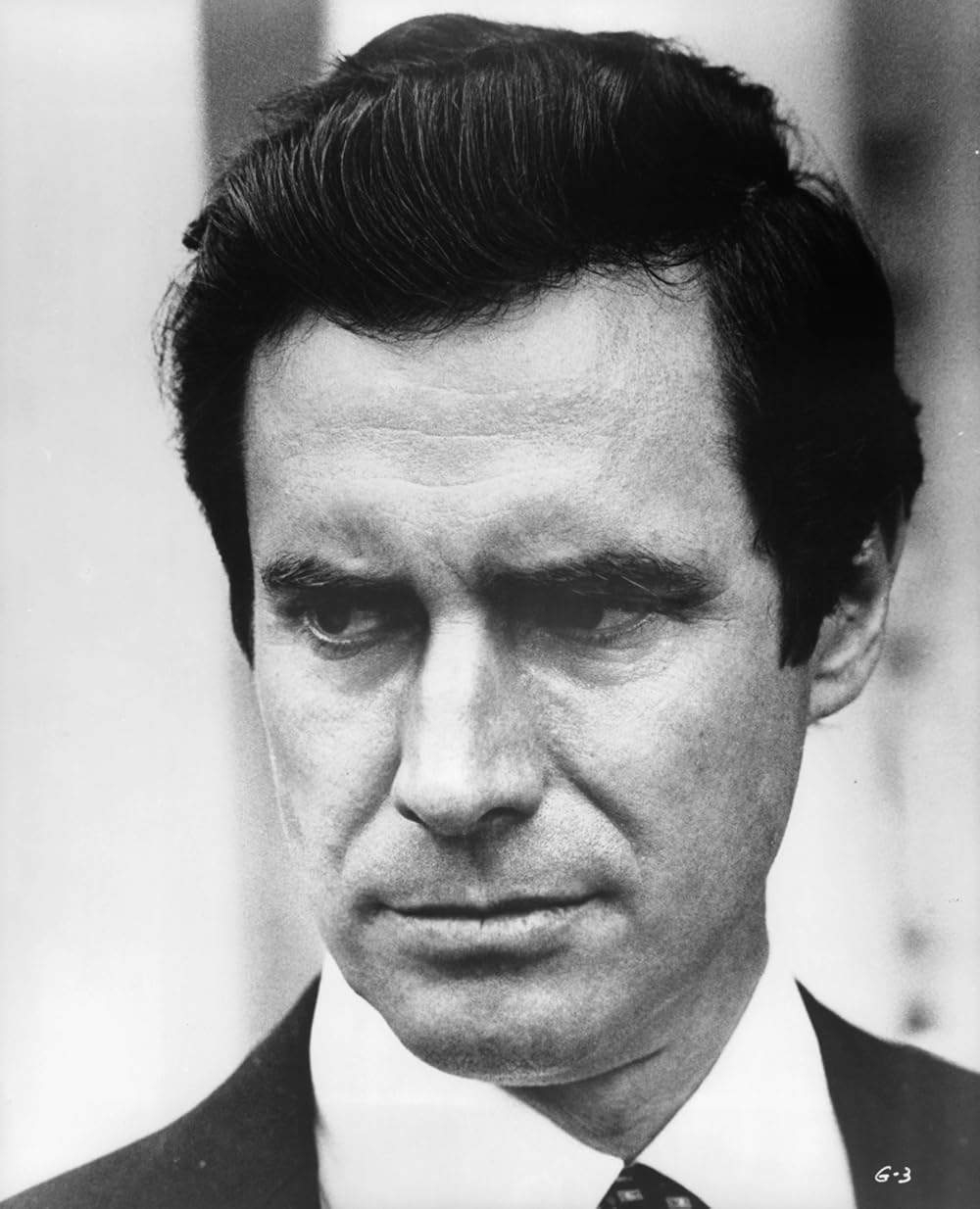
Bradford Dillman
Capt. David Young

Peter Graves
Maj. Whitaker
Charles Aidman
Maj. Kitchener - The Law Officer
Don Marshall
Cpl. Jenks
Stuart Nisbet
President of the Court
George N. Neise
Thomas MacKnight
Francis De Sales
President of the Court
External Links and Streaming Options
Discover where to watch Sergeant Ryker online, including streaming platforms, rental options, and official sources. Compare reviews, ratings, and in-depth movie information across sites like IMDb, TMDb, Wikipedia or Rotten Tomatoes.





Full Plot Summary and Ending Explained for Sergeant Ryker
Read the complete plot summary of Sergeant Ryker, including all major events, twists, and the full ending explained in detail. Explore key characters, themes, hidden meanings, and everything you need to understand the story from beginning to end.
Sgt. Ryker, Lee Marvin, is an American soldier charged with treason during the Korean War, court-martialed, convicted, and sentenced to death. The verdict sets off a tense chain of events that centers on what really happened during a mission that may have been more complex than the army admits. The weight of the case rests on a mix of stubborn duty, fading memories, and the contours of loyalty that stretch beyond the battlefield.
Ryker’s wife, Ann Ryker, Vera Miles, refuses to believe her husband is guilty. She argues that his defense was woefully inadequate and that he was on a secret mission assigned by a superior officer who has since died and cannot testify to Ryker’s account. Her insistence casts a personal light on the legal drama, hinting at unseen pressures and a possible misreading of the military chain of command. The film keeps her perspective as a persistent thread, showing how a spouse’s faith can complicate a courtroom battle.
Capt. David Young, Bradford Dillman, initially appears convinced of Ryker’s guilt, yet he recognizes the defense was lacking. He presses the commanding general to grant Ryker a retrial, but with a crucial twist: Young must serve as Ryker’s defense counsel. It is a paradoxical setup that puts Young in the uncomfortable role of advocate and, at times, accused party within his own system. Ryker himself has already resigned himself to his fate, and he requires steady persuasion to participate in the second trial, even as his mistrust of the process lingers.
As the retrial unfolds, the evidence seems damning and the difficulty of painting an alternate version of events grows. The best Young can do is argue that Ryker’s account, while contested, is not inherently impossible. The defense is further eroded by Ryker’s own inconsistencies and moments of temper, which threaten to confirm the worst suspicions about his character. The courtroom becomes a stage where memory, motive, and the reliability of witnesses are weighed against the stark clarity of the charges.
Adding a volatile strand to the proceedings is a personal complication: a romantic attachment develops between Young and Ann Ryker. This relationship intensifies the stakes, affecting judgments and allegiances within the military hierarchy and the perception of the case by everyone involved. The general hints at consequences for Young should Ryker be exonerated, underscoring how personal and professional honor can collide in high-stakes justice.
The prosecution, Maj. Whitaker, Peter Graves, uncovers new evidence that appears to tilt the balance against Ryker once more. The discovery threatens to seal Ryker’s fate, reinvigorating doubt and prompting a renewed push for a definitive verdict. Even as the odds look bleak, the legal process continues to churn, emphasizing how a case can pivot on fresh information arriving at a pivotal moment.
A crucial turn comes when Sgt. Max Winkler, Norman Fell, offers information that corroborates certain aspects of Ryker’s story. This new angle allows Young to pursue lines of inquiry that were previously dismissed, and it becomes the decisive thread that leads to a reexamination of the evidence. Following this breakthrough, the investigation tightens, the testimonies align more closely with Ryker’s account, and the case moves toward a dramatic resolution.
In the end, the persistence of a more nuanced narrative—one that weighs duty against truth, and loyalty against stigma—culminates in Ryker being set free. The film uses the courtroom drama to explore how truth can survive under pressure, how relationships complicate justice, and how a final turn of evidence can overturn an apparently unassailable verdict. The result is a tense, morally intricate story about a man fighting against a verdict that may not tell the whole truth, and about the quiet resilience of a defense attorney who refuses to surrender when the stakes are highest.

Coming soon on iOS and Android
The Plot Explained Mobile App
From blockbusters to hidden gems — dive into movie stories anytime, anywhere. Save your favorites, discover plots faster, and never miss a twist again.
Sign up to be the first to know when we launch. Your email stays private — always.
Explore the mobile appWatch Trailers, Clips & Behind-the-Scenes for Sergeant Ryker
Watch official trailers, exclusive clips, cast interviews, and behind-the-scenes footage from Sergeant Ryker. Dive deeper into the making of the film, its standout moments, and key production insights.
Sergeant Ryker Themes and Keywords
Discover the central themes, ideas, and keywords that define the movie’s story, tone, and message. Analyze the film’s deeper meanings, genre influences, and recurring concepts.

Unlock the World of Movies with Our Comprehensive Wiki
Dive into our Movie Wiki for in-depth film encyclopedia entries, including cast biographies, production trivia, plot synopses, behind-the-scenes facts, and thematic analyses. Whether you’re researching iconic directors, exploring genre histories, or discovering hidden easter eggs, our expertly curated movie database has everything you need to fuel your cinematic passion.

Similar Movies To Sergeant Ryker You Should Know About
Browse a curated list of movies similar in genre, tone, characters, or story structure. Discover new titles like the one you're watching, perfect for fans of related plots, vibes, or cinematic styles.


Quick Links: Summary, Cast, Ratings, More

What's After the Movie?
Not sure whether to stay after the credits? Find out!
Check out our other apps:

SAT Sphere
Build confidence for the Digital SAT.

Mori Atlas
Discover wild places worth protecting.

Luntero
Search smarter for a home in Amsterdam.

Plot Explained
Unravel movie endings and hidden clues.

Pokechamp
Dive into Pokémon data and battle logic.

Driving Theory
Get ready for your European theory test.

Movie Dust
Plan your next cinema trip with ease.

Musemap
Find art and culture as you travel.

Selkobase
Compare credentials before committing.

Local Manual
Turn an unfamiliar country into practical next steps.

Lernavi
Compare school systems before your next move.

GymRoam
Find a workout stop wherever your plans take you.
Explore Our Movie Platform
New Movie Releases (2026)
Famous Movie Actors
Top Film Production Studios
Movie Plot Summaries & Endings
Major Movie Awards & Winners
Best Concert Films & Music Documentaries
Movie Collections and Curated Lists
© 2026 What's After the Movie. All rights reserved.
Privacy Policy