Roll of Thunder, Hear My Cry 1978


A three-part drama telling the story of a black girl and her family who try to hold onto their land during the Depression.

Does Roll of Thunder, Hear My Cry have end credit scenes?
No!
Roll of Thunder, Hear My Cry does not have end credit scenes. You can leave when the credits roll.
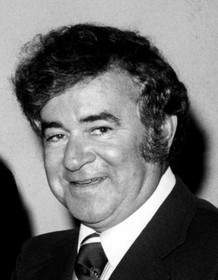
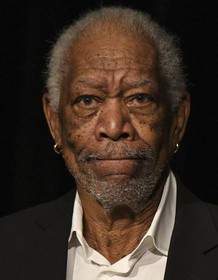
Meet the Full Cast and Actors of Roll of Thunder, Hear My Cry
Explore the complete cast of Roll of Thunder, Hear My Cry, including both lead and supporting actors. Learn who plays each character, discover their past roles and achievements, and find out what makes this ensemble cast stand out in the world of film and television.


External Links and Streaming Options
Discover where to watch Roll of Thunder, Hear My Cry online, including streaming platforms, rental options, and official sources. Compare reviews, ratings, and in-depth movie information across sites like IMDb, TMDb, Wikipedia or Rotten Tomatoes.





Take the Ultimate Roll of Thunder, Hear My Cry Movie Quiz
Challenge your knowledge of Roll of Thunder, Hear My Cry with this fun and interactive movie quiz. Test yourself on key plot points, iconic characters, hidden details, and memorable moments to see how well you really know the film.
Roll of Thunder, Hear My Cry Quiz: Test your knowledge of the 1978 film Roll of Thunder, Hear My Cry with these ten multiple‑choice questions covering characters, plot events, and themes.
What is the name of the nine‑year‑old protagonist?
Full Plot Summary and Ending Explained for Roll of Thunder, Hear My Cry
Read the complete plot summary of Roll of Thunder, Hear My Cry, including all major events, twists, and the full ending explained in detail. Explore key characters, themes, hidden meanings, and everything you need to understand the story from beginning to end.
In 1933, a young girl named Cassie Logan, a 9-year-old living in rural Mississippi, finds her world shaped by the complexities of race relations during the era of segregation. Unlike many other Black families of the time who relied on sharecropping, the Logan family owns the land they inhabit—land that originally belonged to a white plantation owner, Harlan Granger, who sold it off during Reconstruction to settle his taxes. The story doesn’t follow just one central plot but intertwines multiple narratives, each highlighting different facets of Black and White interactions and the harsh realities faced by Black communities during what was known as the nadir of American race relations.
Throughout the novel, the Logan family faces numerous challenges. For example, Cassie and her younger brother Little Man notice racial inequalities firsthand when they see that the schoolbooks used by Black students, including their own, were originally meant for white children and were recycled once worn out. This small detail underscores the systemic inequality the family endures daily. During a holiday visit, Cassie’s father, David Logan (who works on the railroad), comes home, bringing a moment of warmth and familial connection amidst the turbulent circumstances.
The story also explores personal conflicts, such as when Cassie is humiliated by Lillian Jean Simms, a white girl who looks down on her. Cassie pretends to forgive Lillian Jean to gather information about the Simms family, but eventually, she confronts her by assaulting her and making her apologize for her earlier humiliation. Cassie then threatens to reveal her secrets unless she stays quiet about their encounter, highlighting her growing awareness of how to protect herself in a prejudiced society.
Mary Logan, Cassie’s mother and a dedicated teacher, plays a significant role in advocating for her children and their community. When T.J. Avery, Stacey’s close friend, cheats during a history test, Mary’s intervention results in her being fired, exacerbating tensions and exposing the racist structures within their town. In response, Mary organizes a boycott of the store owned by the Wallace family, who are suspected to be Klan members helping to fuel racial hostility. When David and his hired hand Mr. Morrison are attacked on a rural road—David shot but surviving—the community’s solidarity is tested. Mr. Morrison’s violent response to the attackers results in the Wallaces’ involvement, prompting the bank to foreclose on the Logans’ land.
In a daring move to save the family land, Uncle Hammer, played by Morgan Freeman, sells his new silver Packard to cover the mortgage, demonstrating the depth of his loyalty and determination. Meanwhile, T.J. begins to drift away from his friends, befriending the racist older brothers of Lillian Jean. They manipulate him into helping rob Barnett’s Mercantile, leading to the murder of Jim Lee by R.W. and Melvin. T.J., caught in the web of lies and violence, is falsely accused and beaten severely when attempting to expose the truth.
The climax of the novel features a tense moment when T.J. faces lynching due to the accusations surrounding Jim Lee’s murder. Just as the town’s mob prepares to hang him, a fire breaks out in the cotton fields, prompting the community to unite in a desperate effort to save their crops and each other. David Logan (played by Robert Christian) survives an attack during this chaos, but the threats of injustice and violence linger. Cassie processes her feelings of helplessness and sadness, especially after learning that T.J. is likely to be convicted and possibly executed for the crime.
Throughout the story, Cassie matures, gaining a deeper understanding of the social and racial injustices in her world. Despite her initial dislike of T.J., she mourns for him, feeling the weight of the land and community they share. The novel concludes with a poignant reflection on the struggles of justice, family, and resilience in the face of entrenched racism, leaving readers with a powerful commentary on courage and solidarity in difficult times.

Coming soon on iOS and Android
The Plot Explained Mobile App
From blockbusters to hidden gems — dive into movie stories anytime, anywhere. Save your favorites, discover plots faster, and never miss a twist again.
Sign up to be the first to know when we launch. Your email stays private — always.
Explore the mobile appDiscover Film Music Concerts Near You – Live Orchestras Performing Iconic Movie Soundtracks
Immerse yourself in the magic of cinema with live orchestral performances of your favorite film scores. From sweeping Hollywood blockbusters and animated classics to epic fantasy soundtracks, our curated listings connect you to upcoming film music events worldwide.
Explore concert film screenings paired with full orchestra concerts, read detailed event information, and secure your tickets for unforgettable evenings celebrating legendary composers like John Williams, Hans Zimmer, and more.


Roll of Thunder, Hear My Cry Themes and Keywords
Discover the central themes, ideas, and keywords that define the movie’s story, tone, and message. Analyze the film’s deeper meanings, genre influences, and recurring concepts.

Unlock the World of Movies with Our Comprehensive Wiki
Dive into our Movie Wiki for in-depth film encyclopedia entries, including cast biographies, production trivia, plot synopses, behind-the-scenes facts, and thematic analyses. Whether you’re researching iconic directors, exploring genre histories, or discovering hidden easter eggs, our expertly curated movie database has everything you need to fuel your cinematic passion.
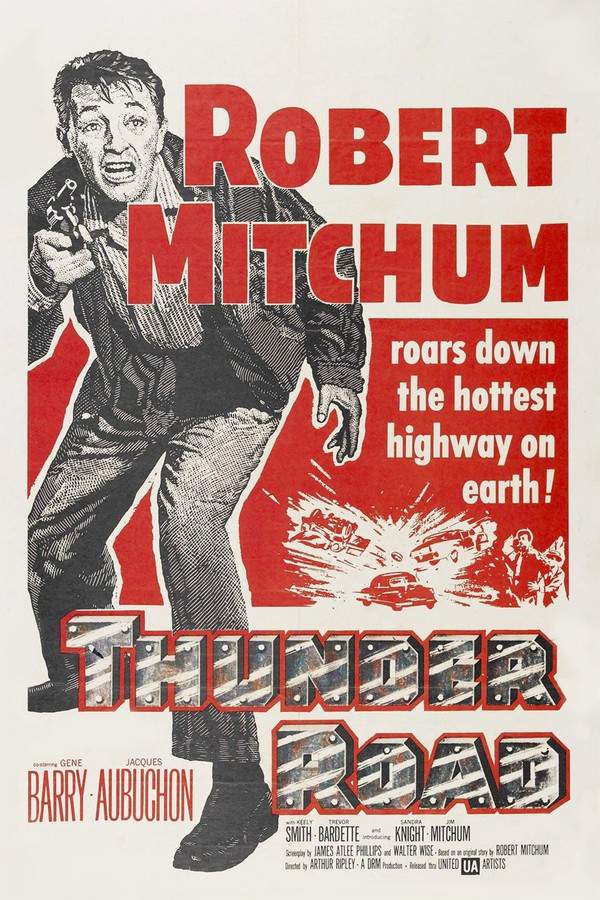
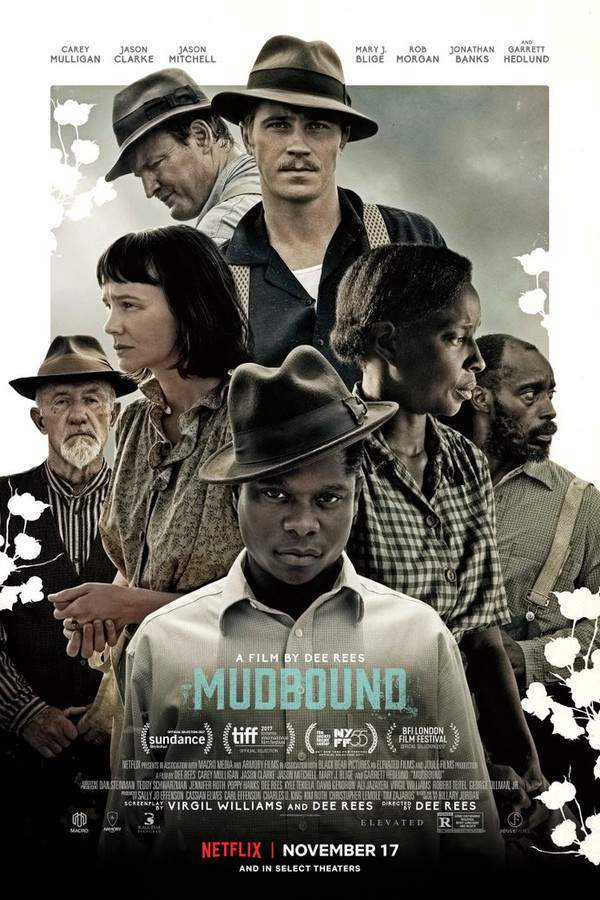
Similar Movies To Roll of Thunder, Hear My Cry You Should Know About
Browse a curated list of movies similar in genre, tone, characters, or story structure. Discover new titles like the one you're watching, perfect for fans of related plots, vibes, or cinematic styles.



Quick Links: Summary, Cast, Ratings, More

What's After the Movie?
Not sure whether to stay after the credits? Find out!
Check out our other apps:

SAT Sphere
Build confidence for the Digital SAT.

Mori Atlas
Discover wild places worth protecting.

Luntero
Search smarter for a home in Amsterdam.

Plot Explained
Unravel movie endings and hidden clues.

Pokechamp
Dive into Pokémon data and battle logic.

Driving Theory
Get ready for your European theory test.

Movie Dust
Plan your next cinema trip with ease.

Musemap
Find art and culture as you travel.

Selkobase
Compare credentials before committing.

Local Manual
Turn an unfamiliar country into practical next steps.

Lernavi
Compare school systems before your next move.

GymRoam
Find a workout stop wherever your plans take you.
Explore Our Movie Platform
New Movie Releases (2026)
Famous Movie Actors
Top Film Production Studios
Movie Plot Summaries & Endings
Major Movie Awards & Winners
Best Concert Films & Music Documentaries
Movie Collections and Curated Lists
© 2026 What's After the Movie. All rights reserved.
Privacy Policy