
Roll of Thunder, Hear My Cry 1978

Directed by
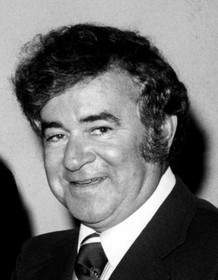
Jack Smight
Made by

Tomorrow Entertainment
Roll of Thunder, Hear My Cry Plot Summary
Read the complete plot summary and ending explained for Roll of Thunder, Hear My Cry (1978). From turning points to emotional moments, uncover what really happened and why it matters.
In 1933, a young girl named Cassie Logan, a 9-year-old living in rural Mississippi, finds her world shaped by the complexities of race relations during the era of segregation. Unlike many other Black families of the time who relied on sharecropping, the Logan family owns the land they inhabit—land that originally belonged to a white plantation owner, Harlan Granger, who sold it off during Reconstruction to settle his taxes. The story doesn’t follow just one central plot but intertwines multiple narratives, each highlighting different facets of Black and White interactions and the harsh realities faced by Black communities during what was known as the nadir of American race relations.
Throughout the novel, the Logan family faces numerous challenges. For example, Cassie and her younger brother Little Man notice racial inequalities firsthand when they see that the schoolbooks used by Black students, including their own, were originally meant for white children and were recycled once worn out. This small detail underscores the systemic inequality the family endures daily. During a holiday visit, Cassie’s father, David Logan (who works on the railroad), comes home, bringing a moment of warmth and familial connection amidst the turbulent circumstances.
The story also explores personal conflicts, such as when Cassie is humiliated by Lillian Jean Simms, a white girl who looks down on her. Cassie pretends to forgive Lillian Jean to gather information about the Simms family, but eventually, she confronts her by assaulting her and making her apologize for her earlier humiliation. Cassie then threatens to reveal her secrets unless she stays quiet about their encounter, highlighting her growing awareness of how to protect herself in a prejudiced society.
Mary Logan, Cassie’s mother and a dedicated teacher, plays a significant role in advocating for her children and their community. When T.J. Avery, Stacey’s close friend, cheats during a history test, Mary’s intervention results in her being fired, exacerbating tensions and exposing the racist structures within their town. In response, Mary organizes a boycott of the store owned by the Wallace family, who are suspected to be Klan members helping to fuel racial hostility. When David and his hired hand Mr. Morrison are attacked on a rural road—David shot but surviving—the community’s solidarity is tested. Mr. Morrison’s violent response to the attackers results in the Wallaces’ involvement, prompting the bank to foreclose on the Logans’ land.
In a daring move to save the family land, Uncle Hammer, played by Morgan Freeman, sells his new silver Packard to cover the mortgage, demonstrating the depth of his loyalty and determination. Meanwhile, T.J. begins to drift away from his friends, befriending the racist older brothers of Lillian Jean. They manipulate him into helping rob Barnett’s Mercantile, leading to the murder of Jim Lee by R.W. and Melvin. T.J., caught in the web of lies and violence, is falsely accused and beaten severely when attempting to expose the truth.
The climax of the novel features a tense moment when T.J. faces lynching due to the accusations surrounding Jim Lee’s murder. Just as the town’s mob prepares to hang him, a fire breaks out in the cotton fields, prompting the community to unite in a desperate effort to save their crops and each other. David Logan (played by Robert Christian) survives an attack during this chaos, but the threats of injustice and violence linger. Cassie processes her feelings of helplessness and sadness, especially after learning that T.J. is likely to be convicted and possibly executed for the crime.
Throughout the story, Cassie matures, gaining a deeper understanding of the social and racial injustices in her world. Despite her initial dislike of T.J., she mourns for him, feeling the weight of the land and community they share. The novel concludes with a poignant reflection on the struggles of justice, family, and resilience in the face of entrenched racism, leaving readers with a powerful commentary on courage and solidarity in difficult times.
Roll of Thunder, Hear My Cry Timeline
Follow the complete movie timeline of Roll of Thunder, Hear My Cry (1978) with every major event in chronological order. Great for understanding complex plots and story progression.
Logan land ownership in 1933 Mississippi
The Logans own the land they live on, a hard-won holdover from Reconstruction after Harlan Granger sold it to settle his taxes. This ownership gives them a fragile economic base in a segregated Mississippi town. The land itself becomes a flashpoint for later conflicts over justice and belonging.
Racial inequality in schoolbooks
Cassie and Little Man notice that the Black students use books originally meant for white children, recycled when worn. The schoolbooks publicly reveal the everyday inequities of segregation. This detail foreshadows the broader racial injustices the Logans face.
David Logan returns home for the holidays
During a holiday visit, David Logan returns from the railroad, bringing warmth and a sense of family. His presence provides a momentary refuge from the town's hostility. The reunion reinforces the strength of the Logan family.
Cassie faces humiliation from Lillian Jean Simms
Cassie is humiliated by Lillian Jean Simms, a white girl who looks down on her. The incident exposes Cassie to the sting of prejudice at a young age. It plants the seeds for a careful, growing awareness of how to protect herself.
Cassie confronts Lillian Jean to demand respect
Cassie pretends to forgive Lillian Jean to learn her secrets, then confronts her and forces an apology. She goes further by warning Lillian Jean to keep quiet about their encounter. The scene marks a turning point in Cassie's readiness to resist racial hierarchy.
Mary Logan's advocacy leads to consequence
Mary Logan, a dedicated teacher, intervenes when T.J. Avery cheats on a history test and is fired as a result. The firing exposes the town's racist protections and shows how even truth-telling parents risk losing their jobs. Mary becomes a catalyst for community resistance against injustice.
Mary organizes a boycott against the Wallaces
Mary organizes a boycott of the Wallaces' store, fueling a collective stand against racist power. The boycott strengthens community ties but deepens the Logans' vulnerability to the town's backlash. The Store-Wallace family connection intensifies the conflict.
Attack on David and Mr. Morrison; David shot but survives
David Logan and his hired hand Mr. Morrison are attacked on a rural road; David is shot but survives. The assault tests the family's safety and amplifies the town's racial tensions. The incident triggers further actions from the community and authorities.
Wallaces’ involvement and foreclosure on the Logans’ land
Mr. Morrison's violent retaliation against the attackers draws the Wallaces into the conflict, and the bank forecloses on the Logans' land. The foreclosure threatens the Logans' home and livelihoods, highlighting the systemic power of racism. The community's struggle becomes a fight to keep the land.
Uncle Hammer sells his car to cover the mortgage
Uncle Hammer sells his new silver Packard to raise funds, sacrificing a prized possession to save the family land. The act shows loyalty and the lengths they will go to protect their home. It also demonstrates the personal costs of standing up to oppressive structures.
T.J. Avery’s moral descent begins
T.J. Avery is pulled deeper into the racist web, befriending Lillian Jean’s older brothers who manipulate him into helping rob Barnett's Mercantile. The plan triggers a cascade of lies and violence that affect the whole community. T.J.'s choices reveal the perilous lines between allyship and betrayal.
Jim Lee's murder and T.J. is beaten
Jim Lee is murdered by RW and Melvin after T.J. is drawn into the scheme; T.J. is falsely accused and beaten when he tries to tell the truth. The event underscores how quickly injustice and mob justice can take hold. The Logans are drawn deeper into the consequences.
Lynching threat and cotton-field fire
As a mob forms to lynch T.J., a fire breaks out in the cotton fields, forcing the community to unite to save their crops and each other. The crisis shifts attention from personal vendettas to collective survival. The burning flames mirror the burning tensions around them.
David's survival and lingering injustice
David survives the attack, but the violence and injustice linger for the Logans. The family endures the trauma while trying to sustain their land and dignity. The episode underscores the precarious balance between resistance and safety in a hostile era.
Cassie matures through hardship and resilience
Cassie’s experiences deepen her understanding of justice, family, and solidarity. She mourns T.J.'s fate but remains steadfast in the face of prejudice. The story closes on a note of resilience and communal courage.
Roll of Thunder, Hear My Cry Characters
Explore all characters from Roll of Thunder, Hear My Cry (1978). Get detailed profiles with their roles, arcs, and key relationships explained.
Uncle Hammer (Morgan Freeman)
Uncle Hammer is a strong-willed family member who stands against racial injustice and fights to protect his family’s land and dignity. He embodies resilience and defiance in the face of systemic oppression.
Cassie Logan
Cassie is a young girl who navigates the injustices of segregation and racial violence while growing in understanding of her identity. She exhibits bravery, intelligence, and resilience as she learns to stand up for herself and her family.
T.J. Avery (Larry B. Scott)
T.J. is a complex character driven by desire for belonging, who makes morally questionable choices influenced by peer pressure and racial tensions. His storyline reflects the risks of losing moral integrity in a hostile environment.
Mary Logan (Janet MacLachlan)
Mary is a dedicated teacher and mother who advocates for her children’s education and fights against racial discrimination. She embodies resilience and the importance of standing up for justice.
Roll of Thunder, Hear My Cry Settings
Learn where and when Roll of Thunder, Hear My Cry (1978) takes place. Explore the film’s settings, era, and how they shape the narrative.
Time period
1933
The movie is set during the Great Depression era, a time marked by economic hardship and racial segregation in the Southern United States. Racist attitudes and white supremacy heavily influence social interactions and community dynamics.
Location
Mississippi, Rural area
The story takes place in rural Mississippi during the early 1930s. This setting is characterized by cotton fields, landownership issues, and segregation, highlighting the economic and social divisions of the time.
Roll of Thunder, Hear My Cry Themes
Discover the main themes in Roll of Thunder, Hear My Cry (1978). Analyze the deeper meanings, emotional layers, and social commentary behind the film.
🛡️
Injustice
The film explores systemic racism and individual acts of injustice faced by Black families. Characters confront humiliations, racial violence, and societal barriers, reflecting the harsh realities of the Jim Crow era.
🤝
Community
Community solidarity emerges as a crucial theme, especially in moments of crisis like the community coming together to stop the fire or defend T.J. from lynching. These acts showcase resilience and collective strength in the face of oppression.

Coming soon on iOS and Android
The Plot Explained Mobile App
From blockbusters to hidden gems — dive into movie stories anytime, anywhere. Save your favorites, discover plots faster, and never miss a twist again.
Sign up to be the first to know when we launch. Your email stays private — always.
Explore the mobile appRoll of Thunder, Hear My Cry Spoiler-Free Summary
Discover the spoiler-free summary of Roll of Thunder, Hear My Cry (1978). Get a concise overview without any spoilers.
In the deep South of 1933, a stark yet lyrical portrait unfolds on a modest family farm that has somehow remained in Black hands—a rare and fragile blessing amid the Great Depression. The world is carved by the lingering shadows of Reconstruction, the relentless churn of sharecropping, and the ever‑present undercurrent of segregation. Against this backdrop, the Logan family clings to their land, their home offering both a sanctuary and a battleground where hope and hardship intersect.
At the heart of the story is Cassie Logan, a bright‑spirited nine‑year‑old whose eyes absorb the contradictions of her world. Through her, the audience senses the clash between youthful innocence and the harsh realities of a society divided by race. Beside her, David Logan, a railroad worker with quiet determination, strives to provide stability for his family, while Mary Logan, a steadfast teacher, channels her fierce love into quiet acts of resistance that ripple through the community. Their younger son, Little Man, shares Cassie’s curiosity, adding a layer of familial warmth to the otherwise tense atmosphere.
The film’s tone balances the lyrical beauty of the Mississippi landscape with a simmering urgency that underscores daily indignities—recycled schoolbooks, whispered judgments, and the unspoken fear that any misstep could unmoor the family’s hard‑won independence. The Logans’ resolve is buoyed by extended kin, most notably Uncle Hammer, whose generosity hints at the depth of unpaid debts of loyalty and sacrifice that bind them together.
Through rich, immersive storytelling, the movie invites viewers to linger on the quiet moments of love, the subtle acts of defiance, and the looming question of whether a Black family can truly hold onto what they have cultivated amid an unforgiving era. The mood is a delicate blend of melancholy and quiet strength, urging us to watch as the Logans navigate a world where the fight for land becomes a fight for identity itself.
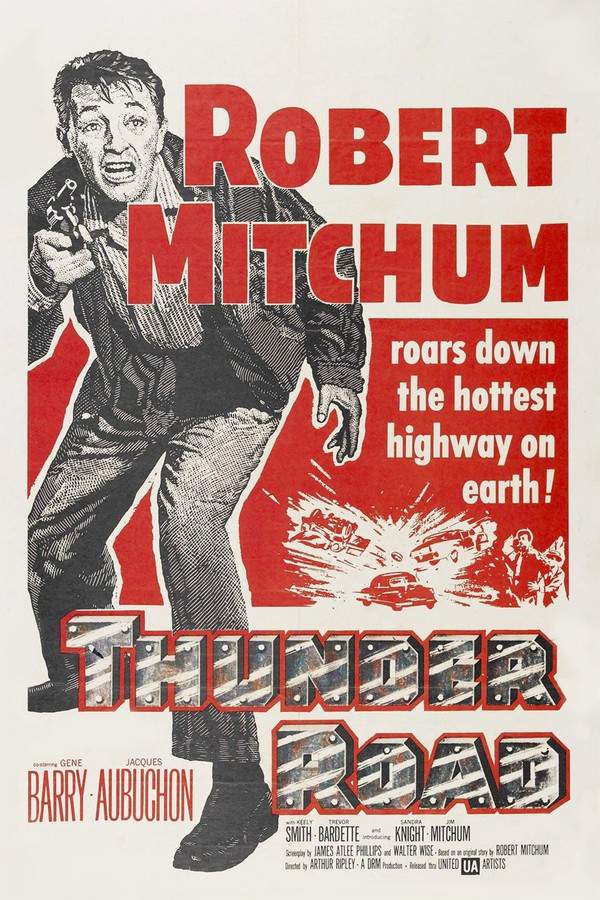
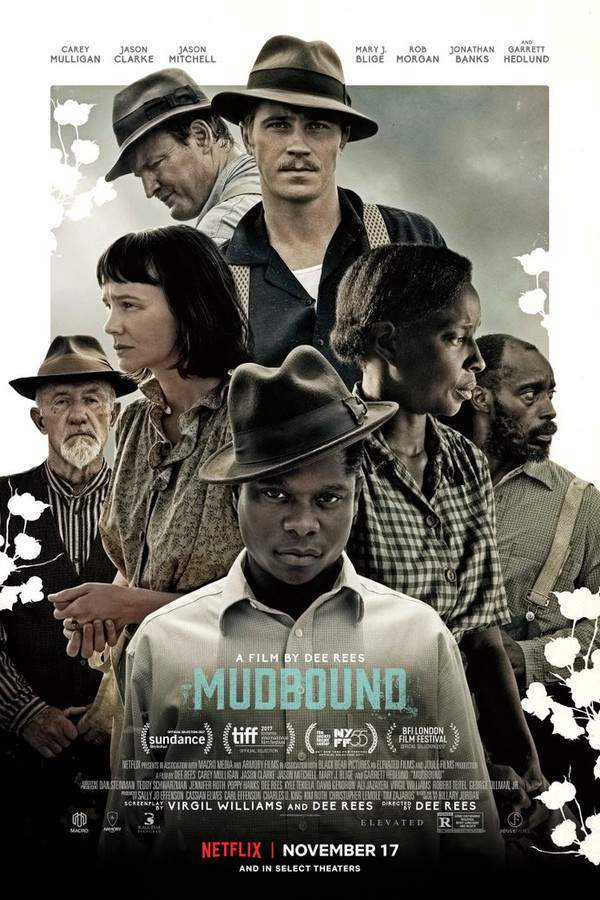
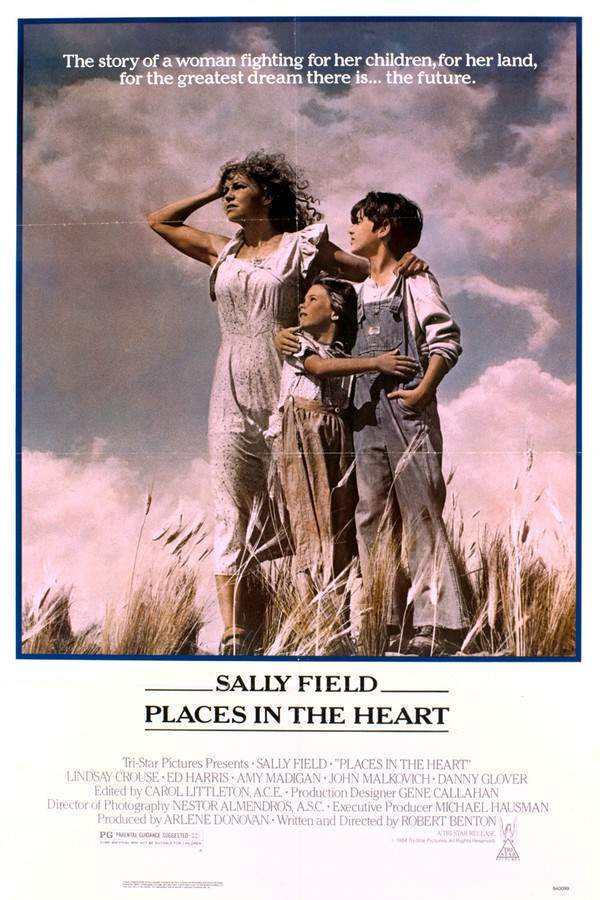
Movies with Similar Twists and Themes
Uncover films that echo the narrative beats, emotional arcs, or dramatic twists of the one you're exploring. These recommendations are handpicked based on story depth, thematic resonance, and spoiler-worthy moments — perfect for fans who crave more of the same intrigue.



Featured on this page

What's After the Movie?
Not sure whether to stay after the credits? Find out!
Check out our other apps:

SAT Sphere
Build confidence for the Digital SAT.

Mori Atlas
Discover wild places worth protecting.

Luntero
Search smarter for a home in Amsterdam.

Plot Explained
Unravel movie endings and hidden clues.

Pokechamp
Dive into Pokémon data and battle logic.

Driving Theory
Get ready for your European theory test.

Movie Dust
Plan your next cinema trip with ease.

Musemap
Find art and culture as you travel.

Selkobase
Compare credentials before committing.

Local Manual
Turn an unfamiliar country into practical next steps.

Lernavi
Compare school systems before your next move.

GymRoam
Find a workout stop wherever your plans take you.
Explore Our Movie Platform
New Movie Releases (2026)
Famous Movie Actors
Top Film Production Studios
Movie Plot Summaries & Endings
Major Movie Awards & Winners
Best Concert Films & Music Documentaries
Movie Collections and Curated Lists
© 2026 What's After the Movie. All rights reserved.
Privacy Policy