
Hurry Sundown 1967

Directed by
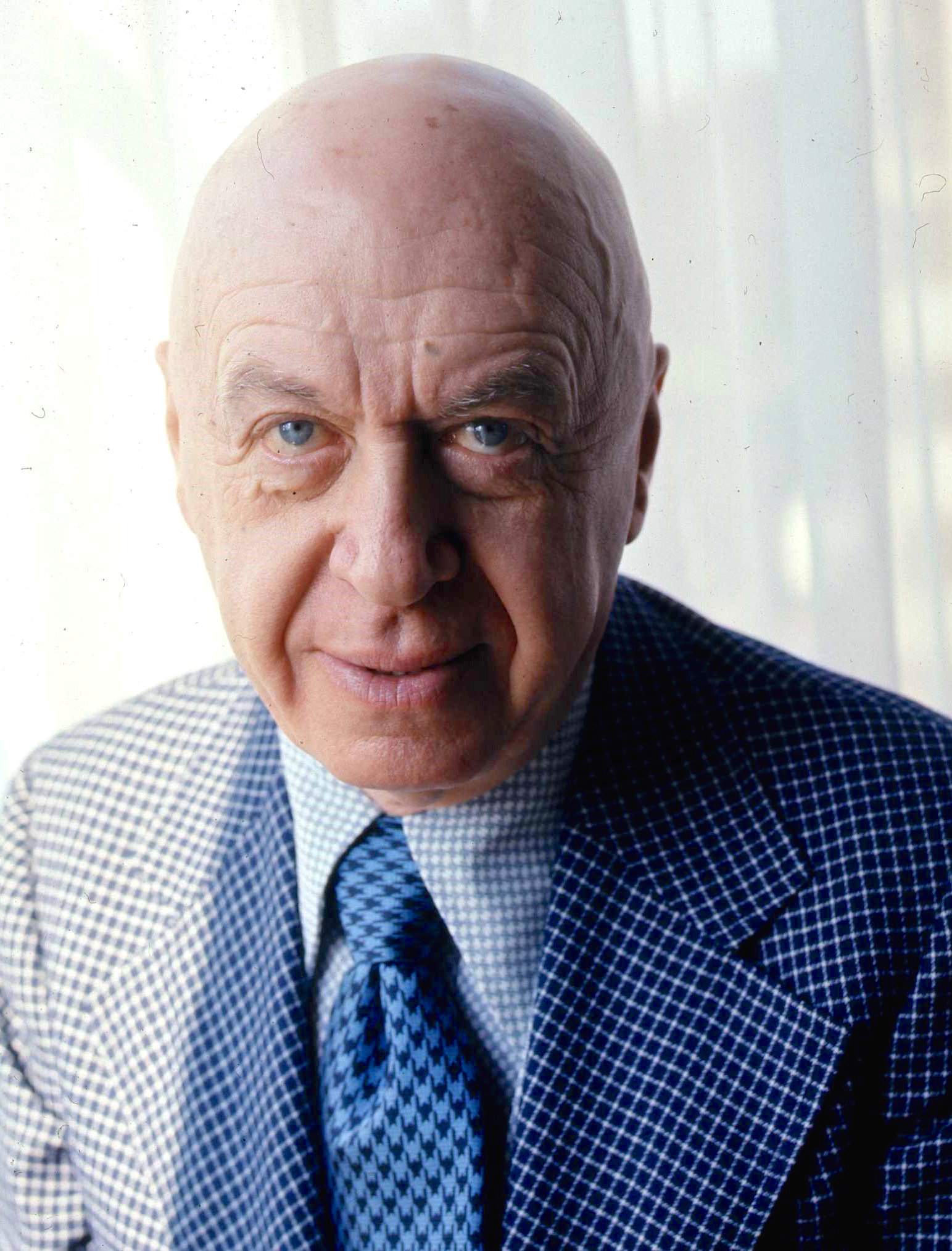
Otto Preminger
Made by

Paramount Pictures
Hurry Sundown Plot Summary
Read the complete plot summary and ending explained for Hurry Sundown (1967). From turning points to emotional moments, uncover what really happened and why it matters.
In 1946, Julie Ann Warren and her husband, Henry Warren, a bigoted, draft-dodging man with a taste for wealth, are determined to sell their land in rural Georgia to owners of a northern canning plant. The deal hinges on selling two adjoining plots as well: one owned by Rad McDowell and his wife Lou McDowell, and the other by Black farmer Reeve Scott, whose ailing mother Rose Scott had once served as Julie’s wet nurse. Neither farmer is interested in selling, and the couple push forward by forming a dangerous and controversial black-and-white partnership to strengthen their legal claim to the land, a tactic that infuriates Henry and unsettles the town.
When Rose suddenly dies, Henry tries to pressure Julie to accuse Reeve of illegal ownership, but the town’s records come under scrutiny thanks to Vivian Thurlow—the local Black teacher who digs into the deeds and uncovers proof that Reeve validly registered the land. This discovery shakes Julie, who is already distressed by Henry’s mistreatment of their mentally challenged young son, and she decides to leave him, ultimately dropping her suit against Reeve.
The conflict escalates as Henry enlists the aid of Ku Klux Klansmen to further his cause, and he dynamites the levee above the farms, triggering a flood that tragically drowns Rad’s oldest child. The act starkly exposes the brutality of the scheme, leaving the community to confront the devastation. In the wake of the disaster, Rad and Reeve refuse to surrender. Instead, they choose resilience, collaborating with their neighbors to rebuild their damaged properties and to stand up to a system that tried to erase their rights.
Hurry Sundown Timeline
Follow the complete movie timeline of Hurry Sundown (1967) with every major event in chronological order. Great for understanding complex plots and story progression.
Initial land sale plan and conflict
In 1946, Henry Warren and his heiress wife Julie Ann pursue a sale of their rural Georgia land to a northern canning plant. The deal hinges on selling two adjoining plots—their land, Rad McDowell and Lou's land, and Reeve Scott's land—and the sale becomes a flashpoint for the community. The prospect triggers resistance from the neighboring farmers and sets up a bitter, racially charged conflict.
Rad and Lou form an alliance to claim land
Rad McDowell and his wife Lou refuse to sell and form a controversial black-and-white partnership to strengthen their land claim. Their alliance threatens Henry's ambitions and widens the dispute into a public stand-off. The two farms become the focal point of a larger fight over who will control the land.
Rose's death and Henry's pressure on Reeve
Rose dies suddenly, intensifying tensions around the land dispute. Henry tries to persuade Julie to charge Reeve with illegal ownership of his property. The move raises the stakes and pushes the families toward a legal and emotional showdown.
Vivian Thurlow uncovers legal deed proof
Local black teacher Vivian Thurlow searches the town records and uncovers proof that Reeve legally registered the deed to his land. Her discovery undermines Henry's challenge and shifts the momentum in the dispute. The community gains a clearer sense of who truly owns the property.
Julie leaves Henry and drops the suit
Julie, distressed by Henry's treatment of their mentally challenged son, decides to leave him. She also drops her suit against Reeve after learning the deed is valid. The marriage's rupture shifts the balance of power in the land dispute.
Levee dynamited with Klansmen involvement
With the help of Ku Klux Klansmen, Henry dynamites the levee above the farms. The violent act is meant to destroy the opponents' property and force a settlement. The tactic reveals how far Henry is willing to go to maintain control.
Flood devastates the farms and tragedy strikes
The levee breach floods the two farming plots, devastating livelihoods and property. Rad's oldest child drowns in the flood, a tragedy that deepens Henry's dismay. The disaster exposes the human cost of the conflict.
Rad and Reeve commit to rebuilding
Despite the losses, Rad and Reeve decide to rebuild their devastated properties. They gain support from neighbors to reconstruct their lands. The flood becomes a turning point that broadens the coalition against destructive violence.
Neighbors rally to support reconstruction
Neighbors unite to assist in the rebuilding effort, turning a fractured dispute into a communal project. The community's resilience demonstrates that cross-racial cooperation can still emerge in the face of greed and hostility. The rebuilding process begins to reshape local alliances.
Legal status reinforces Reeve's ownership
The ongoing evidence and the deed records reinforce that Reeve's ownership is legitimate, limiting Henry's leverage. Julie's earlier departure and the legal clarity push the parties toward rebuilding rather than pursuing further lawsuits. The outcome solidifies the new reality on the land.
A new chapter begins with rebuilding
With legal clarity and community support, Rad and Reeve begin the arduous process of rebuilding their lands. The collaboration with neighbors signals a fragile but hopeful future. The conflict gives way to cooperative effort to restore livelihoods.
Ending note: resilience over division
The story closes with the community choosing resilience over division, as neighbors come together to recover from the flood. The attempt to erase ownership and exterminate competition is replaced by a shared effort to rebuild. The chapter leaves a wary optimism about future cooperation amid lingering tensions.
Hurry Sundown Characters
Explore all characters from Hurry Sundown (1967). Get detailed profiles with their roles, arcs, and key relationships explained.
Julie Ann Warren (Jane Fonda)
Julie Ann is Henry's wealthy wife and an heiress who initially supports selling the land but is moved by family concerns. She is troubled by Henry's treatment of their mentally challenged son and ultimately leaves him, dropping her suit against Reeve. Her evolution reflects a clash between wealth, family loyalty, and the pursuit of fairness.
Henry Warren (Michael Caine)
Henry is a bigoted, draft-dodging, greed-driven landowner who fights to sell the property and expand his control. He enlists coercive tactics and even uses violent means with Ku Klux Klansmen to intimidate opponents. His actions escalate the conflict and reveal the destructive power of pride and prejudice.
Rad McDowell (John Phillip Law)
Rad is Henry's cousin and a Black farmer who refuses to sell his land. He forms a dangerous partnership with Reeve to defend their property and confront the oppressive tactics used against them. His resolve and willingness to stand up for his family illustrate courage in the face of intimidation.
Reeve Scott (Robert Hooks)
Reeve is a Black farmer whose land is at stake. He teams with Rad to legally defend their property and resist the unlawful pressure from Henry. His steadfastness and commitment to his family's future anchor the moral core of the struggle.
Vivian Thurlow (Diahann Carroll)
Vivian is a Black teacher who investigates town records and uncovers the deed's legitimacy. She becomes a crucial voice for truth and justice, bridging education and action in the community's fight. Her contributions highlight the power of knowledge in challenging entrenched prejudice.
Rose Scott (Beah Richards)
Rose is Reeve's ailing mother and Julie's former wet nurse. Her sudden death becomes a catalyst in the plot, influencing Henry's misguided strategy to press illegal ownership claims. Her presence links generations and underscores the human cost of the conflict.
Hurry Sundown Settings
Learn where and when Hurry Sundown (1967) takes place. Explore the film’s settings, era, and how they shape the narrative.
Time period
1946
The film is set in the immediate postwar era, a time of economic change and heightened racial tensions in the American South. Land, wealth, and status are scrutinized through a controversial property deal. The backdrop of the era amplifies the stakes of the characters' decisions.
Location
Georgia, United States
The story unfolds in a rural Georgia town, a landscape of farms and old families. The setting emphasizes the power dynamics between white landowners and Black sharecroppers. The environment acts as a catalyst for the legal and community battles that drive the plot.
Hurry Sundown Themes
Discover the main themes in Hurry Sundown (1967). Analyze the deeper meanings, emotional layers, and social commentary behind the film.
⚖️
Justice
Justice in Hurry Sundown is foregrounded through records, deeds, and court battles that reveal how law can both protect and oppress. Vivian Thurlow uncovers a legitimate deed that challenges the white power structure. The film shows that justice is fragile, often influenced by social prejudice and the willingness to fight for what is right.
🔥
Greed
Greed drives Henry's actions, turning land ownership into a tool for revenge and control. The attempt to derail opponents by any means, including violence, showcases how wealth and pride can corrupt justice. The story demonstrates how greed fuels a communal rift that endangers neighbors.
🌱
Resilience
Rad and Reeve's alliance embodies community resilience across racial lines in the face of intimidation. Neighbors rally to rebuild after the levee is destroyed, illustrating collective strength. The narrative emphasizes that persistent solidarity can overcome systemic barriers.

Coming soon on iOS and Android
The Plot Explained Mobile App
From blockbusters to hidden gems — dive into movie stories anytime, anywhere. Save your favorites, discover plots faster, and never miss a twist again.
Sign up to be the first to know when we launch. Your email stays private — always.
Explore the mobile appHurry Sundown Spoiler-Free Summary
Discover the spoiler-free summary of Hurry Sundown (1967). Get a concise overview without any spoilers.
In the humid summer of 1946, a sweltering Georgia countryside becomes a crucible where old‑world values clash with the restless drive for prosperity. The landscape, dotted with modest farms and the looming silhouette of a northern canning plant, feels both timeless and on the brink of change, its atmosphere heavy with the scent of pine and the unspoken tensions of a post‑war South.
Julie Ann Warren and her husband Henry Warren arrive as the story’s uneasy axis. Julie, a woman whose roots run deep in the soil of the region, carries the weight of personal history while wrestling with a marriage strained by ambition and prejudice. Henry, a man whose appetite for wealth eclipses his empathy, sees the surrounding fields not as heritage but as a ledger waiting to be balanced. Their plan to sell the family land awakens a complex web of neighboring claims: Rad McDowell and his wife Lou, steadfast caretakers of their own parcel; Reeve Scott, a Black farmer whose lineage ties him to the land through years of labor; and Rose Scott, whose quiet presence once nurtured Julie’s childhood.
The disputed horizon is more than a legal puzzle; it is a microcosm of a community divided by race, class, and the relentless pursuit of a better future. As the townspeople whisper, the Vivian Thurlow—the local Black schoolteacher—begins to unearth old deeds, hinting that the truth about ownership may run deeper than anyone imagined. The tension between the Warrens’ opportunism and the steadfast resolve of their neighbors builds a palpable current that courses through every interaction, setting the stage for a confrontation that feels inevitable.
Amid the rolling fields and lingering Southern heat, the film balances yearning and desperation, painting a portrait of love that can flare as fiercely as hatred. The characters stand on the edge of decisions that could reshape not only their own lives but the very fabric of the community they call home, leaving the audience to wonder how far ambition will push those bound by blood, land, and memory.
Movies with Similar Twists and Themes
Uncover films that echo the narrative beats, emotional arcs, or dramatic twists of the one you're exploring. These recommendations are handpicked based on story depth, thematic resonance, and spoiler-worthy moments — perfect for fans who crave more of the same intrigue.
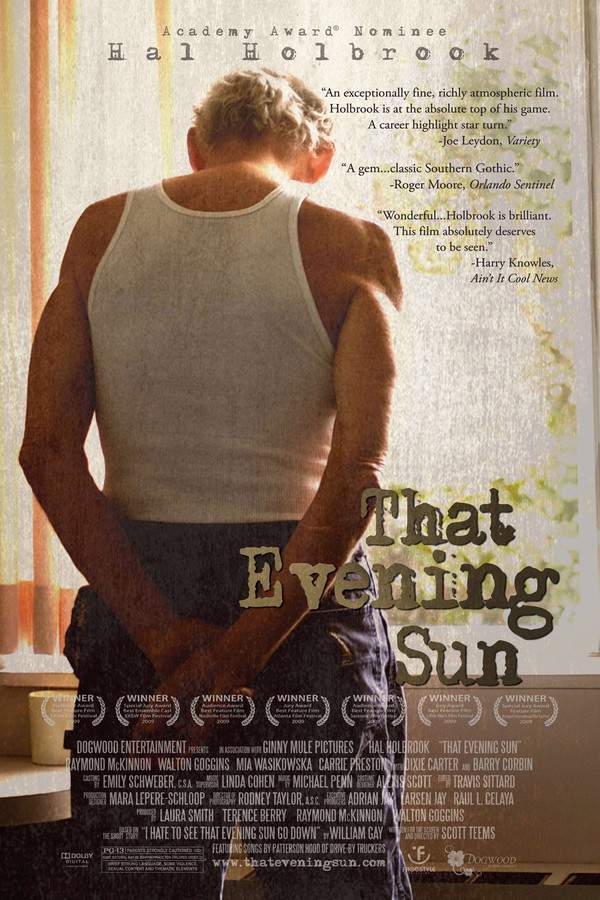


Featured on this page

What's After the Movie?
Not sure whether to stay after the credits? Find out!
Check out our other apps:

SAT Sphere
Build confidence for the Digital SAT.

Mori Atlas
Discover wild places worth protecting.

Luntero
Search smarter for a home in Amsterdam.

Plot Explained
Unravel movie endings and hidden clues.

Pokechamp
Dive into Pokémon data and battle logic.

Driving Theory
Get ready for your European theory test.

Movie Dust
Plan your next cinema trip with ease.

Musemap
Find art and culture as you travel.

Selkobase
Compare credentials before committing.

Local Manual
Turn an unfamiliar country into practical next steps.

Lernavi
Compare school systems before your next move.

GymRoam
Find a workout stop wherever your plans take you.
Explore Our Movie Platform
New Movie Releases (2026)
Famous Movie Actors
Top Film Production Studios
Movie Plot Summaries & Endings
Major Movie Awards & Winners
Best Concert Films & Music Documentaries
Movie Collections and Curated Lists
© 2026 What's After the Movie. All rights reserved.
Privacy Policy