Regeneration 1997


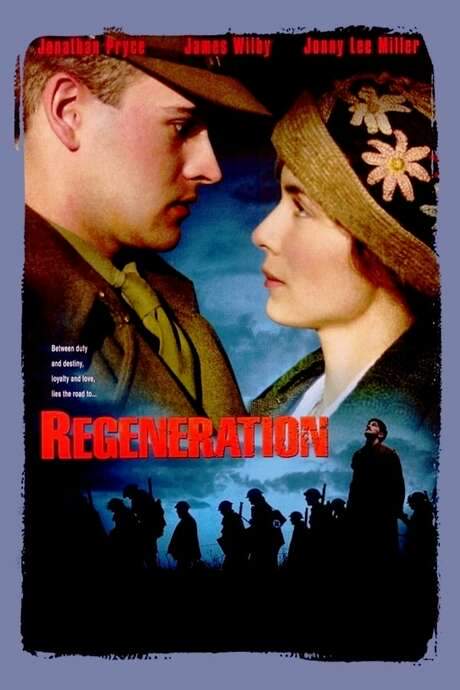
Wilfred Owen and Siegfried Sassoon, two of England’s most celebrated World War I poets, are transferred with other battle‑scarred soldiers to a rest home where they confront the psychological fatigue and emotional trauma of fighting in no‑man’s‑land, navigating duty, destiny, loyalty and love. Doctors try to mend wounds, offering a faint hope.


Does Regeneration have end credit scenes?
No!
Regeneration does not have end credit scenes. You can leave when the credits roll.
Where to Watch Regeneration
See current US streaming, rental, and purchase options for Regeneration (1997) via JustWatch.










Meet the Full Cast and Actors of Regeneration
Explore the complete cast of Regeneration, including both lead and supporting actors. Learn who plays each character, discover their past roles and achievements, and find out what makes this ensemble cast stand out in the world of film and television.

Kevin McKidd
Callan

Paul Young
Dr. Brock
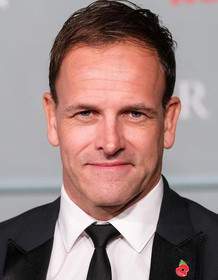
Jonny Lee Miller
2nd Lt. Billy Prior

Jonathan Pryce
Capt. William Rivers

James Wilby
2nd Lt. Siegfried Sassoon

James McAvoy
Anthony Balfour
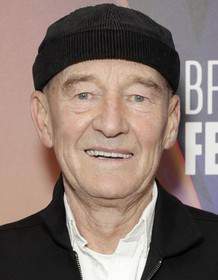
David Hayman
Maj. Bryce

Tanya Allen
Sarah Lumb
John Neville
Dr. Yealland
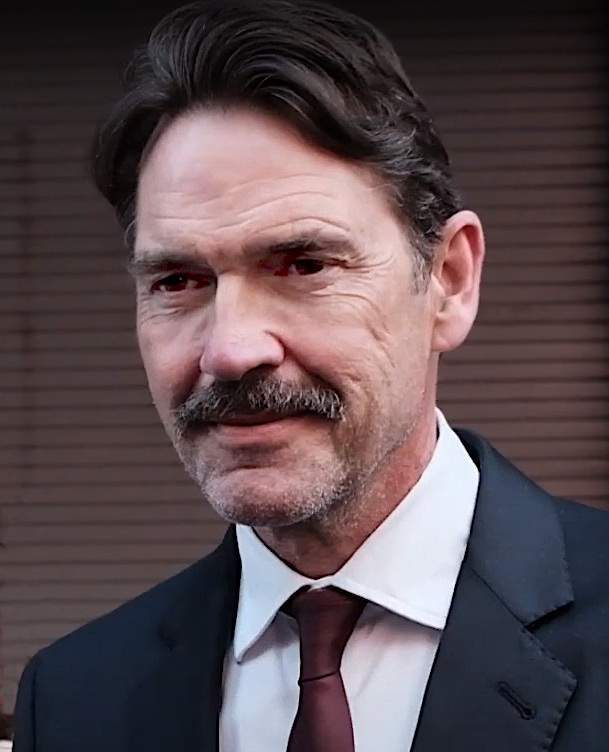
Dougray Scott
Capt. Robert Graves
Eileen Nicholas
Miss Crowe
Rupert Procter
Capt. David Burns
Andrew Woodall
Willard
Mary Jane Wells
VAD nurse (uncredited)
Kate Donnelly
Lizzie
Finlay McLean
Huntley
David Robb
Dr. McIntyre
Jeremy Child
Balfour Graham
Jenny Ryan
Madge
Alastair Galbraith
Capt. Campbell
Russell Barr
Sassoon's Soldier
Stuart Bunce
2nd Lt. Wilfred Owen
Joel Strachan
Martin
Angela Bradley
Nurse Alison
Lee Brown
Logan
Bob Docherty
Man in Pub
Jerome Boyle
German Machine gunner
Joseph Andrew Mclean
German Soldier
External Links and Streaming Options
Discover where to watch Regeneration online, including streaming platforms, rental options, and official sources. Compare reviews, ratings, and in-depth movie information across sites like IMDb, TMDb, Wikipedia or Rotten Tomatoes.







Take the Ultimate Regeneration Movie Quiz
Challenge your knowledge of Regeneration with this fun and interactive movie quiz. Test yourself on key plot points, iconic characters, hidden details, and memorable moments to see how well you really know the film.
Regeneration Quiz: Test your knowledge of the 1997 film "Regeneration" with these ten questions ranging from easy to challenging.
Which actor portrays Dr. William Rivers in the film?
Full Plot Summary and Ending Explained for Regeneration
Read the complete plot summary of Regeneration, including all major events, twists, and the full ending explained in detail. Explore key characters, themes, hidden meanings, and everything you need to understand the story from beginning to end.
The opening scene unfolds with Siegfried Sassoon [James Wilby], a celebrated poet-war hero, issuing a blistering open letter in July 1917—Finished with the War: A Soldier’s Declaration—that rails against the political errors and insincerities for which the fighting men are paying the price. Published in The Times, the letter draws sharp attention to Sassoon’s moral stand, even as it jeopardizes his military standing. With the support and influence of Robert Graves [David Hayman] (a fellow poet and friend who helps steer Sassoon through the system), the army chooses a path of expedient care rather than a court-martial. Sassoon is sent to Craiglockhart War Hospital, a psychiatric facility designed to treat officers, rather than to the frontlines. There, the atmosphere is clinical yet humane, and Sassoon is introduced to Dr Rivers [Jonathan Pryce], a Freudian psychologist who believes that the most effective therapy lies in giving patients a voice to recount and reframe their war memories.
The film refuses to center exclusively on a single protagonist, instead weaving together the interconnected stories of Dr Rivers and his patients, with Wilfred Owen [Stuart Bunce] appearing as a gifted but anxious figure who becomes an ally and inspiration to Sassoon. The narrative threads alternate between the talking cure of trauma and the personal costs borne by those who bear the wounds of war. Among the key figures is Billy Prior [Jonny Lee Miller], a young officer whose initial cold pragmatism and class-defying ascent from the lower ranks set him apart from his peers. Rivers must uncover the kernel of Prior’s blindness or mutism, and the doctor’s patient care gradually reveals more than just the surface causes of his speechlessness. When Prior’s voice returns, it opens a window into a past scar—one that compels him to seek affection and companionship, especially with Sarah [Tanya Allen], a munitions worker who becomes his confidante and lover. Prior’s social background—being a working-class man who achieved officer status—adds another layer to his struggle, as he contends with a hierarchy that has often undervalued the men he is compelled to lead.
A pivotal moment comes when the film shows Prior’s trauma surface: the death of a fellow soldier, killed by a bomb, that leaves him speechless and haunted. He confronts the disturbing memory of picking up a private’s eyeball and asking what should be done with “this gobstopper,” a detail that shocks him with the real price of war. This revelation shatters his assumptions about self-blame and duty, forcing him to confront the pressure to return to front-line duty in order to prove his competence to himself and to the system that thrust him into leadership. The patient’s inner conflict—between duty, fear, and a craving for normalcy—drives his evolving relationship with Rivers as the two search for a path back to wholeness.
Meanwhile, Sassoon forms a burgeoning friendship with Owen, who longs to become a poet and respects Sassoon’s body of work. Sassoon agrees to help Owen refine his poetry, and a mutual respect grows between the two writers as they navigate the shared trauma of the trenches and the fragile space of the hospital. The film captures the tenderness of their exchanges, as Sassoon’s experience provides a canvas for Owen’s own aspiring voice to emerge. This bond is a quiet counterpoint to the harsher realities of the war outside the ward walls.
Rivers’ own mental health begins to show strain as he absorbs the burdens of his patients while also contending with the toll of hearing, witnessing, and translating their pain. To piece together a harder-edged science with compassionate care, Rivers travels to London to observe the methods of Dr Yealland [John Neville], who treats mutism and trauma with brutal efficiency. Yealland’s electric stimulation therapy—an brutal regimen that commands a private patient to endure electric currents applied to the mouth to “stimulate” speech—shocks Rivers with its mechanistic brutality and lack of empathy. The encounter exposes a stark contrast between the two approaches: Yealland’s cold, workmanlike success versus Rivers’ belief in the human need to articulate, remember, and heal at a human pace. Rivers returns to Craiglockhart shaken but determined, and he continues to pursue his approach, even as Sassoon’s stubborn insistence on staying true to his beliefs pushes Rivers toward a delicate balance between medical science and moral conviction. The line that captures Sassoon’s view of Rivers’ work—his insistence on the “gentle miracles” that come from patient-centered care—resonates through the clinic as a guiding principle, even as it costs Rivers personal stability. >gentle miracles
As the Waterford-like canal of memory and dream becomes a recurring motif, Sassoon eventually decides to return to France to care for his men, even as the institution weighs his fitness for continued service. During a Review Board evaluation, Rivers is surprised by Sassoon’s unwavering stance that he has not truly altered his mind about the war; yet the formal assessment ultimately deems him fit to resume duty, underscoring the tension between moral conviction and clinical validation. Sassoon’s injuries are hinted at in the aftermath of his return, and a quiet moment of laughter amid fear underscores his enduring grit in the face of danger. The evolving portrait of Sassoon reveals a man who cannot fully reconcile his beliefs with the demands of the battlefield, even as he remains determined to stand with his soldiers.
Meanwhile, Prior faces his own Board review and is assigned to home duties—likely due to asthma and ongoing questions about whether his mind and body can sustain active service. The final chapters bring the two men’ stories toward a poignant close: Prior is shown in bed with Sarah, suggesting a fragile but hopeful personal future away from frontline pressures. The film does not pretend the scars are easily erased; instead, it underscores the slow and arduous path to healing that war imposes on those who survive.
The closing sequences shift to the broader, more tragic canvas of Wilfred Owen’s fate and Rivers’ sorrow. The somber image of Owen’s corpse in a French waterway marks the war’s brutal endgame and casts a long shadow over Rivers, who reads Owen’s poignant poem The Parable of the Old Man and the Young, as Sassoon’s influence lingers in the air. The canal tunnel motif—once a private dream of Owen’s—gains final significance as a symbol of a path through memory toward some form of reckoning. The film leaves the audience with a sense of quiet sadness, complexity, and resilience: a portrait of men wounded by war who seek a language to tell their truth, a doctor who learns to listen more deeply, and a generation of poets who bear witness to both the beauty and the brutality of life in the trenches.

Coming soon on iOS and Android
The Plot Explained Mobile App
From blockbusters to hidden gems — dive into movie stories anytime, anywhere. Save your favorites, discover plots faster, and never miss a twist again.
Sign up to be the first to know when we launch. Your email stays private — always.
Explore the mobile appWatch Trailers, Clips & Behind-the-Scenes for Regeneration
Watch official trailers, exclusive clips, cast interviews, and behind-the-scenes footage from Regeneration. Dive deeper into the making of the film, its standout moments, and key production insights.
Regeneration Themes and Keywords
Discover the central themes, ideas, and keywords that define the movie’s story, tone, and message. Analyze the film’s deeper meanings, genre influences, and recurring concepts.

Unlock the World of Movies with Our Comprehensive Wiki
Dive into our Movie Wiki for in-depth film encyclopedia entries, including cast biographies, production trivia, plot synopses, behind-the-scenes facts, and thematic analyses. Whether you’re researching iconic directors, exploring genre histories, or discovering hidden easter eggs, our expertly curated movie database has everything you need to fuel your cinematic passion.

Similar Movies To Regeneration You Should Know About
Browse a curated list of movies similar in genre, tone, characters, or story structure. Discover new titles like the one you're watching, perfect for fans of related plots, vibes, or cinematic styles.






Quick Links: Summary, Cast, Ratings, More

What's After the Movie?
Not sure whether to stay after the credits? Find out!
Check out our other apps:

SAT Sphere
Build confidence for the Digital SAT.

Mori Atlas
Discover wild places worth protecting.

Luntero
Search smarter for a home in Amsterdam.

Plot Explained
Unravel movie endings and hidden clues.

Pokechamp
Dive into Pokémon data and battle logic.

Driving Theory
Get ready for your European theory test.

Movie Dust
Plan your next cinema trip with ease.

Musemap
Find art and culture as you travel.

Selkobase
Compare credentials before committing.

Local Manual
Turn an unfamiliar country into practical next steps.

Lernavi
Compare school systems before your next move.

GymRoam
Find a workout stop wherever your plans take you.
Explore Our Movie Platform
New Movie Releases (2026)
Famous Movie Actors
Top Film Production Studios
Movie Plot Summaries & Endings
Major Movie Awards & Winners
Best Concert Films & Music Documentaries
Movie Collections and Curated Lists
© 2026 What's After the Movie. All rights reserved.
Privacy Policy