Went the Day Well? 1942



The tranquil village of Bramley End is seized by German soldiers masquerading as Royal Engineers. Their mission is to sabotage England’s radar network ahead of a full‑scale invasion. When the villagers uncover the ruse, they rally together, using whatever means they have to foil the Nazis’ plans.


Does Went the Day Well? have end credit scenes?
No!
Went the Day Well? does not have end credit scenes. You can leave when the credits roll.
Where to Watch Went the Day Well?
See current US streaming, rental, and purchase options for Went the Day Well? (1942) via JustWatch.







Meet the Full Cast and Actors of Went the Day Well?
Explore the complete cast of Went the Day Well?, including both lead and supporting actors. Learn who plays each character, discover their past roles and achievements, and find out what makes this ensemble cast stand out in the world of film and television.
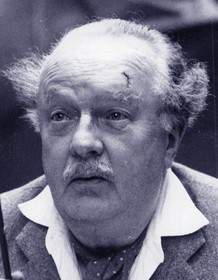
Basil Sydney
Major Hammond / Kommandant Orlter
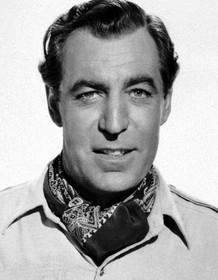
David Farrar
Lieutenant Jung

Leslie Banks
Oliver Wilsford

Elizabeth Allan
Peggy
Frank Lawton
Tom Sturry
Thora Hird
Ivy
Valerie Taylor
Nora Ashton
Patricia Hayes
Daisy
Harry Fowler
Young George
John Slater
Sergeant
Muriel George
Mrs. Collins
Ellis Irving
Harry Drew
Edward Rigby
Bill Purvis
Norman Pierce
Jim Sturry
Johnnie Schofield
Joe Garbett
Mervyn Johns
Charlie Sims
Marie Lohr
Mrs. Dolly Fraser
C. V. France
The Vicar Ashton
Hilda Bayley
Cousin Maud
Philippa Hiatt
Mrs. Bates
Grace Arnold
Mrs. Owen
Eric Micklewood
Soldier
External Links and Streaming Options
Discover where to watch Went the Day Well? online, including streaming platforms, rental options, and official sources. Compare reviews, ratings, and in-depth movie information across sites like IMDb, TMDb, Wikipedia or JustWatch.







Take the Ultimate Went the Day Well? Movie Quiz
Challenge your knowledge of Went the Day Well? with this fun and interactive movie quiz. Test yourself on key plot points, iconic characters, hidden details, and memorable moments to see how well you really know the film.
Went the Day Well? Quiz: Test your knowledge of the 1942 British film "Went the Day Well?" with these ten questions ranging from easy to hard.
Who serves as the narrator, recounting the events of the film?
Full Plot Summary and Ending Explained for Went the Day Well?
Read the complete plot summary of Went the Day Well?, including all major events, twists, and the full ending explained in detail. Explore key characters, themes, hidden meanings, and everything you need to understand the story from beginning to end.
In a reflective frame, the story is told by Charles Sims as a memory from the Second World War revisits a quiet Whitsun weekend in the small, fictional English village of Bramley End. A contingent of soldiers, who at first appear to be a routine reinforcement, arrive under the veneer of authenticity and are warmly received by the villagers. Soon, however, doubts creep in about their purpose and their true identity, and the mood shifts from welcome to wary speculation.
Major Basil Sydney Hammond, the apparent leader, reveals a chilling intent: these are not a mere unit on leave, but the vanguard of an invasion aimed at Britain. The group rounds up the townspeople and corals them into the local church, transforming a place of sanctuary into a fragile hostage zone. The Reverend C. V. France Ashton is killed in a grim moment of defiance, his church bell still ringing in alarm as the crisis erupts.
Desperate to reach the outside world, the villagers improvise a plan that hinges on a tiny, fragile message. A note is written on an egg and entrusted to the village paper boy, a plan that is tragically thwarted when Cousin Maud Hilda Bayley accidentally drives over the pinned package with her car. The post office becomes a focal point of tension: Mrs. Collins Muriel George fights back by killing a German with a hatchet and attempts to call for help, only to see the telephone line become a dead end as the young telephone operators hesitate. The danger intensifies as the Germans tighten their grip on the village, while the Home Guard, including those who remain, suffer ambushes and shootings.
The treachery of betrayal cuts deepest when Oliver Wilsford Leslie Banks, the village squire, is revealed as a German collaborator. He murders the constable Ted Garbett in a frantic escape attempt as thunder booms above the churchyard. A young boy, George Truscott Harry Fowler—the only chance for a spark of alertness from the locals—escapes and seeks help. He encounters a poacher, Bill Purvis Edward Rigby, who sacrifices himself to create a diversion and draw German attention away from the boy, but is fatally shot in the process. George, wounded, makes his way to a nearby village and is sheltered by the Drews, where the tale of courage begins to converge with a growing resistance.
From the shadows, other villagers rally. Ivy Thora Hird Dorking and Peggy Pryde Elizabeth Allan—a member of the Women’s Land Army—manage to barricade themselves, seize captured German weapons, and hold their ground against the invaders. The moment of reckoning comes as the barricade becomes a battleground: the women fight back, and the valiant Nora Ashton Valerie Taylor, the vicar’s daughter, discovers Wilsford’s treachery and shoots him as he tries to shepherd the remaining Germans toward the fortified house. The village’s defenders suffer wounds and losses, with Mrs. Fraser sacrificing herself to save the children by smothering a hand grenade.
As British troops finally arrive, they work with those who stayed and fought, aided by the courage of the women and the few villagers who returned to reinforce the barricade. The operation culminates with the defeat of the remaining Germans, and Sims reveals the consequences of the day’s violence by presenting the Germans’ graves in the churchyard, his voice refraining from jubilation yet carrying a hard truth: this was a bitter, hard-won defense of their homeland.
As the dust settles, the sentiment lingers in Sims’s narration: Yes, that is the stark moral of the events—that those few moments of resistance became the measure of England’s resolve in the face of invasion.
Yes, that’s the only bit of England they got.

Coming soon on iOS and Android
The Plot Explained Mobile App
From blockbusters to hidden gems — dive into movie stories anytime, anywhere. Save your favorites, discover plots faster, and never miss a twist again.
Sign up to be the first to know when we launch. Your email stays private — always.
Explore the mobile appWatch Trailers, Clips & Behind-the-Scenes for Went the Day Well?
Watch official trailers, exclusive clips, cast interviews, and behind-the-scenes footage from Went the Day Well?. Dive deeper into the making of the film, its standout moments, and key production insights.
Cars Featured in Went the Day Well?
Explore all cars featured in Went the Day Well?, including their makes, models, scenes they appear in, and their significance to the plot. A must-read for car enthusiasts and movie buffs alike.
Went the Day Well? Themes and Keywords
Discover the central themes, ideas, and keywords that define the movie’s story, tone, and message. Analyze the film’s deeper meanings, genre influences, and recurring concepts.
Went the Day Well? Other Names and Titles
Explore the various alternative titles, translations, and other names used for Went the Day Well? across different regions and languages. Understand how the film is marketed and recognized worldwide.
Similar Movies To Went the Day Well? You Should Know About
Browse a curated list of movies similar in genre, tone, characters, or story structure. Discover new titles like the one you're watching, perfect for fans of related plots, vibes, or cinematic styles.


Quick Links: Summary, Cast, Ratings, More

What's After the Movie?
Not sure whether to stay after the credits? Find out!
Check out our other apps:

SAT Sphere
Build confidence for the Digital SAT.

Mori Atlas
Discover wild places worth protecting.

Luntero
Search smarter for a home in Amsterdam.

Plot Explained
Unravel movie endings and hidden clues.

Pokechamp
Dive into Pokémon data and battle logic.

Driving Theory
Get ready for your European theory test.

Movie Dust
Plan your next cinema trip with ease.

Musemap
Find art and culture as you travel.

Selkobase
Compare credentials before committing.

Local Manual
Turn an unfamiliar country into practical next steps.

Lernavi
Compare school systems before your next move.

GymRoam
Find a workout stop wherever your plans take you.
Explore Our Movie Platform
New Movie Releases (2026)
Famous Movie Actors
Top Film Production Studios
Movie Plot Summaries & Endings
Major Movie Awards & Winners
Best Concert Films & Music Documentaries
Movie Collections and Curated Lists
© 2026 What's After the Movie. All rights reserved.
Privacy Policy