Park Row 1952


In the bustling 1880s New York newspaper district of Park Row, a driven journalist launches his own paper. The fresh publication wins readers at once, but its rapid success provokes the wrath of a powerful rival newspaper and its wealthy heiress owner, setting the stage for fierce competition and a touch of romance.

Does Park Row have end credit scenes?
No!
Park Row does not have end credit scenes. You can leave when the credits roll.
Meet the Full Cast and Actors of Park Row
Explore the complete cast of Park Row, including both lead and supporting actors. Learn who plays each character, discover their past roles and achievements, and find out what makes this ensemble cast stand out in the world of film and television.
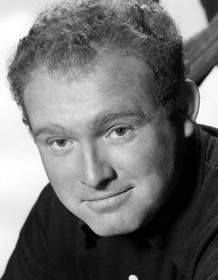
Gene Evans
Phineas Mitchell

J.M. Kerrigan
Dan O'Rourke
Jean Del Val
Mr. Dessard
Herbert Heyes
Josiah Davenport
George O'Hanlon
Steve Brodie
Dick Elliott
Jeff Hudson
Stanley Price
George Taylor
Neyle Morrow
Thomas Guest
Harry 'Snub' Pollard
Barfly
Stuart Randall
Mr. Spiro
Frank Marlowe
Policeman
Don Orlando
Mr. Angelo
Dee Pollock
Rusty
Charles Horvath
Monk Rogers
Forrest Taylor
Charles A. Leach
Hal K. Dawson
Mr. Wiley
Tina Pine
Jenny O'Rourke
Bela Kovacs
Ottmar Mergenthaler
Mary Welch
Charity Hackett
External Links and Streaming Options
Discover where to watch Park Row online, including streaming platforms, rental options, and official sources. Compare reviews, ratings, and in-depth movie information across sites like IMDb, TMDb, Wikipedia or JustWatch.





Take the Ultimate Park Row Movie Quiz
Challenge your knowledge of Park Row with this fun and interactive movie quiz. Test yourself on key plot points, iconic characters, hidden details, and memorable moments to see how well you really know the film.
Park Row Quiz: Test your knowledge of the 1952 film *Park Row*, covering its characters, plot events, and historical references.
Who is fired from The Star for openly criticizing its methods?
Full Plot Summary and Ending Explained for Park Row
Read the complete plot summary of Park Row, including all major events, twists, and the full ending explained in detail. Explore key characters, themes, hidden meanings, and everything you need to understand the story from beginning to end.
In 1886, Phineas Mitchell is fired from The Star for openly criticizing its methods and philosophy. When his friends rally to defend him, they too lose their jobs, leaving the group adrift and searching for a new path. As they drown their sorrows in a bar, Steve Brodie bursts in with a dramatic claim: he survived a jump from the Brooklyn Bridge and wants Mitchell to write a story that will make him famous—yet Mitchell bluntly reminds him that he no longer has a newspaper job.
An old acquaintance, Charles A. Leach, reveals a long-held dream of journalism and lays out a daring plan: they should start a new paper together. Leach possesses a printing press, empty offices, and enough funds to get things moving. Mitchell agrees, and he immediately attracts his loyal crew, bringing on the seasoned reporter Josiah Davenport and the eager young talent Rusty. The plan quickly takes shape, and the team christens the venture “The Globe.” To kick things off, when a policeman comes hunting for Steve Brodie, Mitchell pulls the fugitive out from behind the bar, turning this confrontation into the first front-page scoop for the fledgling paper.
Meanwhile, Charity Hackett, the ambitious and ruthless publisher of The Star, initially shrugs off the new rival. But as The Globe’s fearless approach and its willingness to cover controversial topics wins readers, Hackett grows wary and begins to see the threat. Mitchell embraces bold, reformist ideas, and The Globe garners popularity despite its tight finances, even though it is printed on cheap materials such as butcher paper. Hackett makes a push to recruit Ottmar Mergenthaler to upgrade The Star’s capabilities, but her efforts fail to slow the momentum of the new paper.
The tension between the rivals increases when Hackett herself appears at The Globe and offers a merger. Mitchell meets her proposal with warmth and restraint, sharing a moment of affection, but ultimately rejects the deal. In response, she orders his suppliers to cut off ink and paper, and the retaliation spirals into violence: men are beaten, and Rusty is even run over by a heavy wagon. Mitchell confronts Hackett, insisting that Rusty’s injuries were not his fault and that she cannot simply wash her hands of the consequences, but she remains unrepentant as the conflict deepens.
A fresh crisis hits when Mitchell learns that France’s gift of the Statue of Liberty lacks a pedestal due to insufficient funds. He launches a public fundraising campaign, promising to publish the donors’ names, only to discover that con artists are collecting money in The Globe’s name. The government intervenes and orders the funds returned. In retaliation, Hackett orchestrates a smear, and Mitchell writes a scathing article debunking the fraud. Yet chaos erupts in his press room: type is spilled from the cases, glue is poured over equipment, and the situation seems bleak.
Then a breakthrough arrives: Ottmar Mergenthaler announces that the Linotype machine is complete, enabling faster, cleaner production. The Globe appears poised to print again, but tragedy strikes when a bomb destroys the newsroom’s printing press. Mitchell is devastated, succumbing to drink as he contemplates the loss of everything he built.
The next morning, a surprising twist clears the air. Mitchell discovers that his work has found an unlikely second wind: Mergenthaler’s machine has been used to typeset the paper anew, and Hackett has supplied the press and paper to keep The Globe alive while Mitchell’s team works late into the night. Hackett confesses her calculated plan to topple The Star so The Globe can flourish, revealing a complex, if morally gray, rivalry.
In the film’s final moment, rather than offering a traditional neat ending, the newsroom shifts to a new rhythm. The film ends with the word “THIRTY,” a signal from the reporters that marks the end of a story and the perpetual, restless pace of journalism. The Globe’s rise, Hackett’s ruthless strategies, and the invention that makes modern printing possible weave together into a portrait of ambition, innovation, and the costs of competing narratives.

Coming soon on iOS and Android
The Plot Explained Mobile App
From blockbusters to hidden gems — dive into movie stories anytime, anywhere. Save your favorites, discover plots faster, and never miss a twist again.
Sign up to be the first to know when we launch. Your email stays private — always.
Explore the mobile appWatch Trailers, Clips & Behind-the-Scenes for Park Row
Watch official trailers, exclusive clips, cast interviews, and behind-the-scenes footage from Park Row. Dive deeper into the making of the film, its standout moments, and key production insights.
Park Row Themes and Keywords
Discover the central themes, ideas, and keywords that define the movie’s story, tone, and message. Analyze the film’s deeper meanings, genre influences, and recurring concepts.

Unlock the World of Movies with Our Comprehensive Wiki
Dive into our Movie Wiki for in-depth film encyclopedia entries, including cast biographies, production trivia, plot synopses, behind-the-scenes facts, and thematic analyses. Whether you’re researching iconic directors, exploring genre histories, or discovering hidden easter eggs, our expertly curated movie database has everything you need to fuel your cinematic passion.

Similar Movies To Park Row You Should Know About
Browse a curated list of movies similar in genre, tone, characters, or story structure. Discover new titles like the one you're watching, perfect for fans of related plots, vibes, or cinematic styles.


Quick Links: Summary, Cast, Ratings, More

What's After the Movie?
Not sure whether to stay after the credits? Find out!
Check out our other apps:

SAT Sphere
Build confidence for the Digital SAT.

Mori Atlas
Discover wild places worth protecting.

Luntero
Search smarter for a home in Amsterdam.

Plot Explained
Unravel movie endings and hidden clues.

Pokechamp
Dive into Pokémon data and battle logic.

Driving Theory
Get ready for your European theory test.

Movie Dust
Plan your next cinema trip with ease.

Musemap
Find art and culture as you travel.

Selkobase
Compare credentials before committing.

Local Manual
Turn an unfamiliar country into practical next steps.

Lernavi
Compare school systems before your next move.

GymRoam
Find a workout stop wherever your plans take you.
Explore Our Movie Platform
New Movie Releases (2026)
Famous Movie Actors
Top Film Production Studios
Movie Plot Summaries & Endings
Major Movie Awards & Winners
Best Concert Films & Music Documentaries
Movie Collections and Curated Lists
© 2026 What's After the Movie. All rights reserved.
Privacy Policy